Les Murs de Ston
Ces fortifications redoutables, souvent surnommées la « Grande Muraille européenne », servaient autrefois à un but surprenant et délicat, bien au-delà de la défense typique.
L'histoire complète se débloque dans le tour
 Carsten Steger / cc by-sa 4.0, via Wikimedia Commons
Visite audio autoguidée de Mali Ston — parcours GPS à pied, lecture hors ligne, narration en 32 langues.
“Là où les murs anciens gardent « l'or blanc » et la mer offre ses plus belles perles.”
Pas les cartes postales. Les histoires que même les habitants ignorent — soufflées à l'oreille, là où elles se sont passées.
Ces fortifications redoutables, souvent surnommées la « Grande Muraille européenne », servaient autrefois à un but surprenant et délicat, bien au-delà de la défense typique.
Les huîtres réputées de Mali Ston ont une histoire qui s'entremêle avec la noblesse et une forme de paiement inhabituelle.
Au-delà de ses délices salés, la région offre un dessert traditionnel qui cache un ingrédient secret surprenant.
Découvrez tous les secrets de Mali Ston
Chaque adresse, chaque révélation en entier — dans ton oreille, là où elle s'est passée.
Tu choisis tes lieux. Tu marches. La voix te révèle ce que les autres ignorent.
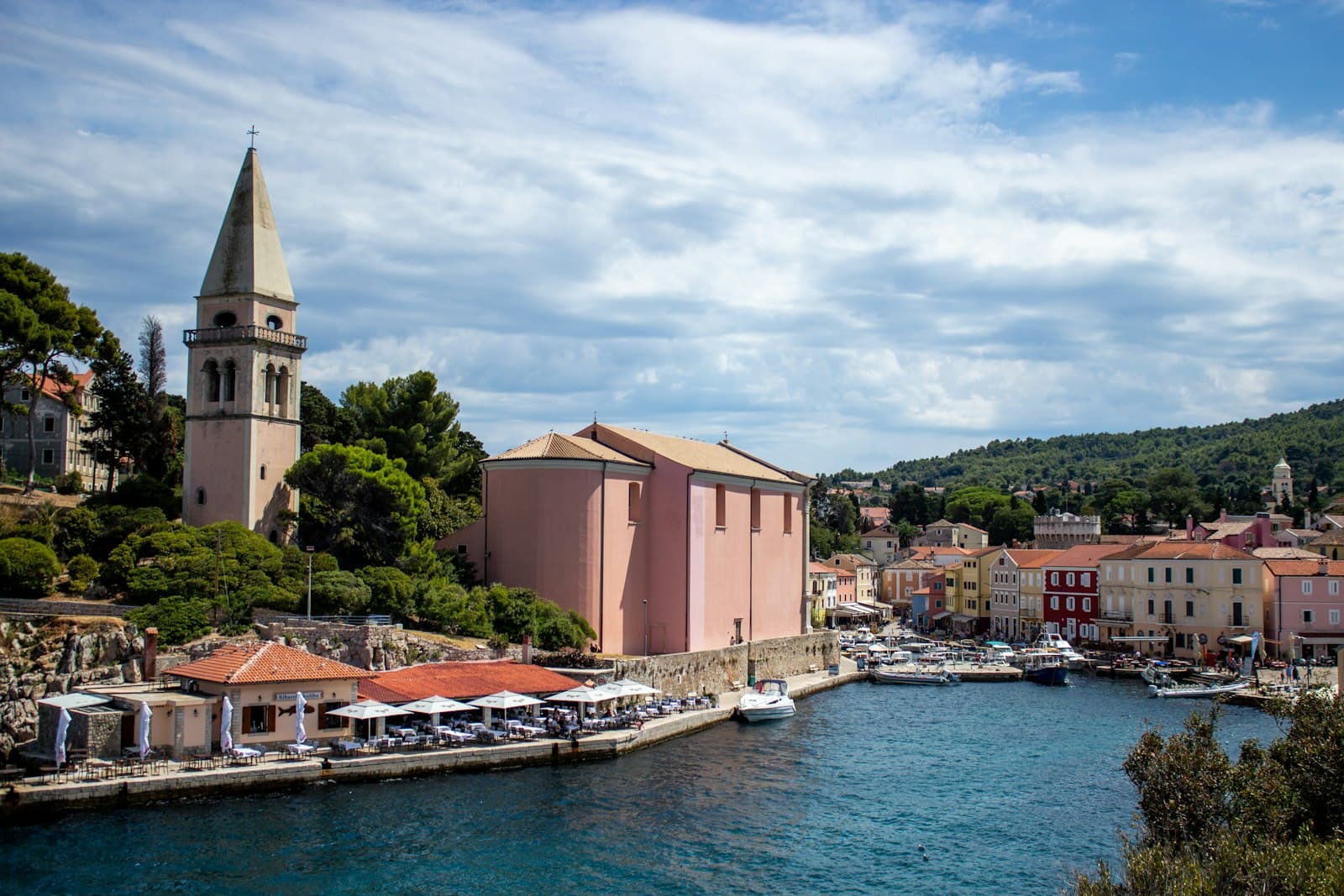
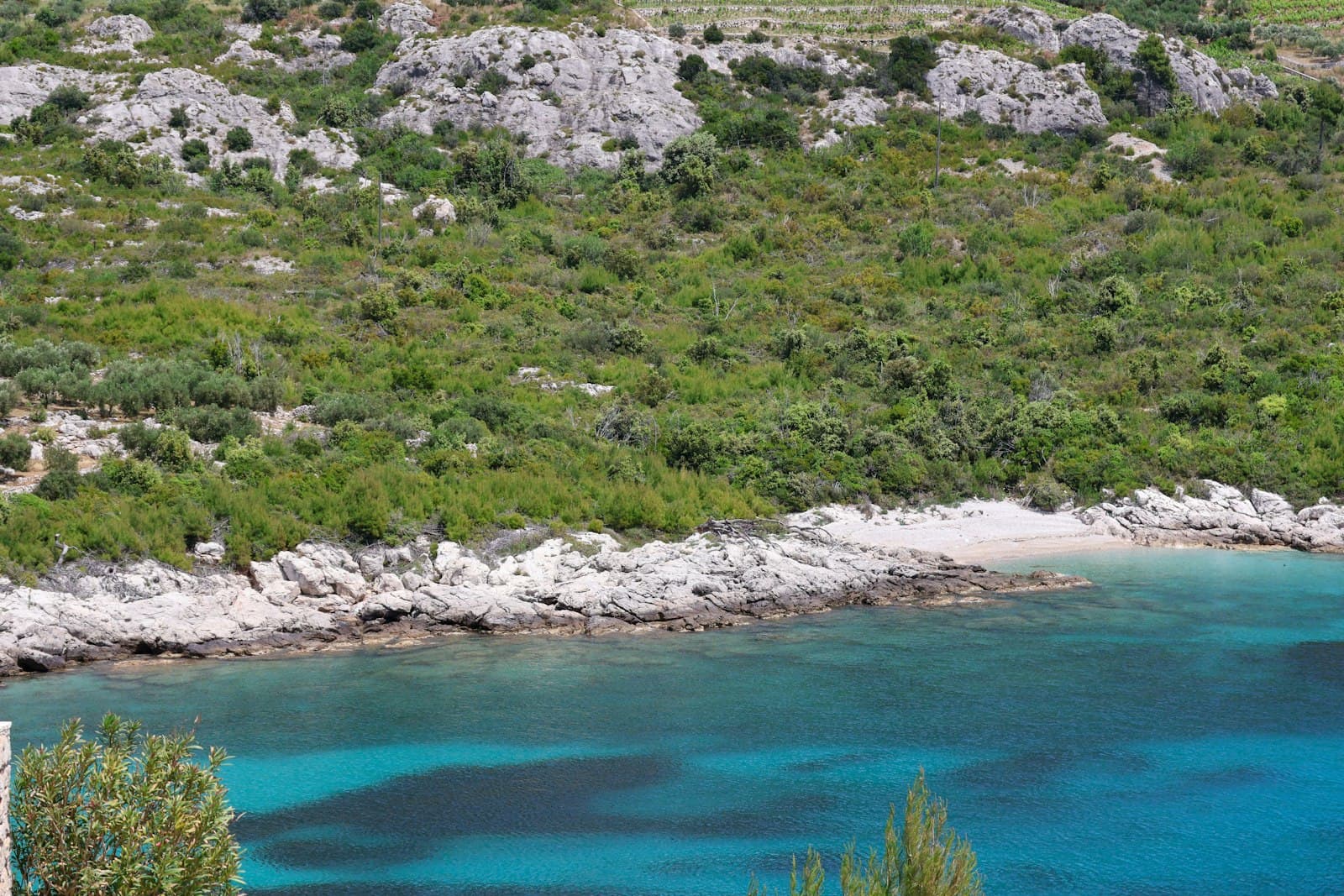
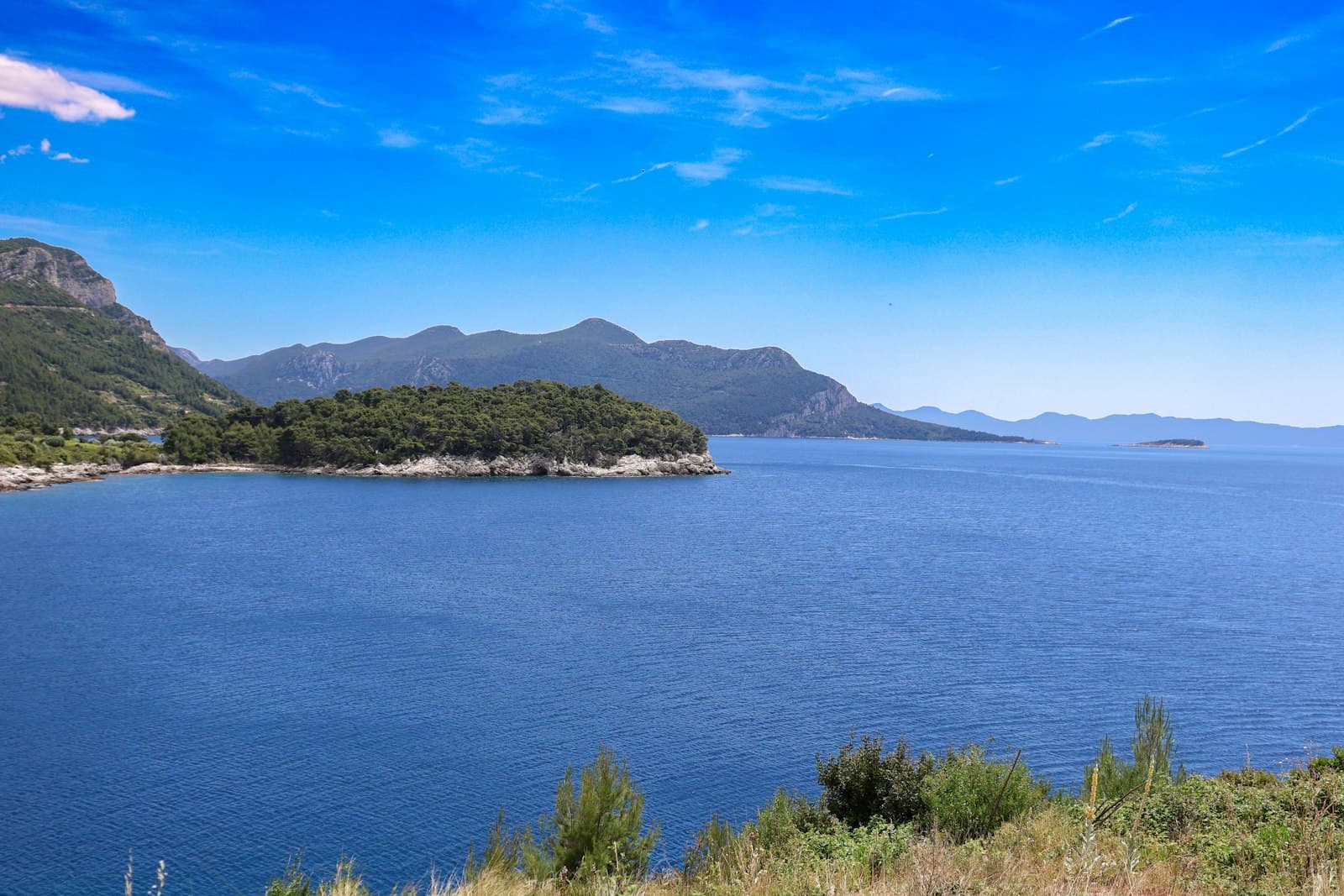
Votre visite audioguidée de Mali Ston vous attend — choisissez vos lieux, votre langue, et lancez-vous dès votre arrivée.
AcheterLume intègre un guide en réalité augmentée. Levez votre téléphone : sa caméra montre la rue devant vous, avec une flèche lumineuse posée sur l'image réelle qui pointe toujours vers votre prochain arrêt — aucune carte à déchiffrer, aucun mauvais virage. Comme tout dans Lume, ça fonctionne entièrement hors-ligne.
Mali Ston, un village côtier de la péninsule de Pelješac en Croatie, présente une confluence d'histoire, de gastronomie et de splendeur naturelle. Relié à sa ville sœur plus grande, Ston, par un imposant système de murs médiévaux, Mali Ston offre une expérience plus calme et authentique que certaines des destinations côtières plus animées de Croatie. Le village est particulièrement célébré pour ses huîtres de renommée mondiale, cultivées dans les eaux saumâtres uniques de la baie de Mali Ston, qui offrent des conditions idéales pour ces coquillages exquis.
Au-delà de sa renommée culinaire, Mali Ston sert de porte d'entrée à la péninsule accidentée et ensoleillée de Pelješac, une région marquée par des vignobles, des oliveraies et les eaux calmes de l'Adriatique. Les visiteurs sont attirés par ses rues charmantes, ses restaurants au bord de l'eau et la possibilité d'explorer une région qui a largement conservé son caractère d'antan. Que ce soit pour savourer des fruits de mer frais ou explorer d'anciennes fortifications, Mali Ston offre un aperçu captivant du patrimoine durable de la Croatie et de sa vie côtière sereine.
L'histoire de Mali Ston est profondément liée à sa situation stratégique et à ses ressources naturelles abondantes, notamment le sel et les coquillages. Des preuves suggèrent que l'exploitation des coquillages dans la baie de Mali Ston remonte à la domination romaine. Le nom « Ston » lui-même proviendrait du latin « Stagnum », faisant référence aux terres marécageuses utilisées pour la production de sel.
Un moment charnière dans l'histoire de Mali Ston s'est produit en 1333 lorsque la République de Dubrovnik, également connue sous le nom de République de Raguse, a acquis la péninsule de Pelješac. Reconnaissant l'immense importance économique et stratégique des salines de Ston, la République s'est lancée dans un projet de construction monumental : les Murs de Ston. Ces fortifications, s'étendant à l'origine sur plus de 7 kilomètres et comprenant des forteresses, des bastions et des tours, ont été conçues pour protéger les précieuses salines et l'ensemble de la péninsule des envahisseurs. Mali Ston, fondé en 1335, faisait partie intégrante de ce système défensif, avec sa propre impressionnante disposition de murs et de tours, y compris la proéminente Forteresse de Koruna.
Au fil des siècles, la production de sel et l'ostréiculture ont prospéré sous la réglementation attentive de la République de Dubrovnik. Les méthodes de récolte du sel sont restées largement inchangées depuis le Moyen Âge, reposant sur le soleil, la mer et le vent. De même, la tradition de la culture des huîtres a été transmise de génération en génération, les huîtres de Mali Ston acquérant la réputation d'être parmi les meilleures au monde. Après la chute de la République de Raguse en 1808, de nombreuses parties des murs ont malheureusement été démantelées ou endommagées, certaines pierres étant réutilisées pour de nouveaux bâtiments. Cependant, les efforts de restauration en cours de la Société des Amis des Murs de Dubrovnik ont contribué à préserver ce complexe monumental, assurant la pérennité de son héritage.
L'attraction principale de Mali Ston est sa connexion aux impressionnants Murs de Ston, un système de fortification médiéval le reliant à Ston. Les visiteurs peuvent parcourir des portions de ces murs, qui offrent des vues imprenables sur la baie de Mali Ston, les salines et le paysage environnant.
La Forteresse de Koruna se dresse au-dessus de Mali Ston, une partie importante du réseau défensif, et est visible de loin. Bien que certaines de ses parties aient été reconstruites, elle reste un monument historique notable.
La baie de Mali Ston est synonyme d'ostréiculture, une activité profondément enracinée dans l'histoire de la région. De nombreux ostréiculteurs locaux proposent des excursions en bateau, offrant une expérience directe du processus de culture et la possibilité de déguster des huîtres fraîchement récoltées accompagnées de vins locaux. Au-delà des huîtres, le village lui-même invite à l'exploration avec ses rues calmes et ses maisons en pierre traditionnelles.
Pour ceux qui s'intéressent à la région plus large, les Salines de Ston à proximité sont un spectacle fascinant. Ce sont parmi les salines les plus anciennes et les mieux conservées d'Europe, produisant toujours du sel selon des méthodes traditionnelles. La péninsule de Pelješac, où se trouve Mali Ston, est également une région viticole réputée, offrant de nombreux domaines viticoles pour des dégustations et des visites.
La période idéale pour visiter Mali Ston pour les activités de plein air et un temps agréable s'étend de mi-mai à mi-juillet et de mi-août à début octobre, avec un pic début septembre. Si votre intérêt principal est les huîtres, elles sont disponibles toute l'année, mais mars est particulièrement spécial en raison du Festival annuel des Huîtres de Ston. Pendant ce festival, les restaurants et les fermes ostréicoles célèbrent avec des huîtres fraîches, du vin local et de la musique live. Pour les activités nautiques, fin juin à fin août est la meilleure période, bien que ce soit aussi la période la plus chargée avec le plus de monde. Les saisons intermédiaires (mai-juin et septembre-début octobre) offrent un bon équilibre entre températures confortables et moins de touristes.
Mali Ston est situé sur la péninsule de Pelješac, à environ une heure au nord-ouest de Dubrovnik. Le moyen le plus simple de s'y rendre est en voiture depuis Dubrovnik, un trajet pittoresque le long de la côte adriatique. Le pont de Pelješac permet désormais de se rendre directement à la péninsule sans passer par la Bosnie-Herzégovine. Bien que des bus publics relient Ston à Dubrovnik, une voiture offre une plus grande flexibilité pour explorer les vignobles et les petits villages de la péninsule. Le stationnement à Ston est généralement simple, surtout en dehors de la haute saison.
La marche est le meilleur moyen de se déplacer à Mali Ston et Ston. La promenade le long des Murs de Ston peut être raide et exigeante, surtout en été, il est donc recommandé de porter des chaussures confortables, de l'eau et une protection solaire. De nombreuses fermes ostréicoles exigent une réservation à l'avance pour les visites plutôt que des visites spontanées. Les options d'hébergement dans la région vont des appartements aux maisons de vacances, bien qu'il soit conseillé de réserver à l'avance pendant les mois d'été de pointe.
Mali Ston en coréen, en chinois ou en hébreu — et dans 29 autres langues, chaque étape narrée par une voix native. La plus large gamme de langues de tous les audioguides autoguidés.
Disponible en :