Biblioteca de Chetham
Esta antigua biblioteca, fundada en 1653, guarda una silenciosa conexión con las mentes más influyentes de la historia.
La historia completa se desbloquea en el tour
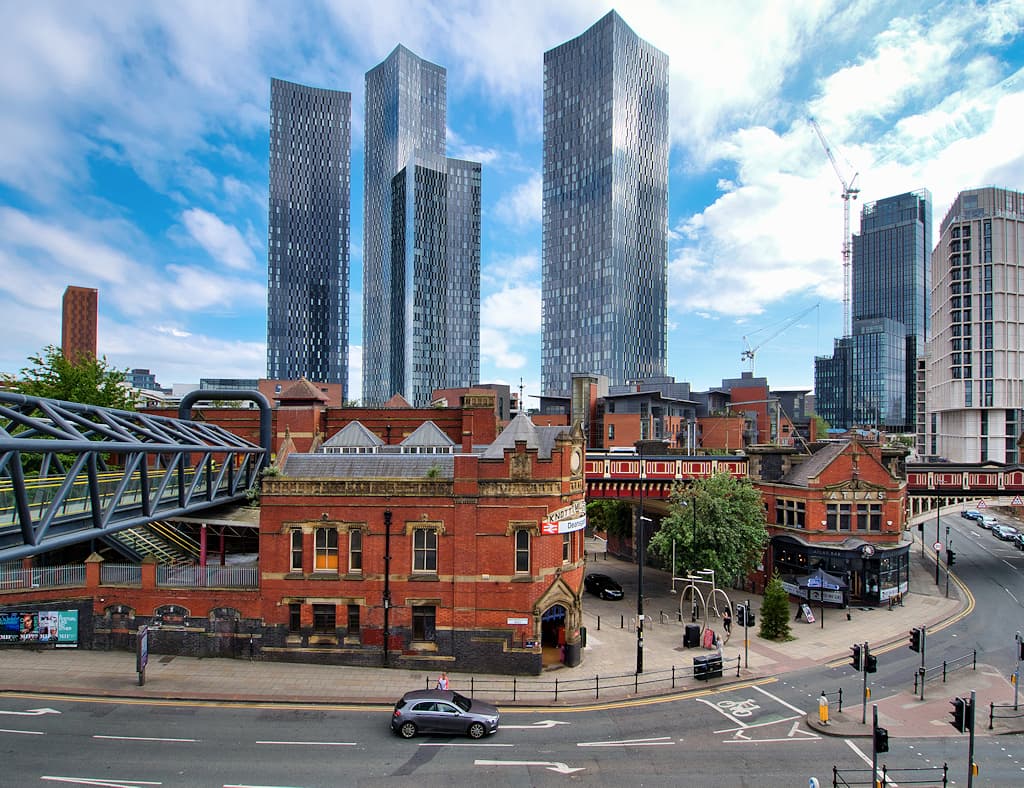 David Dixon / CC BY-SA 2.0, via Wikimedia Commons
Tour de audio autoguiado de Mánchester — ruta GPS a pie, reproducción offline, narración en 32 idiomas.
“Más allá de los himnos familiares, Mánchester susurra historias jamás contadas.”
No las postales. Las historias que ni los locales conocen — al oído, justo donde ocurrieron.
Esta antigua biblioteca, fundada en 1653, guarda una silenciosa conexión con las mentes más influyentes de la historia.
Un encuentro casual en este grandioso hotel dio origen a una legendaria marca británica.
Lo que parece una lavandería común esconde un secreto sorprendentemente sofisticado.
Descubre todos los secretos de Mánchester
Cada dirección, cada revelación al completo — a tu oído, justo donde ocurrió.
Eliges tus paradas. Caminas. La voz te revela lo que los demás ignoran.


Tu tour de audioguía por Mánchester te espera — elige tus lugares, tu idioma y empieza al llegar.
ComprarLume incluye una guía de realidad aumentada. Levanta el móvil y su cámara muestra la calle que tienes delante, con una flecha luminosa sobre la imagen real que siempre apunta a tu próxima parada — sin mapas que descifrar, sin giros equivocados. Como todo en Lume, funciona completamente sin conexión.
Mánchester, una ciudad en el noroeste de Inglaterra, es un dinámico centro de cultura e innovación. Antiguamente un fuerte romano llamado Mamucium alrededor del 79 d.C., se transformó en la primera ciudad industrial del mundo durante la Revolución Industrial. Hoy en día, es reconocida por su enérgica escena musical, sus logros científicos pioneros y su ferviente cultura futbolística.
El espíritu industrioso de la ciudad encuentra su símbolo en la abeja obrera, un motivo que aparece por todo Mánchester. Desde su extensa red de canales —superando a Venecia en kilómetros de vías fluviales— hasta su próspero panorama gastronómico, incluyendo la famosa Curry Mile, Mánchester ofrece una experiencia diversa para cada visitante. Es un lugar donde las grandiosas estructuras victorianas y los encantadores canales se encuentran con la arquitectura de vanguardia, creando una atmósfera urbana distintiva.
La historia de Mánchester se remonta aproximadamente al año 79 d.C., cuando los romanos establecieron un fuerte de madera llamado Mamucium, o Mancunium, en un promontorio de arenisca cerca de la confluencia de los ríos Medlock e Irwell. Este fuerte, reconstruido posteriormente en piedra alrededor del año 200 d.C., fue vital para proteger la carretera entre las ciudades romanas de Chester y York. Un asentamiento civil se desarrolló alrededor del fuerte, proporcionando bienes y servicios a los soldados.
Después de la partida de los romanos en el año 400 d.C., la zona fue ocupada por los mercianos. Para el siglo XVI, Mánchester se había convertido en una importante ciudad comercial, reconocida por la producción de lana y algodón. La llegada de tejedores flamencos en el siglo XIV a menudo se atribuye al establecimiento de las bases para la industria textil de la región.
Los siglos XVIII y XIX vieron a Mánchester a la vanguardia de la Revolución Industrial, convirtiéndose en la primera ciudad industrializada del mundo. Se ganó el apodo de "Cottonopolis" debido a su inmensa industria algodonera, y en 1853, 108 fábricas de algodón operaban dentro de la ciudad. Las innovaciones clave incluyeron la apertura del Canal de Bridgewater en 1761, la primera vía fluvial completamente artificial, y el primer ferrocarril de pasajeros interurbano del mundo en 1830, que conectaba Mánchester con Liverpool. Este período de rápida expansión condujo a importantes logros científicos y a una floreciente cultura, incluyendo el establecimiento de la Orquesta Hallé.
Mánchester obtuvo el estatus de ciudad en 1853. El Canal de Navegación de Mánchester, inaugurado en 1894, solidificó aún más sus vínculos comerciales globales al proporcionar acceso directo al Mar de Irlanda. Si bien su prominencia industrial disminuyó después de la Segunda Guerra Mundial, la ciudad experimentó una extensa regeneración tras el atentado de Mánchester de 1996, transformándose en un centro postindustrial moderno con fuertes conexiones con los deportes, los medios de comunicación y la educación.
Mánchester ofrece una diversa gama de atracciones. Para los interesados en la historia, la Biblioteca de Chetham, la biblioteca pública gratuita más antigua del mundo angloparlante, ofrece un vistazo al pasado, y la Biblioteca John Rylands, con su arquitectura neogótica, transporta a los visitantes a una época diferente. El Museo de Ciencia e Industria ilustra el papel fundamental de Mánchester en la Revolución Industrial y alberga a "Baby", la primera computadora con programa almacenado del mundo. Los amantes del arte pueden explorar la Manchester Art Gallery, mientras que los entusiastas del fútbol pueden visitar el National Football Museum o hacer un tour por el estadio de Old Trafford.
El Northern Quarter es reconocido por sus tiendas independientes, cafeterías y vibrante arte callejero. Cerca, Chinatown se erige como el segundo más grande del Reino Unido y el tercero de Europa, ofreciendo una variedad de cocinas y experiencias culturales de Asia Oriental. Canal Street, el corazón del Gay Village de Mánchester, es conocida por sus animados bares y su ambiente acogedor. Para una experiencia distintiva, considere un tour de arte callejero para descubrir las historias detrás de los murales de la ciudad.
Los momentos ideales para visitar Mánchester son finales de primavera (abril a mayo) y principios de otoño (septiembre). Durante estos meses, las temperaturas son suaves, generalmente oscilando entre 8°C y 15°C (46°F y 59°F), lo que lo hace cómodo para explorar a pie. Estos períodos también tienen menos multitudes en comparación con la temporada alta de verano, que va de junio a agosto. El verano ofrece un clima más cálido, entre 15°C y 21°C (59°F y 70°F), y un ambiente animado con muchos festivales al aire libre, aunque el alojamiento puede ser más caro. Si bien Mánchester es conocida por su lluvia, los aguaceros pueden ocurrir en cualquier momento del año, por lo que siempre es aconsejable estar preparado con un paraguas o una chaqueta.
Mánchester es una ciudad compacta, su centro es fácilmente transitable a pie en unos 20 minutos. La ciudad cuenta con una red de transporte público integrada gestionada por Transport for Greater Manchester (TFGM), que incluye autobuses, trenes y tranvías. Un conveniente servicio de autobús gratuito, Metroshuttle, opera tres rutas dentro del centro de la ciudad. Para viajar desde el Aeropuerto de Mánchester, los trenes directos a la estación Manchester Piccadilly tardan aproximadamente 20 minutos, saliendo cada 10 minutos. Los taxis, incluyendo los icónicos taxis negros y aplicaciones de viaje compartido como Uber, también están fácilmente disponibles. La moneda utilizada es la Libra Esterlina (£), y el código de marcación internacional es +44 161. El costo de vida es generalmente más asequible que en muchas otras ciudades importantes del Reino Unido, con una pinta de cerveza típica que cuesta alrededor de £4.00.
Mánchester en coreano, en chino o en hebreo — y 29 idiomas más, cada parada narrada por una voz nativa. La mayor variedad de idiomas de cualquier audioguía autoguiada.
Disponible en: