Собор Манисалеса
Бетонный фасад собора Манисалеса хранит удивительную тайну своего создания.
Полная история открывается в туре
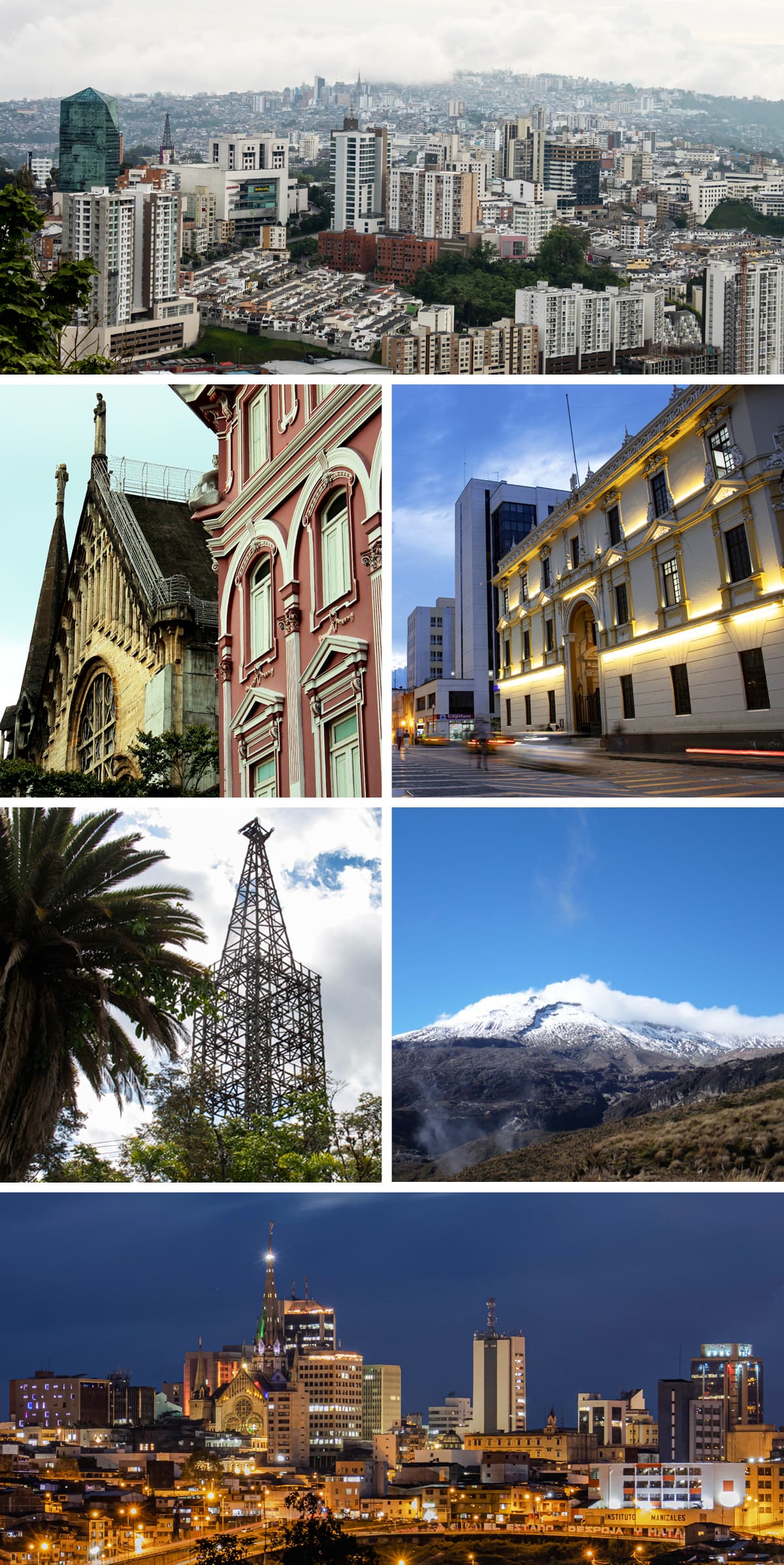 JSJS07 (compilation, sources to attribute see above) / CC BY 2.0, via Wikimedia Commons
Самостоятельная аудиопрогулка по Манисалес — GPS-маршрут, офлайн-воспроизведение, увлекательное повествование на 32 языках.
“Манисалес: Где сущность кофе смешивается с андским величием.”
Не открытки. Истории, которые не знают даже местные жители — шепотом в вашем ухе, прямо там, где они произошли.
Бетонный фасад собора Манисалеса хранит удивительную тайну своего создания.
Эта выдающаяся башня — больше, чем просто достопримечательность; это остаток когда-то амбициозного инженерного проекта.
Чтобы войти в это конкретное кофейное заведение, требуется особое, почти личное действие.
Откройте для себя каждый секрет Манисалес
Каждый адрес, каждое полное раскрытие — в вашем ухе, прямо там, где это произошло.
Вы выбираете остановки. Вы гуляете. Голос раскрывает то, что упускают другие.
Ваш самостоятельный аудиотур по Манисалес готов — выберите свои достопримечательности, выберите свой язык и начните в момент прибытия.
КупитьВ Lume встроен гид дополненной реальности. Поднимите телефон: камера показывает улицу перед вами, а поверх реального изображения светится стрелка, всегда указывающая на вашу следующую остановку — не нужно разбираться с картой и сворачивать не туда. Как и всё в Lume, это работает полностью офлайн.
Манисалес, столица департамента Кальдас, возвышается высоко в Колумбийских Андах на высоте 2153 метра (7090 футов). Известный как «Город открытых дверей» и «Мировая столица кофе», это оживленный университетский город с отчетливым европейским характером. Его драматичный рельеф, отмеченный хребтами и крутыми склонами, предлагает обширные виды, часто с заснеженным вулканом Невадо-дель-Руис, видимым в ясные утра. Манисалес является центральным элементом Колумбийского культурного ландшафта кофе, объекта Всемирного наследия ЮНЕСКО, что делает его обязательным путешествием для всех, кто интересуется путем от зерна к чашке.
Уникальное положение города в центре кофейного региона означает, что воздух постоянно наполнен ароматом свежесваренного кофе, приглашая посетителей исследовать его глубокую кофейную культуру. Помимо кофе, Манисалес представляет собой сочетание природной красоты, культурных событий и оживленной студенческой атмосферы. От исследования облачных лесов и термальных источников до посещения знаменитого театрального фестиваля, Манисалес предлагает разнообразный и увлекательный опыт для путешественников, ищущих подлинное колумбийское приключение.
## От поселения Антиокии до кофейной столицы Манисалес был основан 12 октября 1849 года группой из двадцати поселенцев из департамента Антиокия, известных как «Экспедиция 20». Эти пионеры, родом из Нейры и Саламины, основали поселение в регионе, первоначально известном своим горнодобывающим потенциалом, в частности, серой кварцеподобной породой под названием «манисал». Открытие золота еще больше способствовало колониальной экспансии в этом районе.
Ранняя архитектура города в основном состояла из деревянных домов, построенных по технике бахареке — каркаса из бамбука, заполненного смесью глины и соломы. Однако Манисалес пережил значительные испытания. Он был в значительной степени уничтожен пожарами в 1922, 1925 и 1926 годах, а также пережил землетрясения. Несмотря на эти невзгоды, город проявил замечательную стойкость, постоянно восстанавливаясь и уделяя приоритетное внимание культуре, образованию и промышленности.
В 1905 году Манисалес стал столицей вновь образованного департамента Кальдас, укрепив свое административное значение. Прибытие железной дороги в 1919 году еще больше стимулировало его экономику, связав город с Пуэрто-Калдас, а затем распространившись на Перейру и Армению. С 1950-х по 1970-е годы Манисалес укрепил свою репутацию центра производства кофе в Колумбии, роль, которую он сохраняет и сегодня. Эта преданность кофе в сочетании с предприимчивым духом его поселенцев пайса определила его экономическую и культурную самобытность. В более позднее время Манисалес также вырос в значительный образовательный центр, имея больше университетов на душу населения, чем любой другой колумбийский город, привлекая большое количество студентов. Город также известен своими культурными мероприятиями, включая ежегодную Feria de Manizales, которая началась в 1951 году, и Международный театральный фестиваль, старейший в Латинской Америке.
Собор Catedral Basílica de Nuestra Señora del Rosario является выдающимся ориентиром в Манисалесе. Этот неоготический собор, завершенный в 1939 году, является самым высоким в Колумбии, его высота составляет 106 метров (371 фут). Посетители могут отправиться на экскурсию, чтобы подняться на башню по «Польскому коридору», проходу в клетке с 464 ступенями, откуда открываются обширные виды на город и окружающие горы.
Чтобы увидеть уникальный рельеф города с другой точки зрения, прокатитесь на Cable Aéreo, системе общественного транспорта Манисалеса. Он соединяет центр города с региональным автобусным вокзалом и простирается до Вильямарии, предлагая живописные виды, когда он пересекает хребты и долины города.
Смотровой площадкой Чипре является излюбленным местом, особенно на закате, откуда открываются захватывающие виды на долину и горы. Неподалеку находится Torre del Cable — исторический памятник, последняя сохранившаяся башня оригинальной канатной дороги Манисалес-Марикуита, свидетель ранней инженерии 20-го века.
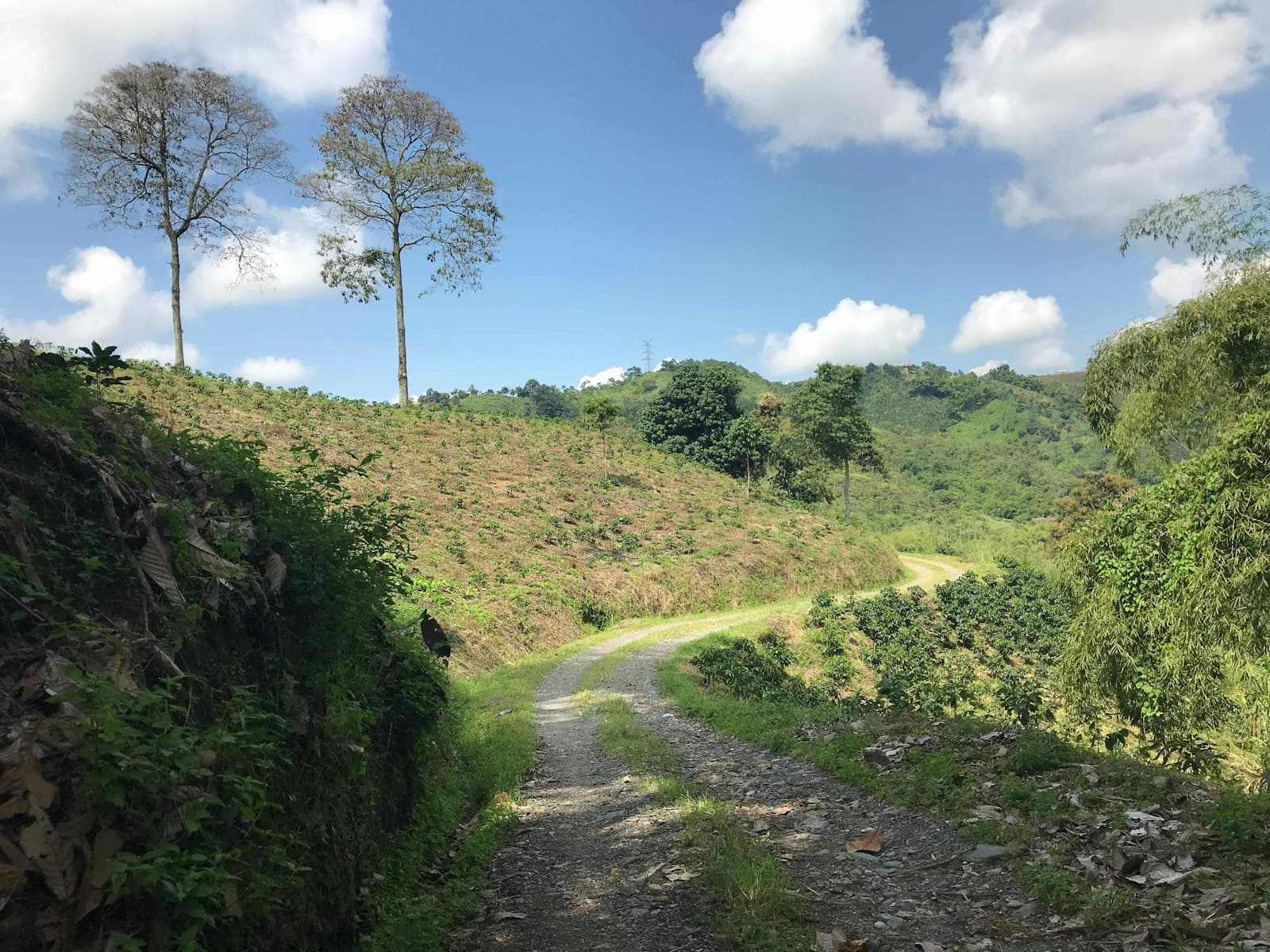
Чтобы глубже изучить основную отрасль региона, рассмотрите поездку на кофейную ферму (финку). Многие предлагают экскурсии, которые разъясняют процесс производства кофе от выращивания до обжарки, а некоторые даже включают дегустации. Среди известных вариантов — Hacienda Venecia, известная своим кофе и опытом проживания в бутик-отеле.
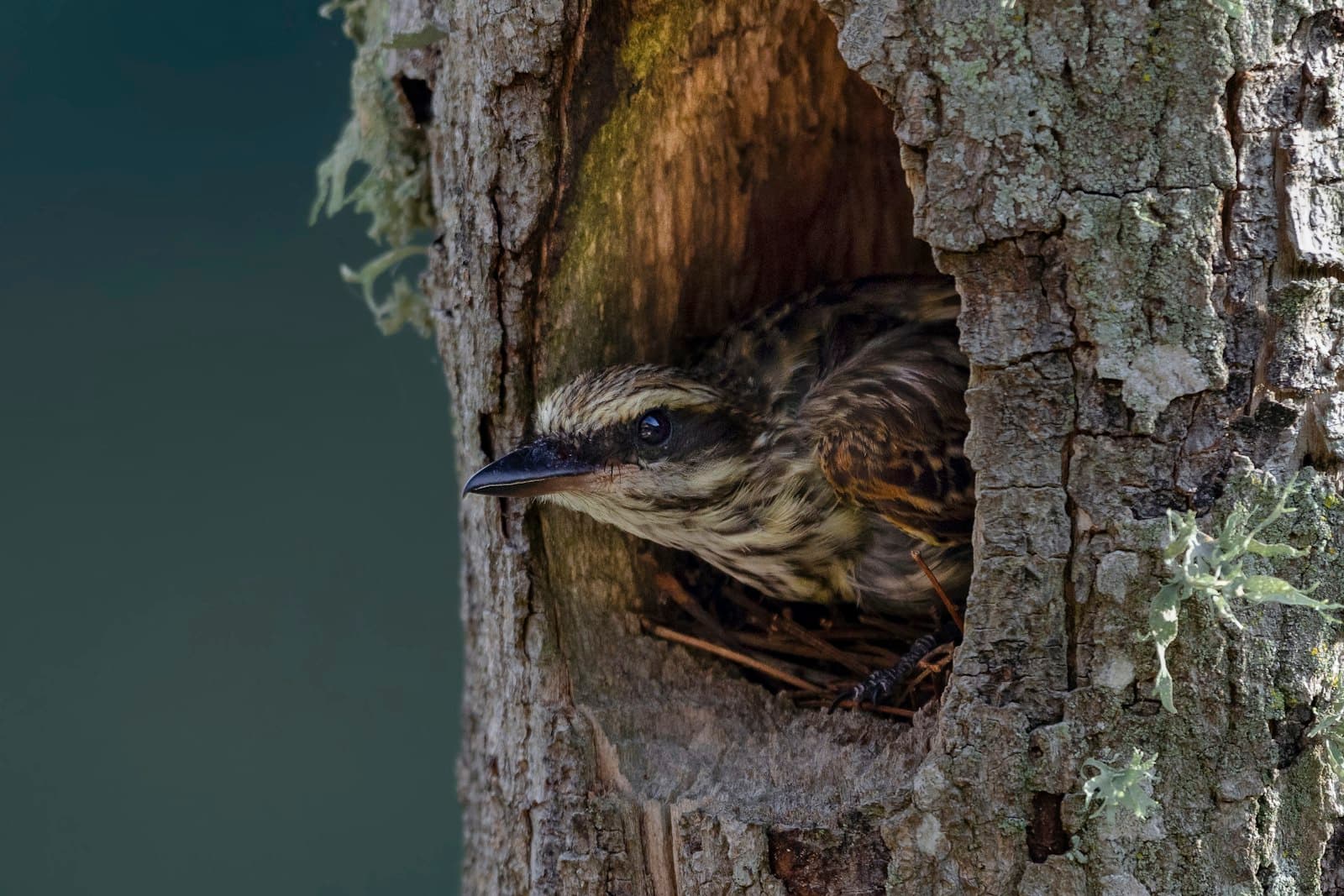
Любители природы могут исследовать Recinto del Pensamiento, природный заповедник в нескольких милях к востоку от города. Здесь проводятся экскурсии по андским растениям, есть дом бабочек и обсерватория для колибри. Другой вариант — Ecoparque Los Yarumos, который предлагает лесные тропы, интерактивные научные выставки и виды на горизонт Манисалеса.
В Манисалесе круглый год царит умеренный и приятный климат со средней температурой 17°C (63°F). Хотя традиционных сезонов нет, в Колумбии есть сухие и дождливые периоды. Наиболее благоприятное время для активного отдыха и туризма — с середины июня до начала сентября и с конца декабря до начала февраля. Эти периоды обычно характеризуются более ясным небом, хотя небольшой дождь все еще возможен.
Если вас интересуют культурные мероприятия, Feria de Manizales проходит в январе и включает корриду, парады, концерты и конкурс Мисс Кофейной Королевы. Международный театральный фестиваль Манисалеса проводится между сентябрем и октябрем. Для любителей кофе октябрь и ноябрь — идеальное время, чтобы увидеть основной сбор урожая кофе и деревья в полном цвету.
Манисалес находится на высоте 2160 метров (7090 футов), поэтому в первый день стоит вести себя спокойно, чтобы привыкнуть к высоте и пить достаточно жидкости. Местная валюта — колумбийский песо (COP). Хотя кредитные карты принимаются в крупных заведениях, наличные предпочтительнее для мелких магазинов, уличной еды и общественного транспорта. Банкоматы легко доступны, и рекомендуется иметь при себе мелкие купюры для такси и чаевых. Чаевые в размере около 10% являются обычным делом в ресторанах, если они не включены в счет.
Манисалес в целом считается одним из самых безопасных городов Колумбии с более низким уровнем преступности, чем в крупных городских центрах. Однако всегда разумно быть внимательным к своему окружению, особенно ночью, и избегать прогулок в одиночку в определенных районах. Общественный транспорт включает обширную автобусную сеть и Cable Aéreo, который является как практичным способом передвижения по холмистому городу, так и туристической достопримечательностью, предлагающей великолепные виды. Такси также многочисленны и доступны по цене.
Аэропорт Ла-Нубия (MZL) предлагает внутренние рейсы, в основном в Боготу и Медельин, но его работа может зависеть от погоды из-за горного рельефа. Более надежной альтернативой для международных рейсов является международный аэропорт Матеканья (PEI) в близлежащей Перейре, примерно в 1-1,5 часах езды. Автобусы являются распространенным способом добраться до Манисалеса из крупных городов, таких как Богота, Медельин и Кали, а автобусный терминал связан с центром города с помощью Cable Aéreo.
Манисалес: корейский, китайский, иврит и ещё 29 языков — каждую остановку озвучивает носитель языка. Самый широкий выбор языков среди аудиоэкскурсий без гида.
Доступные языки: