Trilha Punta Catedral
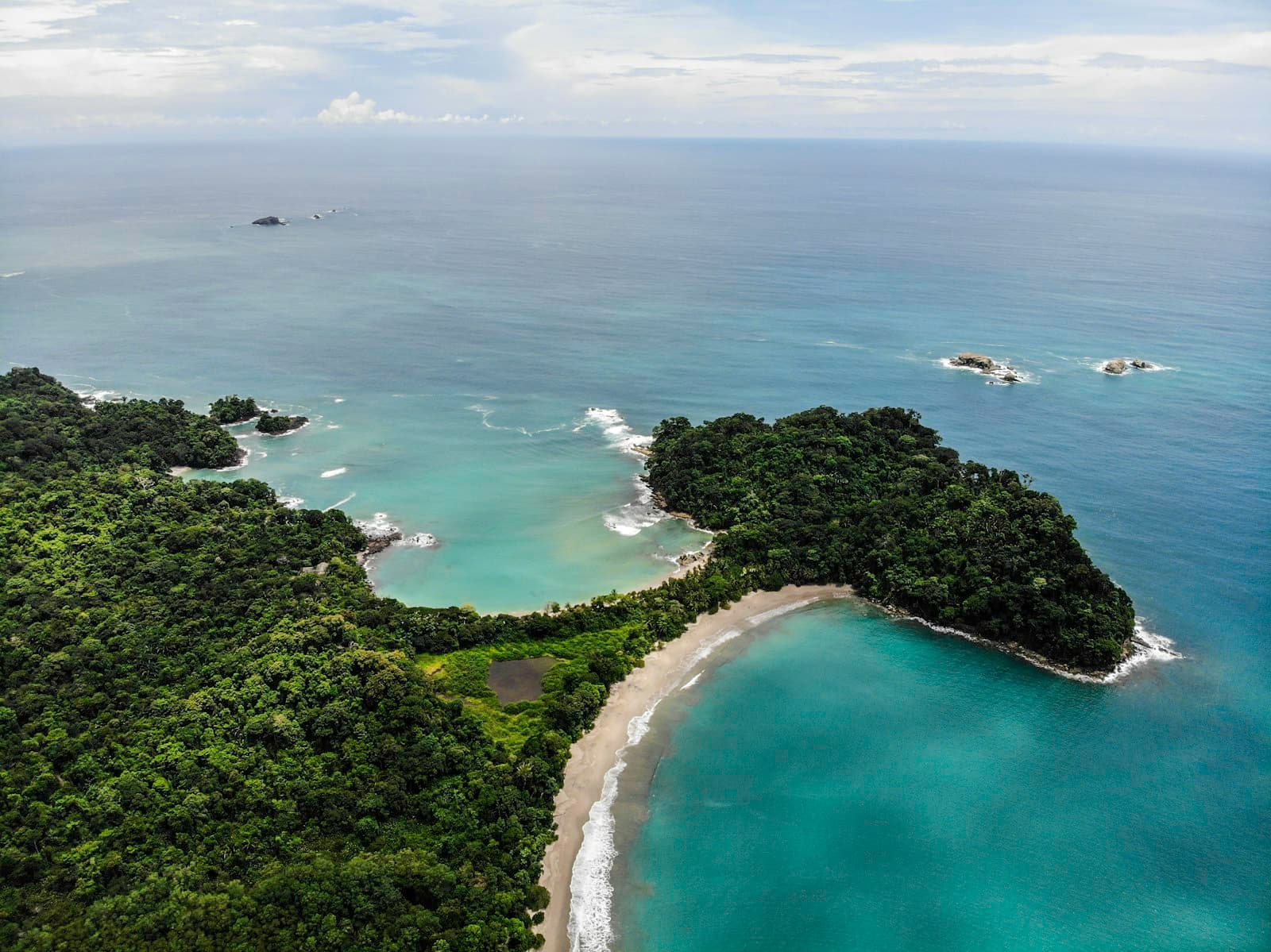
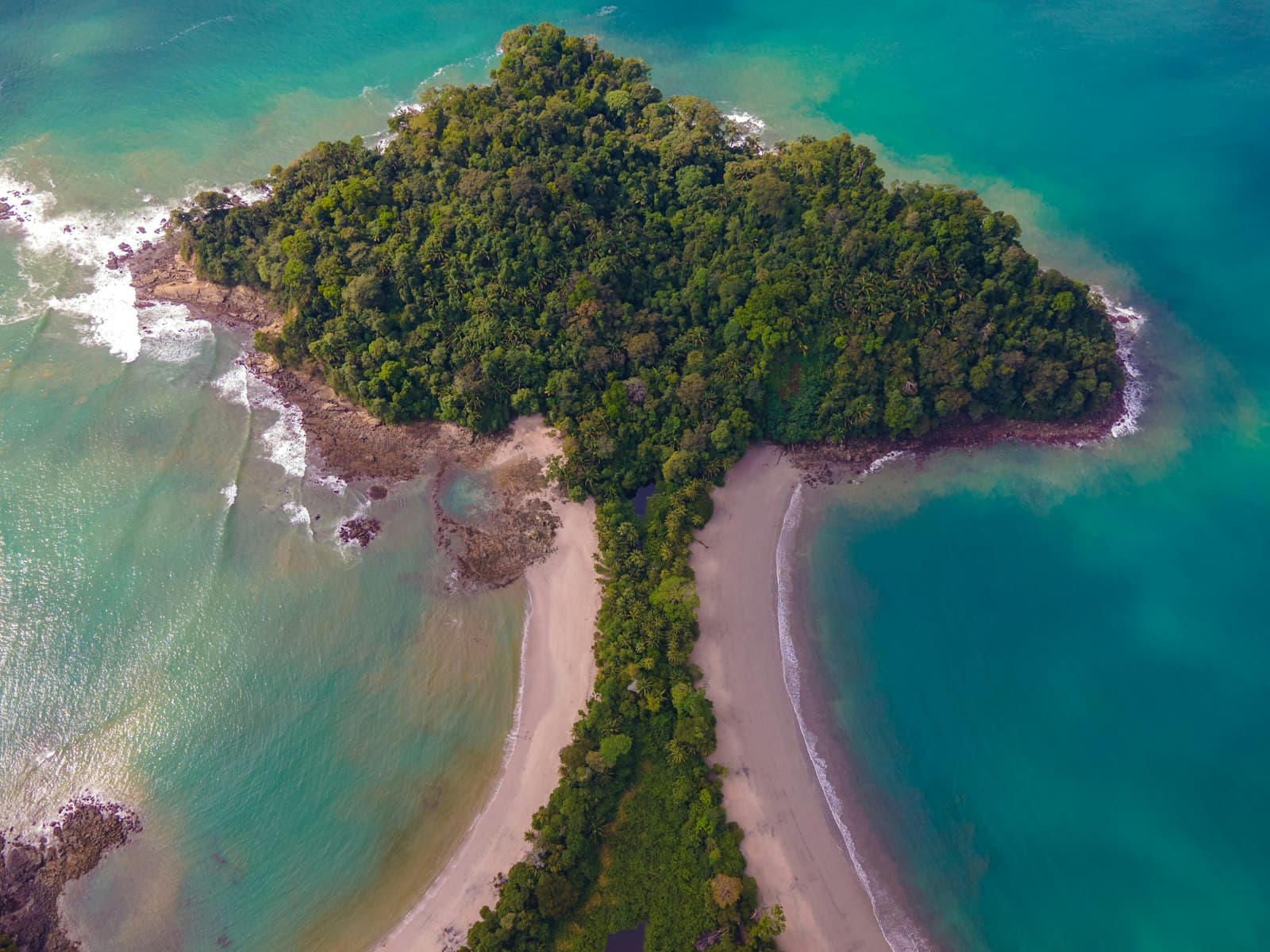
O caminho para Punta Catedral revela um segredo geológico que remodelou a linha costeira.
História completa desbloqueada no tour
 No machine-readable author provided. Jakes19 assumed (based on copyright claims). / Public domain, via Wikimedia Commons
Tour de áudio autoguiado por Manuel Antonio — rota GPS a pé, reprodução offline, narração envolvente em 32 idiomas.
“Onde a floresta tropical encontra o Pacífico, e criaturas selvagens vagam livremente.”
Não os postais. As histórias que nem os locais conhecem — sussurradas ao seu ouvido, exatamente onde aconteceram.
O caminho para Punta Catedral revela um segredo geológico que remodelou a linha costeira.
A cidade de Quepos guarda uma pista para um lendário tesouro enterrado.
O nome do parque pode não ser tão antigo quanto sua beleza natural.
Descubra cada segredo de Manuel Antonio
Cada endereço, cada revelação na íntegra — no seu ouvido, exatamente onde aconteceu.
Você escolhe as suas paragens. Você caminha. A voz revela o que os outros perdem.
O seu tour áudio autoguiado de Manuel Antonio está pronto — escolha os seus pontos de interesse, selecione o seu idioma e comece no momento em que chegar.
ComprarA Lume inclui um guia de realidade aumentada. Levante o telemóvel: a câmara mostra a rua à sua frente, com uma seta luminosa sobreposta à imagem real que aponta sempre para a sua próxima paragem — sem mapa para decifrar, sem voltas erradas. Como tudo na Lume, funciona totalmente offline.
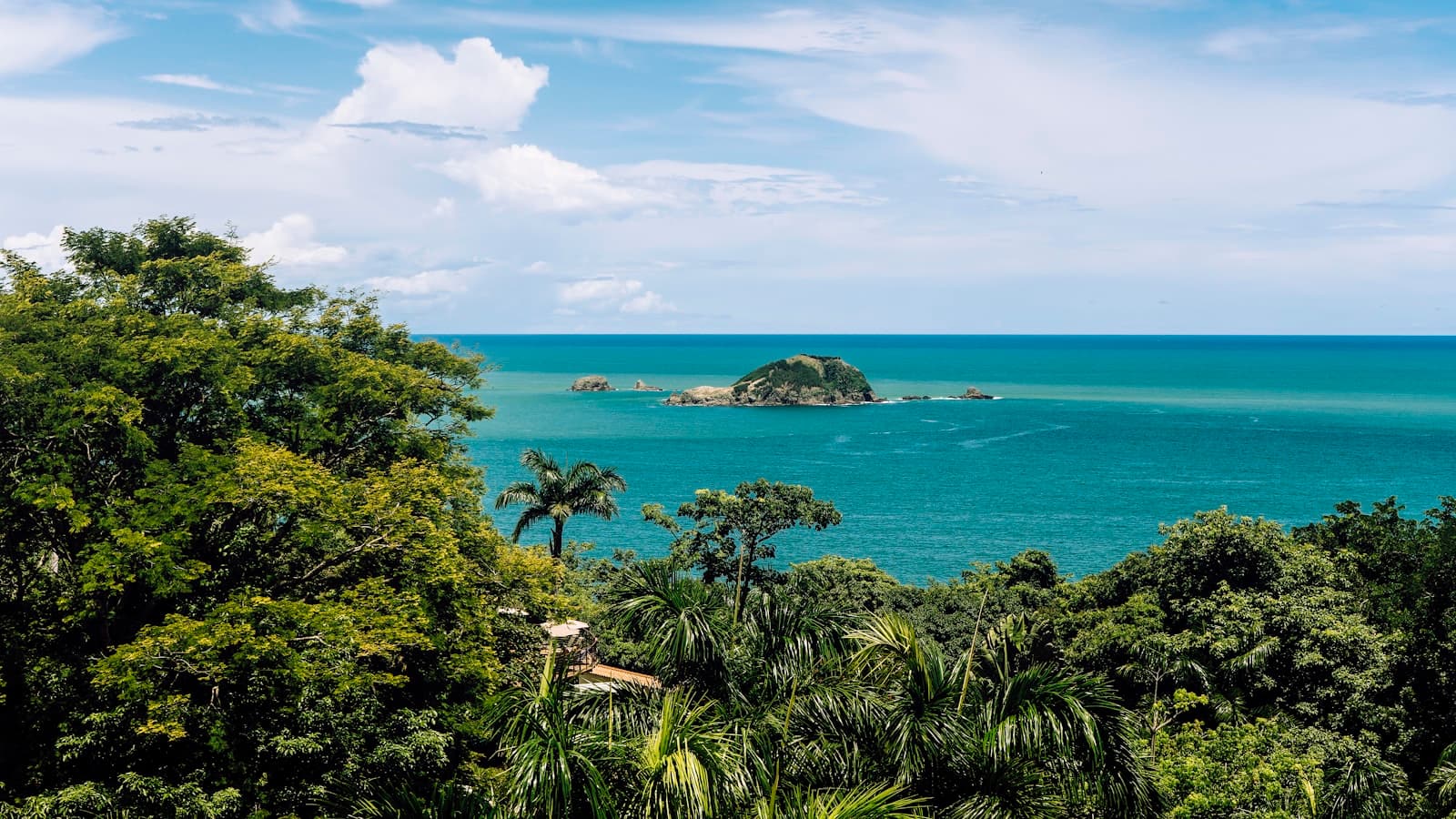
Manuel Antonio, Costa Rica, é uma cidade costeira onde florestas tropicais verdejantes encontram praias imaculadas de areia branca. É um lugar onde o ethos "Pura Vida" da Costa Rica — a filosofia da vida pura — é palpável, convidando os visitantes a mergulharem em uma experiência relaxante e centrada na natureza. O principal atrativo da região é o Parque Nacional Manuel Antonio, uma área protegida compacta, mas incrivelmente biodiversa, que consistentemente se classifica entre os destinos mais frequentados da Costa Rica.
Esta área, que abrange floresta tropical, praias e promontórios rochosos, já foi reconhecida pela revista Forbes como um dos parques nacionais mais bonitos do mundo. Dentro de seus limites, e nas áreas circundantes, prospera uma notável variedade de vida selvagem, incluindo macacos, preguiças, iguanas e centenas de espécies de pássaros. Além das maravilhas naturais do parque, Manuel Antonio e a cidade adjacente de Quepos oferecem uma mistura de cultura local, gastronomia e atividades de aventura, tornando-o um destino multifacetado para todos os tipos de viajantes.
A história de Manuel Antonio e da vizinha cidade de Quepos é uma narrativa de resiliência indígena, transformação colonial e conservação ambiental. A região foi originalmente habitada pelo povo Quepoa, um grupo indígena relacionado aos povos Boruca e Muisca, que se estabeleceram na área entre 950–900 a.C. Seu principal assentamento ficava em uma colina de frente para o que hoje é a cidade de Quepos. Os Quepoa eram habilidosos em pesca, caça e agricultura, chegando a construir armadilhas circulares de pedra ao longo da costa para capturar tartarugas marinhas.
O primeiro contato europeu ocorreu em 1519, quando o explorador Hernán Ponce de León avistou a Baía de Quepos, mas foi recebido com forte resistência dos Quepoa. Em 1523, Gil González Dávila chegou por terra, descrevendo a região como abundante em ouro e impondo tributos aos habitantes. A conquista final veio em 1563 com Juan Vázquez de Coronado, que formou uma aliança com o Chefe Corrohore. No entanto, a dominação espanhola levou a um declínio drástico na população indígena devido a doenças, exploração e conflitos, com muitos sobreviventes eventualmente se mudando para Boruca por volta de 1746.
Por séculos, Manuel Antonio permaneceu em grande parte subdesenvolvido. Na década de 1920, a família Lutz e, posteriormente, a United Fruit Company iniciaram o cultivo de banana em larga escala na região. Isso levou a um desenvolvimento significativo em Quepos, com a construção de docas, ferrovias, moradias, um hospital e escolas. Quepos se tornou um importante porto para exportação de bananas para os EUA e Europa, atraindo milhares em busca de oportunidades econômicas. No entanto, em meados da década de 1950, pragas, doenças, inundações e conflitos trabalhistas causaram o declínio da indústria bananeira. A região então transitou para o cultivo de dendezeiro, cacau e teca.
Nas décadas de 1960 e 1970, o aumento da pressão de investidores estrangeiros levou à privatização de muitas áreas costeiras, restringindo o acesso local. Isso desencadeou um movimento comunitário, culminando na declaração do Parque Nacional Manuel Antonio em 1972 sob a Lei nº 5100. Inicialmente chamado de 'Parque Recreativo Nacional Manuel Antonio', ele protegia aproximadamente 1.983 hectares de terra e 55.000 hectares de área marinha. Este estabelecimento marcou uma vitória para o ativismo local, garantindo o acesso público e a conservação da biodiversidade da área. Desde a década de 1980, o turismo se tornou o principal motor econômico, com hotéis e vilas se desenvolvendo ao longo da costa, transformando Manuel Antonio no destino popular que é hoje.
O Parque Nacional Manuel Antonio é a principal atração, uma área pequena, mas incrivelmente biodiversa. Dentro do parque, você encontrará uma rede de trilhas bem conservadas, que variam de caminhadas fáceis a trilhas mais desafiadoras, oferecendo oportunidades para avistar vida selvagem como macacos-prego, bugios e saguis, preguiças, iguanas e várias espécies de pássaros. A trilha principal é um caminho plano e arenoso de 1,3 milhas que conecta as praias do parque, adequado para todas as idades. Para uma rota mais desafiadora, a trilha Punta Catedral é um circuito de 0,9 milhas com algumas inclinações íngremes, oferecendo vistas da floresta tropical e do mar.
O parque também possui várias praias, incluindo Playa Manuel Antonio, conhecida por suas águas calmas e azul-turquesa, ideais para nadar e mergulhar com snorkel. Playa Espadilla Sur e Playa Gemelas oferecem opções mais tranquilas e isoladas. Fora do parque, Playa Espadilla Norte é uma praia pública animada com oportunidades para surfe, parasail e jet ski. Playa Biesanz, uma enseada menor, é um local tranquilo preferido por mergulhadores com snorkel.
Além do parque, considere um passeio de barco ou caiaque pelo Estuário de Manguezal da Ilha Damas para observar crocodilos, macacos e diversas espécies de pássaros em um ecossistema único. Para os aventureiros, o tirolesa através do dossel da floresta tropical oferece uma dose de adrenalina e vistas panorâmicas.
Manuel Antonio experimenta duas estações principais: a estação seca (meados de dezembro a maio) e a estação verde ou chuvosa (maio a novembro). A estação seca é a época mais popular para visitar, caracterizada por céus ensolarados, temperaturas quentes (média de 31-33°C ou 88-91°F) e chuvas mínimas, tornando-a ideal para atividades de praia e observação da vida selvagem. Janeiro e fevereiro são tipicamente os meses mais secos.
A estação verde traz paisagens exuberantes e vida selvagem mais ativa, com menos turistas e acomodações e passeios frequentemente com desconto. Embora as chuvas da tarde sejam comuns, as manhãs geralmente são claras. Setembro e outubro são os meses mais chuvosos, com a maior umidade, e alguns hotéis e restaurantes podem fechar. Os meses intermediários, como abril e novembro, oferecem um equilíbrio de clima de transição, preços moderados e menos multidões.
O Parque Nacional Manuel Antonio está aberto de quarta a segunda-feira, das 7h às 16h, e fechado às terças-feiras. As praias dentro do parque fecham às 15h. As taxas de entrada para adultos não residentes são de aproximadamente US$ 18, e US$ 5 para crianças de 2 a 12 anos. Os ingressos devem ser comprados online no site oficial do SINAC com antecedência, pois não são vendidos na entrada. É aconselhável reservar com 2-3 semanas de antecedência durante a alta temporada, pois o número diário de visitantes é limitado a cerca de 1200 pessoas.
Locomover-se em Manuel Antonio e Quepos é viável sem carro. Ônibus públicos circulam regularmente (a cada 15-30 minutos) pela estrada principal entre Quepos e a entrada do parque, custando cerca de 410 CRC (aproximadamente US$ 0,75) por viagem. Táxis oficiais vermelhos também estão prontamente disponíveis. Embora caminhar seja agradável nas praias e na Marina Pez Vela de Quepos, a estrada principal em Manuel Antonio tem colinas íngremes, calçadas limitadas e tráfego intenso, tornando-a menos adequada para caminhar. Serviços de translado também estão disponíveis para transferências de grandes cidades como San José.
Manuel Antonio — coreano, chinês, hebraico e mais 29 idiomas, cada parada narrada por uma voz nativa. A maior variedade de idiomas entre os passeios de áudio autoguiados.
Disponível em: