Villa Victoria
Diese prächtige Holzvilla, einst Rückzugsort einer prominenten argentinischen Intellektuellen, kam auf ungewöhnliche Weise in Mar del Plata an.
Die ganze Geschichte wird in der Tour freigeschaltet
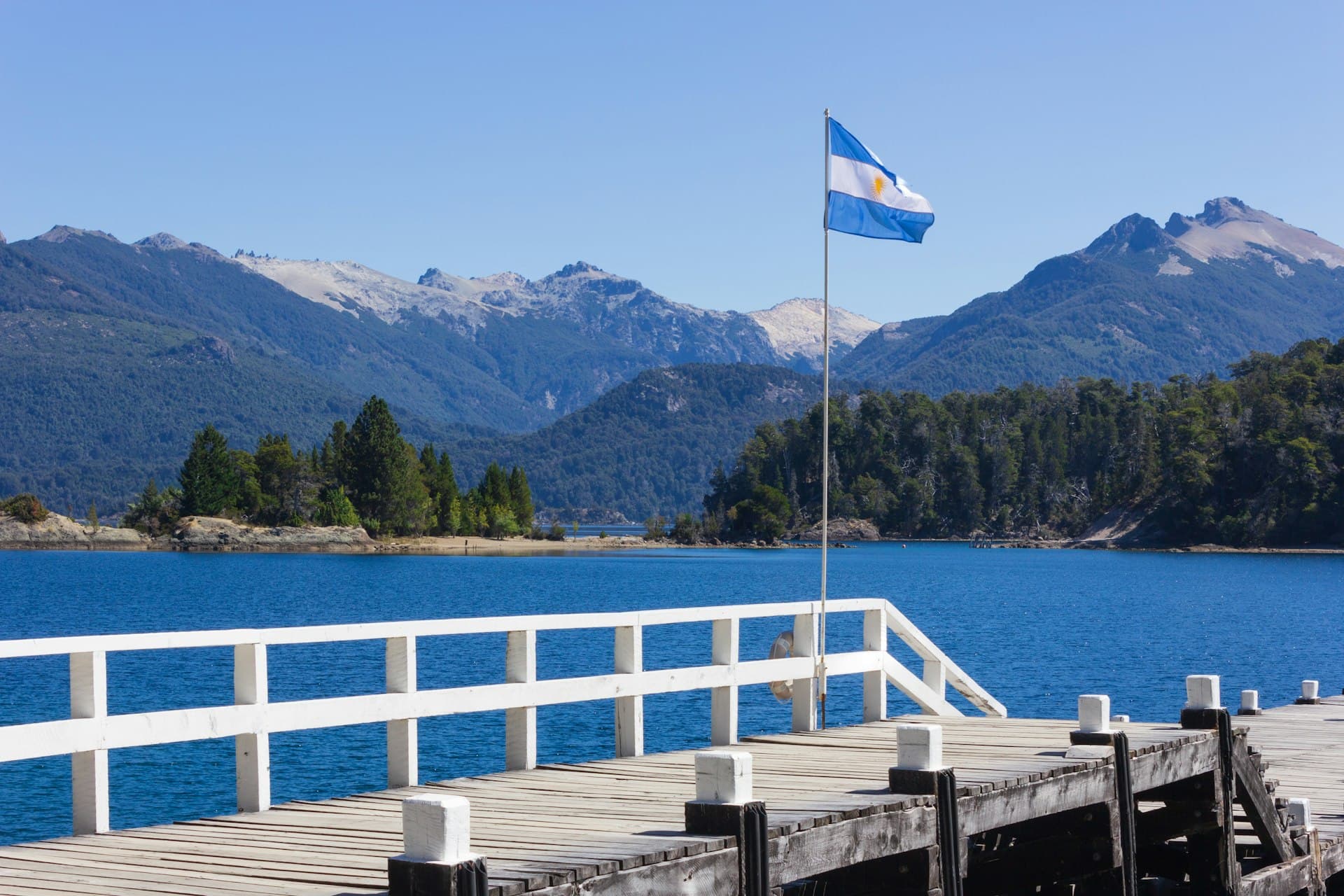 Photo: Fernando Távora / Unsplash
Selbstgeführte Audio-Walking-Tour durch Mar del Plata — GPS-Route, Offline-Wiedergabe, erzählerische Narration in 32 Sprachen.
“Mar del Plata: Wo der Atlantik von altem Glanz und lebhaften Küsten flüstert.”
Nicht die Postkarten. Die Geschichten, die selbst Einheimische nicht kennen – dir ins Ohr geflüstert, genau dort, wo sie geschahen.
Diese prächtige Holzvilla, einst Rückzugsort einer prominenten argentinischen Intellektuellen, kam auf ungewöhnliche Weise in Mar del Plata an.
Die ikonischen Seelöwenstatuen, die den Hauptstrand bewachen, sind nicht die einzigen künstlerischen Huldigungen der Stadt an diese Meeressäuger.
Mar del Plata ist die unerwartete Geburtsstätte eines beliebten argentinischen Pastagerichts, das es nirgendwo sonst gibt.
Entdecke jedes Geheimnis von Mar del Plata
Jede Adresse, jede Enthüllung vollständig – in deinem Ohr, genau dort, wo es geschah.
Du wählst deine Stationen. Du gehst. Die Stimme enthüllt, was andere übersehen.


Deine selbstgeführte Audio-Tour durch Mar del Plata ist bereit – wähle deine Sehenswürdigkeiten, deine Sprache und starte, sobald du ankommst.
KaufenLume enthält einen integrierten Augmented-Reality-Guide. Halten Sie Ihr Handy hoch: Die Kamera zeigt die Straße vor Ihnen, mit einem leuchtenden Pfeil über dem echten Bild, der immer auf Ihren nächsten Stopp zeigt — keine Karte zum Rätseln, keine falschen Abzweigungen. Wie alles bei Lume funktioniert es komplett offline.
Mar del Plata, oft liebevoll als „La Feliz“ (Die glückliche Stadt) bekannt, ist Argentiniens führender Badeort, eine dynamische Metropole, in der der Puls eines urbanen Zentrums auf den beruhigenden Rhythmus einer Strandstadt trifft. An der Atlantikküste der Provinz Buenos Aires gelegen, ist es ein geschätzter Sommerfluchtort für Millionen von Einheimischen und internationalen Besuchern und hat eine ständige Bevölkerung von über 680.000 Einwohnern.
Mit einer 47 Kilometer langen Küstenlinie enthüllt Mar del Plata eine abwechslungsreiche Landschaft aus weitläufigen Sandstränden, breiten Buchten und dramatischen Klippen. Neben seinen gefeierten Stränden bietet die Stadt eine reiche Auswahl an kulturellen Erlebnissen, historischen Sehenswürdigkeiten, Kunstgalerien, Museen und lebhaften Einkaufsvierteln. Einst ein elegantes Reiseziel für wohlhabende Familien, hat sich Mar del Plata so entwickelt, dass es für alle Budgets geeignet ist, was es zu einem zugänglichen und dynamischen Reiseziel macht.
Die Stadt definiert sich nicht nur durch Freizeit; sie ist auch ein bedeutender Fischereihafen, der als einer der wichtigsten in Argentinien und Lateinamerika gilt. Dieses tiefe maritime Erbe spiegelt sich in seinem geschäftigen Hafengebiet und seiner gefeierten Meeresfrüchteküche wider. Mar del Platas einzigartige Kombination aus natürlicher Schönheit, kultureller Tiefe und lebendiger Atmosphäre verspricht ein unvergessliches Erlebnis für jeden Reisenden.
Die Küstenlandschaft von Mar del Plata wurde erstmals 1581 von Juan de Garay, dem zweiten Gründer von Buenos Aires, erkundet. Vor der offiziellen Gründung der Stadt gab es 1746 einen Kolonisierungsversuch, als der Jesuitenorden die Mission Nuestra Señora del Pilar in der Nähe der Laguna de los Padres gründete. Die Furcht vor Angriffen des indigenen Tehuelche-Häuptlings Cangapol führte jedoch 1751 zu ihrer Aufgabe.
Der eigentliche Vorgänger von Mar del Plata war eine Industrieansiedlung, die um eine 1857 vom portugiesischen Unternehmer José Coelho de Meyrelles erbauten Fleischpökelanlage (Saladero) entstand. Dieses Unternehmen bestand jedoch nur wenige Jahre. 1860 erwarb Patricio Peralta Ramos drei Ländereien von Meyrelles und setzte sich, seine Potenziale erkennend, für die Anlage als Badeort ein. Mar del Plata wurde am 10. Februar 1874 durch ein Dekret der Regierung, initiiert von Peralta Ramos, offiziell gegründet.
Ein entscheidender Moment für das Wachstum von Mar del Plata war die Ankunft des ersten Personenzugs aus Buenos Aires im Jahr 1886. Diese Eisenbahnverbindung verkürzte die Reisezeit erheblich und öffnete die Küste für die Elite der Hauptstadt, was einen Bauboom auslöste. Inspiriert von französischen Küstenstädten wurde Mar del Plata schnell zum Sommerdomizil der argentinischen Oberschicht und erhielt den Spitznamen „das argentinische Biarritz“. Das luxuriöse Bristol Hotel, das 1888 eröffnet wurde, wurde zu einem sozialen Zentrum für die Elite von Buenos Aires. Die Siedlung wurde 1907 offiziell zur Stadt erklärt.
Das frühe 20. Jahrhundert sah einen Zustrom europäischer Einwanderer, insbesondere Italiener und Spanier, die das wirtschaftliche und kulturelle Gefüge der Stadt bereicherten. Der Bau eines Tiefseehafens im Jahr 1916 durch eine französische Firma stärkte die Fischereiindustrie weiter und verwandelte Mar del Plata in Argentiniens größten Fischereihafen. Bis Ende der 1920er Jahre war Mar del Plata Argentiniens führender Badeort.
In den 1930er und 40er Jahren entwarf der Architekt Alejandro Bustillo ikonische Bauwerke wie den Central Casino-Komplex und das Grand Hotel Provincial. Die 1940er Jahre brachten mit Juan Peróns Sozialreformen eine bedeutende Wende, die den Tourismus demokratisierten und Strandurlaube für eine breitere Bevölkerungsschicht zugänglich machten, was zum Bau preisgünstigerer Hotels führte. Die 1950er und 60er Jahre markierten eine Periode wirtschaftlicher Expansion und eines Baubooms, wobei Mar del Plata eine der höchsten Bauraten weltweit verzeichnete. Heute bleibt Mar del Plata eine dynamische Stadt, die ihren historischen Reiz mit zeitgenössischen Attraktionen und einer lebendigen Kulturlandschaft verbindet.
Beginnen Sie Ihre Reise am Playa Bristol, dem wichtigsten Touristenstrand mit Blick auf das prächtige Casino Central. Diese Gegend ist eine soziale Institution, oft voller Aktivität, und beherbergt die berühmten Seelöwen-Skulpturen. Für ein ruhigeres Stranderlebnis fahren Sie zum Punta Mogotes mit seinen weitläufigen, ruhigen Ufern oder erkunden Sie Playa Grande, bekannt für seine Surfmöglichkeiten und seine lebendige Atmosphäre. Weiter nördlich bietet Playa de los Ingleses eine friedlichere Umgebung mit felsigen Formationen.
Spazieren Sie entlang der Uferpromenade zum Torreón del Monje, einem historischen Turm aus dem Jahr 1904, der an eine gotische Burg erinnert und einen atemberaubenden Meerblick bietet. Tauchen Sie im Puerto de Mar del Plata, einem geschäftigen Fischereihafen, in den maritimen Kern der Stadt ein, wo Sie bunte Fischerboote beobachten, Meeresfrüchtemärkte durchstöbern und eine Kolonie von Seelöwen auf den Docks ruhen sehen können.
Für kulturelle Eindrücke besuchen Sie das Juan Carlos Castagnino Municipal Museum of Art, das sich in der eleganten Villa Ortiz Basualdo befindet, einem Paradebeispiel der Architektur von Mar del Plata aus dem frühen 20. Jahrhundert. Das Museo MAR (Museum für Zeitgenössische Kunst) ist ein Muss, bekannt für sein markantes Design und die riesige Seelöwen-Skulptur aus Alfajor-Verpackungen an seinem Eingang. Verpassen Sie nicht die Villa Victoria, die ehemalige Holz-Sommerresidenz der Schriftstellerin Victoria Ocampo, heute ein Kulturzentrum mit Kunstausstellungen und klassischen Musikveranstaltungen.
Schlendern Sie die Güemes Street entlang, eine belebte Straße, die für ihre raffinierten Geschäfte, Einrichtungsboutiquen und modischen Cafés bekannt ist. Für einzigartige handgefertigte Souvenirs, die den italienischen und spanischen Einfluss der Stadt widerspiegeln, besuchen Sie die Diagonal de los Artesanos.
Die beliebteste Reisezeit für Mar del Plata sind die Sommermonate von Dezember bis März, wenn das Wetter warm und sonnig ist. Januar und Februar sind die Hauptsaison mit überfüllten Stränden und einer lebhaften Atmosphäre, da Millionen von Argentiniern die Stadt besuchen. Rechnen Sie mit Tagestemperaturen um 25-27°C (77-81°F). Für diejenigen, die ein weniger überfülltes Erlebnis mit angenehmem Wetter und reduzierten Preisen suchen, empfiehlt sich ein Besuch in den Übergangszeiten von März-April und November. Obwohl die Stadt außerhalb des Sommers ruhiger ist, sorgen die 700.000 Einwohner das ganze Jahr über dafür, dass es immer etwas zu erleben gibt.
Mar del Plata verfügt über eine ausgezeichnete Anbindung. Sie können mit dem Flugzeug über den internationalen Flughafen Ástor Piazzolla (MDQ) anreisen, der Inlandsflüge abwickelt und etwa 8,4 km vom Stadtzentrum entfernt liegt. Fernbusse sind eine komfortable und beliebte Option von Buenos Aires und anderen größeren Städten, die Fahrt dauert etwa 5 Stunden. Ein malerischer Zugservice vom Bahnhof Constitución in Buenos Aires ist ebenfalls verfügbar und dauert etwa 6 Stunden.
Innerhalb der Stadt bieten öffentliche Busse eine günstige Reisemöglichkeit, und Taxis sind leicht verfügbar. Ein Mietwagen bietet Flexibilität für Erkundungen außerhalb des Stadtzentrums, beachten Sie jedoch die Verkehrskameras auf der Ruta 2 von Buenos Aires. Denken Sie für Strandausflüge daran, Badebekleidung und Sonnencreme mitzubringen, aber tragen Sie immer eine leichte Jacke oder einen Pullover für kühlere Abende, auch im Sommer. Bei einem Besuch im Winter sind dicke Mäntel und Windjacken unerlässlich. Argentinien verwendet Steckdosen vom Typ I (zwei flache, abgewinkelte Stifte).
Mar del Plata — Koreanisch, Chinesisch, Hebräisch und 29 weitere Sprachen, jede Station von einer muttersprachlichen Stimme erzählt. Die größte Sprachauswahl aller selbstgeführten Audiotouren.
Verfügbar auf: