Avenida del Mar
Sie könnten an einer Sammlung von Meisterwerken vorbeigehen, ohne deren überraschenden Ursprung zu erkennen.
Die ganze Geschichte wird in der Tour freigeschaltet
 Milan Trninic (www.wedesignmarbella.com) / CC BY-SA 4.0, via Wikimedia Commons
Selbstgeführte Audio-Walking-Tour durch Marbella — GPS-Route, Offline-Wiedergabe, erzählerische Narration in 32 Sprachen.
“Jenseits des Glanzes, wo alte Gassen auf sonnenverwöhnte Küsten treffen.”
Nicht die Postkarten. Die Geschichten, die selbst Einheimische nicht kennen – dir ins Ohr geflüstert, genau dort, wo sie geschahen.
Sie könnten an einer Sammlung von Meisterwerken vorbeigehen, ohne deren überraschenden Ursprung zu erkennen.
Die charmanten weiß getünchten Straßen bergen ein Geheimnis über Marbellas industrielle Vergangenheit, lange bevor der Luxustourismus Einzug hielt.
Diese ikonische Straße hat einen Namen, der ein wenig irreführend ist.
Entdecke jedes Geheimnis von Marbella
Jede Adresse, jede Enthüllung vollständig – in deinem Ohr, genau dort, wo es geschah.
Du wählst deine Stationen. Du gehst. Die Stimme enthüllt, was andere übersehen.
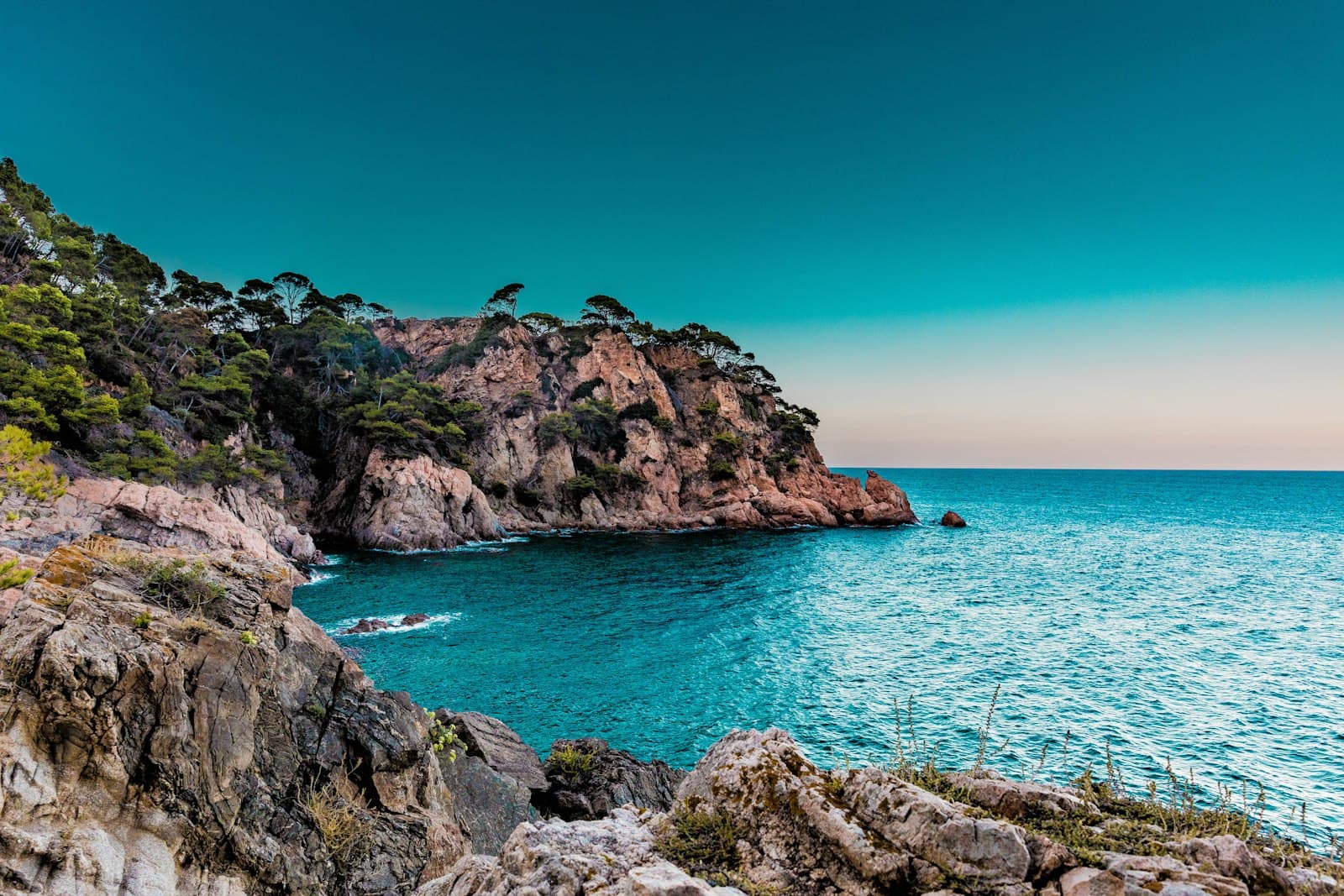

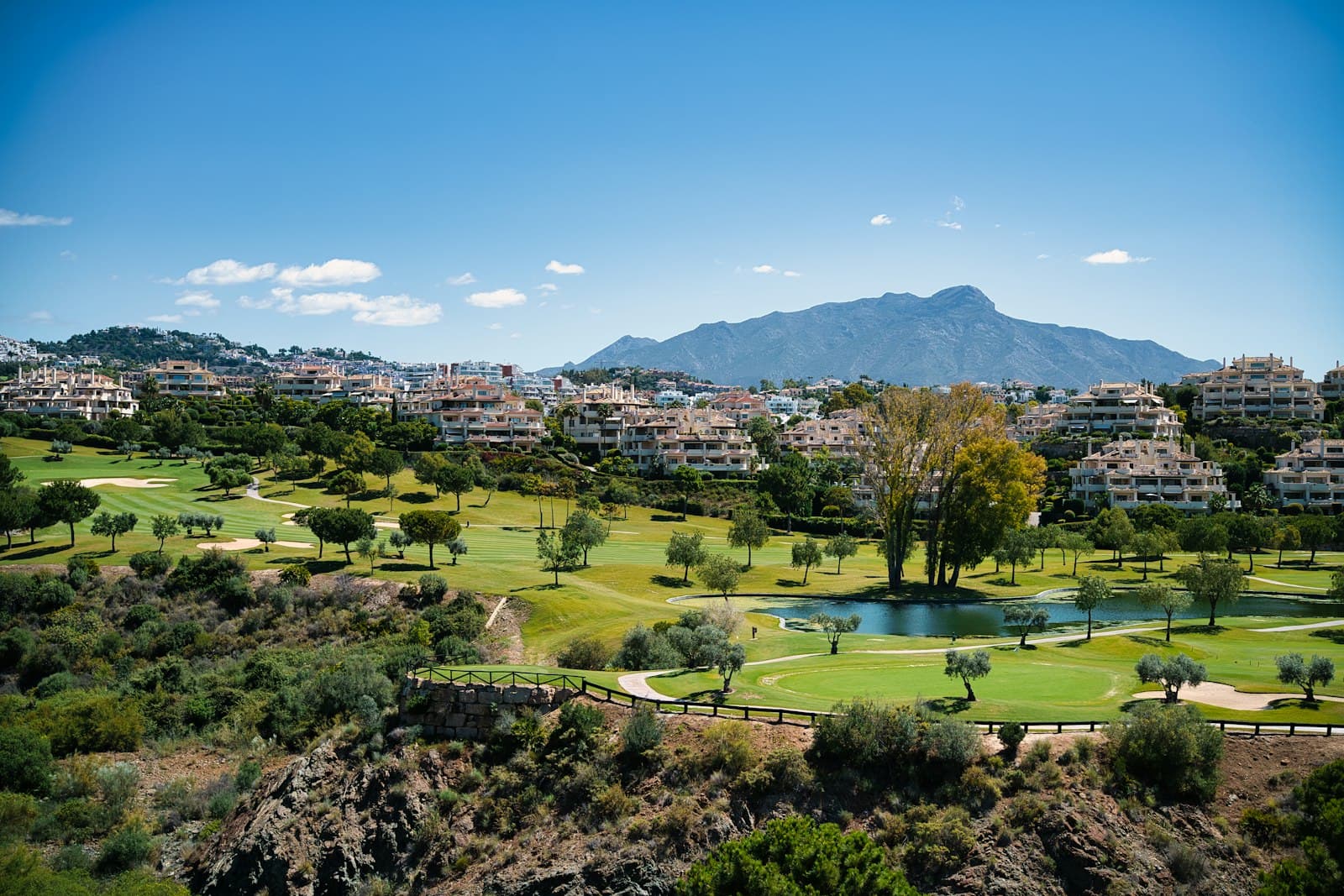
Deine selbstgeführte Audio-Tour durch Marbella ist bereit – wähle deine Sehenswürdigkeiten, deine Sprache und starte, sobald du ankommst.
KaufenLume enthält einen integrierten Augmented-Reality-Guide. Halten Sie Ihr Handy hoch: Die Kamera zeigt die Straße vor Ihnen, mit einem leuchtenden Pfeil über dem echten Bild, der immer auf Ihren nächsten Stopp zeigt — keine Karte zum Rätseln, keine falschen Abzweigungen. Wie alles bei Lume funktioniert es komplett offline.
Marbella, eine sonnenverwöhnte Stadt an Spaniens Costa del Sol, wird oft mit einem glamourösen, luxuriösen Lebensstil assoziiert. Es ist ein Ort, an dem Superyachten im Puerto Banús anlegen, Designermode exklusive Alleen säumt und erstklassige Golfplätze sich über üppige Landschaften erstrecken. Doch jenseits des modernen Glanzes bewahrt Marbella ein tiefes Gefühl von Geschichte und andalusischem Charme, insbesondere in seiner Altstadt, dem Casco Antiguo.
Umrahmt von den Bergen der Sierra Blanca und dem Mittelmeer profitiert Marbella von einem einzigartigen Mikroklima, das das ganze Jahr über angenehme Temperaturen bietet. Diese Küstenstadt verbindet nahtlos ihre antike Vergangenheit mit zeitgenössischer Raffinesse und bietet Besuchern ein vielfältiges Erlebnis. Ob Sie Entspannung an den vielen Stränden suchen, historische Stätten erkunden oder sich kulinarischen Genüssen und lebhaftem Nachtleben hingeben möchten, Marbella bietet eine facettenreiche Auszeit.
## Von prähistorischen Siedlungen zum römischen Salduba Marbellas Geschichte reicht Tausende von Jahren zurück, mit Spuren menschlicher Siedlungen, die bis in die Altsteinzeit zurückreichen. Die Phönizier erkannten um 600 v. Chr. die strategisch günstige Küstenlage für den Handel. Später etablierten die Römer eine bedeutende Präsenz und nannten die Stadt 'Salduba' oder 'Salzstadt', was die Bedeutung von Salz für Konservierung und Handel unterstrich. Römische Überreste, darunter Bäder in Guadalmina und die Ruinen einer römischen Villa mit exquisiten Mosaiken in Río Verde, zeugen von dieser Zeit.
## Maurisches Marbal-lah und die Reconquista Mit der Ankunft der Mauren im 8. Jahrhundert blühte Marbella, damals bekannt als 'Marbal-lah' (was 'Schöner Berg' oder 'die ummauerte Stadt' bedeutet), als wichtiges Handels- und Kulturzentrum auf. Sie errichteten Verteidigungsanlagen wie die Alcazaba und Stadtmauern, deren Überreste noch heute in der Altstadt zu sehen sind. Die verwinkelten Gassen und die andalusische Architektur der Altstadt spiegeln diese islamische Vergangenheit wider. 1485 eroberten die Katholischen Könige Marbella zurück und markierten damit eine neue Ära. Die Plaza de los Naranjos (Orangenplatz) und andere Gebäude in der Altstadt wurden im späten 15. und frühen 16. Jahrhundert erbaut.
## Vom Industriezentrum zum Jetset-Ziel Überraschenderweise wurde Marbella im 19. Jahrhundert zum nationalen Zentrum der Eisen- und Stahlindustrie, wobei seine Hochöfen einen erheblichen Teil des spanischen Eisens produzierten. Mitte des 20. Jahrhunderts kam es jedoch zu einer dramatischen Umwandlung. In den 1950er Jahren gründete Prinz Alfonso von Hohenlohe-Langenburg, verzaubert von der Gegend, das Marbella Club Hotel, das schnell zu einem Anziehungspunkt für die europäische Aristokratie und internationale Berühmtheiten wurde. Dies markierte den Beginn von Marbellas Aufstieg als Luxus-Reiseziel. Die Entwicklung von Puerto Banús in den 1970er Jahren festigte seinen Ruf als Spielplatz für die Reichen weiter und zog große Yachten und Designermarken an. Heute entwickelt sich Marbella weiter und verbindet seine historischen Wurzeln mit seinem modernen, glamourösen Image.
Beginnen Sie Ihre Erkundung in Marbellas Altstadt, bekannt als Casco Antiguo. Schlendern Sie durch die engen, steinpflasterten Gassen, bewundern Sie die weiß getünchten Gebäude, die mit bunten Blumen geschmückt sind, und entdecken Sie charmante Plätze. Das Herz der Altstadt ist die Plaza de los Naranjos, ein von Orangenbäumen beschatteter Platz, der einen angenehmen Ort zum Essen oder Leute beobachten bietet. In der Nähe finden Sie Überreste der maurischen Burgmauern aus dem 10. und 11. Jahrhundert.
Spazieren Sie entlang der Avenida del Mar, einer Fußgängerpromenade, die die Altstadt mit dem Strand verbindet und zehn Bronzeskulpturen nach Originalwerken von Salvador Dalí zeigt. Marbella bietet 24 Strände entlang seiner 27 Kilometer langen Küste, darunter beliebte Optionen wie Fontanilla Beach und Venus Beach, die beide vom Stadtzentrum aus leicht erreichbar sind. Für einen Hauch von Luxus besuchen Sie Puerto Banús, einen Yachthafen, der für seine beeindruckenden Yachten, High-End-Boutiquen und Restaurants am Wasser bekannt ist. Außerhalb der Stadt sollten Sie einen Tagesausflug zu den malerischen 'Weißen Dörfern' (Pueblos Blancos) in Erwägung ziehen oder die nahe gelegenen Berge der Sierra Blanca erkunden.
Marbella genießt ein mediterranes Klima mit das ganze Jahr über warmem, sonnigem Wetter. Die Übergangszeiten von April bis Mai und September bis Oktober sind ideal und bieten angenehme Temperaturen, weniger Andrang und niedrigere Preise für Flüge und Unterkünfte. In diesen Monaten liegen die Temperaturen typischerweise zwischen 18 und 24 Grad Celsius. Der Sommer (Juni bis August) ist die Hauptsaison mit Temperaturen, die oft 30 Grad Celsius überschreiten, perfekt für Strandaktivitäten, aber auch die geschäftigste und teuerste Zeit. Selbst der Winter bietet milde Temperaturen, was Marbella zu einem ganzjährigen Reiseziel macht.
Marbella ist gut erreichbar. Die meisten internationalen Besucher fliegen zum Flughafen Málaga-Costa del Sol (AGP). Vom Flughafen aus erreichen Sie Marbella mit dem Taxi, Uber oder einem Expressbus, die Fahrt dauert etwa 40-50 Minuten. Die Altstadt ist kompakt und am besten zu Fuß zu erkunden. Für längere Strecken stehen öffentliche Busse zur Verfügung, und Taxis, Uber und Bolt sind ebenfalls weit verbreitet. Ein Mietwagen bietet Flexibilität für die Erkundung der umliegenden Region, obwohl Parkplätze in zentralen Bereichen schwierig sein können.
In touristischen Gebieten wird Englisch häufig gesprochen, aber einige grundlegende spanische Sätze sind immer willkommen. Leitungswasser ist im Allgemeinen trinkbar, obwohl einige Gebiete einen hohen Natriumgehalt aufweisen, weshalb Flaschenwasser eine gängige Wahl ist. Trinkgeld ist nicht obligatorisch, aber für guten Service üblich. Geschäfte öffnen normalerweise zwischen 9 und 10 Uhr, einige schließen für eine Siesta am Nachmittag, bevor sie wieder öffnen.
Marbella — Koreanisch, Chinesisch, Hebräisch und 29 weitere Sprachen, jede Station von einer muttersprachlichen Stimme erzählt. Die größte Sprachauswahl aller selbstgeführten Audiotouren.
Verfügbar auf: