Città Vecchia di Mardin
Gli asini sono parte integrante della vita quotidiana nella Città Vecchia di Mardin, ma non per il motivo che si potrebbe pensare inizialmente.
La storia completa si sblocca nel tour
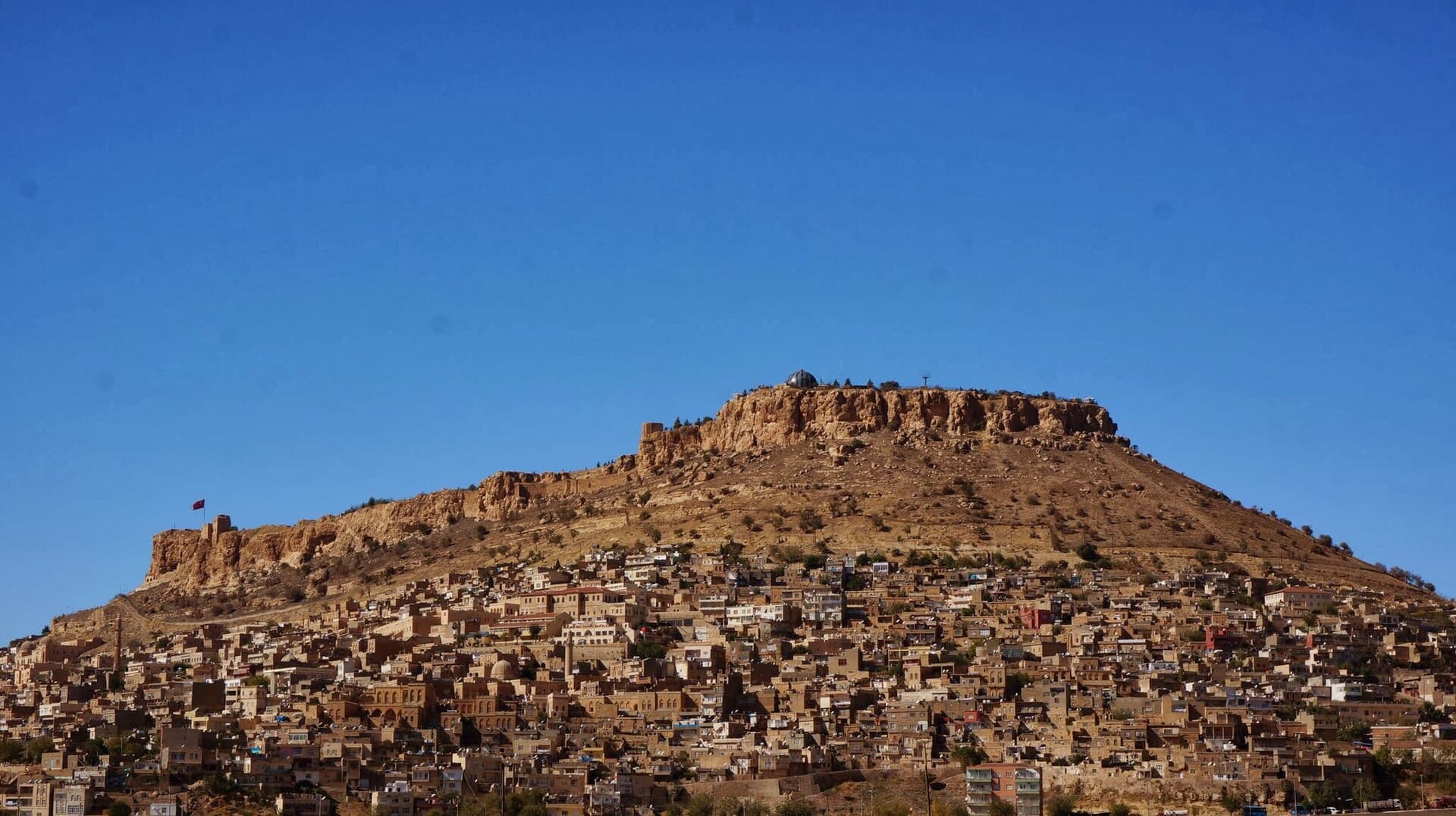 Ben Bender / CC BY-SA 3.0, via Wikimedia Commons
Tour audio autoguidato di Mardin — percorso GPS a piedi, riproduzione offline, narrazione coinvolgente in 32 lingue.
“Dove pietre riscaldate dal sole raccontano storie di imperi e fedi durature.”
Non le cartoline. Le storie che nemmeno i locali conoscono — sussurrate nel tuo orecchio, proprio dove sono accadute.
Gli asini sono parte integrante della vita quotidiana nella Città Vecchia di Mardin, ma non per il motivo che si potrebbe pensare inizialmente.
Questo venerabile monastero ortodosso siriaco nasconde un segreto sotto le sue fondamenta, antecedente alle sue origini cristiane.
La distintiva pietra color miele degli edifici di Mardin non è solo per estetica; possiede una caratteristica unica.
Scopri ogni segreto di Mardin
Ogni indirizzo, ogni rivelazione completa — nel tuo orecchio, proprio dove è accaduta.
Scegli le tue tappe. Cammini. La voce rivela ciò che gli altri perdono.


Lume include una guida in realtà aumentata. Alza il telefono: la fotocamera mostra la strada davanti a te, con una freccia luminosa sovrapposta all'immagine reale che punta sempre verso la tua prossima tappa — nessuna mappa da decifrare, nessuna svolta sbagliata. Come tutto in Lume, funziona completamente offline.
Mardin, una città nel sud-est della Turchia, sorge con grazia da una sporgenza rocciosa, rivelando ampie viste sulle pianure mesopotamiche. Questo antico insediamento, spesso paragonato a una mostra a cielo aperto, è celebrato per la sua distintiva architettura Artuqide, caratterizzata da edifici in pietra finemente decorati che scendono lungo il pendio della collina. La sua posizione strategica vicino al fiume Tigri e al confine siriano l'ha resa un crocevia di civiltà nel corso dei millenni, favorendo una ricca fusione di culture e religioni.
Il fascino della città risiede nel suo aspetto preservato e autentico, dove moschee, chiese e monasteri convivono, e si percepisce profondamente la confluenza di eredità curde, arabe, assire e turche. Vagare per i sentieri stretti e tortuosi di Mardin è come entrare in un'altra epoca, con ogni svolta che rivela secoli di esistenza. Mardin offre un'esperienza di viaggio singolare e immersiva, lontano dalla folla delle destinazioni turche più conosciute.
La storia di Mardin risale all'XI secolo a.C., con il suo nome, 'Marida', che deriva da una parola assira che significa 'fortezza', a testimonianza della sua posizione dominante in cima a una ripida collina. Questo punto panoramico strategico che domina le pianure mesopotamiche e il fiume Tigri l'ha resa una località ambita da innumerevoli imperi.
Nel corso dei secoli, Mardin è stata plasmata da una successione di civiltà, tra cui Sumeri, Hurriti, Babilonesi, Ittiti, Assiri, Romani, Bizantini, Persiani e Arabi. Ognuna ha lasciato il proprio segno duraturo, contribuendo al diverso panorama culturale e architettonico della città. Durante l'epoca romana, era conosciuta come Marida, e la sua cittadella romana in rovina, ricostruita in epoca medievale, incorona ancora la cima.
Un'era cruciale per Mardin iniziò nel 1103 con l'ascesa della dinastia Artuqide, una famiglia turca Oghuz. Sotto il loro governo, Mardin fiorì come un importante centro di architettura islamica. Molte delle strutture iconiche della città, tra cui diverse moschee e madrasah, furono costruite durante questo periodo, mostrando una miscela unica di elementi selgiuchidi anatolici e influenze locali, adattati ai materiali calcarei e arenari della regione. La Grande Moschea (Ulu Cami) e la Sultan İsa Medrese (Zinciriye Madrasah) sono i principali esempi di questa eredità architettonica.
Mardin e la circostante regione del Tur Abdin sono stati importanti centri del cristianesimo siriaco per oltre un millennio. La città servì come sede del Patriarcato Ortodosso Siriaco per secoli, e importanti chiese come la Chiesa di Mor Behnam (Kırklar Kilisesi) continuano a sorgere. Anche il Monastero di Mor Hananyo, fondato nel V secolo appena fuori città, svolse un ruolo cruciale come sede patriarcale. Questa duratura narrazione di coesistenza tra diverse comunità religiose—tra cui Ortodossi Siriaci, Armeni Apostolici, Armeni Cattolici e Siriaci Cattolici—è una caratteristica distintiva di Mardin.
Mardin fu incorporata dai Turchi Ottomani nel XVI secolo, rimanendo sotto il loro dominio fino alla fondazione della Repubblica di Turchia nel 1923, quando divenne la capitale amministrativa della sua provincia. Il carattere autentico della città, con i suoi antichi edifici e le sue strade tortuose, è stato in gran parte preservato, guadagnandosi un posto nella Lista Tentativa della Turchia per la nomina a Patrimonio Mondiale dell'UNESCO.
Il centro storico di Mardin si esplora al meglio a piedi, permettendo di vagare per i suoi intricati sentieri e scoprire le sue numerose meraviglie architettoniche.
Iniziate con la Zinciriye Medresesi, una scuola islamica del XIV secolo che offre alcune delle viste più ampie sulla città, sul castello e sulle pianure mesopotamiche dal suo tetto. La Ulu Cami (Grande Moschea), con il suo svettante minareto visibile quasi ovunque nella Città Vecchia, è un punto di riferimento prominente e una delle moschee più antiche dell'Anatolia, risalente al periodo Artuqide.
Passeggiate per il Bazar di Mardin per assaporare la vita locale e trovare artigianato distintivo. Il Museo di Mardin, ospitato in una dimora del XIX secolo che un tempo era il Patriarcato Cattolico Siriaco, espone reperti archeologici della regione. Assicuratevi di visitare la Chiesa dei Quaranta Martiri (Kırklar Kilisesi), un importante sito storico che riflette l'eredità cristiana siriaca della città.
Per un viaggio oltre la città, il Monastero di Deyrulzafaran, situato a circa 5 km di distanza, è un magnifico monastero ortodosso siriaco del V secolo costruito su un ex tempio del sole. Anche una gita di un giorno a Midyat, a circa 90 minuti di auto, è altamente raccomandata per la sua concentrata eredità cristiana e come cuore dell'industria dell'argento Telkari.
I periodi ideali per visitare Mardin sono la primavera (da aprile a inizio giugno) e l'autunno (da settembre a ottobre). Durante questi mesi, il clima è piacevole, con giornate calde e soleggiate ma non eccessivamente calde, perfette per esplorare i sentieri ripidi e tortuosi della città. La primavera porta pianure verdi e fiori selvatici, mentre l'autunno offre temperature confortevoli e una luce dorata che esalta l'architettura in pietra. Le estati (da giugno ad agosto) possono essere estremamente calde, con temperature che raggiungono i 40°C, anche se la città è meno affollata in questo periodo. Gli inverni (da dicembre a febbraio) sono freddi e umidi, con occasionali nevicate.
Mardin ha un proprio aeroporto, con voli diretti disponibili dalle principali città turche come Istanbul, Izmir, Antalya e Ankara. In alternativa, gli autobus collegano Mardin a città come Diyarbakır e Şanlıurfa. Una volta a Mardin, la Città Vecchia si esplora al meglio a piedi, ma preparatevi a salite ripide e sentieri in pietra, quindi scarpe comode sono essenziali. I minibus (dolmuş) collegano la nuova città (Yenişehir) con la Città Vecchia (Eski Mardin).
Consigliamo un minimo di due giorni interi per vivere la Città Vecchia di Mardin con un ritmo rilassato. Per includere gite di un giorno in siti vicini come Midyat e il Monastero di Deyrulzafaran, pianificate tre o quattro giorni. Mardin è considerata una destinazione molto sicura per i turisti, con gente del posto notoriamente ospitale. Sebbene non sia visitata quanto altre città turche, è consigliabile prenotare gli alloggi in anticipo, soprattutto durante l'alta stagione.
Mardin — coreano, cinese, ebraico e altre 29 lingue, ogni tappa narrata da una voce madrelingua. La più ampia scelta di lingue tra i tour audio autoguidati.
Disponibile in: