Maribor, SIVlada Republike Slovenije / Public domain, via Wikimedia Commons
SI

Maribor

Where ancient vines cling to medieval walls and the Drava River carries its stories.

The secrets of Maribor

Maribor, as no one tells it.

Not the postcards. The stories even locals don't know — whispered in your ear, right where they happened.

3 secrets below. Many more wait inside the tour.
Old Vine House

The world's oldest producing grapevine possesses a remarkable story of endurance, even through the most destructive conflicts.

Full story unlocks in the tour
Maribor Synagogue

One of Central Europe's earliest synagogues has undergone several surprising transformations since its original purpose.

Full story unlocks in the tour
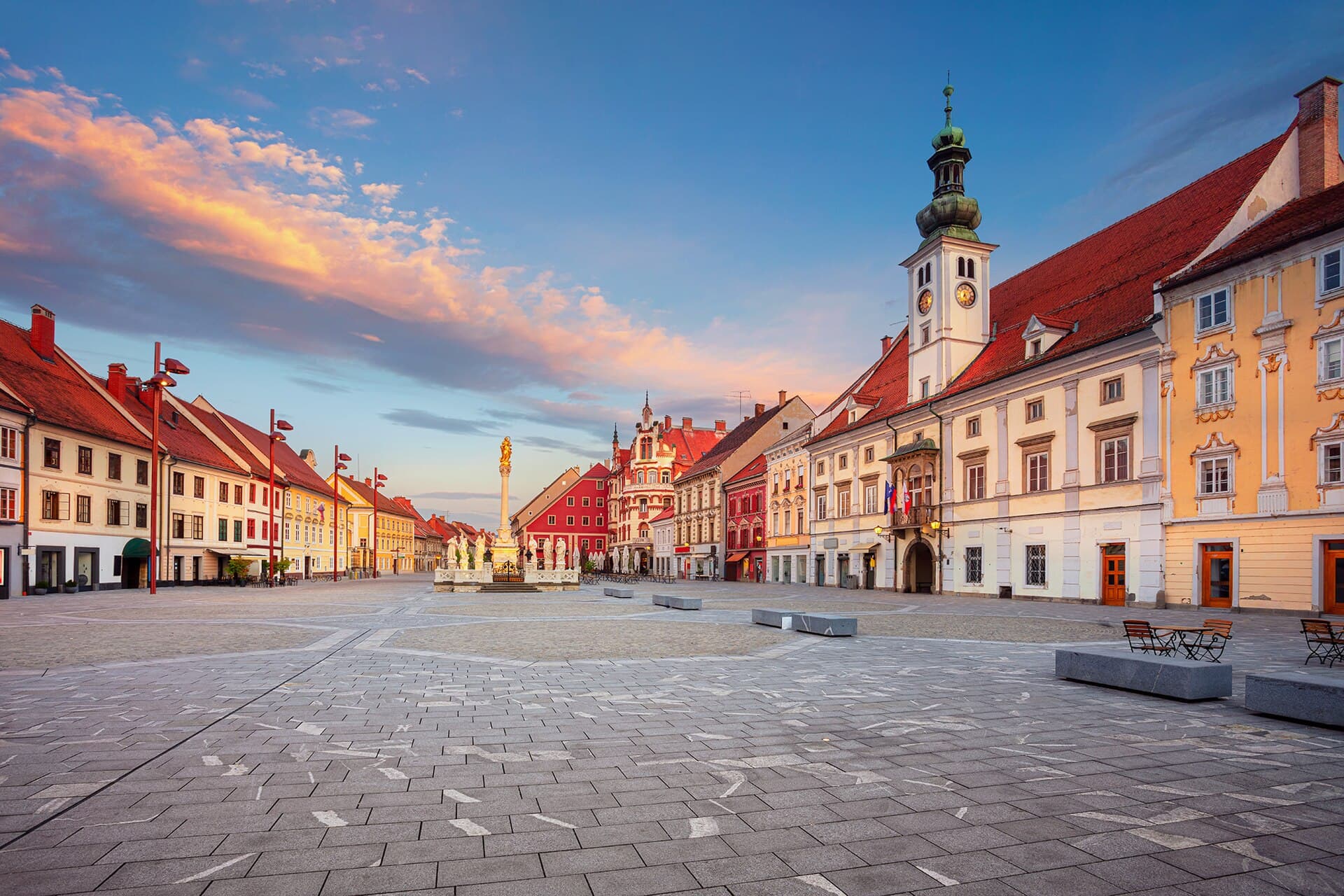
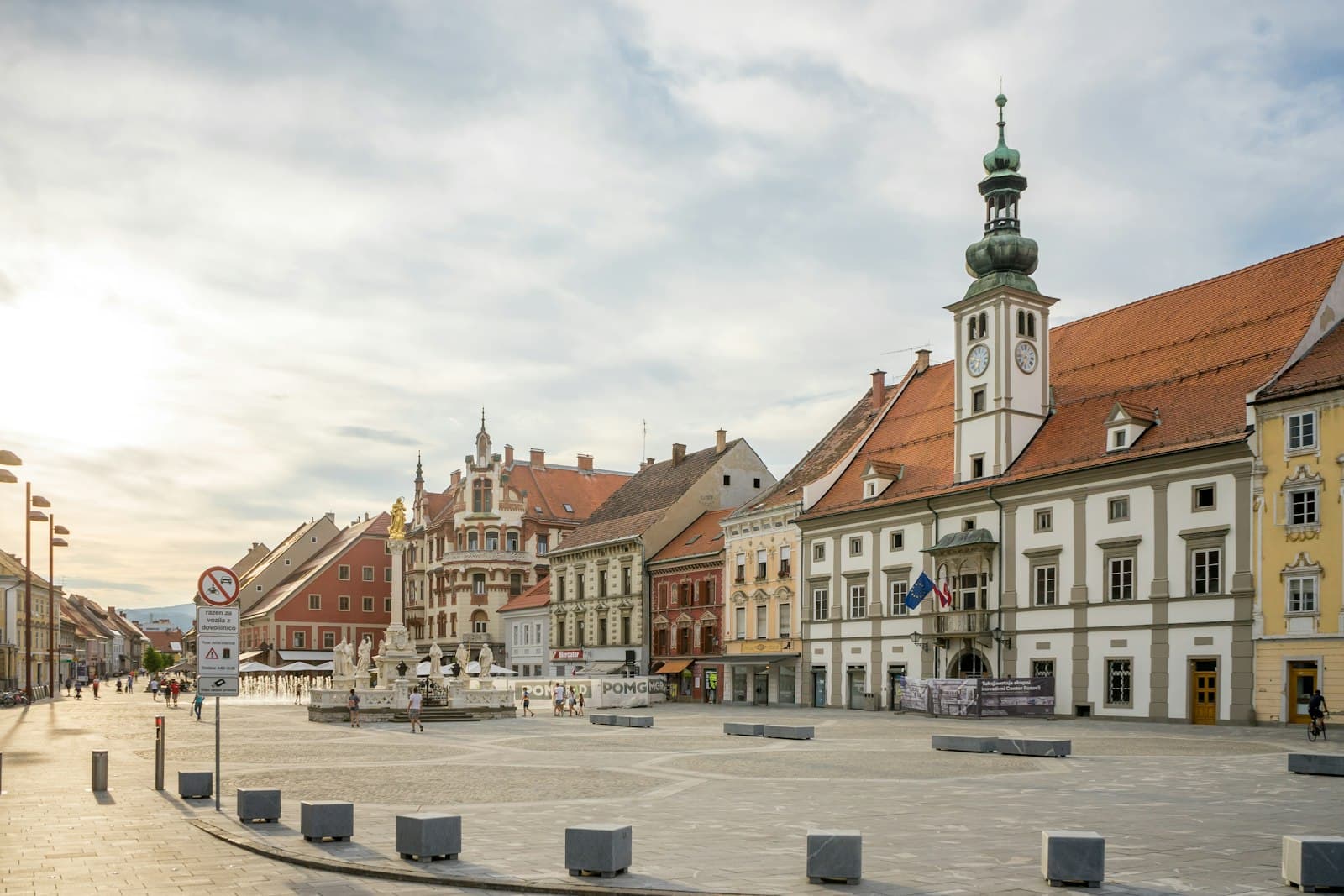
Glavni trg (Main Square)

Maribor's central square, a focal point for centuries, holds a poignant remembrance of a devastating historical event.

Full story unlocks in the tour
The full tour

Discover every secret of Maribor

Every address, every reveal in full — in your ear, right where it happened.

Get the key to Maribor

You pick your stops. You walk. The voice reveals what the others miss.

Choose your time

How long do you have in Maribor?

No tours available yet. Check back soon — we're preparing them.

About Maribor

The story of Maribor

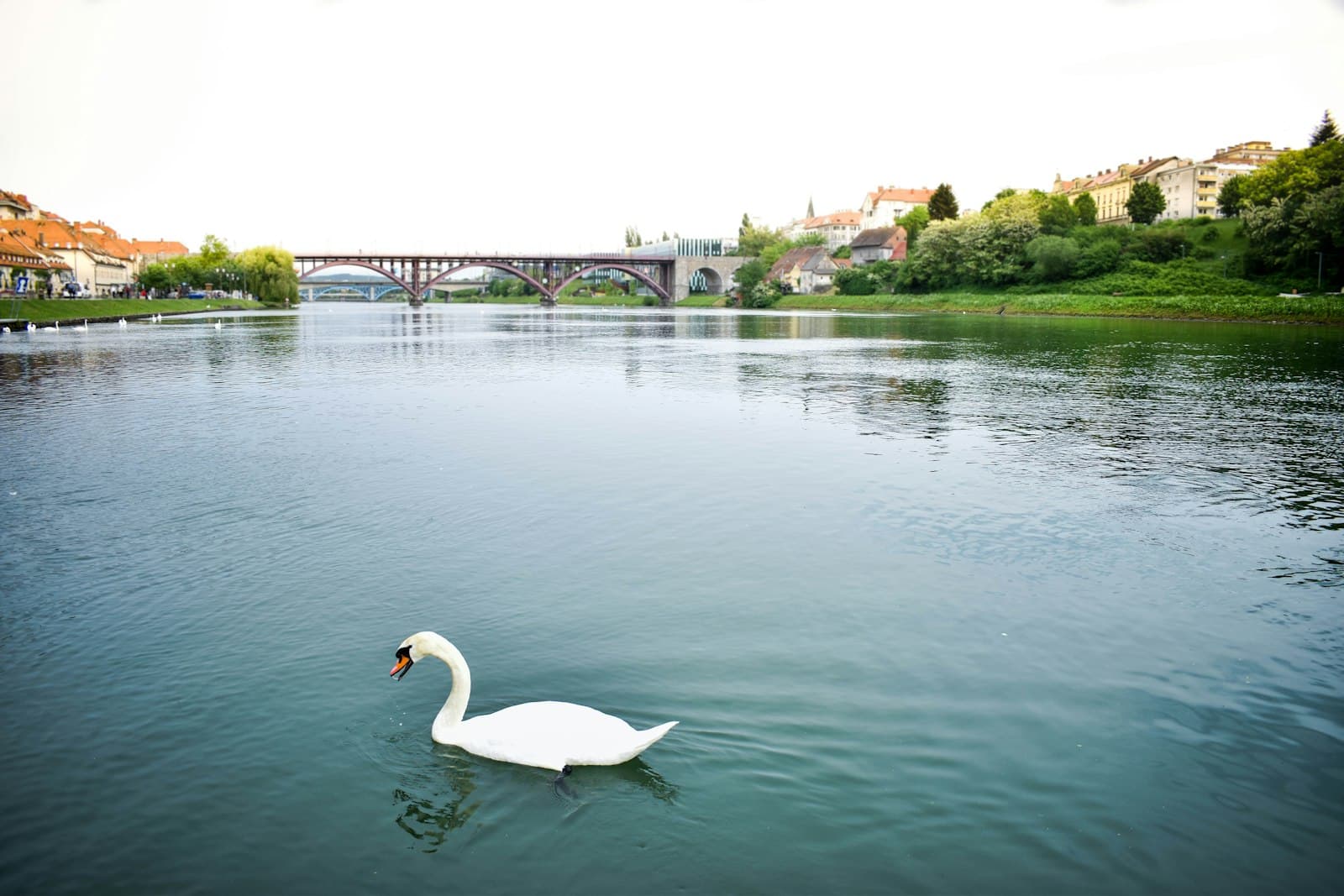
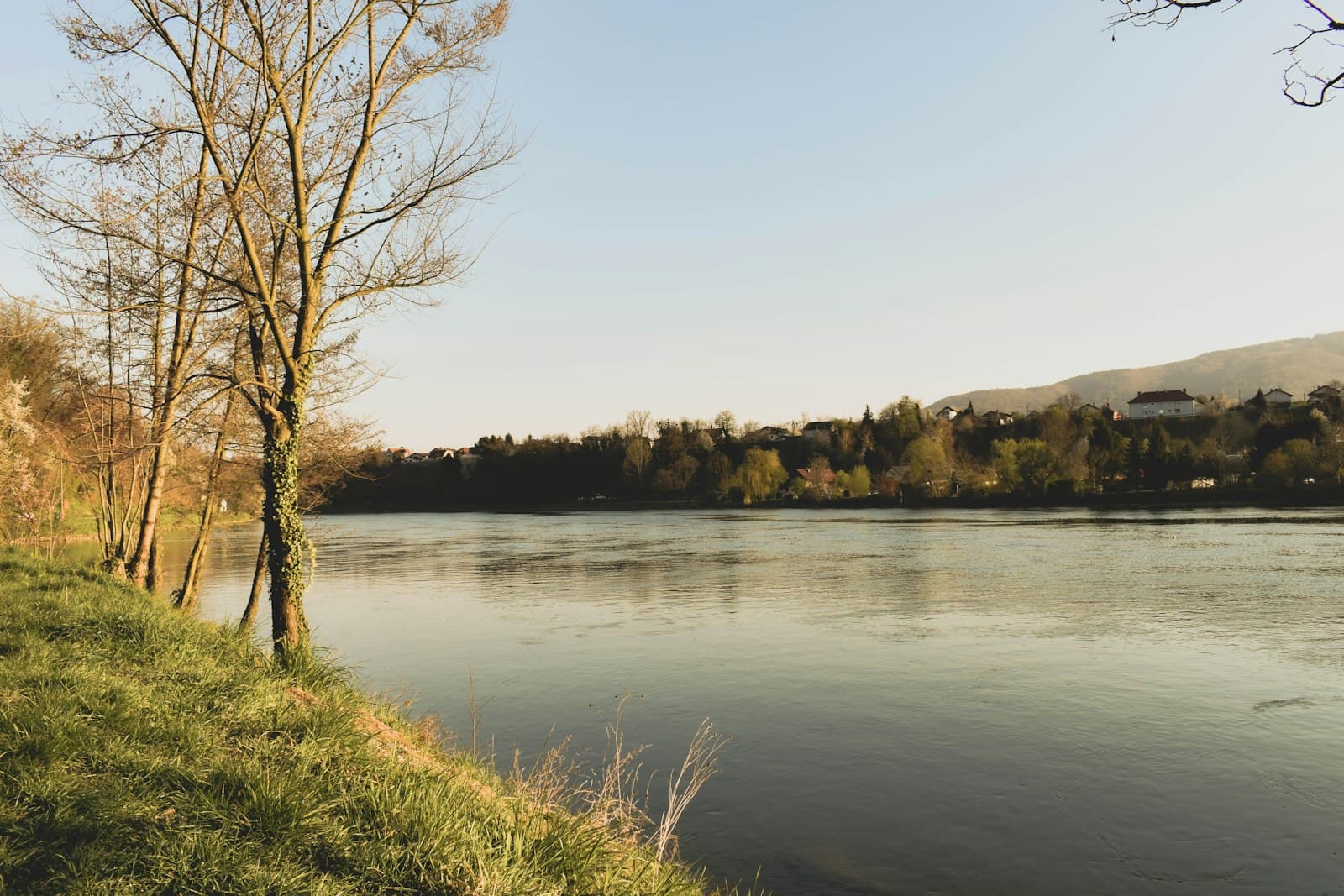
Maribor, Slovenia's second-largest city, offers a relaxed pace amidst a backdrop of rolling vineyard hills, the green Pohorje forests, and the Drava River. It is a city where medieval history intertwines with a lively modern atmosphere, inviting visitors to explore its engaging old town and dynamic cultural scene.

Known as the capital of the Štajerska region, Maribor is particularly celebrated for its wine heritage, most notably the world's oldest grapevine. Beyond its viticultural renown, the city provides a gateway to outdoor adventures in the nearby Pohorje Mountains, making it a destination that caters to both cultural enthusiasts and nature lovers.

Maribor was recognized as a European Capital of Culture in 2012 and the European Youth Capital in 2013, underscoring its dynamic cultural offerings and youthful energy. Its walkable city center, filled with historic architecture and inviting cafes, fosters an approachable and intimate experience for travelers.

History

## From Roman Settlement to Habsburg Stronghold Maribor's origins trace back to Roman times, though the city as it is known today began to take shape in the mid-12th century. A fortress, initially named 'Marchburch' (meaning 'castle in the borderland'), was constructed on Piramida Hill in 1164 by Margrave Ottokar III of Styria. This fortification was crucial for controlling the Drava River valley.

By 1209, Maribor was recognized as a settlement, and it achieved full city rights in 1254, quickly becoming an important commercial center. For many centuries, the city was part of the Habsburg Empire, known by its German name, Marburg an der Drau. Its strategic location on trade routes from Vienna to the Adriatic Sea fostered economic prosperity, driven by trade in timber, iron, and viticulture products.

## Sieges, Expulsions, and Revitalization Maribor faced significant challenges throughout its history. In 1532, a vast Ottoman army led by Suleiman the Magnificent laid siege to the city, but Maribor's garrison and local population successfully fended off the reputedly 100,000-strong force. The city was home to a flourishing Jewish population until their expulsion in 1497, a significant event that saw the Maribor Synagogue converted into a church.

The 18th and 19th centuries brought revitalization with the construction of the Vienna-Trieste road and a railway in the 1840s. In 1859, the seat of the Lavantine diocese was moved to Maribor, further enhancing its regional importance. Prior to World War I, the city's population was predominantly German. However, in 1919, Slovene and Yugoslav troops under General Rudolf Maister gained control, and the city's German name was replaced with Maribor.

## World War II and Modern Development During World War II, Maribor was subjected to an intensive Germanization program and suffered extensive damage from Allied bombing, with approximately 50 raids destroying much of its infrastructure and industry. Over 2,600 people died in Maribor during the war, and by its end, it was one of the most war-damaged major towns in Yugoslavia. After the war, the city was rebuilt, with new roads and bridges crossing the Drava.

In 1975, the University of Maribor was founded, further solidifying its role as an educational and cultural hub. Following Slovenia's independence in 1991, Maribor secured its status as the country's second most important city. Today, while its heavy industry has seen changes, tourism, particularly related to its wine culture and the Pohorje Mountains, contributes significantly to the local economy.

What to see

Begin your exploration in the Lent district, the oldest part of Maribor, situated along the Drava River. Here, you will find the iconic Old Vine House, home to the world's oldest producing grapevine. The house also serves as a museum dedicated to Styrian wine, offering tastings of local varieties.

Walk through Glavni trg (Main Square), Maribor's central square, characterized by historic buildings, the Rotovž Town Hall, and the prominent Plague Column. Nearby, Grajski Trg (Castle Square) features Maribor Castle, a 15th-century Baroque structure that now houses the Maribor Regional Museum, showcasing the city's story.

Ascend the 162 steps of Maribor Cathedral's bell tower for expansive views of the city and surrounding countryside. Explore the Maribor Synagogue, one of Central Europe's earliest, now functioning as a center for Jewish cultural heritage.

For a different perspective, make your way to Piramida Hill, the site of the original Marburg Castle, offering views of vineyards and a white chapel at its summit. Consider a visit to the Vinag Wine Cellar, an extensive underground network of passages holding enormous wine barrels, with guided tours and tastings available.

When to visit

The best times to visit Maribor for pleasant weather and outdoor activities are from mid-June to early September. During these months, average daily high temperatures are above 71°F (21°C), with July being the warmest month, averaging 79°F (26°C). The summer also brings numerous festivals, including the multicultural Lent Festival along the Drava River.

Spring and autumn, particularly May, June, and September, also offer agreeable temperatures, making them suitable for exploring the city and its vineyards. While summers are warm, evenings are typically cool, and some heavy rain can occur, especially in early summer.

Practical

Maribor is a walkable city, particularly its compact old center, making it easy to explore on foot. Public transportation primarily consists of buses, and cycling is also a popular option with improved bike lanes and rental schemes. For those arriving by train or bus, the stations are a short walk from the city center.

Accommodation options include guesthouses, boutique hotels, and hostels, with many located within walking distance of the Old Town. While generally safe, it is advisable to be aware of your belongings in crowded areas and stick to well-lit streets at night. The local currency is the Euro (€). Tourist information centers are available at Partizanska ulica 6a and the Old Vine House, offering maps and assistance.

Good to know
What is Maribor best known for?
Maribor is best known as the home of the world's oldest producing grapevine, a 450-year-old Žametovka vine that is recognized by Guinness World Records.
Is Maribor a walkable city?
Yes, Maribor is quite a small city, and its compact city center is easily navigable on foot. Most major attractions are within walking distance of each other.
What is the currency used in Maribor?
As part of Slovenia and the European Union, the currency used in Maribor is the Euro (€).
Is Maribor safe for solo travelers?
Maribor is generally considered safe for solo travelers. It is recommended to be mindful of your belongings in crowded areas and to stay in well-lit areas at night.
What are the main attractions in Maribor?
Key attractions include the Old Vine House, Glavni trg (Main Square) with its Plague Column and Town Hall, Maribor Castle and Regional Museum, Maribor Cathedral, and the Maribor Synagogue.
When is the Lent Festival held?
The Lent Festival, a major multicultural event celebrating music, culture, and gastronomy, comes alive during the summer months along the banks of the Drava River.
Maribor
From€9.00
No booking · activate anytime · 12h to walk it
Get the key to Maribor