Citerne du Château de Marvão
Au sein de l'étreinte formidable du château, une chambre fut conçue pour défier tout siège.
L'histoire complète se débloque dans le tour
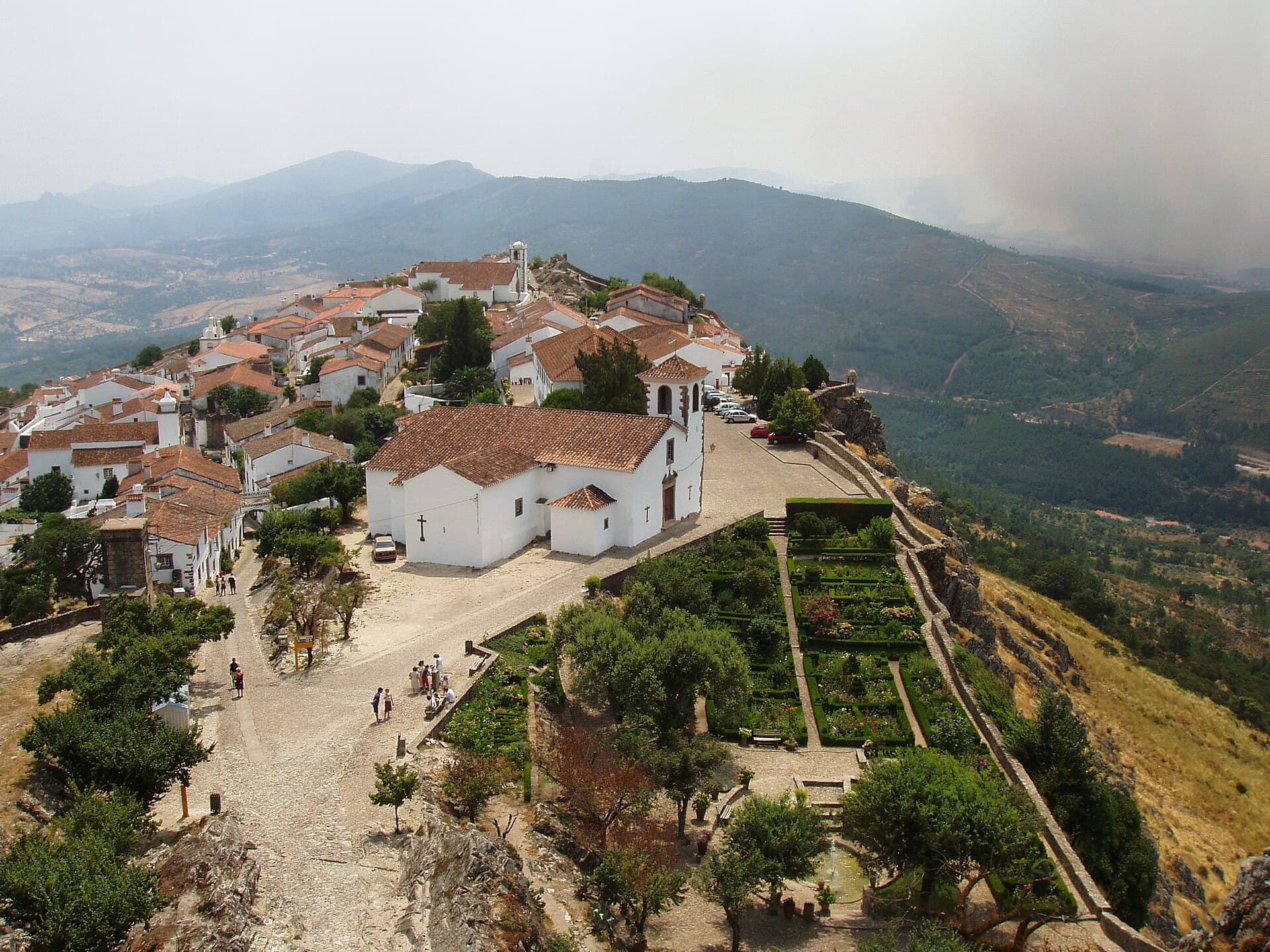 Krzysztof Żwirski / CC BY 2.5, via Wikimedia Commons
Visite audio autoguidée de Marvão — parcours GPS à pied, lecture hors ligne, narration en 32 langues.
“Là où les pics de granit rencontrent les cieux immenses, et les histoires anciennes flottent sur le vent.”
Pas les cartes postales. Les histoires que même les habitants ignorent — soufflées à l'oreille, là où elles se sont passées.
Au sein de l'étreinte formidable du château, une chambre fut conçue pour défier tout siège.
Juste au-delà des remparts médiévaux de Marvão se trouvent les vestiges d'une métropole romaine autrefois florissante, pourtant son déclin ne fut pas uniquement dû à la chute d'un empire.
Ce pont discret porte une connexion profonde, quoique sombre, à un moment pivot de l'histoire juive.
Découvrez tous les secrets de Marvão
Chaque adresse, chaque révélation en entier — dans ton oreille, là où elle s'est passée.
Tu choisis tes lieux. Tu marches. La voix te révèle ce que les autres ignorent.
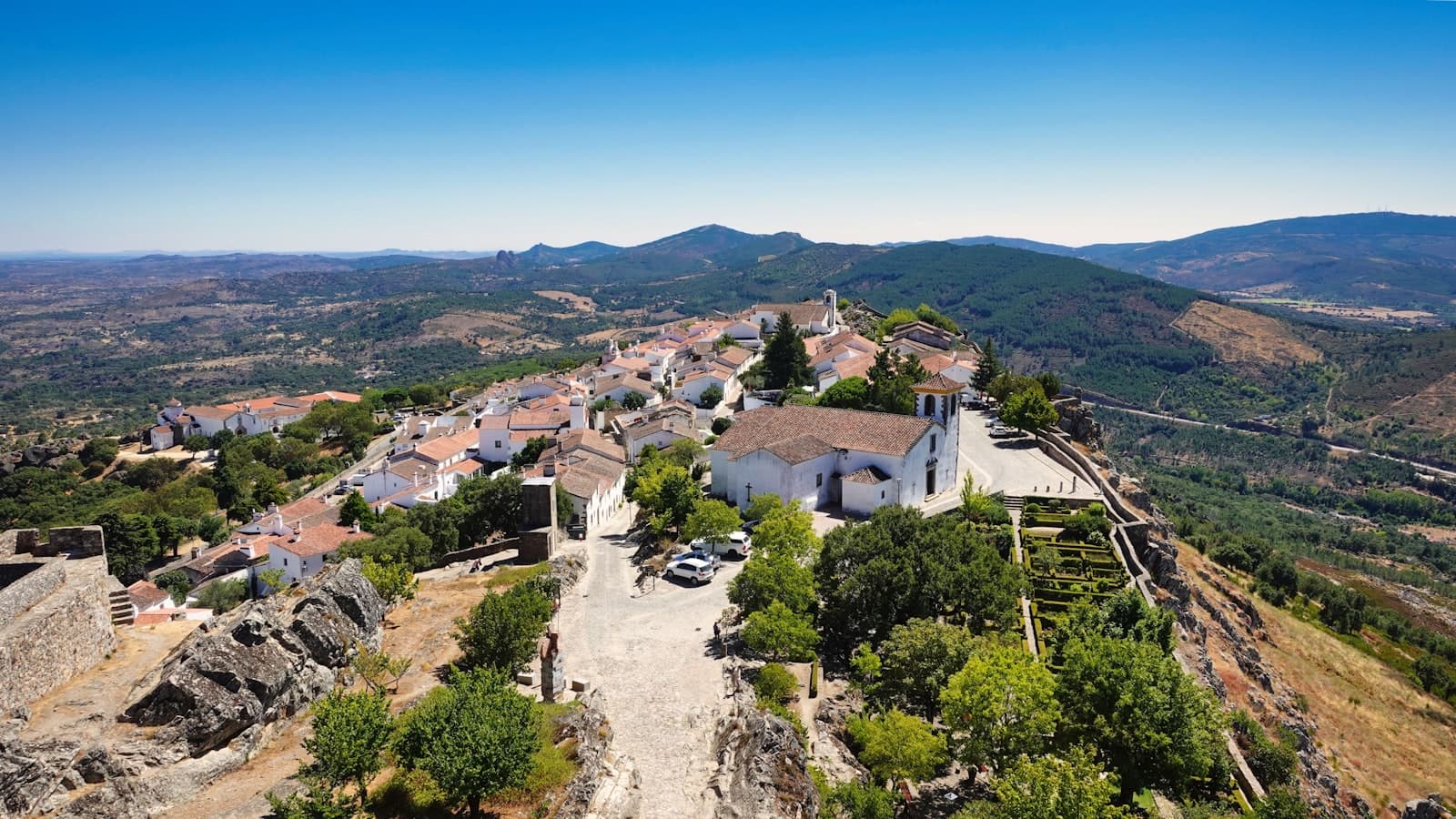
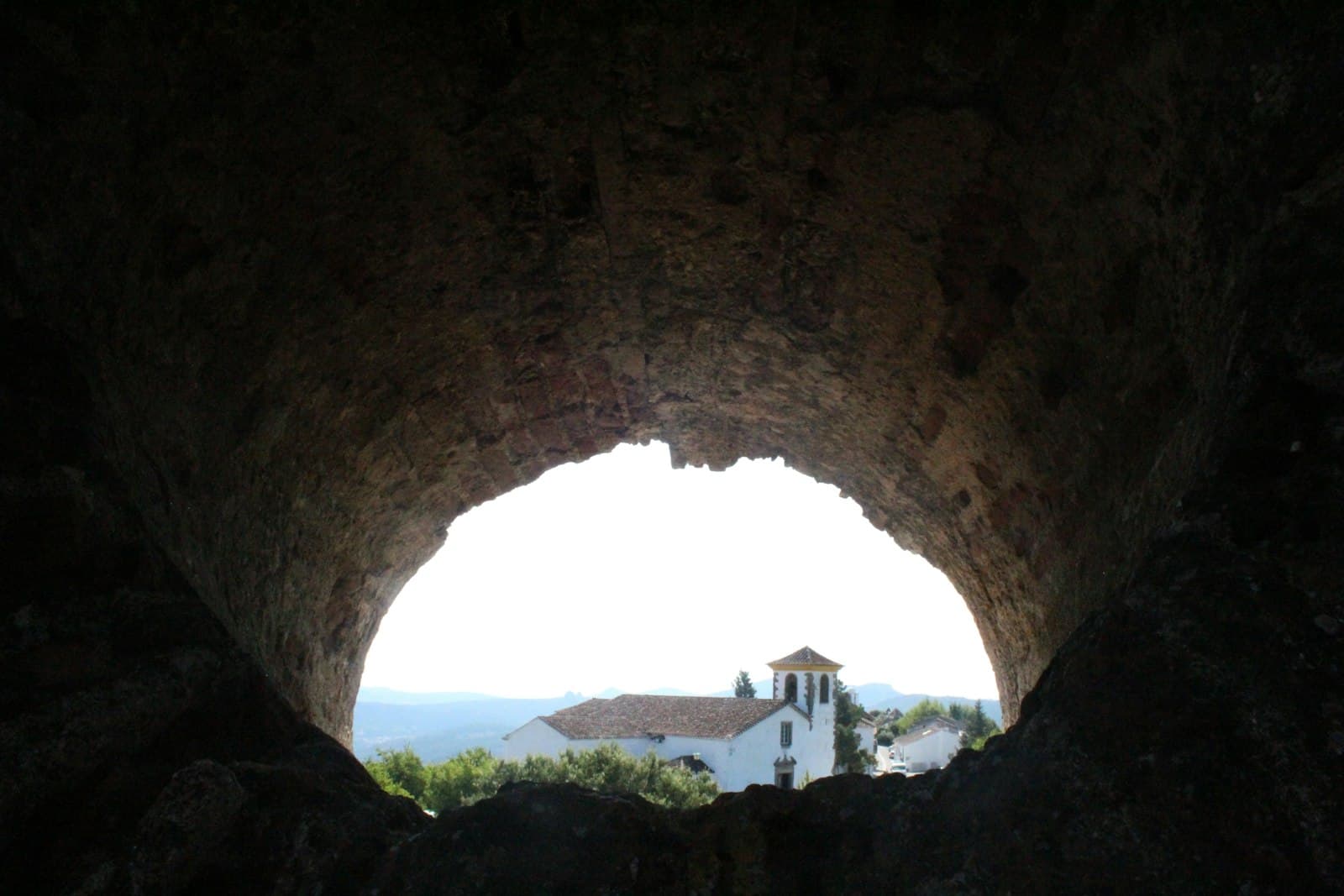
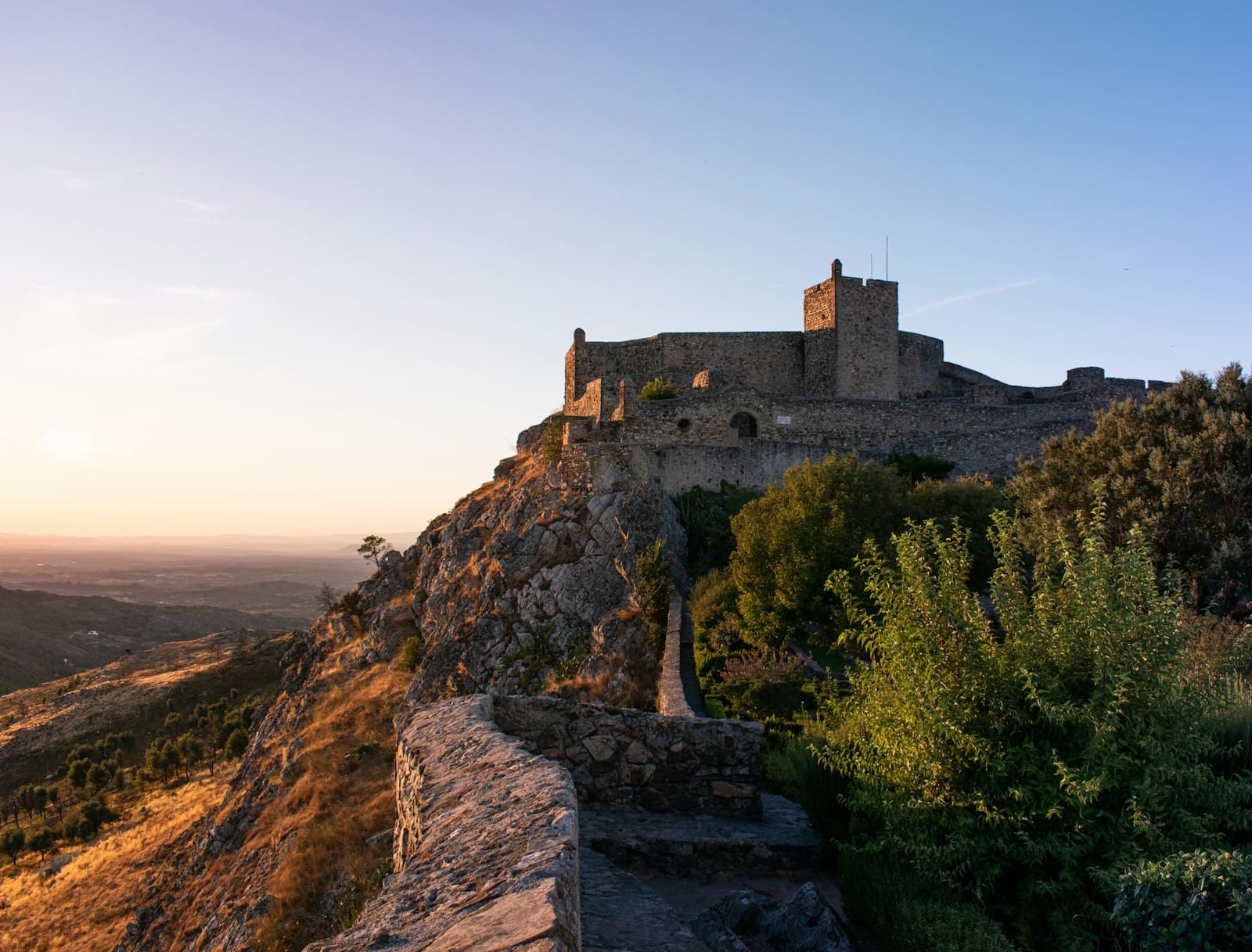
Votre visite audioguidée de Marvão vous attend — choisissez vos lieux, votre langue, et lancez-vous dès votre arrivée.
AcheterLume intègre un guide en réalité augmentée. Levez votre téléphone : sa caméra montre la rue devant vous, avec une flèche lumineuse posée sur l'image réelle qui pointe toujours vers votre prochain arrêt — aucune carte à déchiffrer, aucun mauvais virage. Comme tout dans Lume, ça fonctionne entièrement hors-ligne.
Dramatiquement situé au sommet d'un piton de granit dans la région de l'Alentejo au Portugal, Marvão est un village fortifié qui semble flotter au-dessus du paysage. À une altitude de 843 mètres (2 766 pieds), cette forteresse médiévale offre des vues panoramiques imprenables qui s'étendent sur les plaines vallonnées du Portugal et jusqu'en Espagne voisine. La position unique de Marvão en a fait un avant-poste militaire stratégique pendant des millénaires, ses murs anciens et ses maisons blanchies à la chaux racontant d'innombrables sièges et empires changeants.
Entrer à Marvão, c'est comme remonter le temps. Ses rues étroites et sinueuses traversent une architecture médiévale bien préservée, où les influences gothiques, manuéliniennes et mauresques sont visiblement gravées dans le granit local. Le village, officiellement connu sous le nom de « Très Noble et Toujours Loyale Ville de Marvão », invite les visiteurs à s'attarder, à explorer ses recoins tranquilles et à s'immerger dans une partie authentique du Portugal, loin des zones côtières animées. L'auteur lauréat du prix Nobel, José Saramago, a écrit à propos de Marvão : « De Marvão, on peut voir toute la terre... Il est compréhensible que de cet endroit, en haut du donjon du Château de Marvão, les visiteurs puissent murmurer respectueusement : 'Que le monde est grand.' »
Au-delà de son imposant château, Marvão est un musée vivant, avec des fenêtres fleuries ornant les maisons traditionnelles et une atmosphère tranquille qui complète parfaitement le paysage naturel dramatique du Parc Naturel de la Serra de São Mamede. Ce site candidat au patrimoine mondial de l'UNESCO offre un voyage captivant à travers le passé stratifié du Portugal, de ses racines romaines à son rôle crucial dans la défense médiévale, tout en offrant une évasion paisible à ceux qui recherchent l'histoire, le caractère et des vues étendues.
## D'avant-poste romain à bastion maure L'importance stratégique de Marvão remonte à la préhistoire, avec des vestiges archéologiques des époques paléolithique et néolithique trouvés dans la région. Les vues dominantes du site sur le bassin du Tage et la Serra da Estrela en faisaient un point défensif naturel. À l'époque romaine, à partir du 1er siècle av. J.-C., une ville importante nommée Ammaia a prospéré juste au sud de l'actuel Marvão, avec une population de 5 000 à 6 000 habitants. Ammaia était un point de passage vital sur les routes commerciales est-ouest, reliant les grandes villes romaines et servant de tour de guet avec une ligne de visée sur le pont romain d'Alcántara. L'influence romaine a également vu l'introduction de la culture du châtaignier et l'amélioration de l'irrigation et du terrassement sur la montagne de Marvão.
Au 8e siècle, avec le déclin d'Ammaia, le rocher fortifié de Marvão a pris de l'importance sous la domination maure. Le village tire son nom d'Ibn Marwan, un chef muwallad qui s'est rebellé contre l'émirat omeyyade de Cordoue à la fin du 9e siècle et a construit un château sur le site, probablement une ancienne tour de guet romaine, comme base de pouvoir pour son petit État indépendant. Cette période a vu Marvão devenir une place forte importante, se défendant contre diverses forces pendant des siècles.
## Fortifications médiévales et reconquête chrétienne Au 12e siècle, Marvão fut reconquise par les forces chrétiennes, le roi Afonso Ier l'intégrant au nouveau royaume portugais. La position stratégique du village près de la frontière espagnole a conduit les monarques portugais à le fortifier davantage. Le roi Sancho II a accordé à Marvão l'une des premières chartes royales de l'Alentejo en 1226, et le château fut finalement récupéré en 1229. En 1232, Sancho II fit don de vastes domaines autour de Marvão aux Chevaliers Hospitaliers, leur confiant la tâche de fortifier la frontière et de repeupler la région. Le roi Dom Dinis, à la fin du 13e siècle, ordonna d'importantes améliorations et le renforcement des fortifications, y compris la construction de murs de protection autour du village et le renforcement du château. La conception du château, avec ses patios interconnectés et sa citerne monumentale, reflète les innovations rapportées par les ordres croisés.
L'importance de Marvão en tant qu'avant-poste militaire s'est poursuivie tout au long du Moyen Âge, jouant un rôle crucial dans la défense du Portugal, en particulier lors des conflits avec la Castille et plus tard l'Espagne. Les 15e et 16e siècles ont vu un renforcement supplémentaire des diverses entrées et des modifications au donjon. Au 17e siècle, pendant les guerres de la Restauration de l'Indépendance, des portes fortifiées supplémentaires furent construites. Le village abritait également une communauté juive florissante au Moyen Âge, qui a contribué de manière significative à l'économie locale jusqu'aux conversions forcées et aux expulsions de la fin du 15e siècle.
Commencez votre exploration au Château de Marvão, une forteresse médiévale remarquablement préservée offrant des vues panoramiques à 360 degrés sur la région de l'Alentejo et jusqu'en Espagne. Promenez-vous sur les remparts du château, montez à la tour principale et visitez la citerne souterraine monumentale, un témoignage de l'ingénierie médiévale. Le domaine du château comprend également des jardins paysagers bien conçus.
À l'intérieur du village fortifié, flânez dans les rues étroites et sinueuses, admirant les maisons traditionnelles blanchies à la chaux avec leurs détails distinctifs en granit. Visitez le Musée Municipal, abrité dans l'ancienne église de Santa Maria, qui présente des collections ethnologiques et archéologiques locales, y compris des artefacts du passé romain et préhistorique de Marvão. D'autres églises notables incluent l'Igreja Matriz du XVe siècle et le Couvent de Nossa Senhora da Estrela, construit en 1448, qui revêt une signification religieuse et abrite l'image du saint patron du conseil.
Juste à l'extérieur des murs du village, explorez le fascinant site archéologique d'Ammaia, une ancienne ville romaine qui offre un aperçu unique du patrimoine romain du Portugal. Vous pouvez voir des portions préservées d'une ancienne voie romaine et des artefacts comme des pièces de monnaie et des bijoux au musée sur place. Pour ceux qui s'intéressent à l'histoire mégalithique, la région environnante offre plusieurs dolmens et menhirs, tels que l'Anta da Laje dos Frades et le Menir dos Pombais. Ne manquez pas le Pont de Portagem du XVIe siècle, qui pourrait avoir des origines romaines.
Les périodes les plus agréables pour visiter Marvão sont le printemps (avril, mai) et l'automne (septembre, octobre), lorsque le temps est agréable, avec des températures confortables allant de 19°C à 30°C. Ces mois offrent des conditions idéales pour l'exploration à pied, avec des vues dégagées et moins de monde. Les étés (juillet, août) sont très chauds et secs, avec des maximales diurnes atteignant 33°C (91°F), bien qu'un festival de musique classique en juillet ajoute à l'attrait. Les hivers (décembre, janvier, février) sont plus frais, avec des températures entre 0°C et 15°C, et des chutes de neige occasionnelles et des vents importants. Bien que plus froid, le brouillard hivernal peut créer une atmosphère mystique. Marvão connaît plus de précipitations que les plaines environnantes, octobre étant le mois le plus humide.
Marvão, bien qu'une destination populaire, conserve une atmosphère tranquille. Le village lui-même est petit, avec une population d'un peu moins de 500 habitants à l'intérieur de ses murs historiques, bien que la municipalité plus large compte environ 3 000 résidents. Les rues étroites à l'intérieur des murs sont mieux explorées à pied, car l'accès en voiture peut être difficile.
Les options d'hébergement vont des hôtels attrayants à l'intérieur du village, comme la Pousada de Marvão, Dom Dinis Marvão et l'Hôtel El Rei Dom Manuel, aux maisons de campagne et maisons d'hôtes dans les environs. Dîner à Marvão offre une cuisine traditionnelle de l'Alentejo, avec des spécialités locales comme l'Ensopado de Borrego (ragoût d'agneau) et la Sericaia (dessert aux œufs et à la cannelle). La région est également connue pour son fromage de brebis local, le Queijo de Nisa, et d'excellents vins. La gare la plus proche est à Portalegre, à environ 20 km au sud, avec des navettes reliant à la gare. Marvão est également candidate au statut de patrimoine mondial de l'UNESCO.
Marvão en coréen, en chinois ou en hébreu — et dans 29 autres langues, chaque étape narrée par une voix native. La plus large gamme de langues de tous les audioguides autoguidés.
Disponible en :