Star Fort
Lo Star Fort di Matara non è solo una forma suggestiva; fu un'astuta soluzione a un pressante problema strategico.
La storia completa si sblocca nel tour
 psychoslave / CC BY-SA 4.0, via Wikimedia Commons
Tour audio autoguidato di Matara — percorso GPS a piedi, riproduzione offline, narrazione coinvolgente in 32 lingue.
“Dove antiche fortificazioni incontrano coste serene, Matara svela il vero battito della vita dello Sri Lanka meridionale.”
Non le cartoline. Le storie che nemmeno i locali conoscono — sussurrate nel tuo orecchio, proprio dove sono accadute.
Lo Star Fort di Matara non è solo una forma suggestiva; fu un'astuta soluzione a un pressante problema strategico.
Sotto una colossale statua del Buddha, si svela un viaggio inaspettato, non verso l'illuminazione, ma attraverso una vivida rappresentazione delle conseguenze karmiche.
Mentre molti forti erano costruiti per la difesa, il forte principale di Matara aveva uno scopo iniziale insolito che coinvolgeva grandi bestie grigie.
Scopri ogni segreto di Matara
Ogni indirizzo, ogni rivelazione completa — nel tuo orecchio, proprio dove è accaduta.
Scegli le tue tappe. Cammini. La voce rivela ciò che gli altri perdono.


Il tuo tour audio autoguidato di Matara è pronto — scegli i tuoi punti di interesse, seleziona la tua lingua e inizia nel momento in cui arrivi.
AcquistaLume include una guida in realtà aumentata. Alza il telefono: la fotocamera mostra la strada davanti a te, con una freccia luminosa sovrapposta all'immagine reale che punta sempre verso la tua prossima tappa — nessuna mappa da decifrare, nessuna svolta sbagliata. Come tutto in Lume, funziona completamente offline.
Matara, una vivace città costiera sul confine meridionale dello Sri Lanka, offre una rinfrescante miscela di eredità coloniale, vibrante cultura buddista e spiagge tranquille. Situata a circa 160 km da Colombo, funge da importante snodo commerciale e cuore amministrativo del distretto di Matara. A differenza di alcuni dei suoi vicini costieri più frequentati, Matara offre uno sguardo autentico sulla vita quotidiana dello Sri Lanka, con scene di strada animate e un'atmosfera rilassata.
La città è divisa dal fiume Nilwala, che sfocia nell'Oceano Indiano, separando Matara da un quartiere più antico, spesso definito l'area del Forte, e una sezione più nuova sulla terraferma. La sua posizione strategica e il porto naturale l'hanno resa un prezioso centro commerciale nel corso della storia, attirando mercanti arabi, cinesi ed europei. Oggi, i visitatori possono esplorare architetture coloniali ben conservate, templi sacri e spiagge pacifiche, rendendola una base ideale per coloro che cercano sia immersione culturale che riposo costiero.
La cronaca di Matara risale all'antichità, con le prime testimonianze che la indicano con nomi come Mahathitha, Nilwalathitha e Mahithitha. Un tempo faceva parte del Regno di Ruhuna, uno dei tre antichi regni dello Sri Lanka, e servì persino da capitale sotto il re Weerabamapanam, che la chiamò 'Mapatuna'. Gli antichi monarchi stabilirono anche il tempio nel cuore della città, che oggi rimane un importante sito sacro per i buddisti.
La posizione strategica della città sulla costa la rese un ambito premio per le potenze coloniali europee. I portoghesi furono i primi a stabilire una presenza a Matara nel XVI secolo, costruendo l'originale Forte di Matara nel 1560. Si riferivano alla regione come 'Maturai', che significa 'grande fortezza', attratti dalle sue estese piantagioni di cannella.
Nel XVII secolo, gli olandesi presero Matara ai portoghesi, ricostruendo il forte nel 1640 e ristrutturandolo ampiamente nel 1645. Matara divenne il secondo forte più importante per le province marittime meridionali sotto il governo olandese, dopo Galle, servendo da base di comando per fortificazioni interne. Gli olandesi divisero anche la Provincia Marittima in quattro aree amministrative, con il Distretto di Matara che comprendeva il territorio più vasto. Tuttavia, l'autorità olandese fu contestata durante la Ribellione di Matara del 1761, quando le forze singalesi, supportate dal Regno di Kandy, assaltarono e controllarono brevemente il forte. Gli olandesi lo riconquistarono nel 1762 e, in risposta, eressero l'inconfondibile Star Fort nel 1765 per proteggere meglio il forte principale dalle incursioni fluviali.
Nel 1796, gli inglesi assunsero cerimonialmente il controllo di Matara dagli olandesi. Gli inglesi aggiunsero una torre dell'orologio alta 12 metri al Forte di Matara nel 1883 e utilizzarono lo Star Fort come ufficio amministrativo. Le influenze delle culture e dell'architettura portoghese, olandese e britannica sono ancora percepibili in tutta l'area, offrendo un legame tangibile con il passato stratificato di Matara.
Matara presenta una fusione avvincente di luoghi storici e splendore naturale. Inizia la tua esplorazione dal Forte di Matara, inizialmente costruito dai portoghesi e successivamente ampliato dagli olandesi. Sebbene gran parte dell'edificio originale sia integrato nella città, puoi ancora osservare i sostanziali bastioni in pietra e il portale, insieme a una torre dell'orologio aggiunta dagli inglesi.
A breve distanza, l'inconfondibile Star Fort (Redoute Van Eck) testimonia l'ingegneria militare olandese. Costruito nel 1765 a forma di stella a sei punte, fu concepito per proteggere il forte principale. Oggi ospita un modesto museo che espone manufatti dell'epoca coloniale.
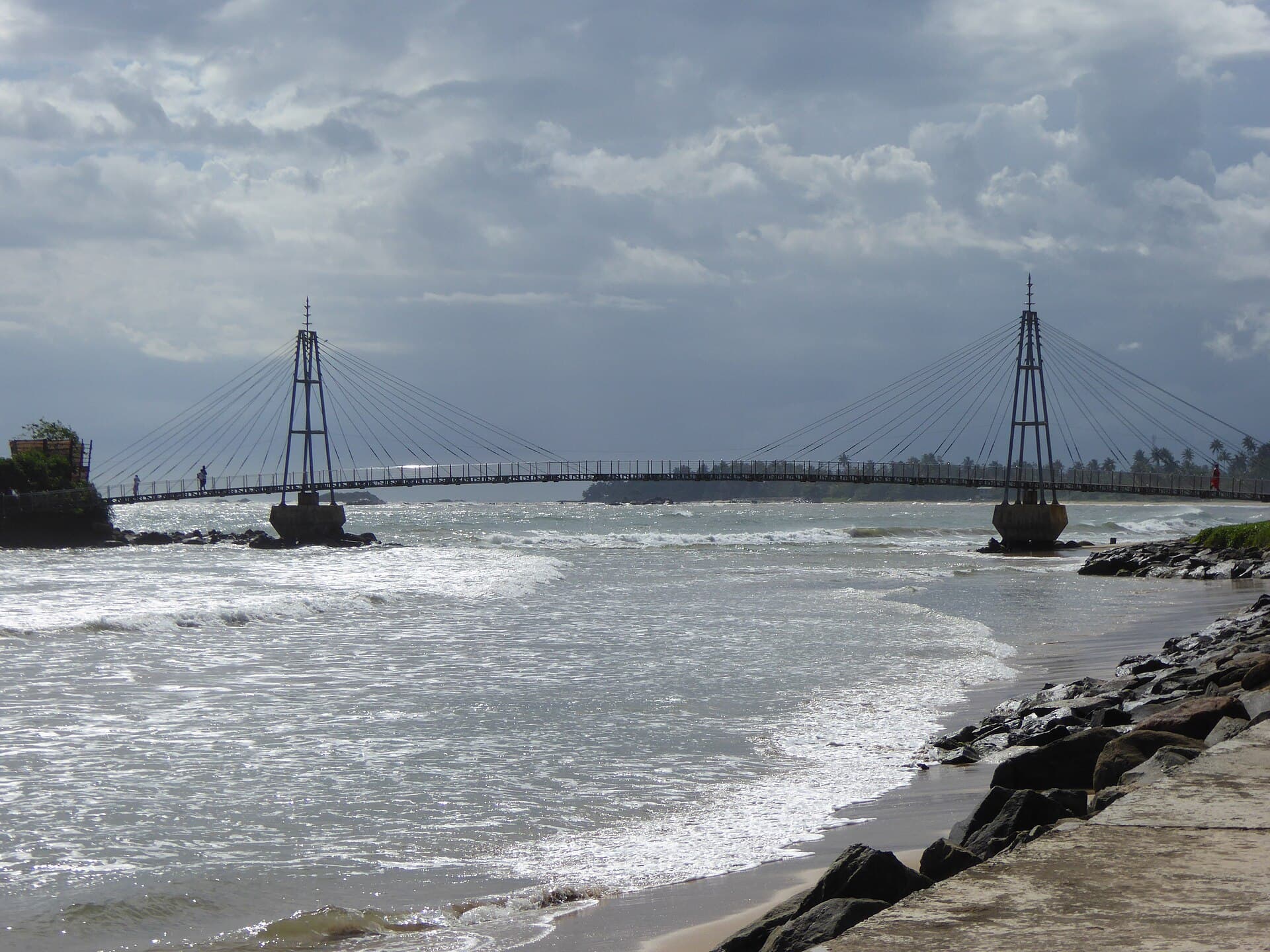
Per un'esperienza spirituale, visita il Tempio di Weherahena, rinomato per la sua colossale statua seduta del Buddha e un intrigante sistema di tunnel adornato con vivaci murales che raffigurano le storie Jataka e la concezione buddista dell'inferno. Un altro importante sito buddista è il Tempio Parey Dewa, o Tempio dell'Isola dei Piccioni, un tempio contemporaneo accessibile tramite una passerella, che offre giardini sereni e statue del Buddha.
Oltre alla storia, la costa di Matara invita all'esplorazione. Polhena Beach è una delle preferite dai locali, protetta da una barriera corallina, che offre acque calme ideali per nuotare e fare snorkeling, con opportunità di osservare le tartarughe. Per coloro che cercano sabbie più appartate, Talalla Beach a est offre una caletta incontaminata a forma di mezzaluna. Il Faro di Dondra Head, il faro più alto dello Sri Lanka, segna il punto più meridionale dell'isola e offre ampie viste sull'Oceano Indiano.
Il periodo migliore per visitare Matara per un clima piacevole e attività all'aperto è durante la stagione secca, da dicembre ad aprile. Durante questi mesi, aspettati cieli soleggiati, precipitazioni minime e mari calmi, con temperature comprese tra 26°C e 32°C. Questo intervallo è perfetto per esplorare luoghi storici, rilassarsi sulle spiagge e godersi attività acquatiche come lo snorkeling. I mesi di transizione da aprile a inizio maggio e da ottobre a inizio novembre offrono anche un clima caldo con piogge occasionali, meno folla e potenzialmente tariffe di alloggio più favorevoli.
Matara è una città ben collegata, facilmente raggiungibile da Colombo, distante circa 160 km. La Southern Expressway (E01) offre il percorso più veloce in auto o autobus autostradale, impiegando circa 2,5-3,5 ore. Servizi ferroviari regolari operano anche da Colombo Fort, con un viaggio che dura circa 4-5 ore. All'interno di Matara, i tuk-tuk sono il mezzo di trasporto più diffuso e conveniente per brevi escursioni in città e verso le spiagge vicine. Autobus locali sono disponibili per viaggi economici verso città circostanti come Galle, Mirissa e Tangalle.
La valuta locale è la Rupia dello Sri Lanka (LKR). Sebbene Matara sia generalmente considerata sicura, è sempre prudente adottare precauzioni standard contro i piccoli furti. La città offre una vasta gamma di opzioni per mangiare, in particolare pesce fresco lungo la costa. L'inglese è compreso negli esercizi commerciali che si rivolgono ai visitatori, ma imparare alcune frasi di base in singalese può arricchire le tue interazioni con i residenti locali. La popolazione del distretto di Matara era di 875.520 abitanti nel 2022.
Matara — coreano, cinese, ebraico e altre 29 lingue, ogni tappa narrata da una voce madrelingua. La più ampia scelta di lingue tra i tour audio autoguidati.
Disponibile in: