Matlock Bath Illuminations
Le illuminazioni autunnali di Matlock Bath hanno una sorprendente connessione reale, una tradizione che risale a oltre un secolo fa.
La storia completa si sblocca nel tour
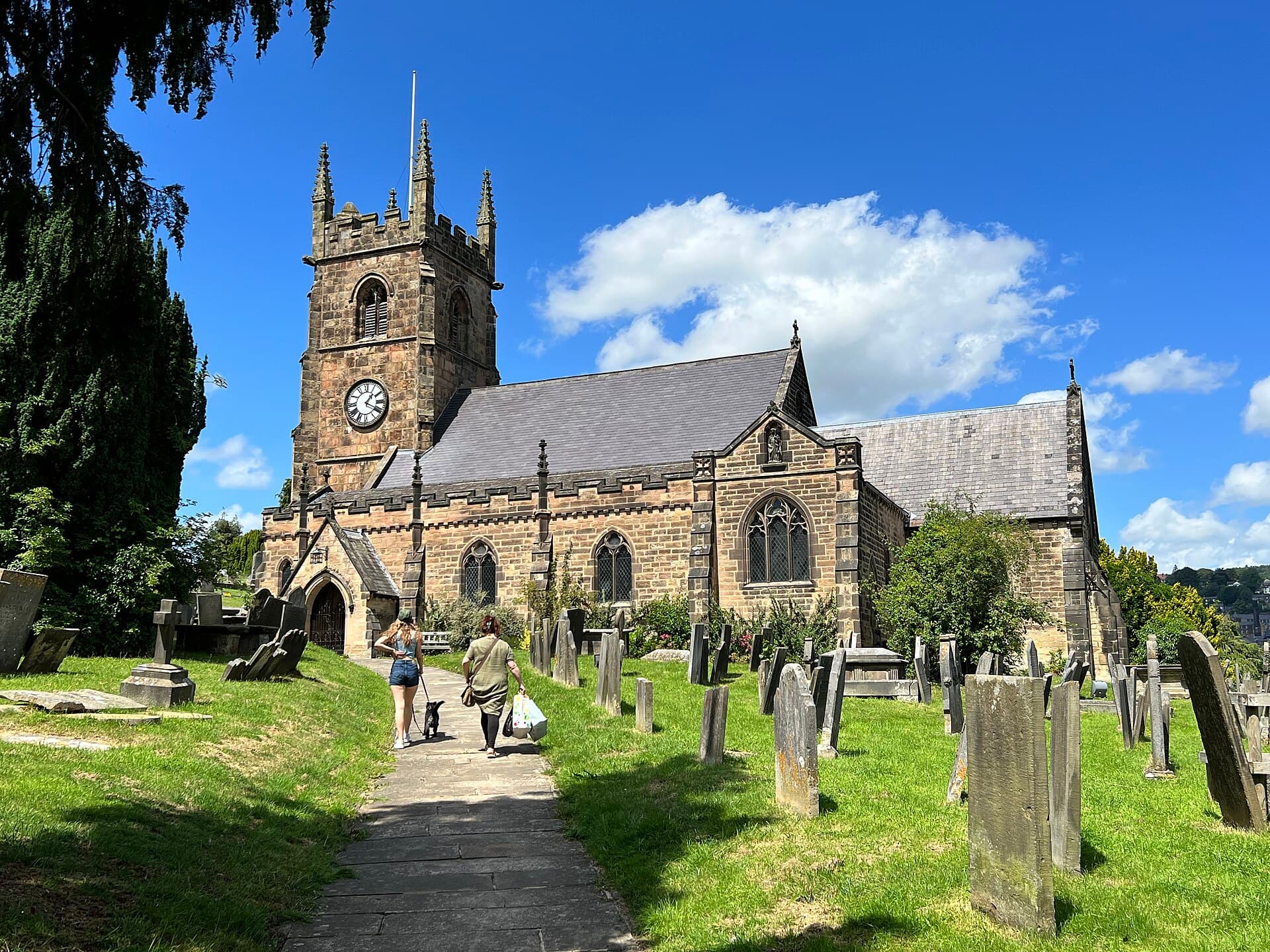 Andrew Abbott / CC BY-SA 2.0, via Wikimedia Commons
Tour audio autoguidato di Matlock — percorso GPS a piedi, riproduzione offline, narrazione coinvolgente in 32 lingue.
“Dove l'eleganza vittoriana converge con i paesaggi drammatici del Derbyshire.”
Non le cartoline. Le storie che nemmeno i locali conoscono — sussurrate nel tuo orecchio, proprio dove sono accadute.
Le illuminazioni autunnali di Matlock Bath hanno una sorprendente connessione reale, una tradizione che risale a oltre un secolo fa.
Questo imponente "castello" del XIX secolo, situato sul fianco della collina sopra Matlock, non fu costruito per cavalieri medievali, ma per un pioniere industriale.
Oltre alla sua collezione di vita acquatica, questo edificio vittoriano racchiude al suo interno un fenomeno naturale unico.
Scopri ogni segreto di Matlock
Ogni indirizzo, ogni rivelazione completa — nel tuo orecchio, proprio dove è accaduta.
Scegli le tue tappe. Cammini. La voce rivela ciò che gli altri perdono.


Il tuo tour audio autoguidato di Matlock è pronto — scegli i tuoi punti di interesse, seleziona la tua lingua e inizia nel momento in cui arrivi.
AcquistaLume include una guida in realtà aumentata. Alza il telefono: la fotocamera mostra la strada davanti a te, con una freccia luminosa sovrapposta all'immagine reale che punta sempre verso la tua prossima tappa — nessuna mappa da decifrare, nessuna svolta sbagliata. Come tutto in Lume, funziona completamente offline.
Matlock, la città di contea del Derbyshire, si trova nella pittoresca Derwent Valley, al confine con il Peak District National Park. Combina il carattere di una tradizionale cittadina di mercato con un distinto patrimonio termale. A poco più di un miglio e mezzo a sud, la sua vivace vicina, Matlock Bath, offre un'atmosfera distinta, quasi balneare, nonostante la sua posizione interna.
La città e i suoi dintorni sono definiti da suggestive valli calcaree e colline boscose, un paesaggio che spinse Lord Byron a definire Matlock Bath 'Piccola Svizzera'. Sia Matlock che Matlock Bath fungono da eccellenti punti di accesso per esplorare il più ampio Peak District, presentando un mix di splendore naturale, luoghi storici e attrazioni contemporanee.
Le origini di Matlock risalgono a un piccolo borgo agricolo, con l'estrazione del piombo e la cava come attività supplementari. La storia dell'estrazione del piombo nel Derbyshire è antica, fornendo occupazione per secoli. La fine del XVIII secolo vide emergere alcune opportunità di lavoro con i pionieristici mulini di Sir Richard Arkwright nella vicina Cromford.
La significativa espansione della città come destinazione termale iniziò negli anni '40 dell'Ottocento, principalmente grazie all'industriale John Smedley. Mentre Matlock Bath possedeva già sorgenti termali naturali che attiravano visitatori da secoli, la visione di Smedley stabilì saldamente l'idroterapia a Matlock, rendendola un centro celebrato per la 'cura dell'acqua' per cento anni. La sua influenza rimane visibile in strutture come Smedley's Hydro, completato nel 1886 (ora uffici del Derbyshire County Council), e l'imponente Riber Castle, costruito come sua residenza privata.
L'arrivo della ferrovia a Matlock nel 1849 ne aumentò ulteriormente la popolarità, facilitando gli spostamenti per coloro che cercavano la cura dell'acqua. Matlock Bath, in particolare, fiorì come località turistica durante l'epoca vittoriana, attirando reali e l'alta società. Sviluppò una distintiva passeggiata fiancheggiata da architetture del XIX secolo, sale giochi e negozi di fish and chips, guadagnandosi il soprannome di 'Derbyshire-on-Sea'.
Oltre al fascino della città termale, Matlock e Matlock Bath sono profondamente legate alla Rivoluzione Industriale. Masson Mill di Sir Richard Arkwright, costruito nel 1783 sul fiume Derwent, forma una parte significativa del sito Patrimonio dell'Umanità UNESCO Derwent Valley Mills. Fu uno dei primi mulini a filatura di cotone alimentati ad acqua e continua a generare energia rinnovabile oggi tramite turbine idroelettriche. Il Grand Pavilion a Matlock Bath, un edificio edoardiano eretto nel 1910, era inizialmente conosciuto come 'The Kursaal', un riferimento ai luoghi di ritrovo delle città termali tedesche. Fu costruito per offrire intrattenimento vario a turisti e residenti locali e da allora ha ospitato il Peak District Lead Mining Museum.
Nel corso del XX secolo, Matlock e Matlock Bath continuarono ad evolversi. Le Matlock Bath Illuminations, una tradizione dal 1897, crebbero in scala, con luci elettriche che sostituirono le candele nel 1950 e attirarono un milione di visitatori entro il 1971. Oggi, entrambe le città mantengono il loro fascino, bilanciando le loro profonde narrazioni storiche con servizi moderni e un forte focus comunitario, evidente negli sforzi continui per preservare e rivitalizzare monumenti come il Grand Pavilion.
Inizia la tua esplorazione a Matlock con una passeggiata attraverso Hall Leys Park, uno spazio verde pluripremiato nel centro della città. Qui puoi goderti i sentieri lungo il fiume Derwent, noleggiare pedalò o barche a remi sul lago, o utilizzare i campi da tennis e il parco per skateboard. Per un'esperienza di shopping distintiva, scopri i negozi indipendenti, i negozi di antiquariato e i negozi di artigianato di Matlock, in particolare lungo Dale Road.
A breve distanza, Matlock Bath presenta un'atmosfera diversa. Fai un giro in funivia fino agli Heights of Abraham, un parco in cima a una collina che offre ampie viste sulla Derwent Valley, esplorazioni di caverne e mostre. Il Matlock Bath Aquarium, situato in un edificio vittoriano, espone una diversificata vita marina e un singolare pozzo pietrificante. Approfondisci il passato industriale della regione al Peak District Lead Mining Museum, situato all'interno del Grand Pavilion. Per un assaggio di trasporti storici, considera un giro in treno a vapore su Peak Rail, che opera dalla stazione di Matlock.
Non perderti le Matlock Bath Illuminations se visiti in autunno, uno spettacolo di barche illuminate sul fiume Derwent, accompagnato da fuochi d'artificio in serate selezionate.
Matlock accoglie visitatori tutto l'anno, ma i mesi primaverili ed estivi (da aprile a settembre) offrono un clima mite, con luglio che è il mese più caldo, con una media di 19-20°C. Questo periodo è ideale per le attività all'aperto e per esplorare giardini e parchi in fiore. Anche l'autunno (settembre e ottobre) è un buon momento per visitare, con fogliame vivace che trasforma i boschi e le Matlock Bath Illuminations che offrono uno spettacolo serale unico. Gli inverni sono freschi e umidi, con temperature diurne medie intorno ai 6-8°C, offrendo un'esperienza più tranquilla per le passeggiate.
Matlock ha una sua stazione ferroviaria con servizi da Derby, rendendola comoda per gite di un giorno. Servizi di autobus regolari collegano Matlock a destinazioni vicine come Bakewell, Buxton e Chesterfield. Ci sono due stazioni degli autobus a Matlock: una adiacente alla stazione ferroviaria su Derwent Way e un'altra su Bakewell Road nel centro della città. Sono disponibili ampi parcheggi a Matlock e dintorni, inclusi nel centro della città e presso le principali attrazioni come gli Heights of Abraham. Mentre Matlock Bath possiede un'atmosfera vivace, quasi balneare, la sua strada principale può essere trafficata, specialmente con motociclisti che si radunano nei fine settimana. Per le persone con mobilità ridotta, alcune attrazioni come la funivia degli Heights of Abraham sono accessibili, ma il paesaggio drammatico della zona significa che alcuni sentieri e siti storici possono presentare sfide. Si consiglia di verificare i dettagli specifici di accessibilità per le singole attrazioni in anticipo.
Matlock — coreano, cinese, ebraico e altre 29 lingue, ogni tappa narrata da una voce madrelingua. La più ampia scelta di lingue tra i tour audio autoguidati.
Disponibile in: