Hotel Sidi Driss
Prima di essere un hotel, questa abitazione trogloditica ospitò una famiglia molto famosa.
La storia completa si sblocca nel tour
 Damien slattery Photographed by Colin Kenworthy / CC BY-SA 3.0, via Wikimedia Commons
Tour audio autoguidato di Matmata — percorso GPS a piedi, riproduzione offline, narrazione coinvolgente in 32 lingue.
“Sotto il paesaggio lunare, un antico modo di vivere perdura.”
Non le cartoline. Le storie che nemmeno i locali conoscono — sussurrate nel tuo orecchio, proprio dove sono accadute.
Prima di essere un hotel, questa abitazione trogloditica ospitò una famiglia molto famosa.
Queste case uniche non sono solo per lo spettacolo; sono una risposta intelligente a un ambiente ostile.
Una visita a una casa tradizionale di Matmata spesso comporta un invito inaspettato.
Scopri ogni segreto di Matmata
Ogni indirizzo, ogni rivelazione completa — nel tuo orecchio, proprio dove è accaduta.
Scegli le tue tappe. Cammini. La voce rivela ciò che gli altri perdono.

Il tuo tour audio autoguidato di Matmata è pronto — scegli i tuoi punti di interesse, seleziona la tua lingua e inizia nel momento in cui arrivi.
AcquistaLume include una guida in realtà aumentata. Alza il telefono: la fotocamera mostra la strada davanti a te, con una freccia luminosa sovrapposta all'immagine reale che punta sempre verso la tua prossima tappa — nessuna mappa da decifrare, nessuna svolta sbagliata. Come tutto in Lume, funziona completamente offline.
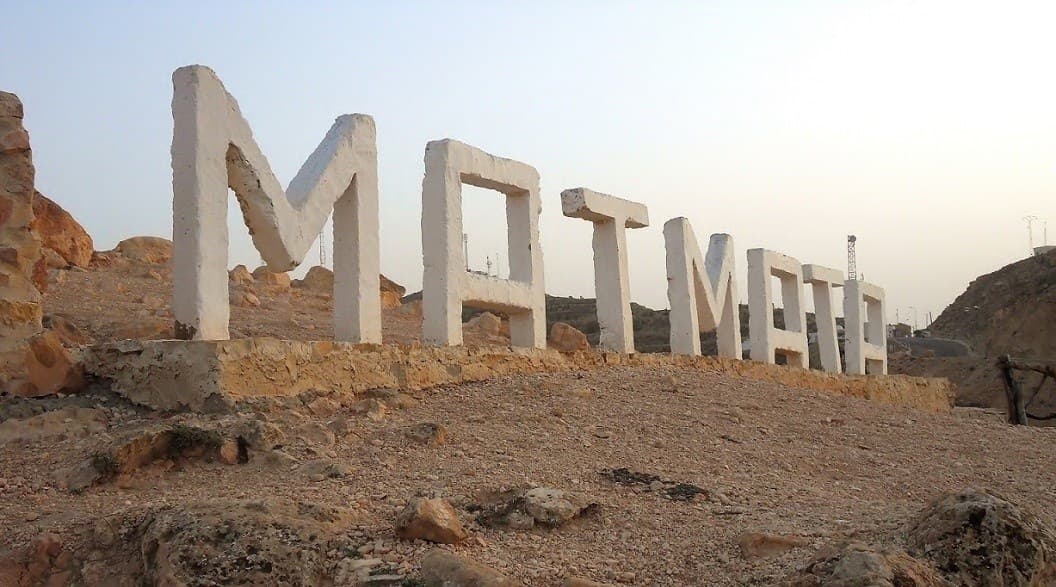
Matmata, una cittadina nel sud della Tunisia, è nota per la sua distintiva architettura trogloditica. A differenza delle tipiche strutture fuori terra, le case qui sono scavate nella terra, formando abitazioni sotterranee che offrono una risposta architettonica unica al clima arido del deserto. Il paesaggio stesso è una serie di crateri e depressioni, ognuno dei quali segna una casa cortile sottostante. Questo antico metodo di costruzione ha permesso agli abitanti berberi di prosperare in un ambiente di temperature estreme, mantenendo uno stile di vita che appare sia senza tempo che profondamente connesso alla terra.
L'aspetto ultraterreno della città ha catturato l'immaginazione di registi e viaggiatori. Entrare a Matmata è come entrare in un mondo diverso, dove la superficie scaldata dal sole lascia il posto a interni freschi e ombreggiati. La quiete delle case sotterranee, punteggiata dal suono occasionale della vita quotidiana, crea un'atmosfera di profonda tranquillità. È una destinazione che invita alla contemplazione dell'ingegno e dell'adattamento umano.
La storia di Matmata è profondamente intrecciata con il popolo berbero, indigeno del Nord Africa. Le origini esatte delle abitazioni trogloditiche non sono definitivamente note, ma si ritiene che queste case sotterranee siano state sviluppate secoli fa come mezzo di protezione. Alcune teorie suggeriscono che la pratica risalga all'epoca romana, quando la gente del posto cercava rifugio dagli invasori e dal clima rigido scavando nella morbida arenaria.
Per secoli, Matmata rimase relativamente isolata, la sua architettura unica in gran parte sconosciuta al mondo esterno. Le case fornivano un ambiente sicuro e stabile, permettendo alle comunità di mantenere le proprie tradizioni e il proprio stile di vita. Le condizioni aride della regione e la scarsa vegetazione rafforzarono ulteriormente la praticità della vita sotterranea, poiché i materiali da costruzione fuori terra erano scarsi.
Il carattere unico di Matmata attirò l'attenzione internazionale negli anni '60, dopo che forti piogge causarono il crollo di alcune abitazioni sotterranee, spingendo il governo tunisino a costruire nuove abitazioni fuori terra. Fu durante questo periodo che il mondo venne a conoscenza della straordinaria architettura della città.
Un momento cruciale nella storia recente di Matmata arrivò con la sua selezione come location cinematografica per la saga di Star Wars di George Lucas negli anni '70. L'Hotel Sidi Driss, una tradizionale abitazione trogloditica, fu trasformato nella Lars Homestead, la casa di Luke Skywalker. Questa esposizione portò a Matmata un riconoscimento globale, attirando turisti desiderosi di sperimentare il suo paesaggio unico e i suoi collegamenti cinematografici. Sebbene alcuni residenti abbiano adattato le loro case per accogliere i visitatori, il nucleo della vita di Matmata continua a ruotare attorno alle tradizionali strutture trogloditiche e alle usanze berbere.
L'attrazione principale di Matmata è la sua distintiva architettura trogloditica. Passeggia tra i 'crateri' per osservare gli ingressi delle case sotterranee, ognuna testimonianza di antiche pratiche costruttive. Molti residenti sono disposti a mostrare le loro case ai visitatori a pagamento, offrendo uno sguardo sulla loro vita quotidiana.
Una visita è completa vedendo l'Hotel Sidi Driss, famoso per il suo ruolo come Lars Homestead in Star Wars. Anche se non soggiorni lì, puoi esplorare i suoi cortili e le aree da pranzo, che conservano alcune delle scenografie originali del film.
Per una comprensione più ampia della cultura locale, visita il Museo di Matmata, sebbene le informazioni sul suo stato attuale o sulle mostre specifiche possano essere limitate. Il paesaggio desertico circostante è di per sé uno spettacolo, con la sua bellezza aspra e le sue formazioni drammatiche. Considera di assumere una guida locale per esplorare alcuni degli insediamenti trogloditici più remoti della zona.
Il periodo migliore per visitare Matmata è durante le stagioni intermedie, da marzo a maggio e da settembre a novembre. Durante questi mesi, le temperature sono più miti e piacevoli per esplorare. Le estati (da giugno ad agosto) possono essere estremamente calde, con temperature che spesso superano i 40°C (104°F). Gli inverni (da dicembre a febbraio) sono più freschi, ma possono verificarsi piogge occasionali.
Matmata è una cittadina relativamente piccola e, sebbene alcuni locali parlino francese o un po' di inglese, l'arabo è la lingua principale. La valuta locale è il Dinar tunisino (TND). Gli sportelli bancomat sono scarsi, quindi è consigliabile portare contanti sufficienti. Le opzioni di alloggio includono alcuni hotel trogloditici, che offrono un'esperienza davvero immersiva, e alcune pensioni. Le opzioni per mangiare sono limitate a trattorie locali, che servono piatti tradizionali tunisini. Il trasporto per Matmata avviene tipicamente tramite taxi condiviso (louage) da città più grandi come Gabès o Douz. Considera di noleggiare un autista privato per una maggiore flessibilità.
Matmata — coreano, cinese, ebraico e altre 29 lingue, ogni tappa narrata da una voce madrelingua. La più ampia scelta di lingue tra i tour audio autoguidati.
Disponibile in: