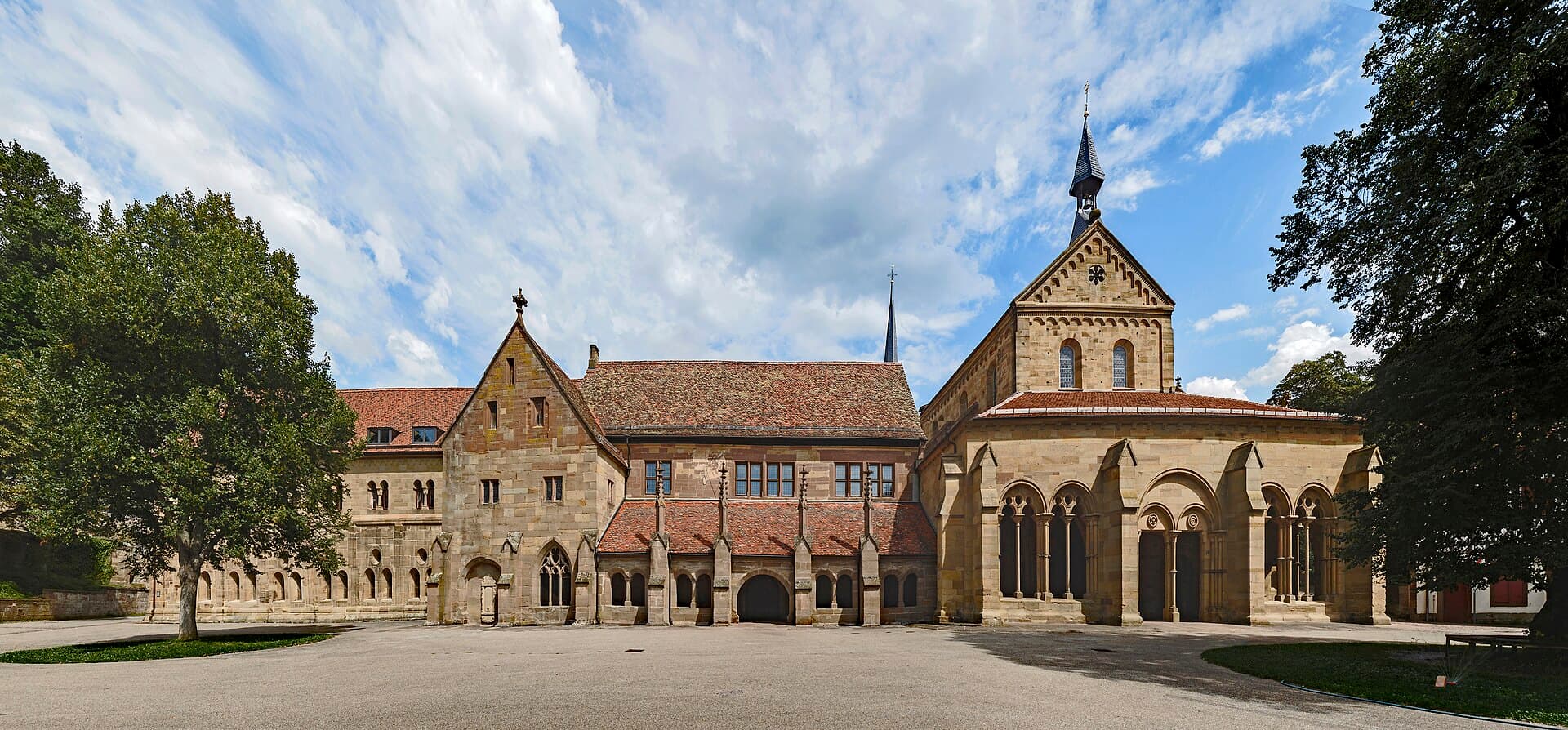
Maulbronn, GermanyH. Zell / CC BY-SA 3.0, via Wikimedia Commons
DE

Maulbronn

Where ancient stones recount eras of monks, scholars, and innovation.

The secrets of Maulbronn

Maulbronn, as no one tells it.

Not the postcards. The stories even locals don't know — whispered in your ear, right where they happened.

3 secrets below. Many more wait inside the tour.
The Paradise

This grand entrance hall to the monastery church bears a name that hints at a lost artistic splendor.

Full story unlocks in the tour
The Fountain House

More than just a source of water, this elegant structure served a dual purpose for the Cistercian monks.

Full story unlocks in the tour
The Monastery Mill

The serene mill, now housing seminary students, was powered by an ingenious system designed by the monks centuries ago.

Full story unlocks in the tour
The full tour

Discover every secret of Maulbronn

Every address, every reveal in full — in your ear, right where it happened.

Get the key to Maulbronn

You pick your stops. You walk. The voice reveals what the others miss.

Choose your time

How long do you have in Maulbronn?

No tours available yet. Check back soon — we're preparing them.

About Maulbronn

The story of Maulbronn

Maulbronn, a town in Baden-Württemberg, Germany, contains one of Europe's most remarkably preserved medieval monastic complexes: Maulbronn Monastery. This UNESCO World Heritage site, established by Cistercian monks in 1147, offers a tangible journey through centuries of history, displaying a blend of Romanesque and Gothic architectural styles.

The monastery complex is more than just a church; it is a complete monastic town enclosed by medieval walls and towers, featuring various buildings like workshops, granaries, and residential structures. Its exceptional state of preservation provides a rare and authentic glimpse into the spiritual and economic life of Cistercian monks from the 12th to the 16th centuries.

Beyond its architectural grandeur, Maulbronn is also recognized for its sophisticated medieval water management system, an intricate network of drains, canals, and reservoirs that sustained the monastic community and influenced the surrounding landscape. This harmonious integration of human endeavor and natural resources makes Maulbronn a site of profound historical and cultural significance.

History

From Cistercian Abbey to Protestant Seminary

The history of Maulbronn Monastery began in 1147 when Cistercian monks, initially struggling at a less suitable location in Eckenweiher, were granted land in the Salzach valley by the Bishop of Speyer. The name "Maulbronn" itself is tied to a legend of a mule (Maultier) finding a spring, the "Mulenbrunnen," which signaled the ideal spot for their new home. Construction of the monastery church, primarily in the Romanesque style, commenced shortly after and was completed in 1178.

Over the following centuries, Maulbronn flourished, evolving into a significant economic, spiritual, and political center. The Cistercians, following their motto "Ora et labora" (Pray and work), actively shaped the progress of the town and region. The monastery's architecture evolved, incorporating Gothic elements that were first introduced to the German-speaking world here, particularly in the church's narthex (the Paradise), the south wing of the cloister, and the monks' refectory.

The Reformation brought significant upheaval. In 1504, the monastery was seized by Duke Ulrich of Württemberg, and after periods of unrest and plundering, it was secularized in 1534. Though briefly returned to the Cistercians, Duke Christoph of Württemberg ultimately established a Protestant boarding school within the complex in 1556. This institution, now known as the Evangelical Theological Seminary, continues to operate within the monastery walls, counting notable figures like astronomer Johannes Kepler and writers Friedrich Hölderlin and Hermann Hesse among its former pupils. Maulbronn Monastery was finally secularized by King Frederick I in 1806. Recognized for its exceptional preservation, the monastery complex was designated a UNESCO World Heritage site in 1993, a testament to its enduring historical and architectural significance.

What to see

The Maulbronn Monastery complex offers a comprehensive look into medieval monastic life. Begin your exploration at the monastery church, a remarkable example of the transition from Romanesque to early Gothic architecture. Pay close attention to the "Paradise," the church's entrance hall, which displays early Gothic design. The nearly 900-year-old original doors of the church are among the oldest in Germany.

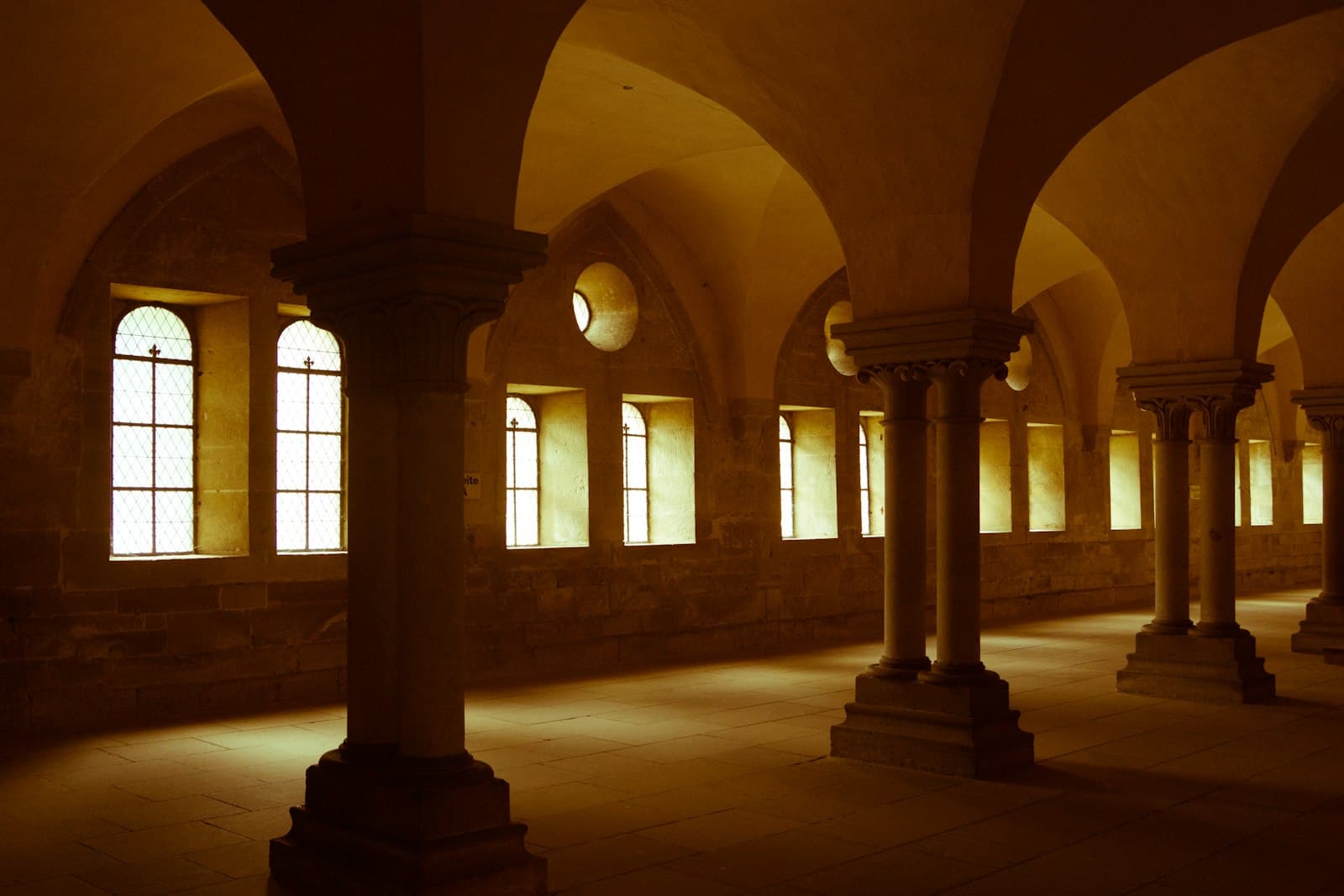
Walk through the Gothic cloister, a central element of monastic life, and visit the Fountain House, a striking landmark that once served both practical and ritualistic purposes. Explore the monks' refectory, a tall and airy hall, and the chapter house with its intricate ribbed vaulting. The complex also includes the lay refectory, dormitory, and various outbuildings like the former forge and wheelwright's workshops, providing a complete picture of a self-sufficient community.

Beyond the main monastic buildings, the surrounding cultural landscape, shaped by the Cistercians, is integral to the experience. Discover the extensive water management system, including canals and fish ponds like the Aalkistensee, which highlight the monks' engineering prowess. The Fruchtkasten, a 13th-century building rebuilt in 1580, now serves as a concert hall.

When to visit

Maulbronn Monastery is open year-round, offering different experiences depending on the season. From March to October, the monastery is open daily from 9:30 AM to 5:30 PM. During the winter months, from November to February, it operates from Tuesday to Sunday, 10:00 AM to 4:30 PM. Visiting in spring is recommended for viewing the magnolia blossoms. The monastery also hosts concerts, particularly the Maulbronn Monastery Concerts from May to September, which utilize the unique acoustics of the historic buildings.

Practical

The Maulbronn Monastery Complex is located at Klosterhof 5, 75433 Maulbronn, Germany. To reach it, take a train to Mühlacker and then a 20-minute bus ride (number 700) to the site. Entry to the outdoor areas and the church is free, but a ticket is required to access the interior of the monastery buildings and the monks' side of the church. Adult tickets are €10, with reduced admission available for children aged 6 and over, students, and individuals with disabilities. Guided tours and audio guides are available in several languages, including English. There are also restaurants and cafés nearby for dining options.

Good to know
What is Maulbronn Monastery known for?
Maulbronn Monastery is renowned as the most complete and best-preserved medieval Cistercian monastery complex north of the Alps. It is also significant for being one of the first places where Gothic architecture was implemented in the German-speaking world.
Is Maulbronn Monastery a UNESCO World Heritage site?
Yes, Maulbronn Monastery was declared a UNESCO World Heritage site in 1993 due to its exceptional preservation and its innovative water management system.
What architectural styles can be seen at Maulbronn Monastery?
The monastery complex displays a blend of architectural styles, primarily Romanesque and Gothic, illustrating the transition between these periods.
Are there guided tours available at Maulbronn Monastery?
Yes, guided tours are available, and audio guides are offered in various languages, including English.
Can you eat at Maulbronn Monastery?
While there are no direct dining facilities within the core monastery buildings, there are restaurants and cafés located around the monastery complex.
What famous people are associated with Maulbronn Monastery?
Notable figures such as astronomer Johannes Kepler and writers Friedrich Hölderlin and Hermann Hesse were once pupils at the Protestant seminary housed within the monastery complex.
Maulbronn
From€9.00
No booking · activate anytime · 12h to walk it
Get the key to Maulbronn