Fiume Kiwira
Il Fiume Kiwira custodisce un segreto che la gente del posto condivide con un misto di riverenza e cautela.
La storia completa si sblocca nel tour
 Mazplusfly / CC BY-SA 4.0, via Wikimedia Commons
Tour audio autoguidato di Mbeya — percorso GPS a piedi, riproduzione offline, narrazione coinvolgente in 32 lingue.
“Dove le cime vulcaniche incontrano valli verdeggianti e antiche rotte commerciali sussurrano nuove storie.”
Non le cartoline. Le storie che nemmeno i locali conoscono — sussurrate nel tuo orecchio, proprio dove sono accadute.
Il Fiume Kiwira custodisce un segreto che la gente del posto condivide con un misto di riverenza e cautela.
Uno dei più grandi visitatori celesti del mondo riposa tranquillamente su una collina tanzaniana, il suo arrivo avvolto in un sorprendente silenzio.
C'è un luogo negli altopiani conosciuto come il 'Giardino di Dio', ma il suo vero splendore è uno spettacolo stagionale che pochi si aspettano.
Scopri ogni segreto di Mbeya
Ogni indirizzo, ogni rivelazione completa — nel tuo orecchio, proprio dove è accaduta.
Scegli le tue tappe. Cammini. La voce rivela ciò che gli altri perdono.


Il tuo tour audio autoguidato di Mbeya è pronto — scegli i tuoi punti di interesse, seleziona la tua lingua e inizia nel momento in cui arrivi.
AcquistaLume include una guida in realtà aumentata. Alza il telefono: la fotocamera mostra la strada davanti a te, con una freccia luminosa sovrapposta all'immagine reale che punta sempre verso la tua prossima tappa — nessuna mappa da decifrare, nessuna svolta sbagliata. Come tutto in Lume, funziona completamente offline.
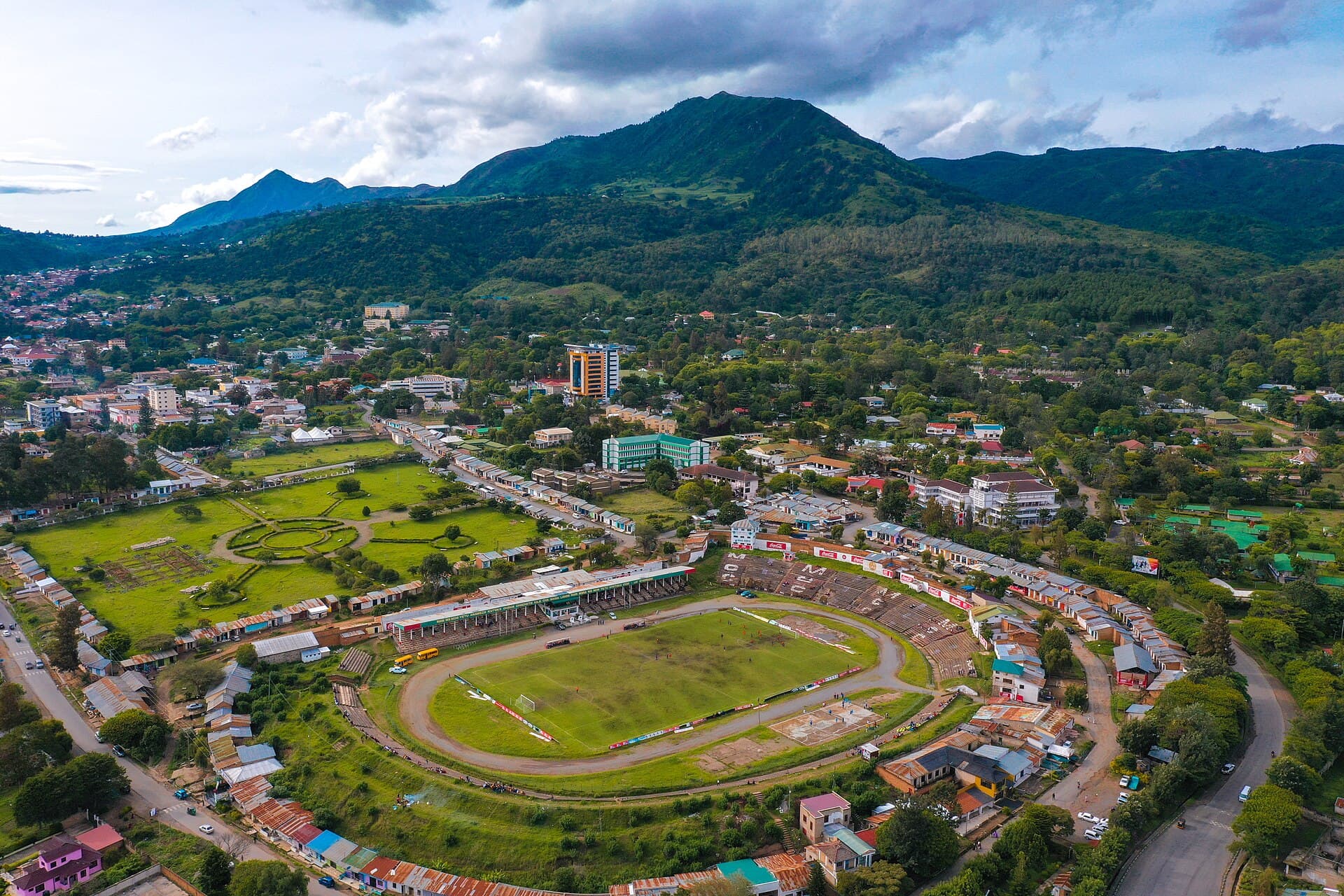
Mbeya, una città negli altopiani sudoccidentali della Tanzania, offre un rinfrescante contrasto con il calore costiero del paese e i circuiti safari ben battuti. Situata a circa 1.700 metri di altitudine, si estende attraverso una stretta valle montana incorniciata da montagne, guadagnandosi il soprannome di 'Scozia d'Africa' grazie alle sue verdi colline e al clima fresco e nebbioso. Essendo un importante centro urbano e un cruciale snodo di transito, Mbeya collega la Tanzania con le vicine Zambia e Malawi, fungendo da porta d'accesso ad alcune delle meraviglie naturali meno esplorate del paese.
I fertili suoli vulcanici della regione e le piogge costanti contribuiscono al suo status di importante potenza agricola. Mbeya è un produttore leader di mais, riso, banane e caffè, in particolare della varietà Arabica, che prospera nel clima fresco degli altopiani. Oltre alla sua importanza agricola, Mbeya presenta un mix di cultura tradizionale tanzaniana e un'atmosfera laboriosa, offrendo un'autentica esperienza di viaggio a coloro che cercano di avventurarsi oltre i tipici percorsi turistici.
Le origini di Mbeya risalgono all'inizio del XX secolo, in particolare agli anni '20, a seguito di una corsa all'oro nella regione. Depositi d'oro furono scoperti nel 1906 nel Lupa Goldfield, portando alla fondazione di Mbeya come città mineraria d'oro per cercatori. Inizialmente un piccolo accampamento, l'insediamento crebbe con l'aumento dell'estrazione dell'oro, attirando migranti e imprenditori nell'area. La città e i suoi dintorni furono sotto amministrazione britannica fino all'indipendenza del Tanganica nel 1961.
Oltre ai suoi inizi minerari, la posizione geografica strategica di Mbeya in una fertile valle montana si rivelò fondamentale per il suo sviluppo. Il nome 'Mbeya' stesso si ritiene derivi dalla parola Safwa Ibheya, che significa 'sale', riflettendo il suo ruolo storico di vitale crocevia per le carovane commerciali del XIX secolo che trasportavano sale e avorio dal Lago Tanganica alla costa dell'Oceano Indiano. Dopo l'era della corsa all'oro, l'economia si spostò verso l'agricoltura, con il clima e i suoli favorevoli della regione che le permisero di diventare un importante produttore di varie colture, guadagnandosi il titolo di 'granaio' della Tanzania.
Un punto di svolta significativo nella storia di Mbeya fu la costruzione della Ferrovia Tanzania-Zambia (TAZARA) tra il 1970 e il 1975. Questo ambizioso progetto, finanziato e supportato dalla Cina, collegò il porto di Dar es Salaam con Kapiri Mposhi in Zambia, trasformando Mbeya in un hub strategico di trasporto e commercio per la Tanzania meridionale e i paesi vicini. La costruzione della ferrovia coinvolse migliaia di lavoratori cinesi e africani, posando binari attraverso terreni difficili, inclusa la ripida scarpata delle Montagne Udzungwa. Mbeya ha ufficialmente ricevuto lo status di città il 1° luglio 2005 e la sua accessibilità è ulteriormente migliorata con l'apertura dell'Aeroporto Internazionale di Songwe nel 2012.
Mbeya e la sua regione circostante offrono una ricchezza di attrazioni naturali. Una notevole meraviglia naturale è il Lago del Cratere di Ngozi, il secondo lago vulcanico craterico più grande dell'Africa, situato a circa 38 km a sud di Mbeya. Un'escursione al suo bordo rivela acque verde smeraldo spesso avvolte nella nebbia, circondate da fitta foresta ricca di avifauna e scimmie colobo.
A sud-est della città si trova il Parco Nazionale del Kitulo Plateau, affettuosamente conosciuto come il 'Giardino di Dio' o il 'Serengeti dei Fiori'. Questo altopiano subalpino è celebrato per la sua flora diversificata, tra cui 45 specie di orchidee terrestri e altri fiori selvatici, che creano uno spettacolo spettacolare durante la stagione delle piogge. Per coloro che cercano panorami ampi, l'escursionismo sul Picco Loleza (2.656 m) e sul Picco Mbeya (2.837 m) nella Catena di Mbeya offre ampie vedute degli altopiani meridionali.
Un altro sito unico è il Meteorite di Mbozi, una roccia celeste ricca di ferro del peso di oltre 12 tonnellate, situata sulla collina di Marengi a circa 70 chilometri da Mbeya. Si erge come uno dei più grandi meteoroidi del mondo ed è una tappa affascinante per gli interessati alla geologia. Il Fiume Kiwira offre diverse meraviglie geologiche, tra cui il ponte naturale di roccia noto come 'Daraja la Mungu' (Ponte di Dio) e il 'Kijungu' (pentola da cucina), un gorgo. Inoltre, Matema Beach sul Lago Malawi, a circa 100 chilometri a sud di Mbeya, offre opportunità di relax, nuoto, kayak e snorkeling tra oltre 1.000 specie endemiche di ciclidi.
Mbeya gode di un clima subtropicale d'altopiano con estati umide e inverni secchi. La temperatura tipicamente varia tra 7°C (45°F) e 26°C (79°F) durante tutto l'anno. La stagione secca, da giugno a ottobre, è generalmente considerata il periodo migliore per visitare per attività all'aperto con clima caldo come escursioni ed esplorazione di laghi craterici, poiché i sentieri sono meno fangosi e i cieli più limpidi. Per gli amanti della natura desiderosi di vedere i fiori selvatici e le orchidee del Kitulo Plateau, la stagione delle piogge (novembre-aprile) è ideale, con gennaio-marzo come picco di fioritura.
Mbeya è accessibile via aerea tramite l'Aeroporto Internazionale di Songwe (MBI), situato a soli 1,1 km dal centro città, che offre comodi collegamenti con destinazioni importanti come Dar es Salaam. Per i viaggi via terra, Mbeya è una tappa chiave sulla 'Great North Road' che collega Città del Capo ad Alessandria, e la ferrovia TAZARA offre servizi ferroviari tra Dar es Salaam e Kapiri Mposhi, Zambia. I trasporti locali all'interno della città e verso le attrazioni vicine spesso includono i dala-dala (minibus).
Grazie alla sua altitudine, il clima di Mbeya è più fresco rispetto alle aree costiere della Tanzania, specialmente la sera e durante la stagione secca. Si consiglia di portare strati caldi, come un pile o un maglione, insieme a scarpe comode e robuste per esplorare il terreno collinare e i sentieri escursionistici. Sebbene Mbeya sia generalmente considerata sicura, è sempre saggio essere consapevoli di ciò che vi circonda ed esercitare cautela, in particolare per quanto riguarda le truffe sui biglietti degli autobus quando si viaggia verso paesi vicini come il Malawi. La lingua principale parlata è lo Swahili colloquiale, con l'inglese ampiamente insegnato nelle scuole.
Mbeya — coreano, cinese, ebraico e altre 29 lingue, ogni tappa narrata da una voce madrelingua. La più ampia scelta di lingue tra i tour audio autoguidati.
Disponibile in: