Plaza Botero
Знаменитые пышные бронзовые фигуры Фернандо Ботеро, заполняющие площадь Ботеро, имеют менее известный секрет, который говорит о тонком остроумии художника.
Полная история открывается в туре
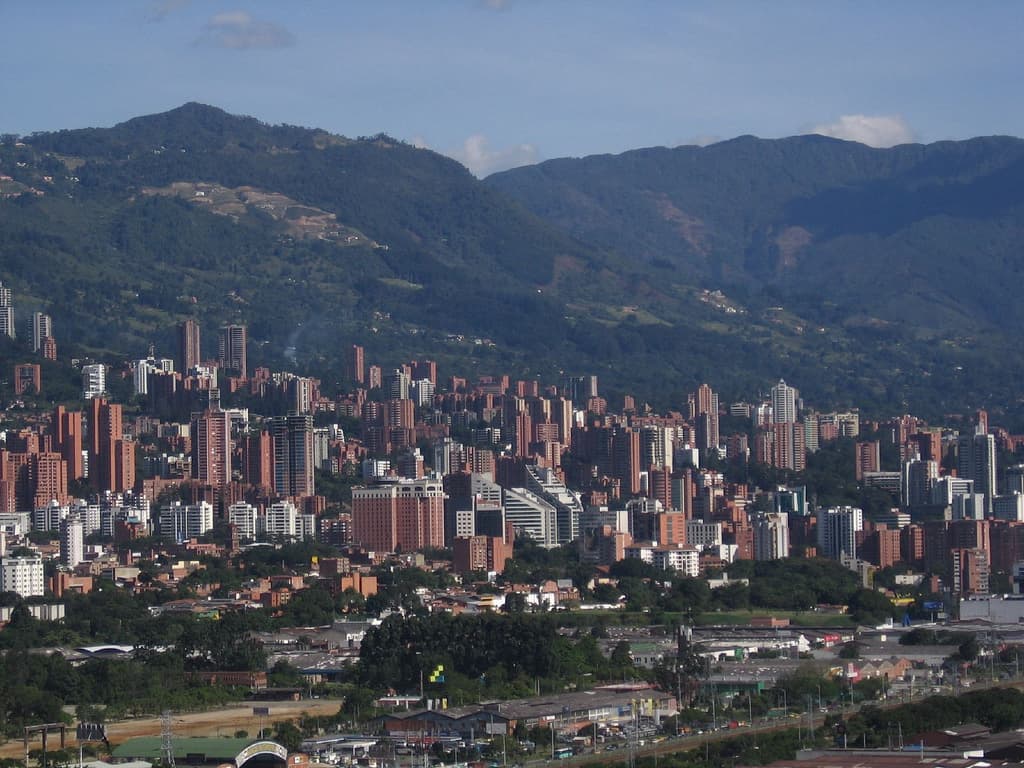 Daniel-1-1 / CC BY 3.0, via Wikimedia Commons
Самостоятельная аудиопрогулка по Медельин — GPS-маршрут, офлайн-воспроизведение, увлекательное повествование на 32 языках.
“Медельин: Где изобретательность расцветает в «Городе вечной весны».”
Не открытки. Истории, которые не знают даже местные жители — шепотом в вашем ухе, прямо там, где они произошли.
Знаменитые пышные бронзовые фигуры Фернандо Ботеро, заполняющие площадь Ботеро, имеют менее известный секрет, который говорит о тонком остроумии художника.
Коммуна 13 известна своим уличным искусством и преобразующими эскалаторами, но история первоначального влияния эскалаторов более глубока, чем простое удобство.
Система Метрокабеля в Медельине является культовой частью его общественного транспорта. Однако ее первоначальное назначение выходит за рамки живописных поездок.
Откройте для себя каждый секрет Медельин
Каждый адрес, каждое полное раскрытие — в вашем ухе, прямо там, где это произошло.
Вы выбираете остановки. Вы гуляете. Голос раскрывает то, что упускают другие.

В Lume встроен гид дополненной реальности. Поднимите телефон: камера показывает улицу перед вами, а поверх реального изображения светится стрелка, всегда указывающая на вашу следующую остановку — не нужно разбираться с картой и сворачивать не туда. Как и всё в Lume, это работает полностью офлайн.
Медельин, часто называемый "Городом вечной весны" за его постоянный мягкий климат, является очаровательным мегаполисом в долине Абурра в Андах. Когда-то известный в основном своим бурным прошлым, Медельин претерпел замечательную трансформацию, став центром инноваций, культуры и городской жизни. Его горное расположение обеспечивает драматические пейзажи и обширные виды, в то время как сам город пульсирует предпринимательским духом и глубоким уважением к искусству, музыке и танцам.
Посетители Медельина открывают для себя динамичный город, который органично сочетает традиции с современностью. От его первоклассной системы общественного транспорта, включая новаторский Метрокабель, до его растущей кулинарной сцены и оживленной ночной жизни, Медельин предлагает широкий спектр впечатлений. Теплота и гостеприимство его жителей, известных как пайсы, часто отмечаются путешественниками, что способствует привлекательной атмосфере города.
Долина Абурра, где сейчас находится Медельин, была впервые исследована испанскими конкистадорами в 1541 году. Официальное основание небольшого поселения коренных народов Сан-Лоренцо-де-Абурра Франсиско де Эррера Кампусано было зафиксировано в 1616 году в коммуне, которая сейчас называется Эль-Побладо. В 1675 году поселение было официально признано "Виллой Нуэстра-Сеньора-де-ла-Канделария-де-Медельин" королевой Марианной Австрийской. Название города, "Медельин", перекликается с городом в Испании, отражая его колониальное наследие.
На протяжении XIX века Медельин рос как динамичный коммерческий центр, первоначально движимый экспортом золота, а затем бурно развивающейся кофейной промышленностью. В 1826 году он был объявлен столицей департамента Антиокия, что укрепило его региональное значение. В начале XX века Медельин зарекомендовал себя как "промышленная столица" Колумбии, с быстрым развитием в текстильной, швейной и металлургической промышленности. Завершение строительства Панамского канала и прибытие железной дороги после 1914 года еще больше стимулировали его рост, превратив его в важнейший транспортный узел.
В конце XX века город столкнулся со значительными трудностями, поскольку Медельин стал центром наркотрафика, что привело к периоду интенсивного насилия и преступности. Однако с 1990-х годов город претерпел замечательное возрождение. Благодаря стратегическому городскому планированию, инвестициям в образование, безопасность и социальное развитие, Медельин превратился в символ стойкости и инноваций. В 2013 году он был признан "Самым инновационным городом мира" Институтом городского землепользования и The Wall Street Journal, а в 2016 году получил премию Ли Куан Ю за устойчивую городскую трансформацию. Сегодня Медельин — процветающий мегаполис, ежегодно привлекающий миллионы посетителей и демонстрирующий глубокую приверженность прогрессу и сообществу.
Начните свое исследование на площади Ботеро, парке скульптур под открытым небом, где представлены 23 монументальные бронзовые работы художника из Медельина Фернандо Ботеро. Рядом с площадью Музей Антиокии хранит больше работ Ботеро, а также коллекцию колумбийских произведений. Для более глубокого понимания недавней истории города и его трансформации посетите Музей-дом памяти (Museo Casa de la Memoria), который рассказывает о колумбийском конфликте с точки зрения его жертв.
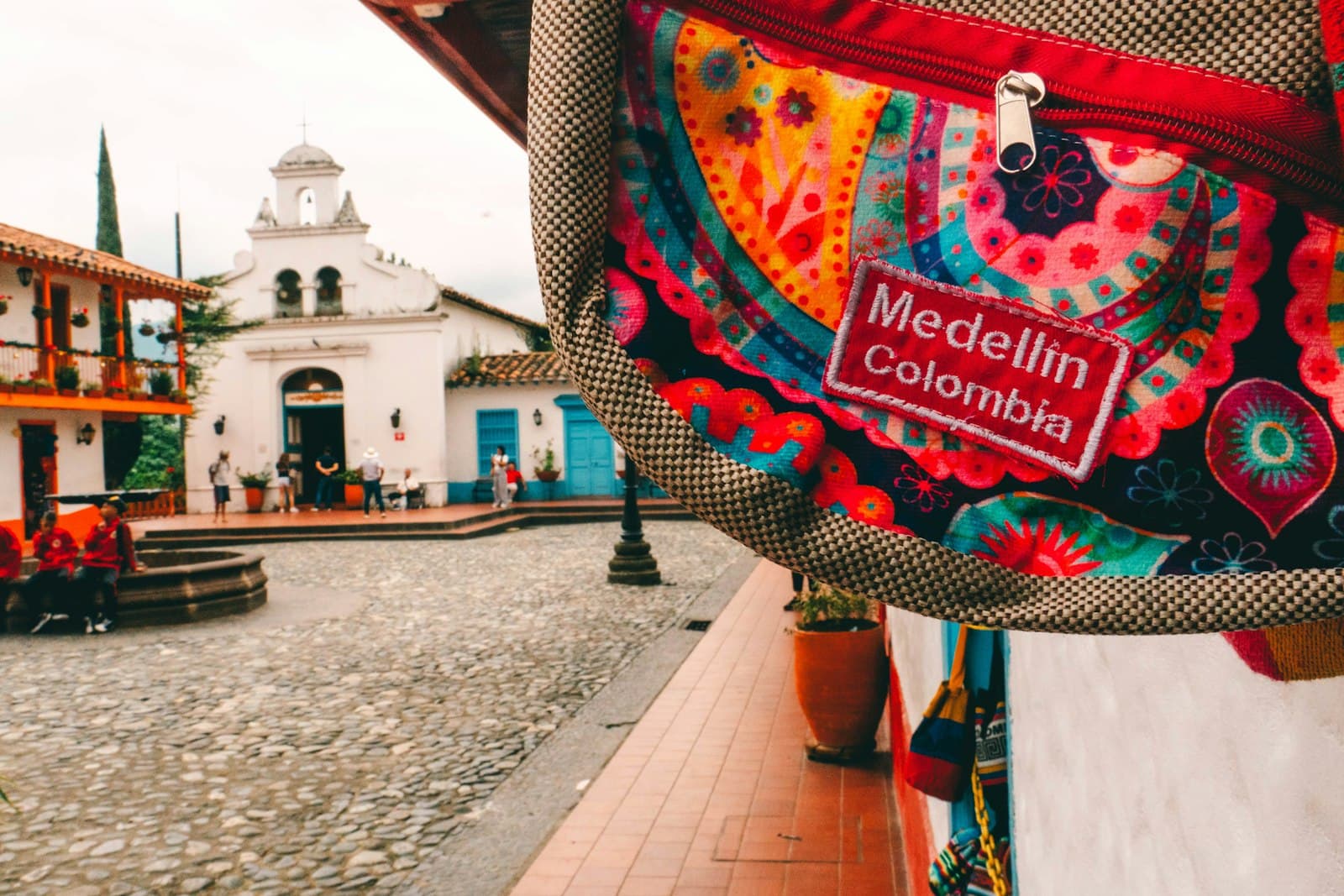
Испытайте инновационный общественный транспорт Медельина, прокатившись на Метрокабеле. Линии K и L предлагают захватывающие виды на город, поднимаясь в холмистые коммуны. Тур по улицам с граффити в Коммуне 13 стоит того, он демонстрирует уличное искусство, выступления брейк-дансеров и уличные эскалаторы, символизирующие возрождение района. Для спокойного отдыха прогуляйтесь по Ботаническому саду Хоакина Антонио Урибе, бесплатному оазису с разнообразной растительностью. Завершите свой день любованием закатом с Пуэблито Пайса, копией традиционной деревни Антиокии на вершине Серро Нутибара, откуда открывается панорамный вид на раскинувшийся город.
Медельин известен как "Город вечной весны" благодаря своим постоянным мягким температурам, в среднем 22°C (72°F) круглый год. В городе два относительно сухих сезона: с декабря по март и с июня по август. Эти месяцы предлагают больше солнечного света и идеально подходят для активного отдыха. Сезоны дождей приходятся на апрель-май и сентябрь-ноябрь, принося более частые, хотя и часто короткие, послеобеденные ливни. Август — популярное время для посещения Ферии де лас Флорес (Фестиваля цветов), крупного культурного мероприятия с парадами и выставками цветов. Декабрь также является высоким сезоном с праздничными рождественскими огнями.
Местная валюта в Медельине — колумбийский песо (COP). Хотя кредитные карты принимаются во многих заведениях, наличие мелких купюр полезно для мелких покупок и оплаты местного транспорта. Мало кто говорит по-английски, поэтому знание нескольких основных испанских фраз значительно обогатит ваш опыт.
Международный аэропорт Хосе Мария Кордова (MDE) находится примерно в 45 минутах езды от города. Для передвижения по городу настоятельно рекомендуется использовать интегрированную систему метро, включая линии Метрокабеля, благодаря ее эффективности, безопасности и доступности. Вы можете приобрести разовые билеты (UniViajes) на любой станции метро или карту Cívica для длительного пребывания. Такси и приложения для вызова автомобилей, такие как Uber, DiDi и Cabify, также легко доступны, хотя использование приложений часто рекомендуется для безопасности и фиксированных тарифов, особенно ночью. Избегайте ловить уличные такси ночью в незнакомых районах. Мелкие кражи, такие как кража телефонов и кошельков, распространены, поэтому будьте бдительны, избегайте демонстрации ценностей и следите за своим окружением, особенно в людных местах и ночью.
Медельин: корейский, китайский, иврит и ещё 29 языков — каждую остановку озвучивает носитель языка. Самый широкий выбор языков среди аудиоэкскурсий без гида.
Доступные языки: