Medalta im Historic Clay District
Jenseits der Töpferscheiben und Öfen wurde in den Mauern der Fabrik eine Flasche Spirituosen entdeckt.
Die ganze Geschichte wird in der Tour freigeschaltet
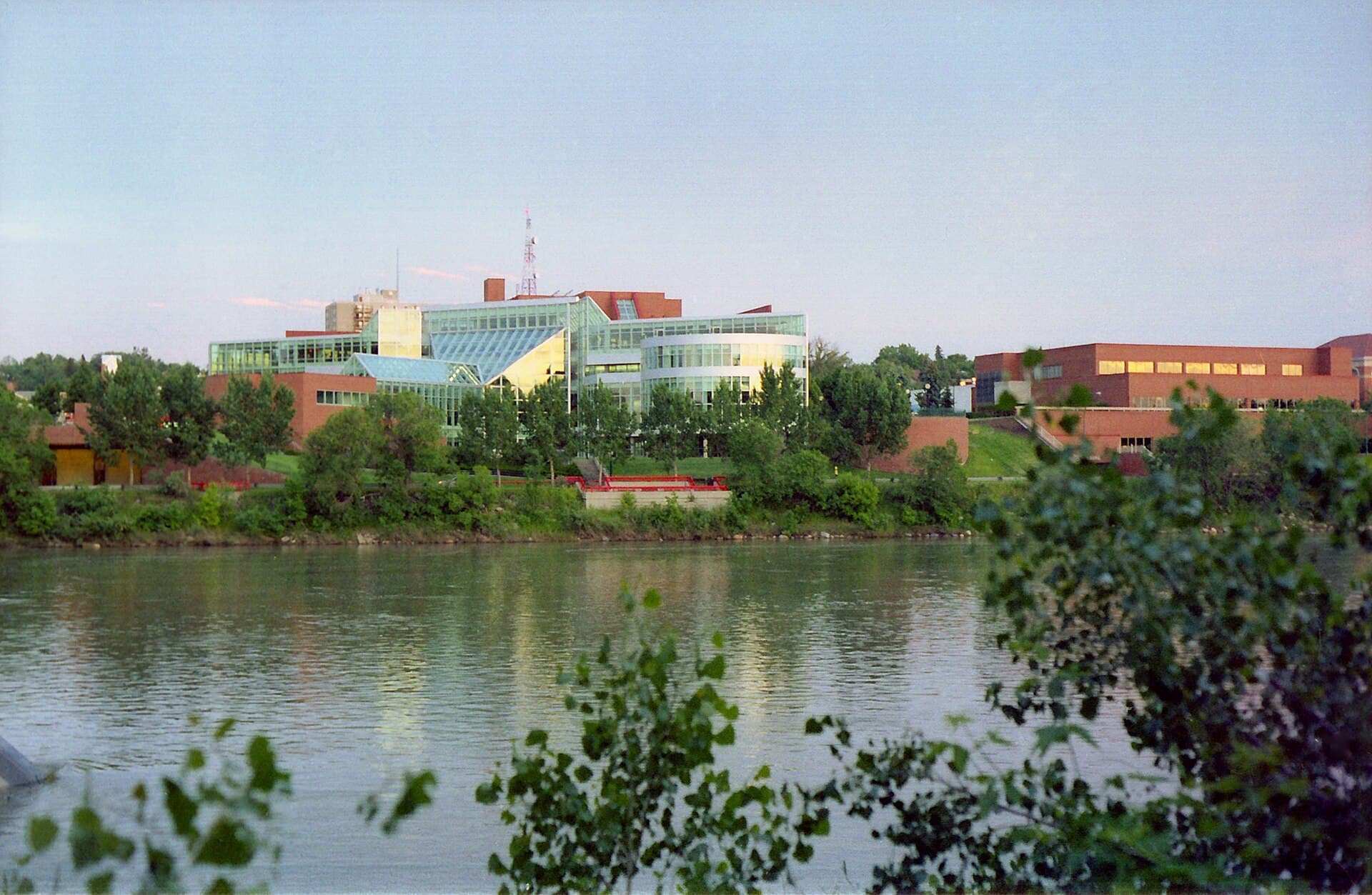 Ken Eckert / CC BY-SA 4.0, via Wikimedia Commons
Selbstgeführte Audio-Walking-Tour durch Medicine Hat — GPS-Route, Offline-Wiedergabe, erzählerische Narration in 32 Sprachen.
“Wo die Prärien auf die Coulees treffen und die Sonne immer scheint.”
Nicht die Postkarten. Die Geschichten, die selbst Einheimische nicht kennen – dir ins Ohr geflüstert, genau dort, wo sie geschahen.
Jenseits der Töpferscheiben und Öfen wurde in den Mauern der Fabrik eine Flasche Spirituosen entdeckt.
Der unverwechselbare Name der Stadt, 'Medicine Hat', stammt aus einer indigenen Legende über eine mächtige Kopfbedeckung und einen Schlangengeist.
Rudyard Kipling, der gefeierte Autor, gab Medicine Hat einst einen ziemlich feurigen Spitznamen, den Sie jetzt auf einem Wandgemälde in der Innenstadt verewigt finden.
Entdecke jedes Geheimnis von Medicine Hat
Jede Adresse, jede Enthüllung vollständig – in deinem Ohr, genau dort, wo es geschah.
Du wählst deine Stationen. Du gehst. Die Stimme enthüllt, was andere übersehen.


Deine selbstgeführte Audio-Tour durch Medicine Hat ist bereit – wähle deine Sehenswürdigkeiten, deine Sprache und starte, sobald du ankommst.
KaufenLume enthält einen integrierten Augmented-Reality-Guide. Halten Sie Ihr Handy hoch: Die Kamera zeigt die Straße vor Ihnen, mit einem leuchtenden Pfeil über dem echten Bild, der immer auf Ihren nächsten Stopp zeigt — keine Karte zum Rätseln, keine falschen Abzweigungen. Wie alles bei Lume funktioniert es komplett offline.
Medicine Hat, Alberta, oft als "The Gas City" und "Kanadas sonnigste Stadt" bezeichnet, ist eine lebendige Gemeinde am Südufer des South Saskatchewan River. Mit durchschnittlich 330 Sonnentagen im Jahr bietet sie eine einzigartige Mischung aus natürlicher Schönheit, industriellem Erbe und einer einladenden, entspannten Atmosphäre. Die Landschaft der Stadt wird von dramatischen Canyons und sanften Prärien geprägt, die eine malerische Kulisse für Abenteuer im Freien und eine Heimat für vielfältige Tierwelt bieten.
Mehr als nur ihre sonnige Veranlagung, bietet Medicine Hat eine begehbare Innenstadt voller historischer Backsteingebäude, unabhängiger Geschäfte, Restaurants und einer wachsenden Kunstszene. Vom höchsten Tipi der Welt bis zu einer nationalen historischen Stätte, die ihre Tonindustrie-Vergangenheit bewahrt, bietet Medicine Hat eine reizvolle Mischung aus Kulturerbe und spannenden Erlebnissen für alle Besucher.
Die Geschichte von Medicine Hat ist eng mit seinen natürlichen Ressourcen und der Ankunft der Canadian Pacific Railway (CPR) verbunden. Im Jahr 1883 entstand im Tal des South Saskatchewan River eine Zeltstadt, als CPR-Teams eine Brücke bauten. Die Siedlung wurde nach Legenden der First Nations benannt, wobei 'Medicine Hat' vom Schwarzfußwort 'Saamis' abgeleitet ist, was 'Hut des Medizinmanns' bedeutet. Zu den frühen Siedlern gehörten Métis und aus Ontario stammende Personen, gefolgt von deutschsprachigen Einwanderern in den 1890er Jahren.
Ein entscheidender Moment ereignete sich, als die CPR bei der Bohrung nach Wasser westlich der Stadt auf Erdgas stieß. Diese Entdeckung leitete die Erschließung eines der größten Gasfelder Nordamerikas ein und brachte Medicine Hat seinen bleibenden Spitznamen "The Gas City" ein. Die Fülle an preiswertem Erdgas befeuerte eine rasche industrielle Entwicklung, insbesondere in der Tonverarbeitung. Anfang des 20. Jahrhunderts wurde Medicine Hat zu einem bedeutenden Zentrum für Keramikproduktion in Westkanada, mit Ziegeleien, Töpfereien und Glasflaschenfabriken.
Medicine Hat wurde am 31. Oktober 1898 als Stadt und am 9. Mai 1906 als City eingemeindet. Die Stadt wuchs weiter und erlebte zwischen 1909 und 1914 einen wirtschaftlichen Aufschwung, der ihre Einwohnerzahl auf über 10.000 ansteigen ließ. Während des Zweiten Weltkriegs beherbergte Medicine Hat auch eines der größten Kriegsgefangenenlager Kanadas. Heute zeugt Medicine Hat von seiner industriellen Vergangenheit, mit historischen Gebäuden aus den 1900er Jahren, die noch sichtbar sind, und einem Engagement für die Bewahrung seines einzigartigen Erbes.
Beginnen Sie Ihre Erkundung am Saamis Tepee, dem höchsten Tipi der Welt mit einer Höhe von 215 Fuß. Dieses ikonische Wahrzeichen, das ursprünglich für die Olympischen Winterspiele 1988 in Calgary gebaut wurde, verfügt über zehn handbemalte Informationstafeln, die indigene Geschichte und Traditionen erzählen, und bietet einen Blick auf die Saamis-Ausgrabungsstätte, die über 83 Millionen Artefakte enthalten soll.
Machen Sie eine Zeitreise im Medalta in the Historic Clay District, einer nationalen historischen Stätte. Diese ehemalige Töpferei, die von 1912 bis 1954 in Betrieb war, bietet mit ihren erhaltenen Bienenwabenöfen und Maschinen einen faszinierenden Einblick in die industrielle Vergangenheit von Medicine Hat. Sie können eine selbstgeführte Tour machen oder sogar an einem Töpferkurs teilnehmen.
Tauchen Sie ein in die lokale Kultur im Esplanade Arts & Heritage Centre, einem künstlerischen Zentrum mit Museum, Kunstgalerie und einem Theater mit 700 Sitzplätzen. Gleich nebenan entdecken Sie das Ewart Duggan House, Albertas älteste Ziegelresidenz, erbaut 1887 aus lokal hergestellten Ziegeln.
Für Outdoor-Enthusiasten bietet der Police Point Park ruhige Spaziergänge, Vogelbeobachtung und Wanderwege entlang des South Saskatchewan River. Der Echo Dale Regional Park bietet eine Flusslandschaft mit zwei Seen zum Schwimmen und Bootfahren, einem Bauernhof aus den 1900er Jahren und einer historischen Kohlemine. Erkunden Sie die lebhafte Innenstadt, geschmückt mit bunten Wandgemälden, die die Geschichte und Kultur der Stadt darstellen.
Medicine Hat ist als Kanadas sonnigste Stadt bekannt, was sie das ganze Jahr über zu einem angenehmen Reiseziel macht. Für Aktivitäten bei warmem Wetter ist die beste Zeit für einen Besuch von Anfang Juli bis Mitte August, wenn die Durchschnittstemperaturen zwischen 20°C und 28°C liegen. Auch der Juni bietet mild kühle Temperaturen und ist eine gute Besuchszeit. Selbst im Winter erlebt die Stadt oft milde Bedingungen aufgrund von Chinook-Winden, die weiterhin die Freude an Terrassen und Outdoor-Aktivitäten ermöglichen. Die Herbstmonate bieten kühlere Luft und wechselnde Blätter, perfekt für die Erkundung des ausgedehnten Wegenetzes.
Medicine Hat liegt günstig an der Trans-Canada Highway (Highway 1) und ist etwa drei Autostunden östlich von Calgary entfernt. Die Stadt wird auch vom Medicine Hat Airport (YXH) bedient, der zwei Meilen vom Stadtzentrum entfernt liegt. Für die Navigation in der Stadt ist ein Mietwagen eine praktische Option, mit verschiedenen Anbietern verfügbar. Die Innenstadt ist gut zu Fuß erkundbar, und im Sommer bietet der Sunshine Trolley geführte Touren zu prominenten Sehenswürdigkeiten.
Die Unterkunftsoptionen in Medicine Hat decken eine Reihe von Vorlieben ab, darunter zuverlässige Hotelketten, preisgünstige Motels und charmante Bed & Breakfasts, viele davon entlang des Trans-Canada Highway angesiedelt. Für diejenigen, die die Natur bevorzugen, stehen Campingplätze sowohl innerhalb der Stadt als auch in nahegelegenen Naturgebieten zur Verfügung. Angesichts der vielen Sonnenscheinstunden der Stadt ist es ratsam, Sonnenbrillen, einen breitkrempigen Hut und Sonnencreme mit hohem LSF mitzubringen, besonders während der heißen, trockenen Sommer.
Medicine Hat — Koreanisch, Chinesisch, Hebräisch und 29 weitere Sprachen, jede Station von einer muttersprachlichen Stimme erzählt. Die größte Sprachauswahl aller selbstgeführten Audiotouren.
Verfügbar auf: