Queen Isabella I of Castile chose a particular place in Medina del Campo for her final arrangements, a decision that etched the town into the annals of history.
Nelso Silva / CC BY-SA 2.0, via Wikimedia CommonsMedina del Campo
“Where queens shaped a kingdom and commerce forged a golden age.”
Medina del Campo, as no one tells it.
Not the postcards. The stories even locals don't know — whispered in your ear, right where they happened.
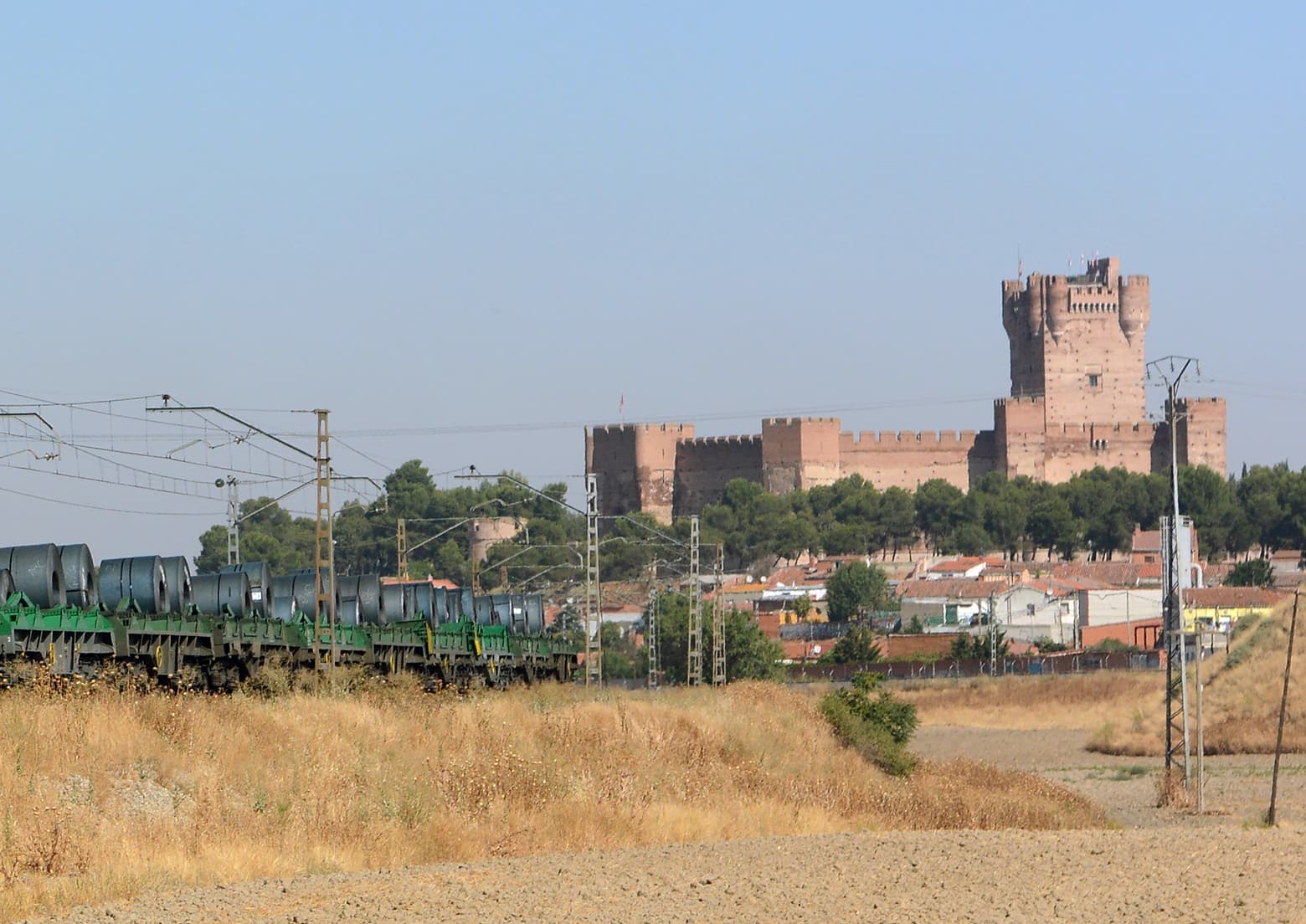
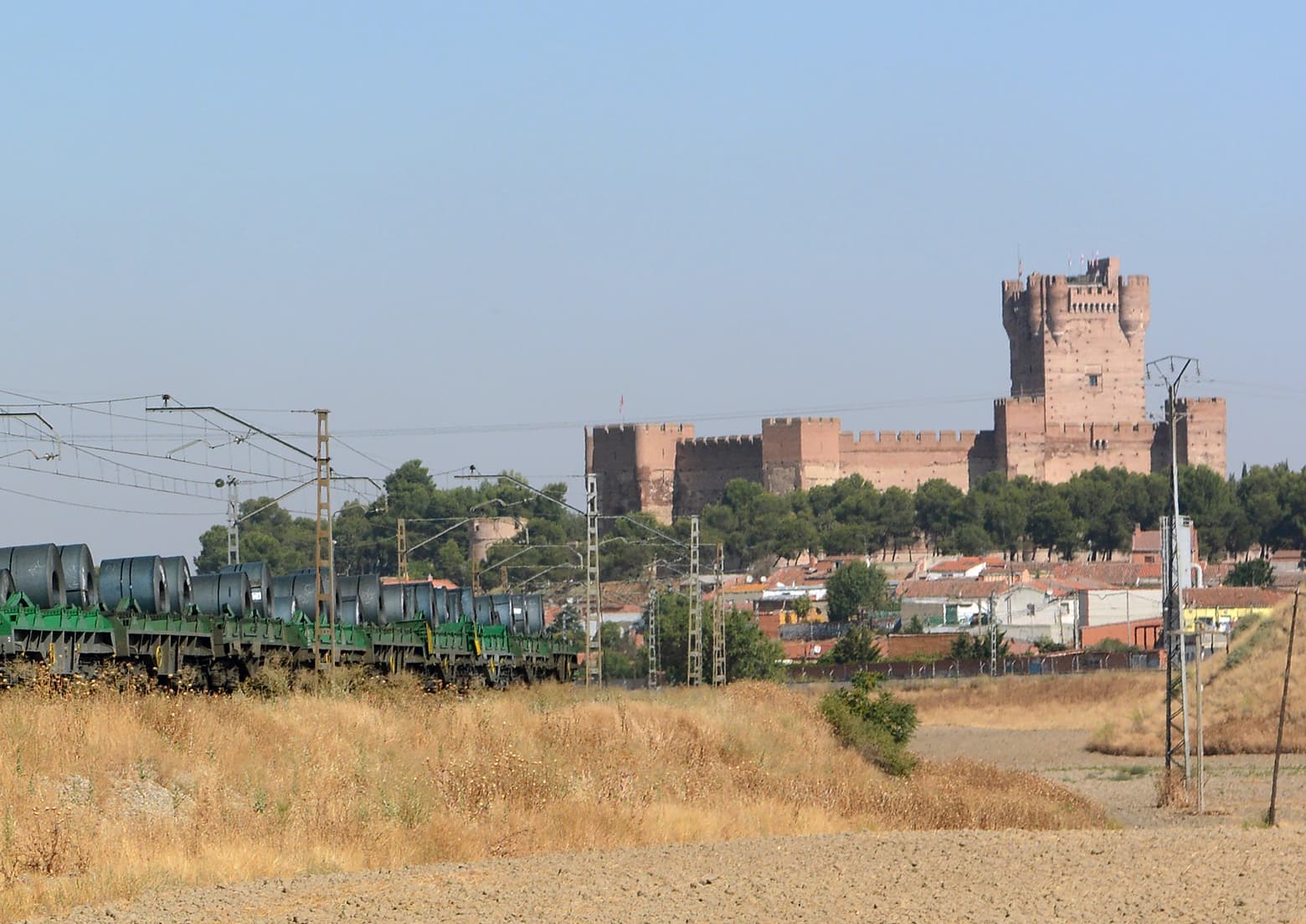
This formidable fortress, a symbol of Medina del Campo, once held a rather notorious figure within its confines.
The bustling fairs of Medina del Campo were more than just a marketplace; they formed a financial nexus that transformed commerce.
Discover every secret of Medina del Campo
Every address, every reveal in full — in your ear, right where it happened.
You pick your stops. You walk. The voice reveals what the others miss.
How long do you have in Medina del Campo?
No tours available yet. Check back soon — we're preparing them.
The story of Medina del Campo
Medina del Campo, a town within the autonomous community of Castile and León, occupies a significant position in Spanish history. Its name, 'Medina,' originates from the Arabic word for 'city,' hinting at its ancient foundations. Positioned along the banks of the Zapardiel river, this town blossomed into a major population center of the Kingdom of Castile by the 12th century. Today, Medina del Campo preserves a serene, historic atmosphere, inviting visitors to uncover its past at a thoughtful pace.
Known as the 'Town of Fairs,' Medina del Campo's prosperity was deeply intertwined with its renowned free fairs during the 15th and 16th centuries. These gatherings drew international merchants and bankers, establishing the town as a crucial economic and commercial heartland in Europe. Beyond its commercial prowess, Medina del Campo was also a favored abode of the Catholic Monarchs, particularly Queen Isabella I of Castile, who spent considerable time here.
## From Berber Settlement to Royal Seat Medina del Campo’s story stretches back to a Berber settlement, later repopulated after 1085. By the 12th century, it had grown into a substantial walled town within the Kingdom of Castile. The town’s strategic location in the central part of the Douro basin, along the banks of the Zapardiel river, contributed to its early development.
## The Golden Age of Fairs The true flourishing of Medina del Campo began in the 14th century, accelerating into its 'Golden Age' in the 15th and 16th centuries with the establishment of its influential fairs. These events, granted official status as 'General Fairs of the Kingdom' by the Catholic Monarchs in 1491, transformed Medina del Campo into one of Europe's most potent financial centers. Merchants from Castile, Portugal, Italy, Flanders, and even France, England, and Germany converged here to trade in wool, textiles, books, and a wide array of other commodities. The fairs were so impactful that they fostered the development of a powerful local banking system and saw the appearance of the bill of exchange, streamlining financial transactions. The town’s population swelled, and grand palaces and mansions were constructed, reflecting its newfound affluence.
## Royal Connections and Decline Medina del Campo served as a preferred residence for the Catholic Monarchs, Ferdinand and Isabella, who frequently stayed in the Royal Palace. It was in this very palace that Queen Isabella I of Castile signed her last will and testament and died on November 26, 1504. This event further solidified the town's royal significance. However, the town's fortunes began to diminish in the 16th century, partly due to the Revolt of the Comuneros in 1520, which resulted in the burning of the city. Subsequent tax increases and the relocation of the financial market to Madrid under Philip II contributed to a decline that persisted until the late 19th century.
Begin your exploration at the Castillo de La Mota, a striking 15th-century red-brick fortress that commands the skyline. Its military past is evident in its double ring of walls, moat, and imposing keep, which once served as a royal dungeon.
Next, visit the Plaza Mayor de la Hispanidad, one of Spain's largest arcaded squares and the historic heart of Medina del Campo. Here, you will find the Collegiate Church of San Antolín, a Gothic-style church dating back to 1503, notable for its tower and traditional cymbal chime. Also on the square is the Royal Testamentary Palace of Isabella I the Catholic, now an interpretive center detailing the life and legacy of the queen who died here in 1504.
Delve into the town's commercial past at the Museum of the Fairs, which exhibits artifacts and documents illustrating the importance of the medieval fairs. Do not miss the Palacio de las Dueñas, a Renaissance-Plateresque building that was once a residence of Charles I. For a quieter experience, seek out the Medieval bridge spanning the Zapardiel River, offering a glimpse into the region's past.
The most agreeable times to visit Medina del Campo for outdoor activities are from early June to mid-September, with a peak in the second week of July, offering clear, dry days and comfortable temperatures. Spring (April-May) and autumn (September-October) also provide pleasant weather for exploring historical sites and enjoying outdoor pursuits without the intense summer warmth. While summer can be hot, areas along the river offer opportunities to cool off. Winter is generally colder and quieter.
Medina del Campo is located in the province of Valladolid, within the autonomous community of Castile and León. It is approximately a two-hour drive from Madrid and is accessible via high-speed and regional train lines. The town center is easily walkable, and taxis are available for convenience. If you plan to explore nearby wineries or villages, a car is recommended. One day is sufficient for the main attractions, but two to three days allow for a deeper immersion into museums, more leisurely walks, and the surrounding wine country. Lunch is typically served after 2:00 PM and dinner after 9:00 PM. The local gastronomy features roast suckling lamb, regional cheeses, and Rueda wines. Booking castle or museum visits in advance is advisable to save time.
- What is Medina del Campo known for historically?
- Medina del Campo is primarily known for its influential medieval fairs, which made it a major commercial and financial center in Europe during the 15th and 16th centuries. It is also historically significant as the place where Queen Isabella I of Castile passed away.
- Where did Queen Isabella I of Castile die?
- Queen Isabella I of Castile died in the Royal Testamentary Palace in Medina del Campo on November 26, 1504.
- What is the Castillo de La Mota?
- The Castillo de La Mota is a 15th-century Gothic-Mudejar fortress in Medina del Campo, recognized for its defensive architecture and its past as a royal prison.
- Are there any museums in Medina del Campo?
- Yes, Medina del Campo is home to the Museum of the Fairs, which details the town's extensive commercial history, and the Royal Testamentary Palace, an interpretive center dedicated to Queen Isabella I of Castile.
- What local dishes should I try in Medina del Campo?
- When in Medina del Campo, be sure to try roast suckling lamb, often accompanied by wines from the Rueda designation of origin, as well as local cheeses and traditional almond sweets.
- Is Medina del Campo easy to reach by public transport?
- Yes, Medina del Campo is on the high-speed train line connecting Madrid and Galicia, and regional trains also serve the town.