Os Passeios de Merano
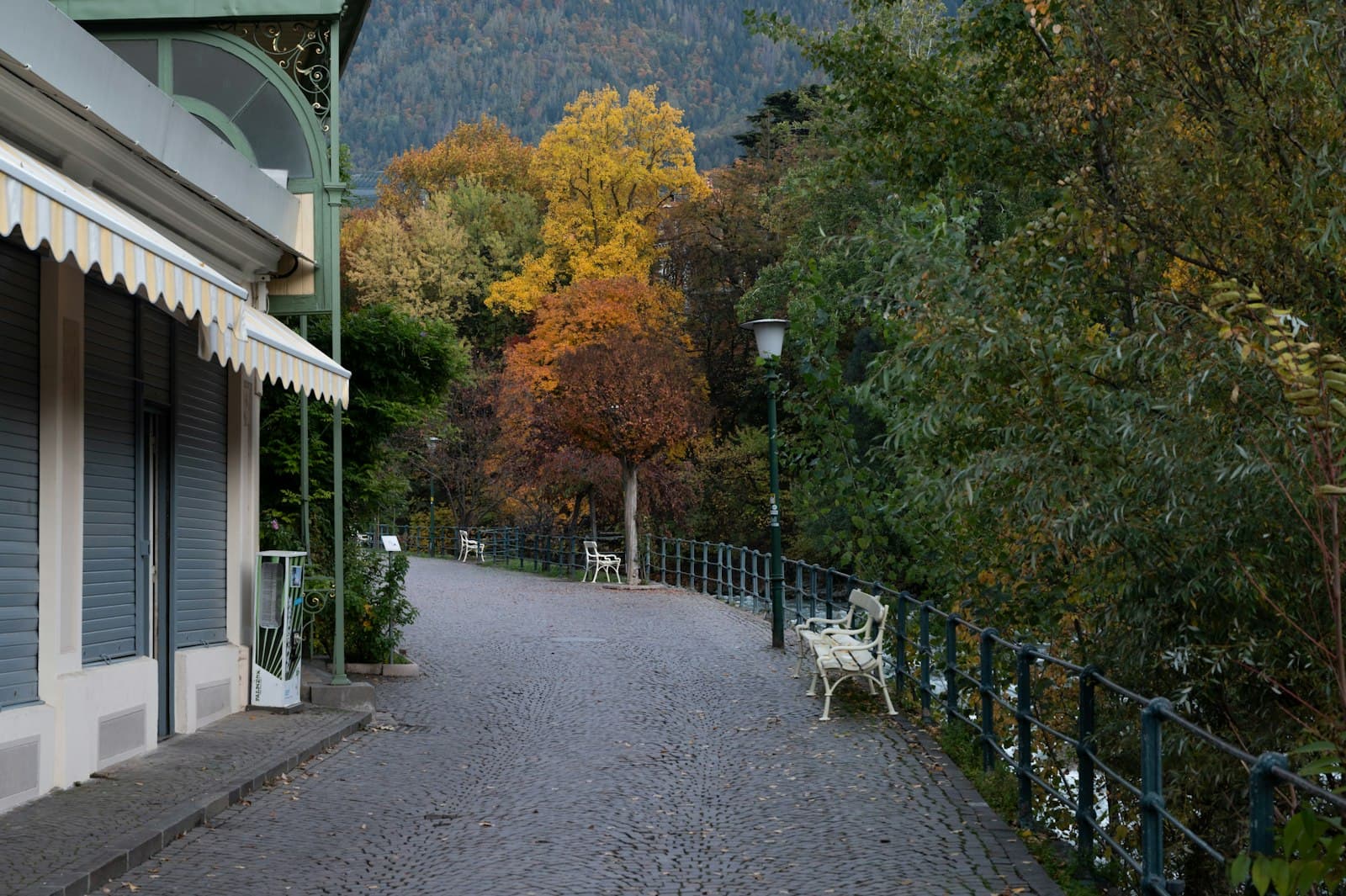
Os elegantes passeios de Merano, criados para caminhadas tranquilas, já operaram sob regulamentos surpreendentemente rigorosos.
História completa desbloqueada no tour
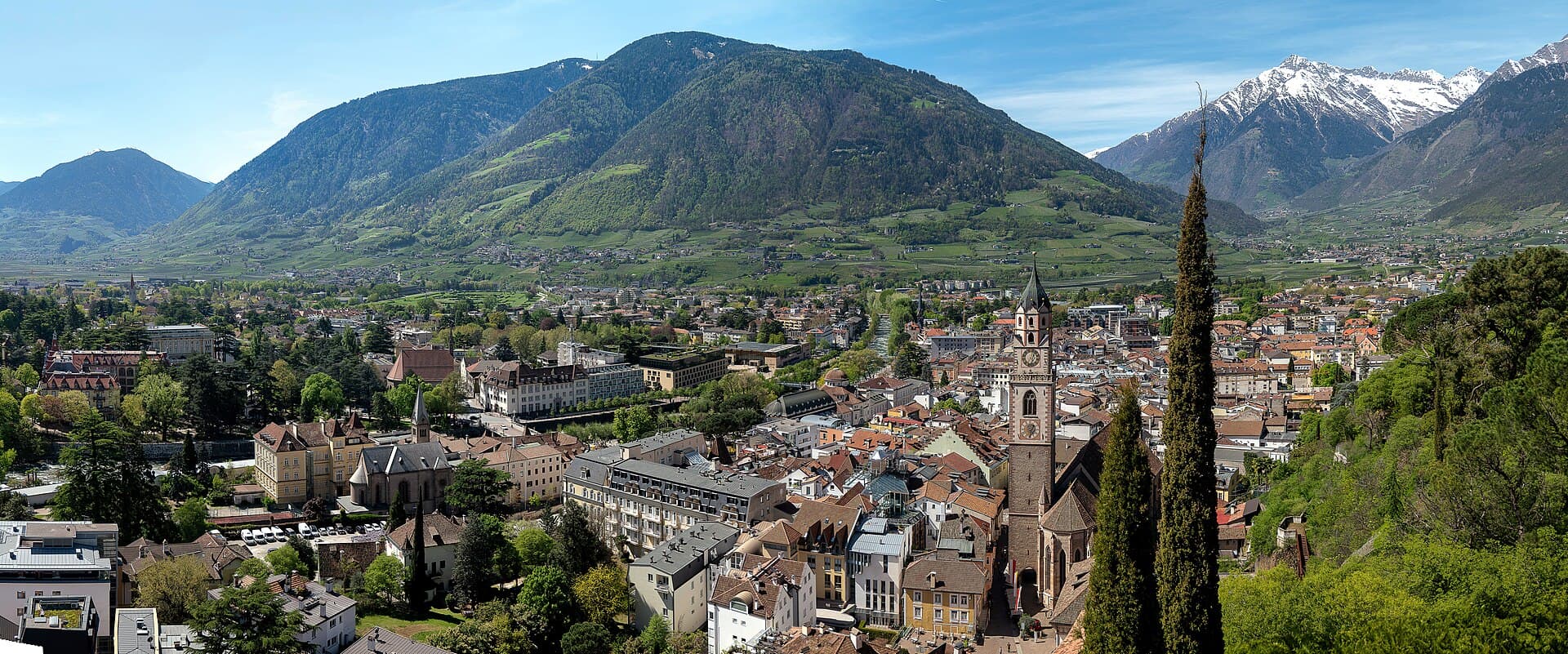 Rolf Kranz / CC BY-SA 4.0, via Wikimedia Commons
Tour de áudio autoguiado por Merano — rota GPS a pé, reprodução offline, narração envolvente em 32 idiomas.
“Onde os picos alpinos encontram as brisas mediterrâneas, uma cidade termal com um passado imperial.”
Não os postais. As histórias que nem os locais conhecem — sussurradas ao seu ouvido, exatamente onde aconteceram.
Os elegantes passeios de Merano, criados para caminhadas tranquilas, já operaram sob regulamentos surpreendentemente rigorosos.
O próprio solo sob o Castelo de Zeno conta uma história de colisão continental.
O campanário da principal igreja de Merano exibe um número incomum de relógios.
Descubra cada segredo de Merano
Cada endereço, cada revelação na íntegra — no seu ouvido, exatamente onde aconteceu.
Você escolhe as suas paragens. Você caminha. A voz revela o que os outros perdem.
A Lume inclui um guia de realidade aumentada. Levante o telemóvel: a câmara mostra a rua à sua frente, com uma seta luminosa sobreposta à imagem real que aponta sempre para a sua próxima paragem — sem mapa para decifrar, sem voltas erradas. Como tudo na Lume, funciona totalmente offline.
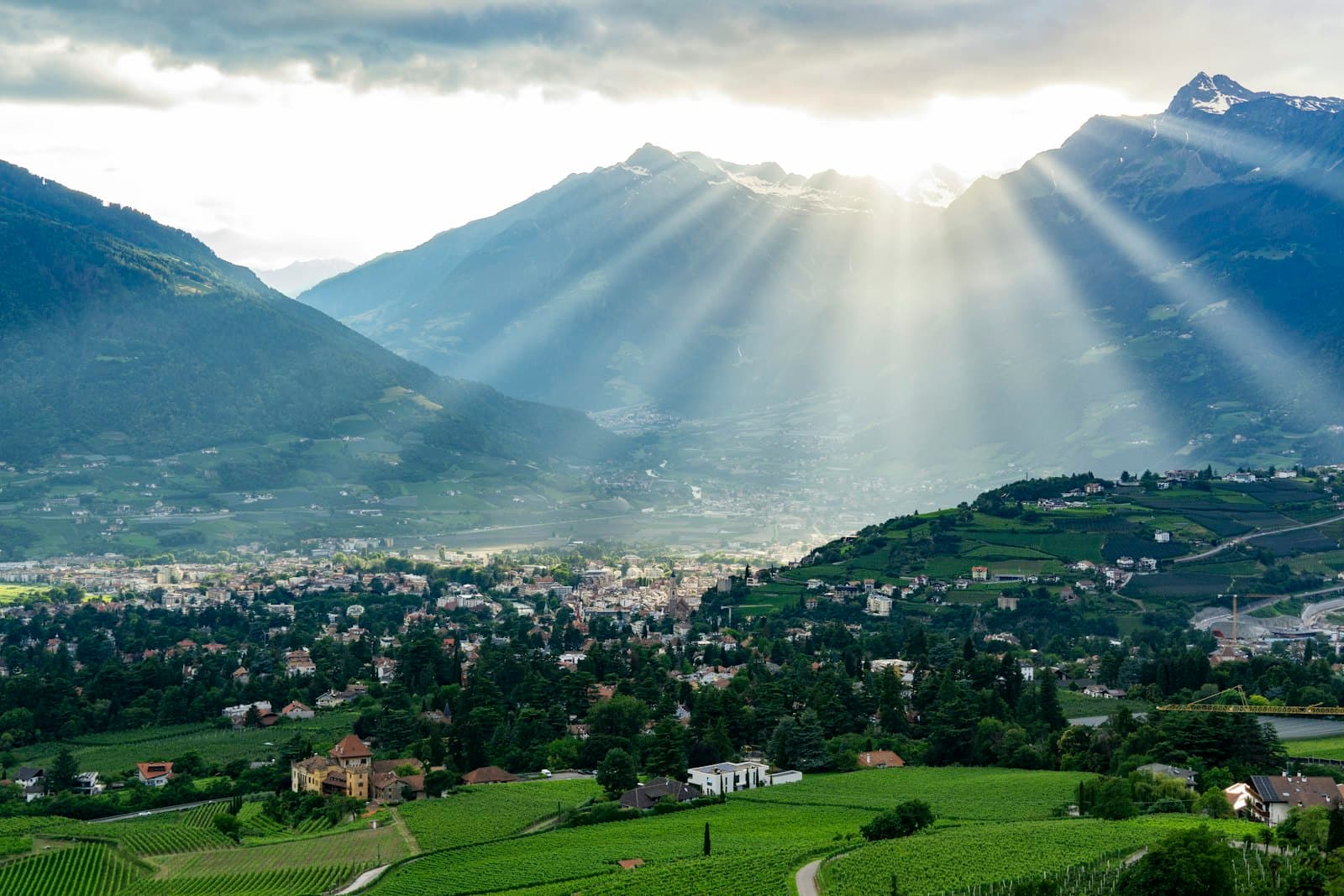
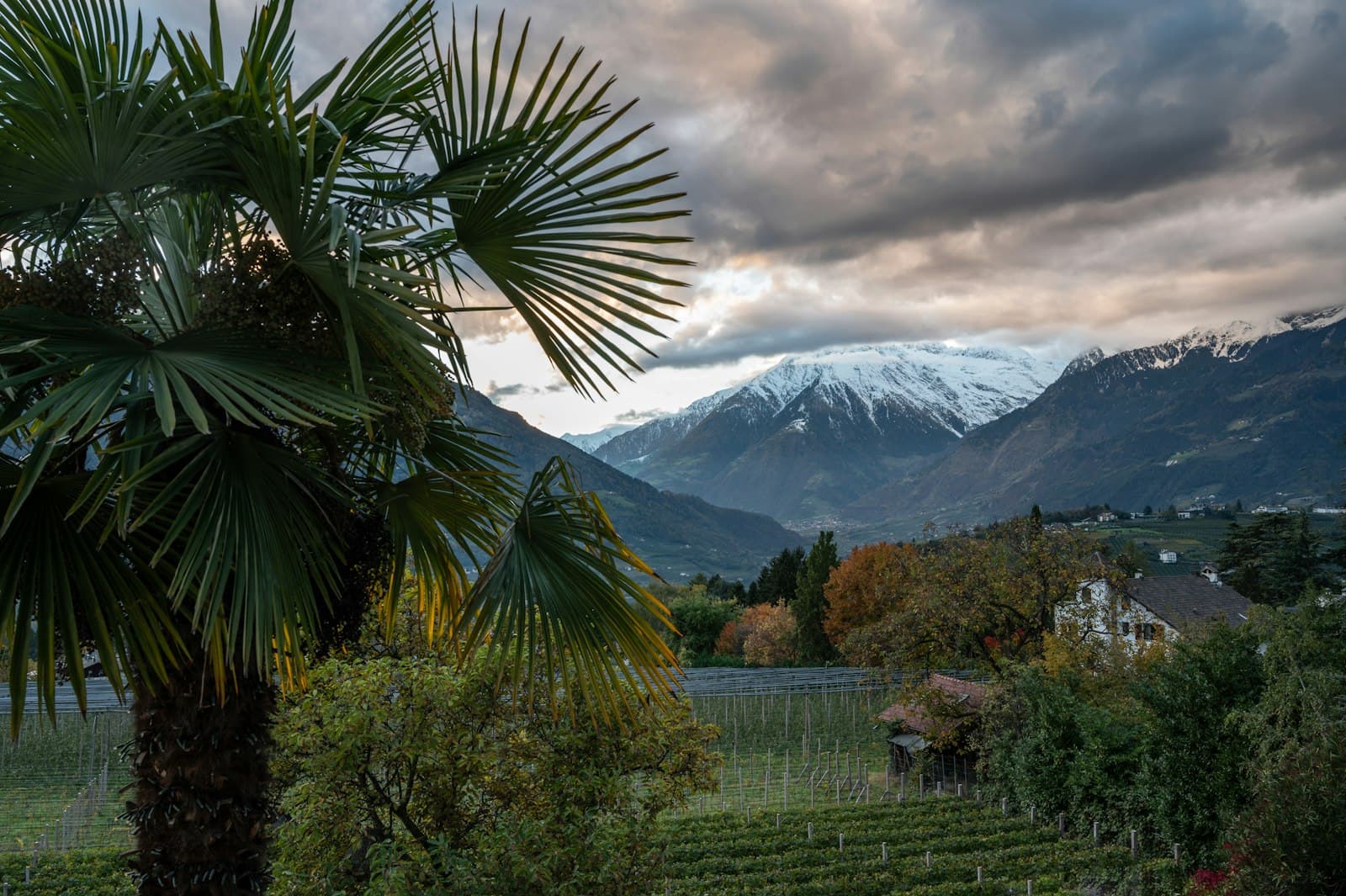
Merano, ou Meran em alemão, é uma cidade cativante no Tirol do Sul, norte da Itália, celebrada por sua mistura singular de influências alpinas e mediterrâneas. Situada em uma bacia e cercada por montanhas que ascendem a mais de 3.300 metros, a cidade beneficia-se de um microclima ameno, permitindo que palmeiras e vinhedos prosperem ao lado de picos nevados. Este ambiente distinto atrai visitantes há séculos, transformando Merano em um destino de spa reverenciado.
A dupla herança italiana e alemã da cidade é evidente em sua língua, cultura e arquitetura, apresentando uma rica variedade de experiências. De arcadas medievais a estruturas da Belle Époque e banhos termais modernos, Merano oferece uma fusão harmoniosa de elegância histórica e design contemporâneo. Serve como um importante centro cultural e econômico no Tirol do Sul, proporcionando um refúgio sereno, porém envolvente, para aqueles que buscam bem-estar, cultura e natureza.
O encanto de Merano se estende além de sua graça arquitetônica e clima. É um lugar onde passeios tranquilos à beira do rio, jardins botânicos e castelos históricos aguardam exploração, tudo a uma curta distância das dramáticas Dolomitas. Seja atraído por seu passado imperial, suas águas terapêuticas ou seus passeios cênicos, Merano oferece uma atmosfera distinta ítalo-alpina que convida a um ritmo mais lento de descoberta.
A história de Merano remonta a mais de dois milênios, com suas origens traçando a um assentamento militar romano estabelecido por volta de 15 a.C., então conhecido como "Statio Maiensis". Este posto avançado estava estrategicamente posicionado ao longo da Via Claudia Augusta, uma antiga estrada romana que facilitava o movimento de tropas pelos Alpes. A área foi mencionada pela primeira vez como "Mairania" em uma escritura de 857 d.C.
A proeminência de Merano cresceu significativamente na Idade Média. No século XIII, os Condes do Castelo Tyrol elevaram Merano ao status de cidade e a tornaram a capital de seu Condado do Tirol. Durante este período, tornou-se uma cidade mercantil vital, controlando rotas comerciais e estabelecendo uma famosa casa da moeda. A icônica Via dei Portici, uma rua com arcadas cobertas, foi construída no século XIII, solidificando o centro da cidade como um mercado florescente — uma função que mantém em grande parte hoje.
As fortunas políticas da cidade mudaram em 1363, quando Margarida, Condessa do Tirol, abdicou, entregando o condado à dinastia Habsburg. Em 1420, o Duque Frederico IV da Áustria mudou a corte tirolesa para Innsbruck, fazendo com que Merano perdesse sua posição predominante e grande parte de sua importância econômica, entrando no que alguns chamam de era da "Bela Adormecida". Apesar disso, Merano permaneceu a capital oficial até 1848.
Merano voltou brevemente aos holofotes durante a Rebelião Tirolês de 1809 contra a ocupação francesa. Um exército camponês alcançou uma vitória contra as forças unidas francesas e bávaras no Küchelberg, acima da cidade, embora a revolta tenha sido finalmente esmagada. Uma transformação mais duradoura ocorreu no século XIX, quando o clima ameno dos Alpes de Merano levou ao seu surgimento como uma cidade termal celebrada dentro do Império Austro-Húngaro.
A Imperatriz Elisabeth da Áustria, carinhosamente conhecida como Sissi, foi uma visitante proeminente, apreciando o clima de Merano e contribuindo para sua reputação como um resort de saúde. Suas visitas, e particularmente a recuperação de sua filha no Castelo de Trauttmansdorff, alimentaram o entusiasmo pelo turismo. Esta era viu a construção de elegantes edifícios da Belle Époque como o Kurhaus e o desenvolvimento de passeios cênicos, projetados para o lazer da aristocracia europeia.
Após a Primeira Guerra Mundial, sob o Tratado de Saint-Germain-en-Laye em 1919, Merano, juntamente com o resto do Tirol do Sul, tornou-se parte do Reino da Itália. Esta anexação solidificou ainda mais sua dupla identidade cultural, onde as línguas e tradições alemãs e italianas coexistem. Meados do século XX trouxeram tempos mais sombrios, com a deportação e assassinato quase completos da população judaica de Merano durante a ocupação nazista em 1943-45.
Hoje, Merano é celebrada por sua mistura única de herança cultural austríaca e italiana, seus resorts termais terapêuticos e sua arquitetura histórica. Adições modernas como as Terme Merano, projetadas por Matteo Thun, e os Jardins do Castelo de Trauttmansdorff, reconhecidos internacionalmente, abertos em 2005 e 2001 respectivamente, continuam a atrair visitantes em busca de bem-estar, cultura e beleza natural.
Comece sua exploração no centro histórico de Merano, onde a Via dei Portici (Laubengasse) oferece um trecho de 400 metros de arcadas do século XIII, agora abrigando boutiques, livrarias e cafés. Este núcleo medieval leva à Igreja Gótica de São Nicolau, notável por sua rosácea e torre do relógio de sol. Perto dali, os três portões medievais da cidade — Vinschgauer, Passeirer e Bozener — ainda se erguem como lembranças do passado de Merano.
Para uma jornada através do esplendor botânico, visite os Jardins do Castelo de Trauttmansdorff. Estes jardins aclamados apresentam mais de 80 ambientes botânicos diferentes de todo o mundo, incluindo o olival mais ao norte da Itália, e oferecem vistas panorâmicas de Merano e das montanhas circundantes. O próprio castelo abriga o Touriseum, um museu dedicado à história do turismo na região alpina.
A reputação de Merano como cidade termal é personificada pelo Kurhaus, um elegante edifício Art Nouveau do início do século XX que continua a sediar eventos culturais. Complementando esta tradição termal histórica está a moderna Terme Merano, um complexo termal contemporâneo projetado por Matteo Thun, com 25 piscinas, saunas e tratamentos de bem-estar. Passeie ao longo das margens do Rio Passer ou suba até o Passeio Tappeiner, uma das mais longas passarelas de altitude da Europa, para vistas deslumbrantes da cidade, vinhedos e picos.
Merano é um destino que oferece experiências únicas ao longo do ano devido ao seu clima ameno. A primavera (final de março a final de abril) traz pomares de macieiras em flor e clima ideal para caminhadas. O verão é perfeito para concertos ao ar livre, excursões às montanhas e para desfrutar dos banhos termais, com dias quentes e ensolarados. O outono é caracterizado por colheitas de uva, eventos de vinho e paisagens douradas, incluindo a tradicional temporada de Törggelen. O inverno oferece mercados de Natal, uma atmosfera alpina festiva e excelentes condições para esqui e bem-estar em áreas próximas como Merano 2000.
Merano é facilmente acessível, com os aeroportos mais próximos sendo Bolzano, Verona e Bergamo na Itália, ou Innsbruck na Áustria. Alugar um carro é recomendado para explorar a região mais ampla do Tirol do Sul. Dentro de Merano, a cidade é projetada para caminhadas, com inúmeros passeios cênicos. O transporte público, incluindo ônibus, está disponível para se locomover pela cidade e para atrações como os Jardins do Castelo de Trauttmansdorff.
A moeda local é o Euro. Tanto o italiano quanto o alemão são amplamente falados, refletindo a dupla herança da região. Ao jantar, espere uma mistura culinária de sabores do Tirol do Sul e italianos, com vinhos locais e produtos de maçã sendo proeminentes. Caixas eletrônicos estão disponíveis na cidade, embora não em todas as estações de montanha, e cartões de crédito/débito são geralmente aceitos na maioria dos estabelecimentos. Para horários específicos de eventos, dias de mercado e informações de transporte público, é aconselhável verificar o site oficial de turismo de Merano.
Merano — coreano, chinês, hebraico e mais 29 idiomas, cada parada narrada por uma voz nativa. A maior variedade de idiomas entre os passeios de áudio autoguiados.
Disponível em: