Курган Юмюктепе
История Мерсина начинается не с великой империи, а с основополагающего поселения, хранящего сельскохозяйственный секрет.
Полная история открывается в туре
 Mersin Page / CC BY-SA 3.0, via Wikimedia Commons
Самостоятельная аудиопрогулка по Мерсин — GPS-маршрут, офлайн-воспроизведение, увлекательное повествование на 32 языках.
“Где древние руины встречаются со средиземноморским бризом, город, раскрывающий свои истории.”
Не открытки. Истории, которые не знают даже местные жители — шепотом в вашем ухе, прямо там, где они произошли.
История Мерсина начинается не с великой империи, а с основополагающего поселения, хранящего сельскохозяйственный секрет.
Этот древний город, построенный вокруг живописной карстовой воронки, носит название, намекающее на довольно мрачное прошлое.
Отражающее озеро внутри пещеры в Мерсине хранит уникальную коллекцию геологических образований, сохранившихся неожиданным образом.
Откройте для себя каждый секрет Мерсин
Каждый адрес, каждое полное раскрытие — в вашем ухе, прямо там, где это произошло.
Вы выбираете остановки. Вы гуляете. Голос раскрывает то, что упускают другие.


Ваш самостоятельный аудиотур по Мерсин готов — выберите свои достопримечательности, выберите свой язык и начните в момент прибытия.
КупитьВ Lume встроен гид дополненной реальности. Поднимите телефон: камера показывает улицу перед вами, а поверх реального изображения светится стрелка, всегда указывающая на вашу следующую остановку — не нужно разбираться с картой и сворачивать не туда. Как и всё в Lume, это работает полностью офлайн.
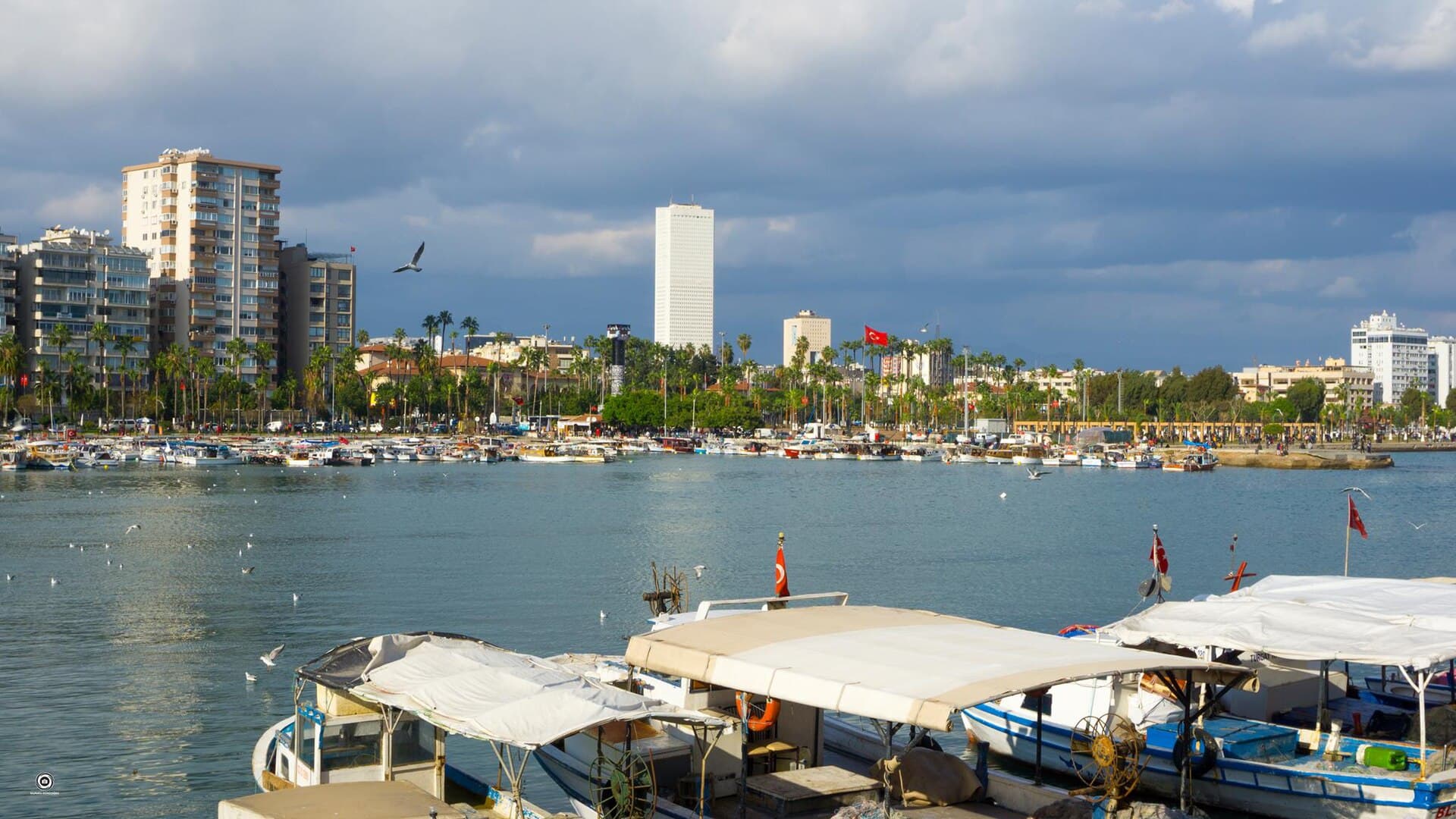
Мерсин, значимый портовый город на южном побережье Турции, омываемом Средиземным морем, представляет собой слияние древней истории, оживленной местной атмосферы и расслабляющего прибрежного очарования. В отличие от некоторых более популярных средиземноморских курортов, Мерсин предлагает менее изведанный опыт, позволяя глубже погрузиться в повседневную жизнь Турции. С береговой линией протяженностью 321 километр, он обладает одной из самых длинных береговых линий в Турции, предоставляя широкие возможности для наслаждения морем.
Город является важным экономическим и культурным центром, сформированным его стратегическим положением и активной гаванью. От современной пристани до древних останков, Мерсин предлагает уникальное сочетание впечатлений. Тепло его климата и ощутимые отголоски прошлых цивилизаций создают привлекательное место для тех, кто ищет как отдых, так и открытия.
История Мерсина насчитывает тысячи лет, археологические находки свидетельствуют о присутствии человека в регионе еще с неолита, около 10 000 г. до н.э. Курган Юмюктепе, расположенный в черте города, содержит следы поселений, датируемых 6300 г. до н.э., что предполагает его роль как одного из ранних центров земледелия. На протяжении тысячелетий Мерсин и окружающий регион Киликия формировались под влиянием многочисленных цивилизаций.
Примерно с 1700 г. до н.э. эта территория входила в состав Хеттской империи, затем Вавилонии, Персии, а в эллинистический и римский периоды превратилась в торговый и культурный центр. В римскую эпоху город, тогда известный как Зефирион, был переименован в Адрианополь в честь императора Адриана. После разделения Римской империи он находился под византийским контролем до арабских завоеваний в VII веке н.э.
В последующие века контроль над регионом неоднократно переходил из рук в руки, включая периоды правления Тулунидов, снова Византии, Армянского царства Киликии и других правителей. К XVI веку территория была включена в состав Османской империи. Развитие Мерсина как заметного портового города началось в середине XIX века, особенно во время Гражданской войны в США, когда Киликийская равнина стала альтернативным источником хлопка. Открытие железной дороги Мерсин-Адана в 1866 году еще больше повысило его экономическое значение.
После упадка Османской империи Мерсин был кратковременно оккупирован французскими и британскими войсками после Первой мировой войны, но был отвоеван турецкой армией в 1921 году. В 1924 году Мерсин был объявлен провинцией, а в 2002 году большая провинция Ичель с Мерсином в качестве столицы была официально переименована в провинцию Мерсин. Эта разнообразная и обширная история наделила Мерсин уникальным сочетанием исламского, христианского и еврейского влияний, что очевидно в его культурном ландшафте.
Мерсин предлагает ряд достопримечательностей, отражающих его долгую историю и прибрежное расположение. Марина Мерсина создает современную, расслабленную атмосферу, особенно привлекательную на закате. Чтобы заглянуть в прошлое, Замок Девы (Кызкалеси), расположенный на островке примерно в 900 метрах от побережья, является впечатляющим зрелищем. Считается, что его строительство датируется 1199 годом, и он служил крепостью против пиратов.
Всего в одном километре от центра города Курган Юмюктепе демонстрирует археологические свидетельства человеческого обитания с 7000 г. до н.э. Далее находятся высеченные в скалах фигуры Адамкаялар в долине Шейтандереси, изображающие фигуры мужчин, женщин и детей в натуральную величину, предположительно созданные около III века до н.э. Древний город Соли Помпейополис в районе Мезитли содержит значительные римские руины. Для любителей природных чудес Пещера Гилиндире, также известная как Айналыгёль (Зеркальное озеро), является выдающимся геологическим объектом, открытым в 1999 году. Ее огромные сталактитовые образования и отражающее озеро делают ее уникальным местом. Музей Мерсина предлагает более близкое знакомство с историческими артефактами и археологическими находками города.
В Мерсине средиземноморский климат с теплыми, сухими летними месяцами и мягкими, дождливыми зимами. Наиболее благоприятное время для посещения — с июня по октябрь, когда погода приятная и солнечная, со средними температурами от 25 до 27°C (77-81°F). В эти месяцы в Мерсине меньше людей по сравнению с другими средиземноморскими курортами. Весна (апрель, май) и осень (сентябрь, октябрь, ноябрь) также предлагают приятную погоду с комфортной температурой от 20 до 30°C (68-86°F), что делает их подходящими для исследования. Лето, особенно июль и август, может быть довольно жарким, со средними максимумами, достигающими 31-34°C (88-93°F), иногда превышая 40°C (104°F).
Официальная валюта в Мерсине и по всей Турции — турецкая лира (₺, TRY). Хотя некоторые предприятия, обслуживающие туристов, могут принимать евро или доллары США, как правило, удобнее и часто экономичнее использовать турецкие лиры, чтобы избежать невыгодных обменных курсов. Наличные деньги широко используются, особенно для мелких покупок, на местных рынках и для общественного транспорта, такого как дольмуш (маршрутные такси), поэтому рекомендуется иметь при себе немного лир. Кредитные и дебетовые карты принимаются в большинстве супермаркетов и ресторанов.
Официальный язык — турецкий. Хотя молодое поколение и работники туристической сферы могут говорить по-английски, знание нескольких основных турецких фраз будет полезным. Мерсин считается безопасным и гостеприимным городом. Однако всегда разумно принимать общие меры предосторожности, такие как не оставлять личные вещи без присмотра. Общественный транспорт включает автобусы и дольмуши, которые являются экономичными способами передвижения по городу. Такси также легко доступны. Мерсин хорошо связан автомагистралями, а косвенно — авиасообщением через аэропорт Адана Шакирпаша (в 67 км), с доступными шаттлами. Также есть частые железнодорожные сообщения с Аданой.
Мерсин: корейский, китайский, иврит и ещё 29 языков — каждую остановку озвучивает носитель языка. Самый широкий выбор языков среди аудиоэкскурсий без гида.
Доступные языки: