Главная церковь Мертолы (Igreja Matriz de Mértola)
Эта церковь, с ее на первый взгляд простым христианским интерьером, хранит тайну другой веры.
Полная история открывается в туре
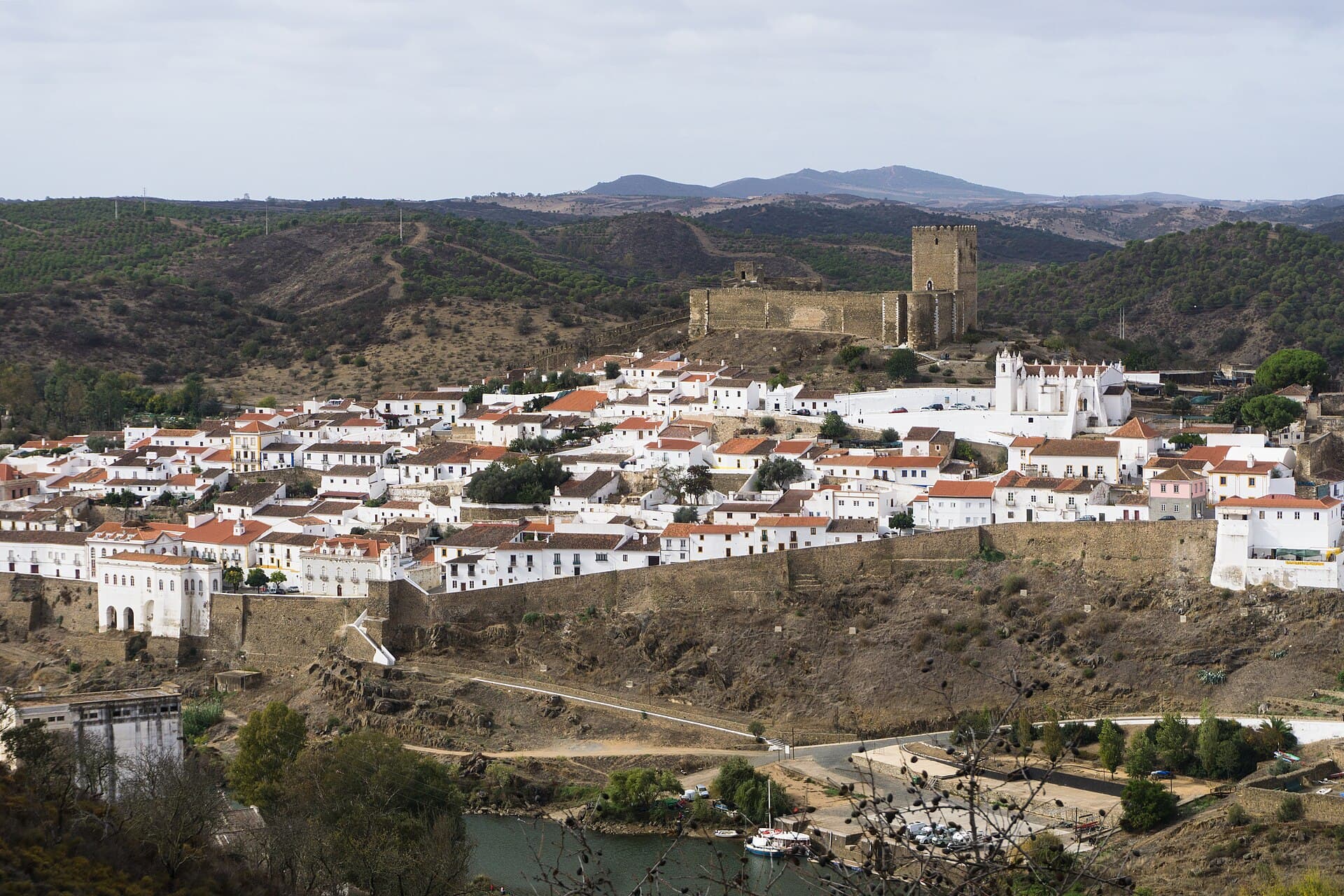 Alexey Komarov / CC BY-SA 4.0, via Wikimedia Commons
Самостоятельная аудиопрогулка по Мертола — GPS-маршрут, офлайн-воспроизведение, увлекательное повествование на 32 языках.
“Где сходятся империи, и древние шепоты задерживаются у Гвадианы.”
Не открытки. Истории, которые не знают даже местные жители — шепотом в вашем ухе, прямо там, где они произошли.
Эта церковь, с ее на первый взгляд простым христианским интерьером, хранит тайну другой веры.
Впечатляющий замок на вершине города раскрывает под своим средневековым камнем неожиданное основание.
Прогуливаясь по тихим мощеным улочкам, вы можете наступить на слой римского прошлого города.
Откройте для себя каждый секрет Мертола
Каждый адрес, каждое полное раскрытие — в вашем ухе, прямо там, где это произошло.
Вы выбираете остановки. Вы гуляете. Голос раскрывает то, что упускают другие.
![Mértola — boats docked near seaside promenade]](/_next/image?url=https%3A%2F%2Fxkitrzghrapdsyyvojzr.supabase.co%2Fstorage%2Fv1%2Fobject%2Fpublic%2Flume-images%2Fcities%2Fmertola-gallery-1.jpg&w=1920&q=75)
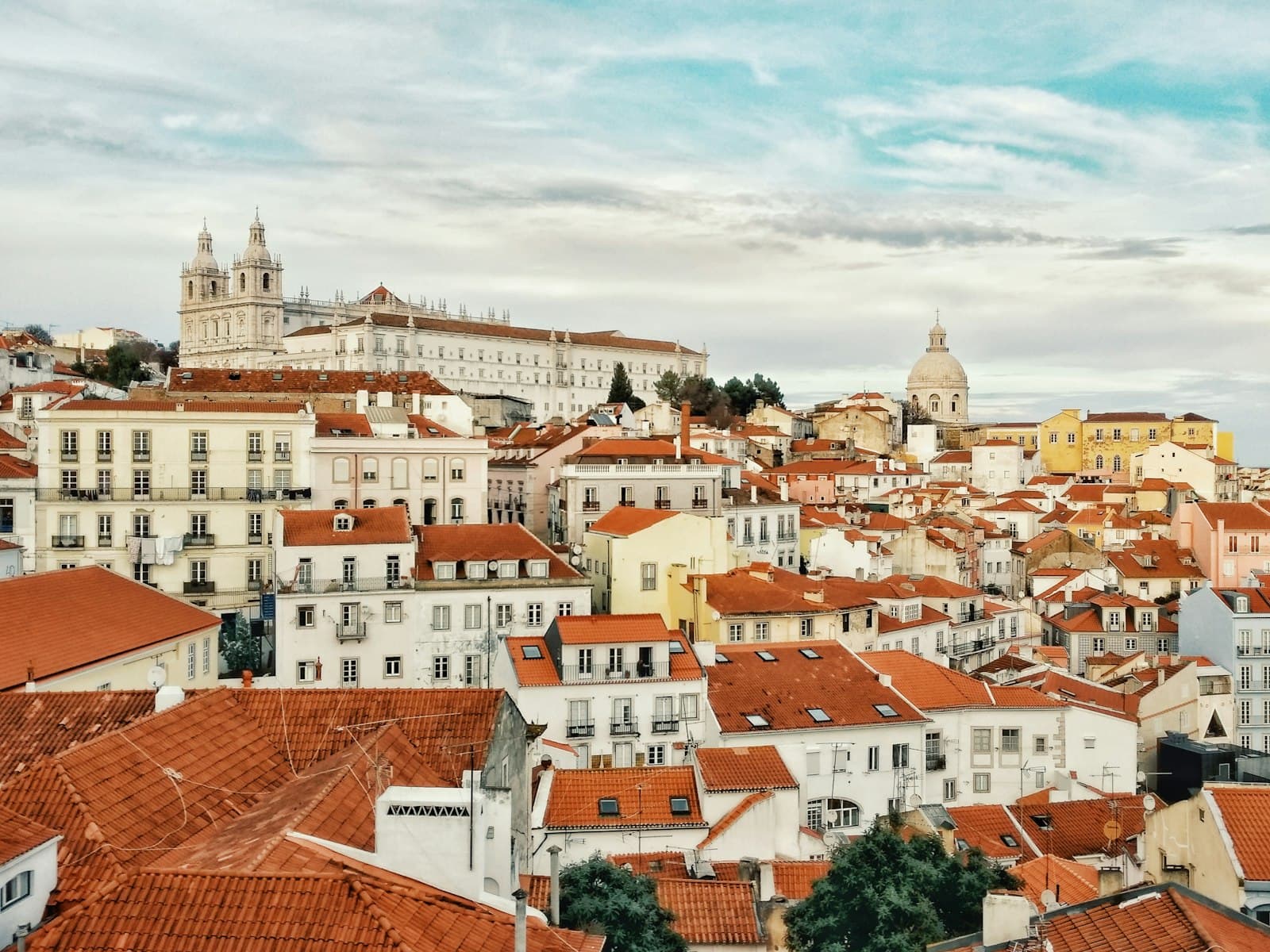
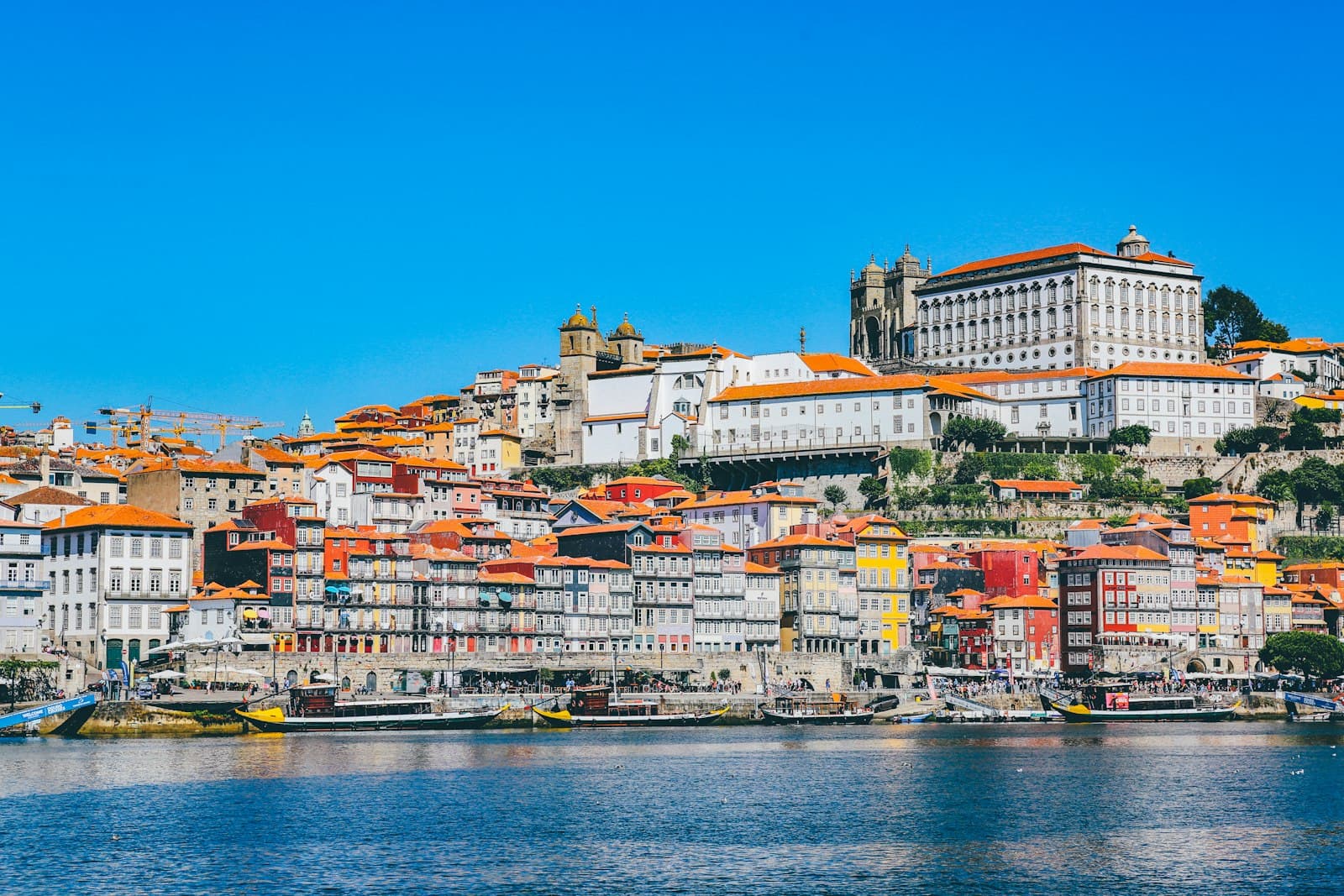
Ваш самостоятельный аудиотур по Мертола готов — выберите свои достопримечательности, выберите свой язык и начните в момент прибытия.
КупитьВ Lume встроен гид дополненной реальности. Поднимите телефон: камера показывает улицу перед вами, а поверх реального изображения светится стрелка, всегда указывающая на вашу следующую остановку — не нужно разбираться с картой и сворачивать не туда. Как и всё в Lume, это работает полностью офлайн.
Мертола, очаровательная «деревня-музей» в португальском регионе Алентежу, драматично расположена на скалистом мысе с видом на изгиб реки Гвадиана. Это стратегическое положение, недалеко от испанской границы, на протяжении тысячелетий делало его перекрестком цивилизаций, оставившим после себя римское, вестготское и особенно исламское наследие. Побеленные дома города и узкие, извилистые улочки приглашают к неспешному исследованию, раскрывая слои истории на каждом шагу.
Вдали от шумных туристических маршрутов Мертола предлагает спокойный и аутентичный опыт. Его уникальный подход к сохранению прошлого означает, что археологические объекты не ограничены одним музеем, а интегрированы по всему городу, благодаря чему простая прогулка ощущается как путешествие во времени. Связь города с рекой Гвадиана, некогда жизненно важной торговой артерией, продолжает формировать его характер, предлагая живописные виды и возможности для исследования природы в пределах окружающего природного парка долины Гвадианы.
Мертола — это место, где история ощущается живой, а не просто реликвией. Аромат дикого тимьяна доносится из древних руин, а тишина, особенно ночью, глубока. Это место для тех, кто ищет более глубокую связь с прошлым Португалии, место, где разные культуры сосуществовали и оставили свои неизгладимые следы, создавая самобытный и интеллектуально обогащающий опыт.
Истоки Мертолы восходят к неолиту, есть свидетельства ранних поселений конни и синетов. Его стратегическое положение на последнем судоходном участке реки Гвадиана сделало его важным торговым пунктом, привлекавшим финикийцев и карфагенян.
В римскую эпоху город, тогда известный как Миртилис Юлия, процветал как значительный речной порт. Он способствовал обширной торговле с крупными портами Восточного Средиземноморья, экспортируя сельскохозяйственную продукцию и минералы, такие как серебро, золото и олово из Нижнего Алентежу. Римские останки, такие как криптопортик, Торре-Кураса (Щитовая башня) и римский дом, видны и сегодня.
После падения Римской империи вестготы заняли Мертолу, оставив архитектурные остатки, которые можно увидеть в донжоне замка. Самая значительная трансформация произошла с мусульманским вторжением в 8 веке. Мертола, переименованная в Ма́ртулах, стала последним портом в западном Средиземноморье, сохраняя свое коммерческое значение и переживая период значительного экономического роста. Он даже служил столицей недолговечного независимого исламского эмирата, Тайфа Мертолы. Исламское наследие города, обнаруженное в результате десятилетий археологических раскопок, является определяющей характеристикой.
Во время Реконкисты Мертола была захвачена португальским королем Саншу II в 1238 году. Затем город был пожалован рыцарям Ордена Святого Иакова, которые основали там свою штаб-квартиру до 1316 года. Хотя многие исламские сооружения были адаптированы, а не разрушены, для христианского использования — особенно главная церковь, которая была мечетью — экономическое значение города начало снижаться, поскольку торговые пути сместились в сторону Лиссабона.
Краткий подъем произошел в 16 и 17 веках с экспортом зерновых для португальских предприятий в Северной Африке. Позже, в конце 19 века, открытие месторождений полезных ископаемых в соседней деревне Сан-Домингуш принесло новую волну процветания и роста населения. Однако и это сошло на нет, когда шахта закрылась в 1965 году. С 1980-х годов Мертола переживает возрождение благодаря археологическому проекту, направленному на развитие концепции музея под открытым небом, тщательно сохраняя и интегрируя свои разнообразные исторические слои в повседневную жизнь города.
Начните свое исследование с Замка Мертола (Castelo de Mértola), где вы можете подняться на его донжон, чтобы полюбоваться обширными видами на реку Гвадиана и окрестности. На территории замка также находятся римские руины и византийские мозаики. Прямо под замком Главная церковь Мертолы (Igreja Matriz de Mértola) является уникальным примером религиозной адаптации, сохранившим значительные элементы своей прежней жизни в качестве мечети, включая подковообразные арки и михраб.
Мертолу часто называют «деревней-музеем» из-за ее разбросанных археологических объектов. Не пропустите Музей Мертолы (Museu de Mértola), который состоит из нескольких ядер, разбросанных по всему городу. К ним относятся секция исламского искусства, демонстрирующая одну из самых важных коллекций исламских артефактов в Португалии, и Римский дом, расположенный под ратушей, где вы можете пройтись по древним мозаикам.
Прогуляйтесь по тихим мощеным улочкам исторического центра, любуясь побеленными домами с их красочными бордюрами. Отправляйтесь к Часовой башне (Torre do Relógio), постройке 16 века с колоколом 1593 года, откуда открывается вид на реку и доступ к набережной. За пределами города Природный парк долины Гвадианы (Guadiana Valley Natural Park) предлагает возможности для прогулок, наблюдения за птицами и лодочных прогулок. Замечательной природной достопримечательностью является Водопад Пулу-ду-Лобу (Pulo do Lobo Waterfall) — драматический, узкий участок реки Гвадиана, где, по легенде, волк мог перепрыгнуть.
Мертолу можно посещать круглый год, но весна (март, апрель, май) и осень (сентябрь, октябрь, ноябрь) предлагают самую приятную погоду для исследований с комфортной температурой. Весна приносит мягкие условия и всплеск полевых цветов, что делает ее идеальной для активного отдыха, такого как пешие прогулки и наблюдение за птицами. Именно в это время часто проходят крупные фестивали, такие как биеннале Исламский фестиваль и Фестиваль речной рыбы. Лето (июнь — середина сентября) жаркое, со средней дневной температурой часто выше 30°C, а зима (ноябрь — март) прохладнее, со средней минимальной температурой около 5°C.
До Мертолы лучше всего добираться на машине, так как варианты общественного транспорта ограничены. До нее примерно 1,5 часа езды от Эворы и около 2 часов 15 минут от Севильи, Испания. Парковка доступна за пределами старых городских стен. Удобная обувь необходима для передвижения по крутым холмам и неровным каменным улицам. Выделите не менее половины дня, чтобы увидеть основные достопримечательности, но рекомендуется полный день или больше, чтобы по-настоящему погрузиться в музеи и окружающий природный парк. Туристический информационный центр города, расположенный на улице Руа-да-Игрежа, предоставляет карты и информацию о различных музейных объектах. Рассмотрите возможность остаться на ночь, чтобы ощутить тихое очарование города и насладиться местной кухней Алентежу, известной такими блюдами, как дикий кабан, тушеная баранина и речная рыба.
Мертола: корейский, китайский, иврит и ещё 29 языков — каждую остановку озвучивает носитель языка. Самый широкий выбор языков среди аудиоэкскурсий без гида.
Доступные языки: