South Beach
Além dos edifícios pastel e do brilho neon da Ocean Drive, as icônicas praias de areia de South Beach guardam um segredo.
História completa desbloqueada no tour
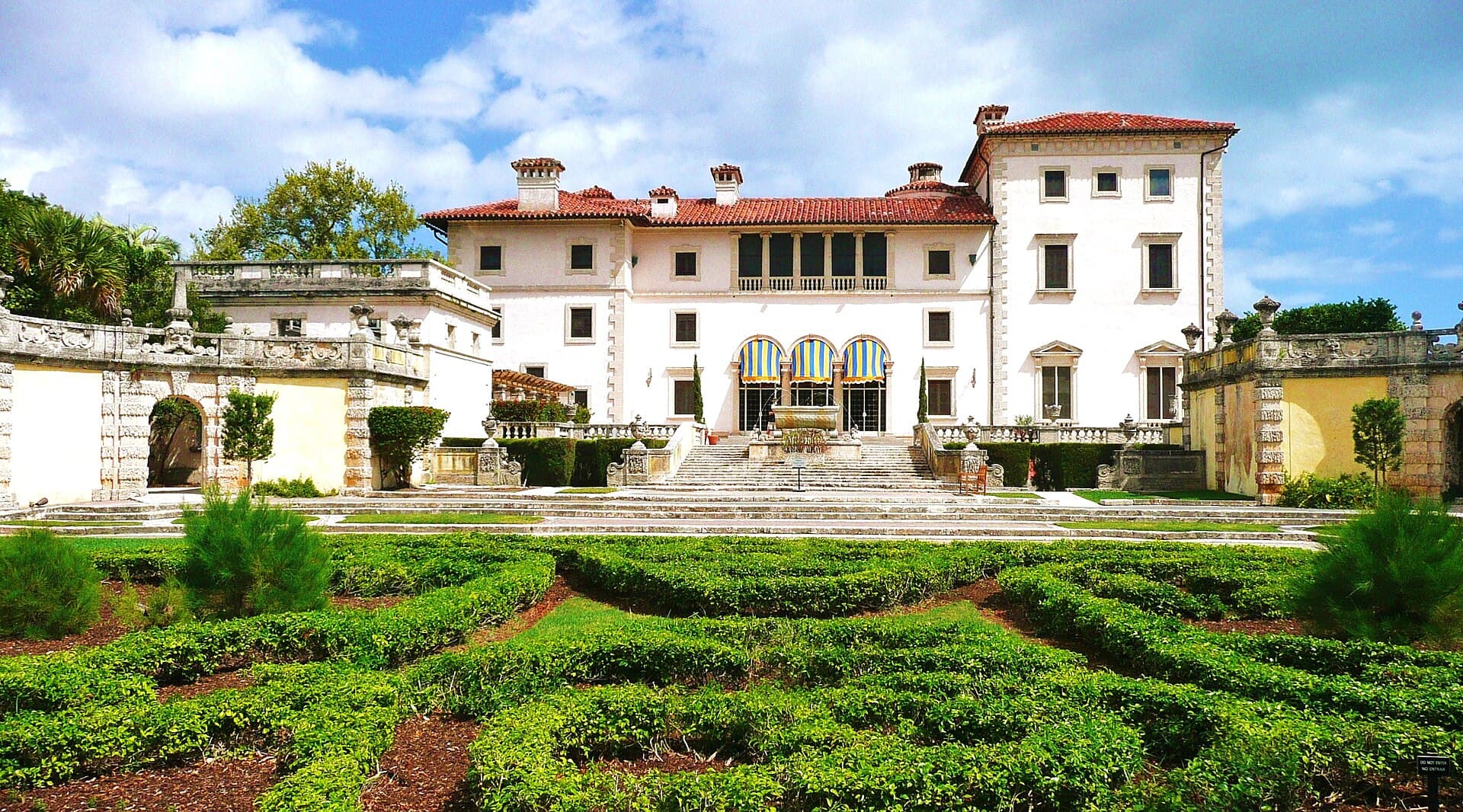 Averette / CC BY 3.0, via Wikimedia Commons
Tour de áudio autoguiado por Miami — rota GPS a pé, reprodução offline, narração envolvente em 32 idiomas.
“Onde os sonhos Art Deco encontram uma realidade subtropical.”
Não os postais. As histórias que nem os locais conhecem — sussurradas ao seu ouvido, exatamente onde aconteceram.
Além dos edifícios pastel e do brilho neon da Ocean Drive, as icônicas praias de areia de South Beach guardam um segredo.
Esta vasta área selvagem subtropical oferece uma coabitação única de répteis, encontrada em nenhum outro lugar na Terra.
Embora Miami seja conhecida por seu horizonte moderno, um antigo sítio arqueológico sob a cidade conta uma história milhares de anos mais antiga do que qualquer arranha-céu.
Descubra cada segredo de Miami
Cada endereço, cada revelação na íntegra — no seu ouvido, exatamente onde aconteceu.
Você escolhe as suas paragens. Você caminha. A voz revela o que os outros perdem.

O seu tour áudio autoguiado de Miami está pronto — escolha os seus pontos de interesse, selecione o seu idioma e comece no momento em que chegar.
ComprarA Lume inclui um guia de realidade aumentada. Levante o telemóvel: a câmara mostra a rua à sua frente, com uma seta luminosa sobreposta à imagem real que aponta sempre para a sua próxima paragem — sem mapa para decifrar, sem voltas erradas. Como tudo na Lume, funciona totalmente offline.
Miami, frequentemente chamada de "Cidade Mágica", é uma metrópole dinâmica onde a energia vibrante da cultura latino-americana se mistura perfeitamente com o charme descontraído de um paraíso costeiro. Seu clima quente, praias icônicas e atmosfera animada atraem milhões de visitantes todos os anos. Da arquitetura Art Déco em tons pastel de South Beach às ruas movimentadas de Little Havana, a cidade oferece uma gama diversificada de experiências. Além dos caminhos turísticos mais batidos, Miami revela camadas de história, ecossistemas únicos e uma cena artística florescente, tornando-se um destino que se reinventa constantemente, enquanto honra sua herança distinta.
Este centro do sul da Flórida é também um importante centro internacional, financeiro e cultural, frequentemente referido como a "Porta de Entrada para a América Latina" devido aos seus fortes laços e população majoritariamente hispânica. Se você busca relaxamento ensolarado, um mergulho profundo em diversas culturas ou uma exploração de maravilhas naturais, Miami apresenta uma jornada inesquecível.
Milhares de anos antes da chegada dos europeus, a área de Miami era habitada pelo povo Tequesta, que prosperou ao longo do Rio Miami. Eles foram os habitantes originais, com evidências de seu assentamento datando de mais de 10.000 anos. O próprio nome da cidade deriva de Mayaimi, uma tribo nativa americana que vivia ao redor do Lago Okeechobee, com "Mayaimi" acreditado significar "grande água".
Juan Ponce de León foi o primeiro europeu a visitar a área de Miami em 1513, navegando pela Baía de Biscayne. Exploradores espanhóis estabeleceram missões e guarnições nos séculos XVI e XVIII, embora estas fossem frequentemente de curta duração. A área foi posteriormente conhecida como "Biscayne Bay Country" e permaneceu escassamente povoada por não nativos americanos até o final do século XIX.
Um momento crucial no desenvolvimento de Miami ocorreu após a Grande Geada de 1894-1895, que poupou as colheitas de Miami enquanto devastava outras na Flórida. Este evento levou Julia Tuttle, uma proprietária de terras e produtora de citros local, a convencer o magnata das ferrovias Henry Flagler a estender sua Florida East Coast Railway até Miami. A visão de Tuttle lhe rendeu o título de "Mãe de Miami", e a cidade foi oficialmente incorporada em 28 de julho de 1896, com uma população de pouco mais de 300 pessoas. A ferrovia de Flagler trouxe colonos e turistas, levando a um rápido crescimento e à construção de ruas, sistemas de água e o luxuoso Royal Palm Hotel.
A década de 1920 viu um boom imobiliário, mas isso foi seguido por um furacão devastador em 1926. No entanto, a cidade se reconstruiu, e o desenvolvimento pós-furacão no final dos anos 1920 e início dos anos 1930 deu origem ao icônico movimento Art Déco que define grande parte de Miami Beach hoje. Após a ascensão de Fidel Castro ao poder em 1959, Miami experimentou um afluxo significativo de exilados cubanos, que moldaram profundamente a paisagem demográfica e cultural da cidade, particularmente em bairros como Little Havana.
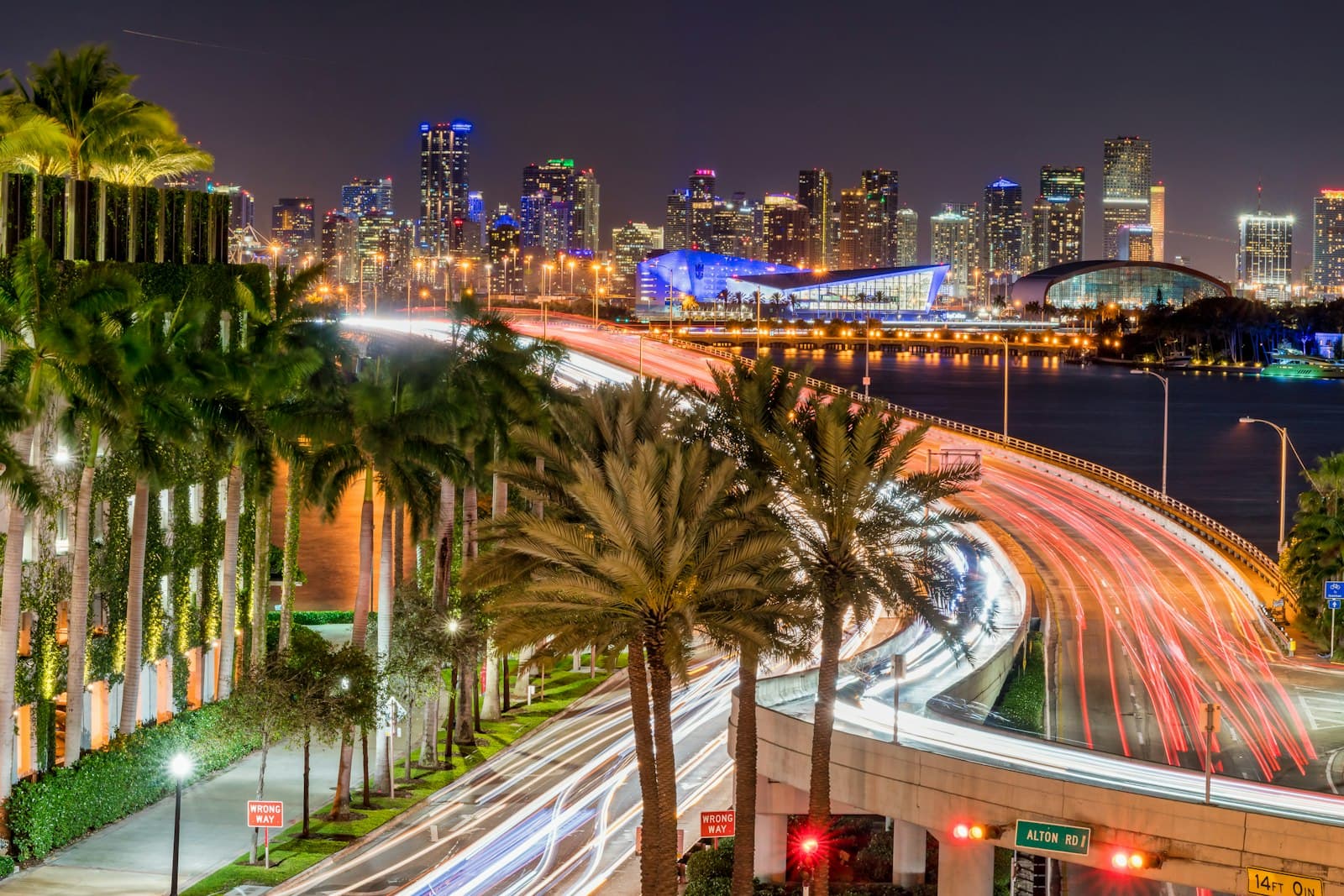
Miami continuou a crescer como um centro internacional, financeiro e cultural na segunda metade do século XX. Hoje, é reconhecida por suas comunidades diversas, incluindo uma grande população cubano-americana, e seu status como um centro global. O horizonte da cidade, o terceiro maior dos EUA, reflete sua próspera cena empresarial e cultural.
Miami oferece uma gama diversificada de atrações, desde praias ensolaradas a vibrantes enclaves culturais e paisagens naturais únicas. South Beach é uma experiência quintessencial de Miami, conhecida por suas areias brancas, águas cristalinas e a distinta arquitetura Art Déco que margeia a Ocean Drive. Explorar o Distrito Histórico Art Déco revela edifícios em tons pastel das décadas de 1930 e 1940, um testemunho do patrimônio arquitetônico da cidade.
Para um mergulho profundo na cultura cubana, Little Havana é um lugar a se visitar, especialmente ao longo da Calle Ocho. Este bairro é um centro da vida cubano-americana, repleto de restaurantes tradicionais, charutarias e música animada. O Pérez Art Museum Miami (PAMM), situado no Maurice A. Ferré Park, exibe arte moderna e contemporânea com foco na Costa Atlântica, incluindo obras das Américas, Europa Ocidental e África. Seu impressionante edifício, projetado por Herzog & de Meuron, apresenta jardins suspensos e oferece vistas da Baía de Biscayne.
Entusiastas da natureza encontrarão dois parques nacionais facilmente acessíveis a partir de Miami. O Everglades National Park, a maior área selvagem subtropical dos Estados Unidos, é um ecossistema único de pradarias de capim-elefante, florestas de mangue e pântanos de ciprestes, lar de uma vida selvagem diversificada, incluindo jacarés e crocodilos. O Biscayne National Park, principalmente um parque aquático, oferece oportunidades para passeios de barco, snorkeling entre recifes de coral e exploração de ilhas barreira.
A melhor época para visitar Miami é de dezembro a abril. Durante esses meses, o clima é quente, seco e menos úmido, com temperaturas médias entre 18°C e 27°C, tornando-o ideal para desfrutar de praias, jantares ao ar livre e passeios turísticos. Março e abril são particularmente bons para um equilíbrio entre clima agradável e eventos. As temporadas intermediárias, de final de abril a início de junho e de final de outubro a novembro, também oferecem bom valor com clima quente e menos multidões. Os viajantes podem querer evitar junho a novembro, que é a temporada de furacões e geralmente mais quente, chuvosa e úmida.
Navegar por Miami é possível através de várias opções de transporte. Embora um carro ofereça flexibilidade, o transporte público inclui o Metromover (um sistema de trilhos elevado gratuito no centro de Miami e Brickell), Metrobus e Metrorail. Táxis e serviços de transporte por aplicativo também estão amplamente disponíveis.
Em relação a gorjetas, Miami segue as normas padrão dos EUA. Espere dar 15-20% para a maioria dos serviços, incluindo restaurantes, táxis e spas. Para um serviço excepcional, uma gorjeta de 22-25% é apreciada. Bartenders geralmente esperam de $1 a $2 por bebida. É importante verificar sua conta em restaurantes, especialmente em áreas com grande fluxo turístico como Miami Beach, pois uma taxa de serviço ou gorjeta de 18-20% pode já estar incluída. Se uma taxa de serviço estiver incluída, uma gorjeta adicional não é necessária, mas pode ser dada por um serviço excepcional.
O imposto sobre vendas na Flórida é de 6%, que se aplica à maioria dos bens e serviços.
A temporada de furacões vai de 1º de junho a 30 de novembro. Embora Miami tenha uma infraestrutura robusta para lidar com tempestades, é aconselhável monitorar os avisos meteorológicos e considerar um seguro de viagem se visitar durante este período.
Miami — coreano, chinês, hebraico e mais 29 idiomas, cada parada narrada por uma voz nativa. A maior variedade de idiomas entre os passeios de áudio autoguiados.
Disponível em: