Mijas Pueblo
Die Esel-Taxis von Mijas sind berühmt, aber ihr Ursprung ist nicht das, was die meisten Leute vermuten.
Die ganze Geschichte wird in der Tour freigeschaltet
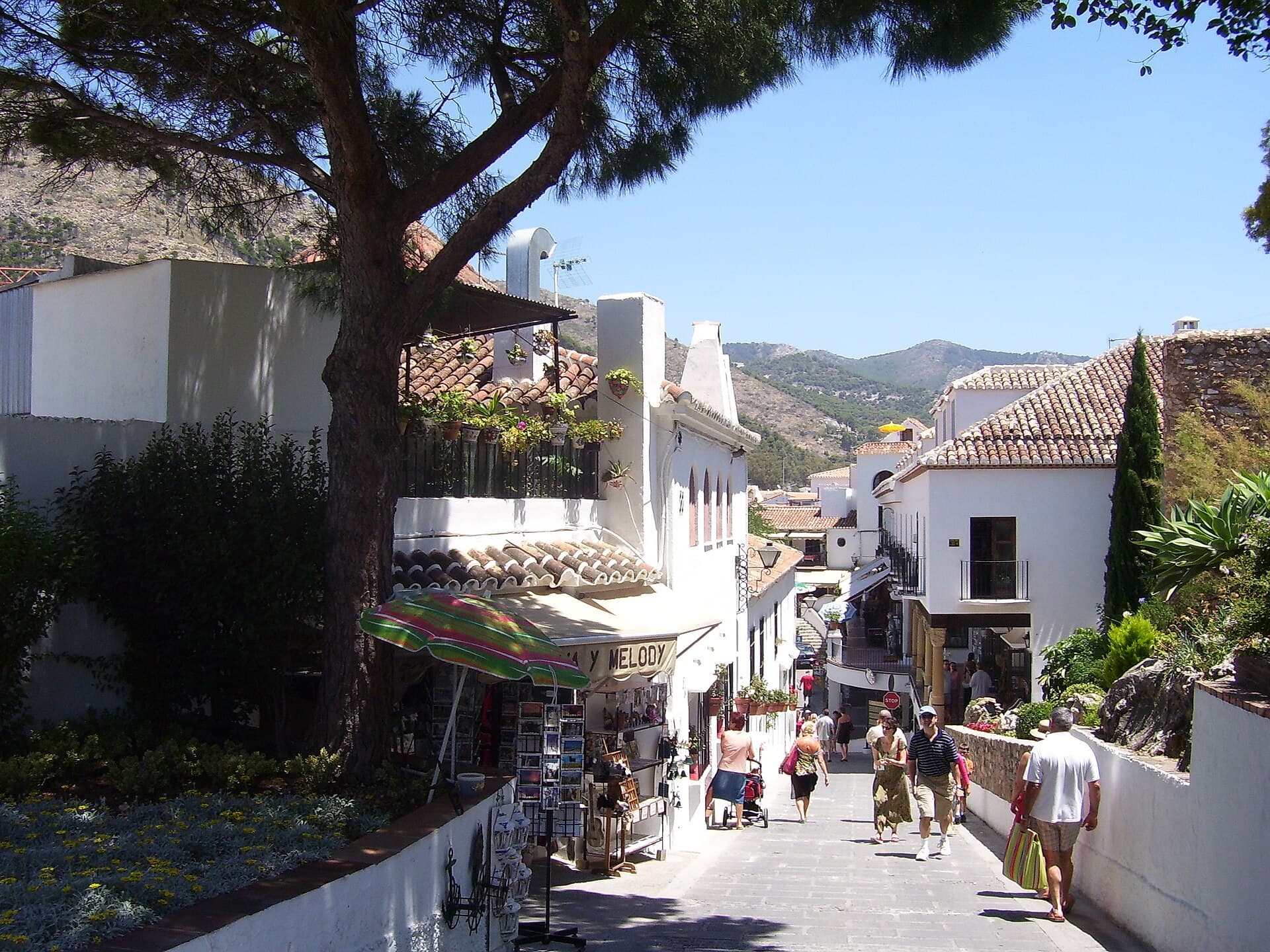 Tyk / CC BY-SA 3.0, via Wikimedia Commons
Selbstgeführte Audio-Walking-Tour durch Mijas — GPS-Route, Offline-Wiedergabe, erzählerische Narration in 32 Sprachen.
“Jenseits der weiß getünchten Mauern, ein Dorf der stillen Ecken und unerwarteten Geschichten.”
Nicht die Postkarten. Die Geschichten, die selbst Einheimische nicht kennen – dir ins Ohr geflüstert, genau dort, wo sie geschahen.
Die Esel-Taxis von Mijas sind berühmt, aber ihr Ursprung ist nicht das, was die meisten Leute vermuten.
Die ruhigen Gärten von La Muralla, die auf den Ruinen der alten Festung angelegt wurden, bergen ein Geheimnis über den ursprünglichen Namen des Dorfes.
Diese winzige, in den Fels gehauene Kapelle hat eine überraschende Entstehungsgeschichte, an der zwei Kinder und eine Taube beteiligt waren.
Entdecke jedes Geheimnis von Mijas
Jede Adresse, jede Enthüllung vollständig – in deinem Ohr, genau dort, wo es geschah.
Du wählst deine Stationen. Du gehst. Die Stimme enthüllt, was andere übersehen.
Deine selbstgeführte Audio-Tour durch Mijas ist bereit – wähle deine Sehenswürdigkeiten, deine Sprache und starte, sobald du ankommst.
KaufenLume enthält einen integrierten Augmented-Reality-Guide. Halten Sie Ihr Handy hoch: Die Kamera zeigt die Straße vor Ihnen, mit einem leuchtenden Pfeil über dem echten Bild, der immer auf Ihren nächsten Stopp zeigt — keine Karte zum Rätseln, keine falschen Abzweigungen. Wie alles bei Lume funktioniert es komplett offline.
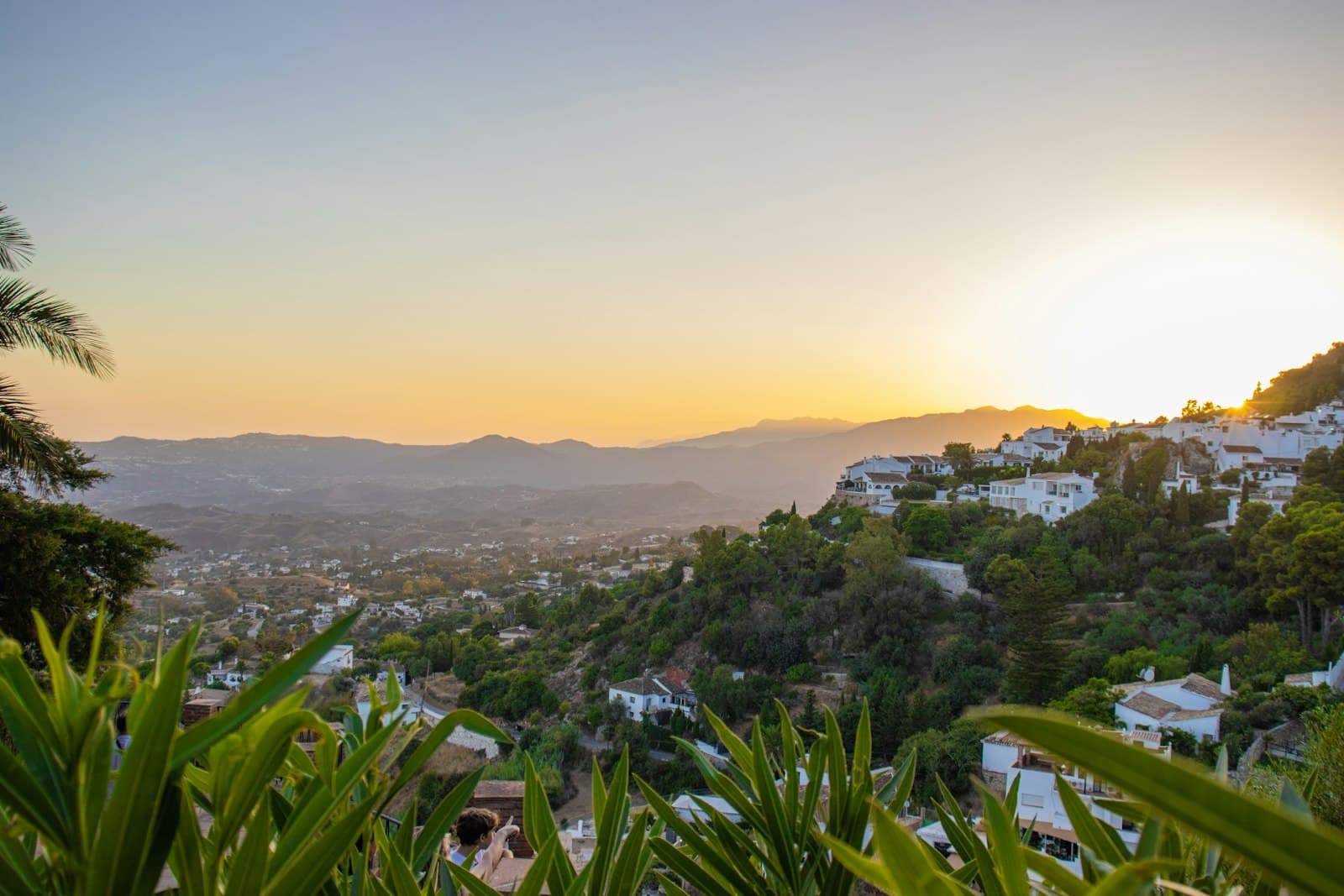
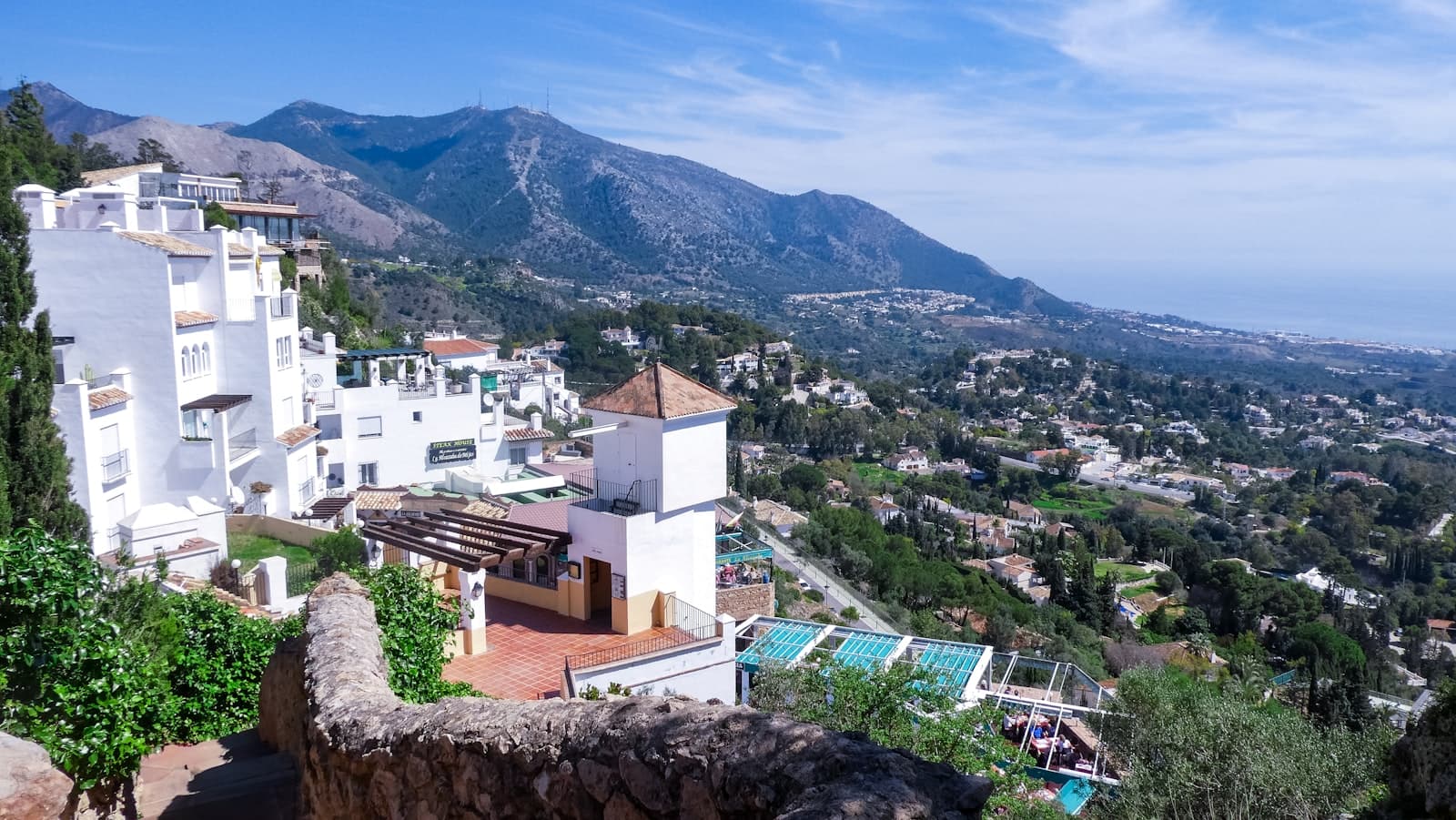
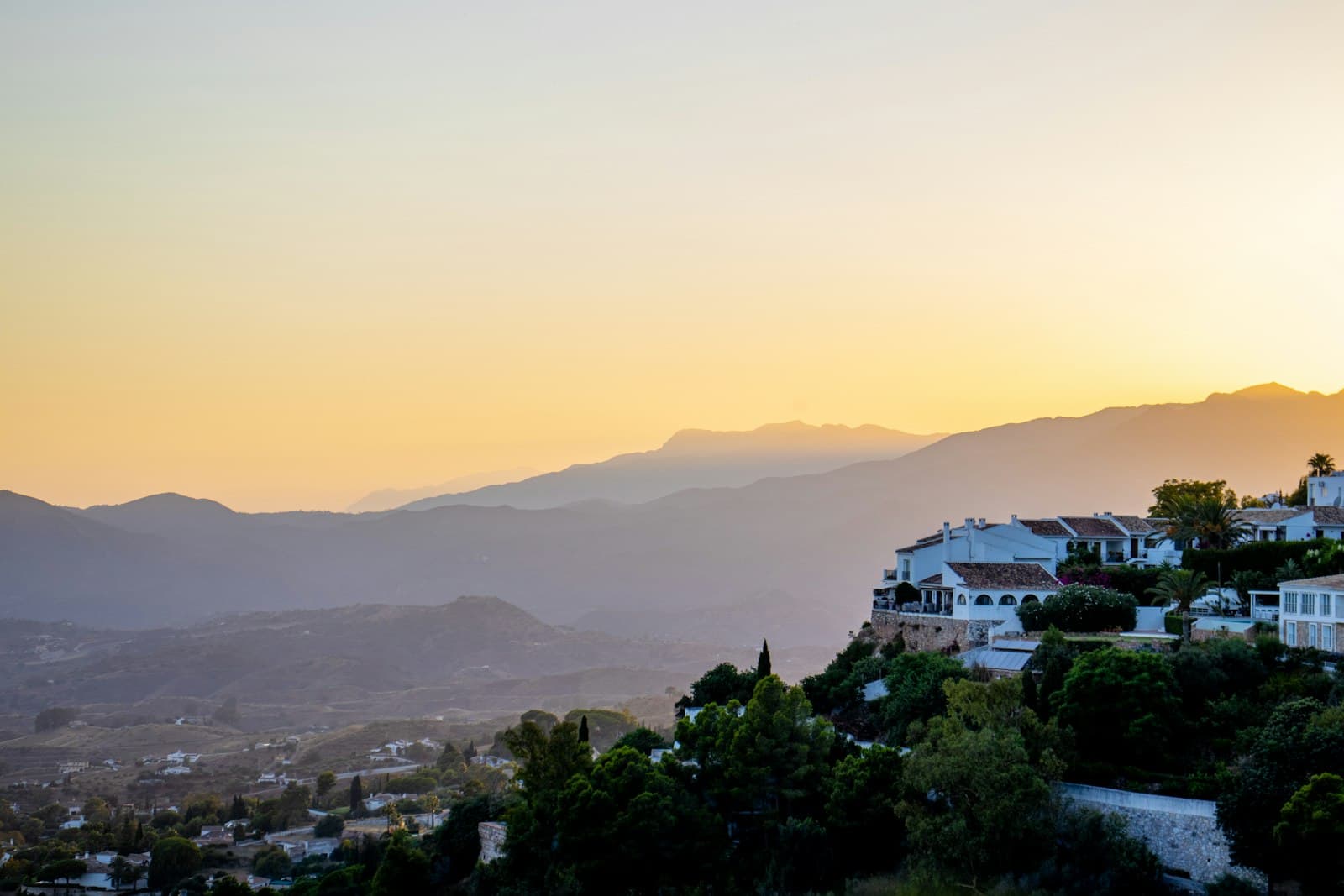
Die Sierra de Mijas-Berge sind Schauplatz von Mijas Pueblo, einem beeindruckenden Bild von weiß getünchten Häusern, die sich an den Hang schmiegen und das Mittelmeer überblicken. Dieses andalusische Dorf, das sich vom Küstenort Mijas Costa unterscheidet, bewahrt seinen zeitlosen Charakter mit engen, gewundenen Gassen und blumengeschmückten Balkonen. Es ist ein Ort, an dem das Lebenstempo langsamer wird und zur Erkundung seiner sonnenverwöhnten Plätze und ruhigen Innenhöfe einlädt. Die Luft trägt oft den Duft von Jasmin und Orangenblüten, ein subtiler Kontrapunkt zur fernen Meeresbrise.
Besucher lassen sich oft von den weiten Ausblicken anziehen, die sich von der erhöhten Lage des Dorfes aus erstrecken und die Küste und an klaren Tagen sogar den afrikanischen Kontinent umfassen. Trotz seiner Beliebtheit bewahrt Mijas Pueblo ein Gefühl der Authentizität und bietet Einblicke in das traditionelle spanische Leben neben seinen touristischeren Attraktionen. Es ist ein Dorf, das zum Bummeln einlädt, wo jede Biegung eine neue Perspektive oder eine friedliche Ecke enthüllen kann, um einfach den Rhythmus des täglichen Lebens zu beobachten.
Mijas blickt auf eine lange Geschichte zurück, die bis in die Antike reicht, mit Spuren menschlicher Besiedlung, die bis in die Altsteinzeit zurückverfolgt werden können. Die Tartessier gehörten zu den frühesten bekannten Bewohnern, gefolgt von den Phöniziern, die Handelsrouten entlang der Küste errichteten. Die Ankunft der Römer im 2. Jahrhundert v. Chr. markierte eine bedeutende Periode, die die Region in einen strategischen Außenposten verwandelte. Sie nannten die Siedlung 'Tamisa' oder 'Faro', und Überreste römischer Straßen und Befestigungsanlagen sind noch heute zu finden.
Die maurische Eroberung im 8. Jahrhundert n. Chr. leitete fast sieben Jahrhunderte islamischer Herrschaft ein. Während dieser Zeit blühte Mijas, damals bekannt als 'Mixas', als landwirtschaftliches Zentrum auf, insbesondere für Oliven und Feigen. Die Mauren führten auch ausgeklügelte Bewässerungssysteme ein, von denen viele noch heute in Gebrauch sind. Die Verteidigungsmauern des Dorfes und die Anlage seiner älteren Viertel stammen größtenteils aus dieser Zeit und spiegeln die architektonischen Stile und die Stadtplanung von Al-Andalus wider.
Die christliche Reconquista führte 1487 nach der Belagerung von Málaga zur Eroberung von Mijas durch die Katholischen Könige. Die muslimische Bevölkerung durfte zunächst bleiben, sah sich aber später gezwungenen Konversionen oder Vertreibungen gegenüber. Diese Periode brachte bedeutende kulturelle und religiöse Veränderungen mit sich, Moscheen wurden in Kirchen umgewandelt und neue christliche Traditionen etablierten sich. Das Dorf spielte im Morisco-Aufstand des 16. Jahrhunderts eine Rolle und prägte weiter seine demografische und soziale Landschaft.
In den folgenden Jahrhunderten blieb Mijas hauptsächlich eine landwirtschaftliche Gemeinde, obwohl seine strategische Lage es gelegentlich in den Orbit größerer Konflikte brachte. Das 19. und 20. Jahrhundert brachten allmähliche Veränderungen mit sich, wobei der Aufstieg des Tourismus Mitte des 20. Jahrhunderts die Wirtschaft und Entwicklung des Dorfes tiefgreifend beeinflusste. Während Mijas seinen historischen Kern bewahrte, passte es sich seiner neuen Rolle als beliebtes Reiseziel an und wog sorgfältig die Erhaltung mit den Anforderungen des modernen Tourismus ab. Seine beständige weiß getünchte Ästhetik und sein Engagement für die Bewahrung seines Erbes zeugen von seiner komplexen Vergangenheit.
Beginnen Sie Ihre Erkundung an der Ermita de la Virgen de la Peña, einer kleinen Kapelle, die in die Felswand gehauen ist und eine ruhige Atmosphäre sowie Einblicke in die lokale Frömmigkeit bietet. In der Nähe bietet der Mirador de la Sierra weite Ausblicke auf die Küste und die umliegenden Berge. Schlendern Sie durch die Jardines de la Muralla, Terrassengärten, die auf den Überresten der alten Festung angelegt wurden und von denen aus Sie Panoramablicke genießen und archäologische Funde entdecken können.
Verpassen Sie nicht die Plaza de la Constitución, den Hauptplatz, ein lebendiger Treffpunkt mit Cafés und Geschäften. Das Museo Histórico-Etnológico bietet Einblicke in die Vergangenheit von Mijas und zeigt traditionelles Handwerk und das tägliche Leben. Für ein einzigartiges Erlebnis sollten Sie eine Fahrt mit einem Eseltaxi in Betracht ziehen, eine langjährige Tradition im Dorf. Erkunden Sie die engen, autofreien Straßen und entdecken Sie Kunsthandwerkerläden, die Keramik, Lederwaren und lokale Produkte verkaufen. Die Stierkampfarena, eine der wenigen ovalen Stierkampfarenen Spaniens, ist ebenfalls einen Besuch wert wegen ihrer besonderen Architektur.
Die besten Reisezeiten für Mijas sind im Frühling (April bis Juni) und Herbst (September bis Oktober). In diesen Perioden ist das Wetter angenehm warm, ideal zum Spazierengehen und Erkunden, und das Dorf erlebt weniger Andrang als in der Hauptsaison im Sommer. Die Temperaturen liegen im Durchschnitt bei etwa 20-25°C. Der Sommer kann sehr heiß sein, mit Temperaturen, die oft 30°C übersteigen, während die Winter mild, aber regnerisch sein können.
Mijas Pueblo ist ein fußgängerfreundliches Dorf, daher sind bequeme Schuhe unerlässlich, um die kopfsteingepflasterten Straßen und Steigungen zu bewältigen. Parkplätze stehen auf dem mehrstöckigen Parkplatz in der Nähe des Dorfeingangs zur Verfügung, der über einen Aufzug direkt ins Zentrum führt. Öffentliche Busse verbinden Mijas Pueblo mit Küstenstädten wie Fuengirola und Málaga. Obwohl Spanisch die Amtssprache ist, wird Englisch in Touristengebieten weitgehend gesprochen. Geldautomaten sind leicht verfügbar und Kreditkarten werden in den meisten Geschäften akzeptiert.
Erwägen Sie einen Besuch am frühen Morgen oder späten Nachmittag, um den Mittagsandrang zu vermeiden, besonders während der Hauptsaison. Viele Geschäfte schließen am frühen Nachmittag für eine Siesta und öffnen später am Tag wieder. Trinkgeld ist in Restaurants und Cafés üblich, normalerweise 5-10% für guten Service.
Mijas — Koreanisch, Chinesisch, Hebräisch und 29 weitere Sprachen, jede Station von einer muttersprachlichen Stimme erzählt. Die größte Sprachauswahl aller selbstgeführten Audiotouren.
Verfügbar auf: