Sito archeologico di La Graufesenque
Prima del suo iconico viadotto, Millau era una potenza industriale romana.
La storia completa si sblocca nel tour
 Tobi 87 / CC BY-SA 3.0, via Wikimedia Commons
Tour audio autoguidato di Millau — percorso GPS a piedi, riproduzione offline, narrazione coinvolgente in 32 lingue.
“Dove antichi mestieri incontrano meraviglie moderne sotto i vasti cieli della Francia meridionale.”
Non le cartoline. Le storie che nemmeno i locali conoscono — sussurrate nel tuo orecchio, proprio dove sono accadute.
Prima del suo iconico viadotto, Millau era una potenza industriale romana.
La rinomata industria dei guanti della città ha un legame inaspettato con un famoso formaggio francese.
Questa meraviglia ingegneristica non è solo incredibilmente alta; il suo design include un sottile dettaglio per migliorare l'esperienza del conducente.
Scopri ogni segreto di Millau
Ogni indirizzo, ogni rivelazione completa — nel tuo orecchio, proprio dove è accaduta.
Scegli le tue tappe. Cammini. La voce rivela ciò che gli altri perdono.


Il tuo tour audio autoguidato di Millau è pronto — scegli i tuoi punti di interesse, seleziona la tua lingua e inizia nel momento in cui arrivi.
AcquistaLume include una guida in realtà aumentata. Alza il telefono: la fotocamera mostra la strada davanti a te, con una freccia luminosa sovrapposta all'immagine reale che punta sempre verso la tua prossima tappa — nessuna mappa da decifrare, nessuna svolta sbagliata. Come tutto in Lume, funziona completamente offline.
Millau, una cittadina accattivante nel dipartimento francese dell'Aveyron, offre una miscela unica di antiche narrazioni, eredità artigianale e paesaggi naturali spettacolari. Situata dove convergono i fiumi Tarn e Dourbie, funge da porta d'accesso al Parco Naturale Regionale dei Grands Causses, patrimonio mondiale dell'UNESCO noto per i suoi altipiani calcarei e le profonde gole. Sebbene il suo monumento più celebre sia l'imponente Viadotto di Millau, una testimonianza dell'ingegneria moderna, la città stessa invita all'esplorazione con il suo nucleo storico di stretti passaggi, venerabili strutture in pietra e vivaci piazze pubbliche.
Oltre alla sua grandezza architettonica e naturale, Millau occupa un posto significativo nella cronaca dell'artigianato francese, in particolare nella sua secolare tradizione di lavorazione della pelle e dei guanti. L'area circostante è anche apprezzata per le sue usanze pastorali e le prelibatezze locali, tra cui il rinomato formaggio Roquefort. Che siate attratti dalle avventure all'aria aperta nelle gole, da un viaggio nel tempo nel suo cuore storico o da un assaggio dell'autentica cultura francese, Millau offre un'esperienza avvincente lontano dalla frenesia delle grandi città.
La storia di Millau risale a quasi 3.000 anni fa, con il suo primo insediamento sulle colline di Granède che dominava l'attuale città. Nel I secolo a.C., la comunità si era trasferita nella pianura alluvionale sulla riva sinistra del Tarn, crescendo fino a diventare un insediamento gallo-romano chiamato Condatomagus, che significa "mercato alla confluenza dei fiumi". Questo nome descriveva precisamente il suo ruolo di importante punto di scambio commerciale. Il vicino sito di La Graufesenque divenne un centro industriale dell'Impero Romano, producendo grandi quantità di ceramiche rosse smaltate (terra sigillata) che furono inviate in tutto il mondo romano per 150 anni.
Nel IX secolo, Millau si era espansa e nel Medioevo vantava uno dei principali ponti del fiume Tarn, una struttura a 17 campate che facilitava importanti rotte commerciali. La città passò sotto il governo inglese nel 1361 durante la Guerra dei Cent'anni e in seguito divenne una roccaforte ugonotta, ribellandosi a Luigi XIII nel 1620.
Il XIX secolo vide l'ascesa della celebre industria dei guanti di Millau. Questo mestiere, affinato nel corso dei secoli, vide la città diventare un centro mondiale per i guanti in pelle di alta qualità, con abilità tramandate di generazione in generazione. A metà del XX secolo, l'industria raggiunse il suo apice, impiegando 12.000 persone e producendo cinque milioni di paia di guanti all'anno per la distribuzione mondiale. Sebbene il tessuto industriale sia cambiato, alcune botteghe continuano a creare guanti per i principali marchi francesi di moda e lusso, salvaguardando questo patrimonio unico. Millau ha ottenuto il riconoscimento di "Città e Mestieri d'Arte" nel 2000.
Più recentemente, Millau ha attirato l'attenzione nazionale negli anni '70 durante la lotta del Larzac, una protesta contro l'espansione di un campo militare. Il XXI secolo ha portato una nuova icona: il Viadotto di Millau, inaugurato nel 2004. Questa impresa ingegneristica non solo ha alleviato la congestione del traffico nel centro della città, ma ha anche trasformato Millau in una significativa destinazione turistica e un simbolo del design moderno.
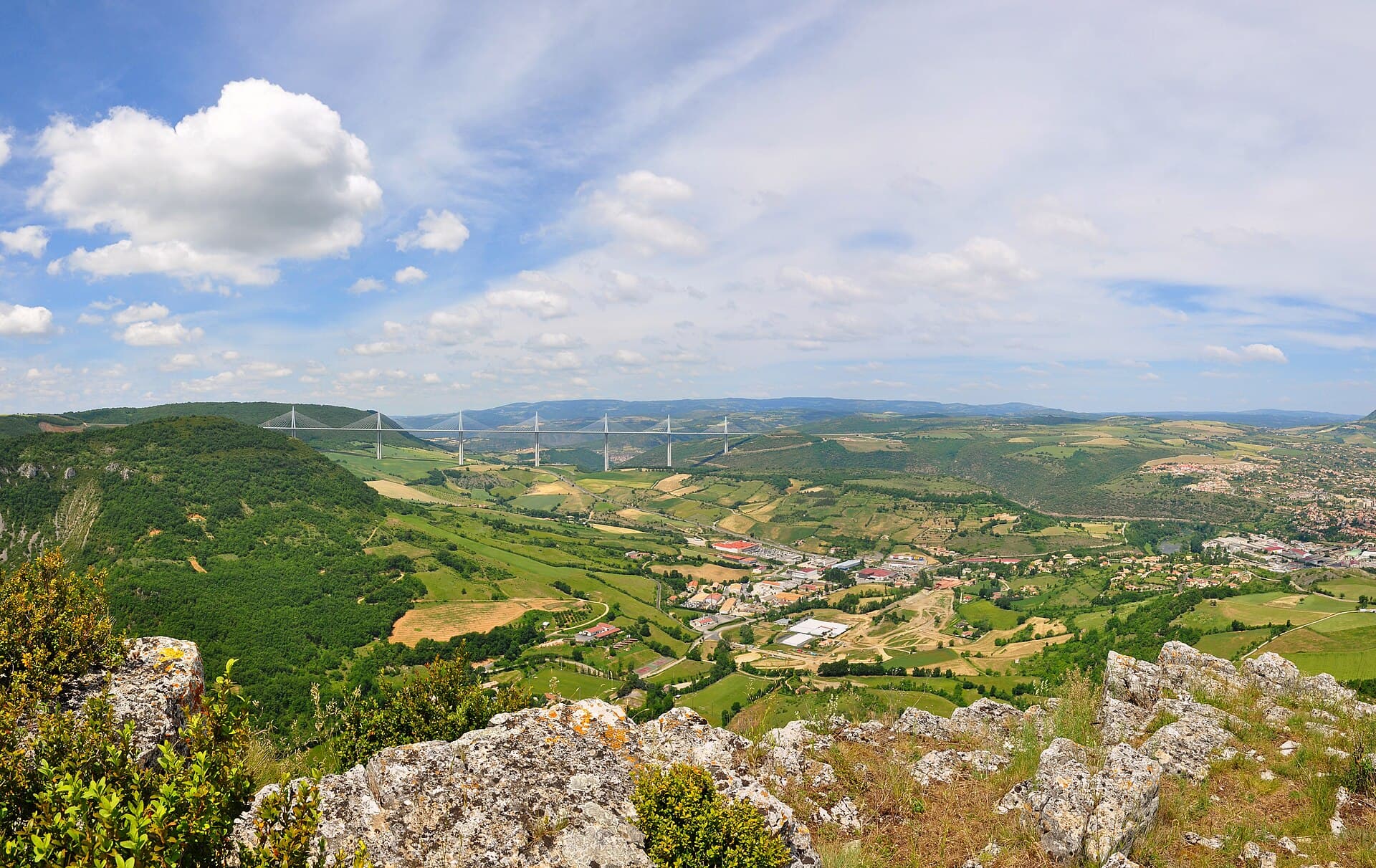
La vista più impressionante a Millau è senza dubbio il Viadotto di Millau, una meraviglia architettonica e ingegneristica che attraversa la Valle del Tarn. Potete ammirare questo ponte da record da vari punti panoramici, tra cui il Jardin des Explorateurs presso l'Espace Info Center del Viadotto, che ospita anche un museo che ne illustra la costruzione.
Nel centro della città, esplorate il centro storico con i suoi intricati passaggi medievali e antiche strutture in pietra. Il Campanile di Millau si erge come un punto di riferimento prominente, combinando una torre quadrata del XII secolo con un'aggiunta ottagonale del XVII secolo, offrendo viste panoramiche dopo aver salito i suoi 210 gradini. Visitate Place du Maréchal Foch con i suoi portici e la vicina Chiesa di Notre-Dame-de-l'Espinasse, risalente al XII secolo. La Lavanderia Ayrolle, una struttura del XVIII secolo, offre uno sguardo sui ritmi quotidiani del passato.
Per approfondire la storia e l'artigianato locale, il Museo di Millau e dei Grands Causses (Musée de Millau et des Grands Causses) è ospitato nella storica dimora Pégayrolles. Presenta collezioni di paleontologia, archeologia gallo-romana e il patrimonio di lavorazione della pelle e dei guanti della città. Potete anche visitare laboratori di guanti attivi come Maison Causse o Maison Fabre per osservare da vicino questo mestiere tradizionale.
Oltre la città, il circostante Parco Naturale Regionale dei Grands Causses offre gole spettacolari, come le Gorges du Tarn e le Gorges de la Jonte, perfette per attività all'aria aperta come kayak, escursionismo e parapendio. Non trascurate le "città di pietra" come La Cité de Pierres, impressionanti formazioni rocciose scolpite dalle forze naturali.
Il periodo ideale per visitare Millau per attività all'aria aperta con clima caldo va da fine giugno a fine agosto. Durante questi mesi, le estati sono confortevoli e generalmente serene, con temperature medie giornaliere comprese tra 20°C e 25°C. Anche la primavera e l'inizio dell'autunno, in particolare settembre, offrono un clima gradevole con temperature più miti, rendendoli adatti per esplorare la città e i suoi dintorni naturali. Millau sperimenta notevoli variazioni stagionali nelle precipitazioni, con luglio che è il mese più secco.
Millau è una città facilmente esplorabile a piedi, specialmente il suo centro storico, consentendo una navigazione semplice. Per raggiungere Millau, l'aeroporto più vicino è Rodez-Marcillac Airport (RDZ), a circa 58,5 km di distanza, con un viaggio in taxi o autobus di circa 1 ora e 50 minuti. Millau beneficia anche di buoni collegamenti stradali, rendendola accessibile in auto. Autobus pubblici sono disponibili per il trasporto all'interno dell'area.
Quando fate la valigia, considerate il clima temperato. Abbigliamento leggero, un cappello e la protezione solare sono suggeriti per le visite estive, mentre la primavera e l'autunno potrebbero richiedere strati più caldi e una giacca leggera. Scarpe comode sono essenziali per tour a piedi e attività all'aperto. La valuta locale è l'Euro (EUR) e la lingua parlata è il francese. Si consiglia di prenotare tour e noleggio attrezzature in anticipo, in particolare durante l'alta stagione per attività all'aperto popolari come il kayak nelle Gole del Tarn.
Millau — coreano, cinese, ebraico e altre 29 lingue, ogni tappa narrata da una voce madrelingua. La più ampia scelta di lingue tra i tour audio autoguidati.
Disponibile in: