Katakomben von Milos
Über eine antike Begräbnisstätte hinaus boten diese unterirdischen Kammern frühen Christen einen tieferen, abgeschiedenen Zufluchtsort.
Die ganze Geschichte wird in der Tour freigeschaltet
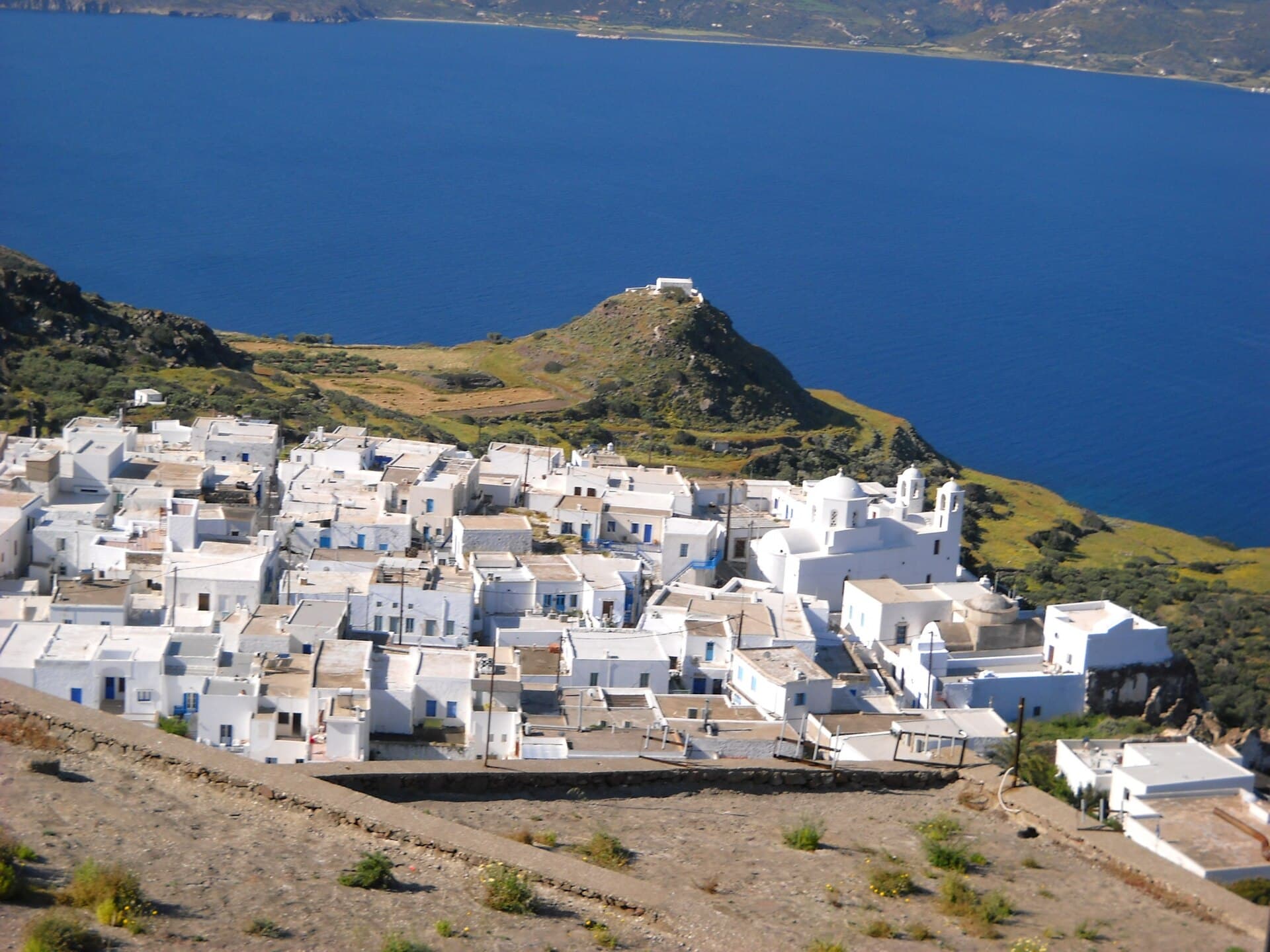 pastitio / CC BY 2.0, via Wikimedia Commons
Selbstgeführte Audio-Walking-Tour durch Milos — GPS-Route, Offline-Wiedergabe, erzählerische Narration in 32 Sprachen.
“Milos: Wo vulkanische Erde auf die azurblaue Weite der Ägäis trifft.”
Nicht die Postkarten. Die Geschichten, die selbst Einheimische nicht kennen – dir ins Ohr geflüstert, genau dort, wo sie geschahen.
Über eine antike Begräbnisstätte hinaus boten diese unterirdischen Kammern frühen Christen einen tieferen, abgeschiedenen Zufluchtsort.
Die unverwechselbaren weißen Felsformationen von Sarakiniko verbergen eine Vergangenheit, die mit berüchtigten Figuren der Ägäis verbunden ist.
Die verlassenen Schwefelminen auf Milos bewahren Echos einer anspruchsvollen industriellen Vergangenheit und eine überraschende Verbindung zu einem gängigen Haushaltsgegenstand.
Entdecke jedes Geheimnis von Milos
Jede Adresse, jede Enthüllung vollständig – in deinem Ohr, genau dort, wo es geschah.
Du wählst deine Stationen. Du gehst. Die Stimme enthüllt, was andere übersehen.


Lume enthält einen integrierten Augmented-Reality-Guide. Halten Sie Ihr Handy hoch: Die Kamera zeigt die Straße vor Ihnen, mit einem leuchtenden Pfeil über dem echten Bild, der immer auf Ihren nächsten Stopp zeigt — keine Karte zum Rätseln, keine falschen Abzweigungen. Wie alles bei Lume funktioniert es komplett offline.
Milos, eine vulkanische griechische Insel in der Ägäis, markiert den südwestlichen Rand der Kykladen. Seine dramatischen vulkanischen Ursprünge, geformt durch Eruptionen vor Millionen von Jahren, haben eine vielfältige Landschaft von außergewöhnlichen Farben und geologischen Formationen geschaffen. Diese einzigartige Geologie hat unvergessliche Strände mit Sand und Felsen in Rot-, Pink- und Orangetönen hervorgebracht, neben den ikonischen weißen, mondähnlichen Landschaften von Orten wie Sarakiniko.
Jenseits seiner beeindruckenden Naturschönheit bietet Milos eine Mischung aus authentischem griechischem Charakter und einer ruhigeren Atmosphäre im Vergleich zu einigen seiner belebteren kykladischen Nachbarn. Die Insel behält ein friedliches Flair, wobei der Tourismus nicht ihre einzige Einnahmequelle ist; der Bergbau war historisch eine bedeutende Einkommensquelle. Dies ermöglicht ein authentischeres Erlebnis, bei dem Besucher malerische Fischerdörfer, antike Ruinen und abgelegene Strände ohne überwältigende Menschenmassen erkunden können.
Milos wird oft als Insel der Zuneigung, alter Geschichten und Entdeckungen beschrieben, auf der die Kunst der Natur in vollem Umfang zur Geltung kommt. Von seinem unberührten Wasser und mystischen Meereshöhlen bis zu seinen lebhaften Dörfern und fesselnden Sonnenuntergängen bietet Milos eine ansprechende Flucht für diejenigen, die sowohl Ruhe als auch Abenteuer suchen.
## Antike Ursprünge und Obsidianhandel Milos ist seit der Jungsteinzeit (7000-2800 v. Chr.) bewohnt und entwickelte sich aufgrund seiner reichen Obsidianvorkommen, eines harten, schwarzen vulkanischen Glases, rasant. Die Inselbewohner spezialisierten sich auf die Herstellung von Werkzeugen und Waffen aus Obsidian, der im gesamten Ägäis- und Mittelmeerraum gehandelt wurde. Funde wurden auf Kreta, dem Peloponnes, Zypern und Ägypten gemacht. Dieser Handel brachte Wohlstand und etablierte Milos als bedeutendes Zentrum der frühen ägäischen Zivilisation.
## Klassische und Hellenistische Perioden In der frühen Bronzezeit (2800-1100 v. Chr.) wurde Milos zu einem bedeutenden Zentrum der kykladischen Kultur, wobei die antike Stadt Phylakopi zu einer wichtigen Siedlung aufstieg. Die Insel nahm aktiv an den antiken griechischen Kriegen teil und stellte Kriegsschiffe für die Schlacht von Salamis und Hopliten für die Schlacht von Plataea gegen die Perser. Milos wurde jedoch 415 v. Chr. von Athen wegen seiner Neutralität während des Peloponnesischen Krieges zerstört. Unter makedonischer und später ägyptischer Herrschaft erlebte Milos neuen Wohlstand, was zu einer Blüte der Künste führte. In dieser hellenistischen Periode entstanden berühmte Skulpturen wie die Venus von Milo (heute im Louvre) und die monumentale Statue des Poseidon (im Archäologischen Nationalmuseum Athen).
## Römische, Byzantinische und Osmanische Ären Während der römischen Besatzung wurde in der antiken Stadt nahe dem heutigen Klima ein Marmortheater errichtet. Das 1. Jahrhundert n. Chr. markierte die Bekehrung der Insel zum Christentum mit der Gründung der Katakomben von Milos, einem der größten unterirdischen Bestattungskomplexe Griechenlands. Nach dem Fall Konstantinopels im Jahr 1204 geriet Milos unter venezianische Herrschaft, gefolgt von osmanisch-türkischer Kontrolle. In diesen Perioden dienten die zahlreichen Höhlen und abgelegenen Buchten der Insel oft als Piratenverstecke.
## Moderne Geschichte und Widerstandsfähigkeit Milos schloss sich als eine der ersten Inseln dem Griechischen Unabhängigkeitskrieg von 1821 an, wobei die erste Seeschlacht am 11. April 1821 vor ihrer Küste stattfand. Die Insel bot vielen Griechen, insbesondere aus Kreta, Zuflucht, was 1841 zur Gründung der Hafenstadt Adamantas durch kretische Flüchtlinge führte. Im 20. Jahrhundert spielte Milos während beider Weltkriege eine strategische Rolle, diente als Marinestützpunkt für die anglo-französische Ägäisflotte im Ersten Weltkrieg und erlitt die deutsche Besatzung im Zweiten Weltkrieg. Trotz harter Bedingungen, die einige Einwohner zur Auswanderung zwangen, hat der Aufstieg des Tourismus zu einer bedeutenden Entwicklung auf der Insel geführt.
Milos bietet eine vielfältige Auswahl an Sehenswürdigkeiten, von mondähnlichen Landschaften über farbenfrohe Fischerdörfer bis hin zu antiken historischen Stätten. Der Strand von Sarakiniko mit seinen einzigartigen weißen vulkanischen Felsformationen, geformt durch Wind und Wellen, bietet Möglichkeiten zur Erkundung und zum Klippenspringen. Für ein weiteres dramatisches Küstenerlebnis unternehmen Sie eine Bootstour zur Kleftiko-Bucht, bekannt für ihre hoch aufragenden weißen Klippen, Meereshöhlen und das klare türkisfarbene Wasser, einst ein Piratenversteck.
Erkunden Sie die charmanten Fischerdörfer mit ihren charakteristischen 'Syrmata' – bunten Bootshäusern, die in den Fels gebaut sind. Klima mit seinen lebhaften Bootshäusern, die sich direkt zum Wasser öffnen, ist besonders fotogen und bietet fesselnde Sonnenuntergänge. Weitere malerische Dörfer sind Mandrakia und Firopotamos, die jeweils traditionellen Charakter und wunderschöne Buchten bieten.
Tauchen Sie ein in die antike Vergangenheit von Milos und besuchen Sie die Katakomben von Milos, eines der bedeutendsten frühchristlichen Denkmäler Griechenlands. Erkunden Sie in der Nähe die Ruinen des antiken römischen Theaters und den Fundort der Venus von Milo. Für einen Einblick in das industrielle Erbe der Insel besuchen Sie die verlassenen alten Schwefelminen (Thiorichia) am Strand von Paliorema, wo verrostete Maschinen und zerfallende Gebäude Zeugnis von seiner Bergbaugeschichte ablegen. Verpassen Sie nicht die Hauptstadt Plaka mit ihren weiß getünchten Gassen, Boutiquen, Tavernen und Panoramablicken bei Sonnenuntergang von der Burg Plaka oder der Kirche Panagia Korfiatissa.
Die ideale Zeit für einen Besuch auf Milos reicht von Ende April bis Ende September. Für ein ruhigeres Erlebnis mit weniger Menschenmassen sollten Sie die Übergangszeiten Mai-Juni oder September-Oktober in Betracht ziehen. In diesen Monaten ist das Wetter warm, das Meer perfekt zum Schwimmen und die Unterkunftspreise sind generell günstiger. Juli und August sind die geschäftigsten Monate mit den höchsten Temperaturen und den meistbesuchten Stränden. Während das Wasser Ende August und September am wärmsten ist, können die starken 'Meltemi'-Winde im Juli und August Bootsfahrpläne und Strandzeiten beeinträchtigen. April ist hervorragend zum Wandern, mit blühenden Wildblumen und angenehmen Temperaturen.
Milos verfügt über einen Inlandsflughafen mit regelmäßigen Flügen von Athen (ca. 40 Minuten) oder Sie erreichen die Insel mit der Fähre vom Hafen Piräus in der Nähe von Athen (3-7 Stunden je nach Schiff). Fähren verbinden Milos auch mit anderen Kykladeninseln wie Santorini, Paros und Sifnos.
Um die Insel effektiv zu erkunden, wird die Anmietung eines ATVs, Rollers oder Autos dringend empfohlen, da die öffentlichen Verkehrsmittel begrenzt sind, insbesondere für abgelegene Strände und Dörfer. Geldautomaten sind in Adamas, der Haupthafenstadt, verfügbar, aber es ist ratsam, Bargeld bei der Ankunft abzuheben, da einige kleinere Geschäfte und Bootsvermieter möglicherweise nur Bargeld akzeptieren. Die Mobilfunkabdeckung ist in den Hauptstädten generell gut, kann aber in abgelegenen Strandbereichen abnehmen. Packen Sie Sonnencreme, einen Hut und ausreichend Wasser für Strandtage ein, da viele dramatische Vulkanstrände wenig natürlichen Schatten bieten. Die meisten Orte akzeptieren Kreditkarten, aber etwas Bargeld in Euro dabei zu haben, ist immer eine sinnvolle Praxis.
Milos — Koreanisch, Chinesisch, Hebräisch und 29 weitere Sprachen, jede Station von einer muttersprachlichen Stimme erzählt. Die größte Sprachauswahl aller selbstgeführten Audiotouren.
Verfügbar auf: