Tell el-Amarna
¿Imagina un faraón tan devoto a un solo dios que construyó una ciudad capital completamente nueva para su visión. ¿Qué fue de este gran experimento después de su muerte?
La historia completa se desbloquea en el tour
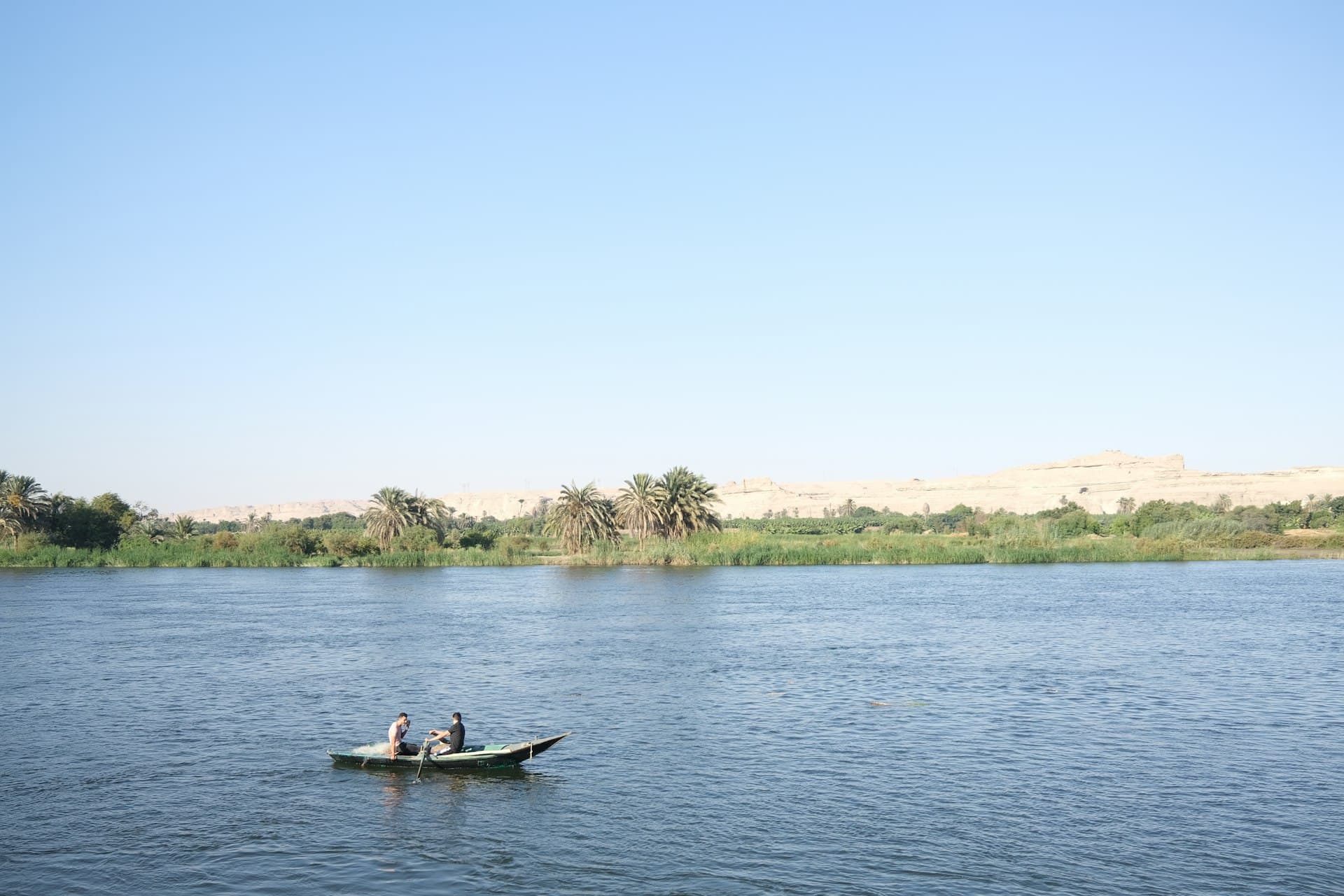 Photo: Ahmad Ajmi / Unsplash
Tour de audio autoguiado de Minya — ruta GPS a pie, reproducción offline, narración en 32 idiomas.
“Minya: Donde los ecos ancestrales se encuentran con la corriente perdurable del Nilo.”
No las postales. Las historias que ni los locales conocen — al oído, justo donde ocurrieron.
¿Imagina un faraón tan devoto a un solo dios que construyó una ciudad capital completamente nueva para su visión. ¿Qué fue de este gran experimento después de su muerte?
Un monasterio aferrado a un acantilado guarda un secreto sobre el viaje de una familia muy famosa a través de Egipto. ¿Qué hace que este lugar en particular sea tan sagrado?
Pasear por ciertas avenidas de Minya revela grandes mansiones de diseño italiano. ¿Qué evento global inesperado llevó a su construcción y al sorprendente auge económico de Minya?
Descubre todos los secretos de Minya
Cada dirección, cada revelación al completo — a tu oído, justo donde ocurrió.
Eliges tus paradas. Caminas. La voz te revela lo que los demás ignoran.

Tu tour de audioguía por Minya te espera — elige tus lugares, tu idioma y empieza al llegar.
ComprarLume incluye una guía de realidad aumentada. Levanta el móvil y su cámara muestra la calle que tienes delante, con una flecha luminosa sobre la imagen real que siempre apunta a tu próxima parada — sin mapas que descifrar, sin giros equivocados. Como todo en Lume, funciona completamente sin conexión.
Minya, a veces conocida como la 'Novia del Alto Egipto', es una ciudad situada en la orilla occidental del río Nilo, aproximadamente a 245 kilómetros al sur de El Cairo. Esta capital provincial funciona como un centro administrativo y presenta una fusión singular de historia antigua y existencia egipcia contemporánea. Aunque menos frecuentada por viajeros que otros destinos prominentes, Minya ofrece una conexión íntima con el pasado estratificado de Egipto.
La ubicación estratégica de la ciudad en el Egipto Medio, sirviendo como un vínculo crucial entre el norte y el sur, ha contribuido a su importancia duradera a lo largo de milenios. Minya actúa como una puerta de entrada a algunos de los sitios arqueológicos más extraordinarios de Egipto, incluida la antigua capital de Tell el-Amarna y la necrópolis de Beni Hassan. También posee una notable herencia cristiana copta, con una alta concentración de iglesias y monasterios en sus alrededores.
La narrativa de Minya se remonta al Período Predinástico, anterior al 3100 a.C., cuando la zona era reconocida como el 16º nomo, o distrito, probablemente llamado el nomo del Órix debido a la prevalencia de esta especie de antílope. Permaneció como una ciudad-estado autónoma hasta que el faraón Menes unificó Egipto alrededor del 3100 a.C. Durante el Imperio Antiguo, la ciudad fue ocasionalmente identificada con Men'at Khufu, sugiriendo un vínculo con el faraón Khufu, arquitecto de la Gran Pirámide de Giza. La región prosperó durante la era faraónica, sirviendo como un centro estratégico para el intercambio y el comercio.
El dominio grecorromano introdujo nuevos estilos arquitectónicos y marcos administrativos, con el Egipto Medio extensamente colonizado por comunidades griegas. Minya se convirtió en un punto focal para el comercio de algodón egipcio, habitada por comerciantes griegos y romanos. La antigua ciudad de Hermópolis Magna (la actual El Ashmunein) fue la capital regional durante esta era y un centro principal para el culto del dios Thoth. El Monasterio de la Virgen María en Gabal el-Teir, un importante sitio cristiano, fue construido en el año 328 d.C. por la emperatriz Helena.
Con la llegada de los árabes después del 641 d.C., la ciudad abrazó gradualmente el Islam, y su nombre moderno, Minya, evolucionó de raíces coptas que significan 'lugar de parada' o 'monasterio'. Durante el gobierno abasí a principios del siglo IX, Minya fue expandida por Ibn Khasib, un gobernante benévolo, y se conoció como Munyat ibn Khasib. El Califato Fatimí en los siglos X y XI fue testigo de la continua expansión de Minya, con la construcción de grandes mezquitas, escuelas, un bazar y baños públicos. El viajero medieval Ibn Battuta visitó Minya en 1326 y elogió sus avanzadas instituciones educativas, observando que 'supera a todas las demás ciudades del Alto Egipto'.
Minya ganó una renovada prominencia durante el gobierno de Muhammad Ali y especialmente bajo Ismail, quien poseía extensas plantaciones de algodón y caña de azúcar. Ismail inició la modernización de la ciudad en la década de 1870, incluyendo extensiones residenciales y la construcción del Canal Ibrahimiya en 1873, lo que impulsó significativamente el crecimiento urbano. La Guerra Civil Americana provocó un auge del algodón, lo que llevó a la construcción de grandes mansiones de diseño italiano para los recién ricos magnates del algodón. Sin embargo, después de la revolución de 1952 y la nacionalización en la década de 1950, muchas comunidades extranjeras partieron, contribuyendo al declive del distrito colonial.
Minya presenta una rica colección de sitios arqueológicos e históricos. Las tumbas de Beni Hassan, excavadas en acantilados de piedra caliza, ofrecen una visión fascinante de la vida de los antiguos egipcios con intrincadas pinturas que representan la vida diaria y los rituales del Reino Medio. Más al sur se encuentra Tell el-Amarna, la antigua capital establecida por el faraón Akhenatón, donde se pueden explorar los restos de palacios, templos y tumbas reales, incluida la Tumba de Akhenatón. El sitio de Tuna el-Gebel es una extensa necrópolis que presenta una variedad de tumbas y monumentos antiguos, incluida la tumba y capilla de Petosiris. Cerca, El-Ashmounein (la antigua Hermópolis Magna) exhibe las ruinas de un templo griego y otras estructuras, reflejando su pasado como centro de culto al dios Thoth.
Para aquellos interesados en la herencia cristiana, el Monasterio de la Virgen María en Gabal el-Teir es un lugar significativo, que se cree fue un lugar de descanso para la Sagrada Familia. Dentro de la ciudad de Minya, la Corniche de Minya ofrece vistas panorámicas a lo largo del río Nilo, perfectas para paseos tranquilos y para apreciar el sereno entorno. El Museo de Atón (Aton Museum) es un museo contemporáneo que exhibe artefactos de la región. Otros sitios notables incluyen la Mezquita Al-Lamty, un importante monumento islámico que data del gobierno fatimí, y el sitio arqueológico de Deir el-Bersha.
La época más favorable para visitar Minya es durante los meses más frescos, de octubre a abril. Durante este período, el clima es templado y agradable, con temperaturas diurnas que oscilan entre 21°C y 27°C (70°F y 80°F), lo que lo hace ideal para explorar sitios arqueológicos al aire libre. Los veranos, de mayo a septiembre, pueden ser extremadamente calurosos, a menudo superando los 40°C (104°F), lo que puede dificultar las actividades al aire libre. Las precipitaciones son mínimas durante todo el año, así que espere condiciones consistentemente secas y soleadas.
La moneda oficial en Minya, y en todo Egipto, es la Libra Egipcia (EGP), simbolizada como E£. Aunque se aceptan tarjetas de crédito y débito en muchos hoteles y establecimientos más grandes, el efectivo se prefiere con frecuencia en tiendas y mercados más pequeños. Es aconsejable llevar Libras Egipcias para los gastos diarios. El idioma principal que se habla es el árabe, específicamente el árabe coloquial egipcio. Aunque se puede hablar algo de inglés en las zonas turísticas, aprender algunas frases básicas en árabe puede mejorar su experiencia. Al visitar sitios religiosos, es importante vestir con modestia. Minya se considera generalmente segura para los viajeros, especialmente en las zonas turísticas designadas y los sitios arqueológicos. Sin embargo, siempre es prudente estar atento a su entorno, evitar viajar solo por la noche y confirmar los precios de los servicios de antemano para evitar sobrecargos. Las opciones de transporte público dentro de Minya pueden ser limitadas, por lo que considere contratar un coche privado con conductor para una visita turística más cómoda.
Minya en coreano, en chino o en hebreo — y 29 idiomas más, cada parada narrada por una voz nativa. La mayor variedad de idiomas de cualquier audioguía autoguiada.
Disponible en: