Музей современной истории Мокпхо, зал 1
Это краснокирпичное здание, ныне музей, хранит секрет серебряного экрана.
Полная история открывается в туре
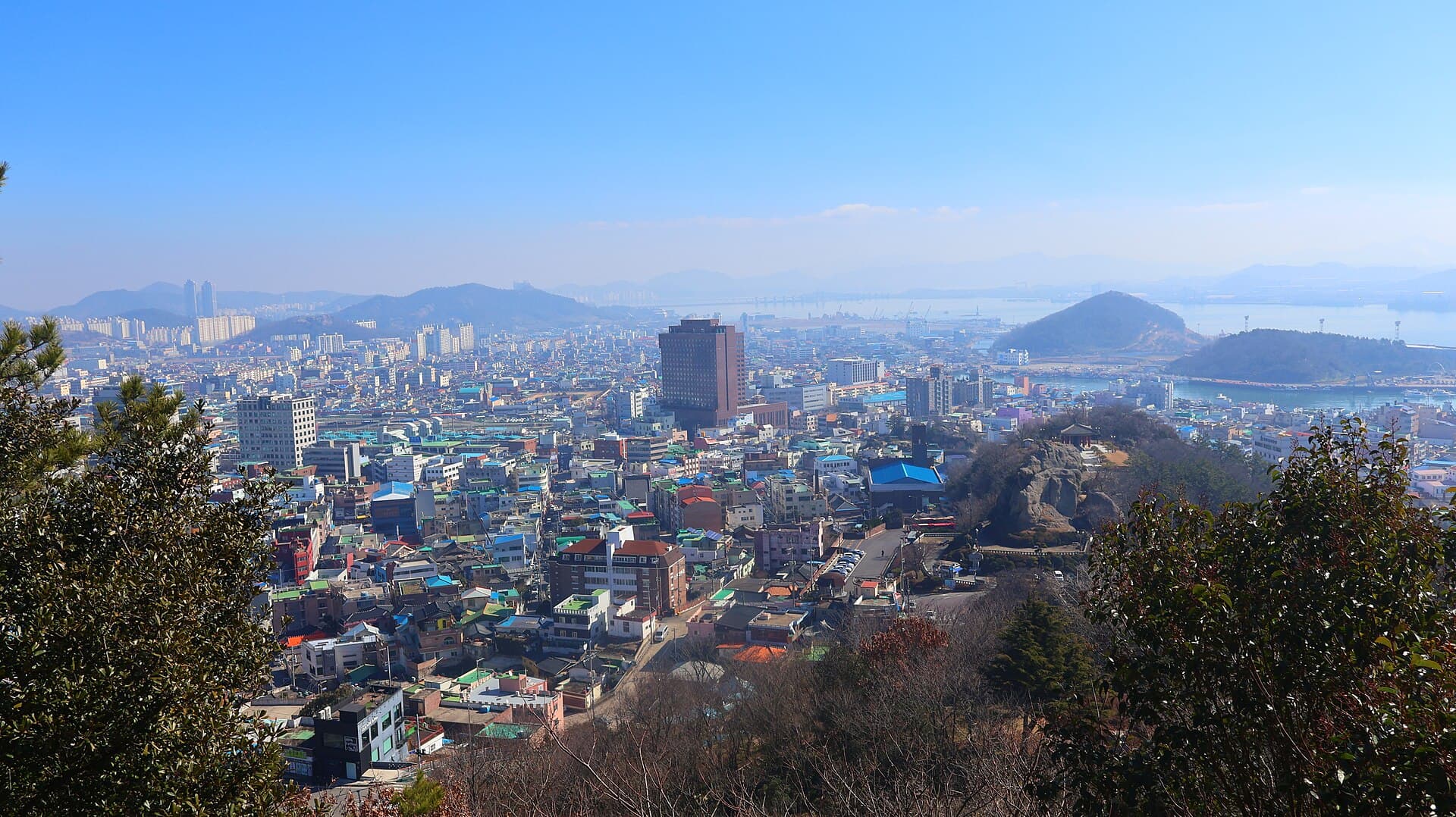 LandAndTree This photo was taken with Canon EOS R50 / CC BY 4.0, via Wikimedia Commons
Самостоятельная аудиопрогулка по Мокпхо — GPS-маршрут, офлайн-воспроизведение, увлекательное повествование на 32 языках.
“Где дыхание моря встречается с прочным камнем.”
Не открытки. Истории, которые не знают даже местные жители — шепотом в вашем ухе, прямо там, где они произошли.
Это краснокирпичное здание, ныне музей, хранит секрет серебряного экрана.
Эти природные скальные образования — не просто живописные; они воплощают историю глубокой семейной преданности.
Помимо обширных видов, Юдальсан считается перевалочным пунктом для чего-то более эфирного.
Откройте для себя каждый секрет Мокпхо
Каждый адрес, каждое полное раскрытие — в вашем ухе, прямо там, где это произошло.
Вы выбираете остановки. Вы гуляете. Голос раскрывает то, что упускают другие.


Ваш самостоятельный аудиотур по Мокпхо готов — выберите свои достопримечательности, выберите свой язык и начните в момент прибытия.
КупитьВ Lume встроен гид дополненной реальности. Поднимите телефон: камера показывает улицу перед вами, а поверх реального изображения светится стрелка, всегда указывающая на вашу следующую остановку — не нужно разбираться с картой и сворачивать не туда. Как и всё в Lume, это работает полностью офлайн.
Мокпхо, портовый город на юго-западном побережье Южной Кореи, представляет собой сплав морских историй, самобытной архитектуры и захватывающих океанских видов. Он расположен на оконечности полуострова, окруженный островами, которые украшают Желтое море. Когда-то являясь ключевым торговым центром, Мокпхо превратился в спокойное место, известное своими свежими морепродуктами и культурными впечатлениями.
Город делится на 'Старый Мокпхо' и 'Новый Мокпхо', причем старый район сохранил большую часть своего исторического облика, включая здания эпохи японской колонизации. Для путешественников, ищущих более спокойного и аутентичного корейского опыта вдали от шума больших городов, Мокпхо предлагает особое очарование с прогулочными улицами и ощутимым чувством местной жизни.
Мокпхо также служит отправной точкой для Национального морского парка Дадохэ и многочисленных островов, что делает его стратегической базой для более глубокого исследования региона. Будь то исторические рассказы, прибрежные панорамы или оживленные местные рынки, Мокпхо приглашает вас поближе познакомиться с менее известным уголком Южной Кореи.
Стратегическое положение Мокпхо на юго-западной окраине Корейского полуострова определяло его развитие на протяжении веков. Хотя основание современного города часто относят к 1439 году, есть свидетельства о более ранних поселениях здесь, во времена конфедерации Махан и периода Трех королевств. На протяжении династии Чосон он служил важной военно-морской станцией, в частности, базой адмирала Ли Сунсина во время японских вторжений в XVI веке.
Определяющим моментом в современной истории Мокпхо стало 1 октября 1897 года, когда его гавань официально открылась для международной торговли. Это превратило скромную рыбацкую деревню в значительный торговый центр, привлекший иностранные инвестиции и стимулировавший быстрое расширение. Его расположение в устье реки Ёнсанган и на пересечении морских путей между Японией и материковым Китаем сделало его идеальным местом для торговли.
В период японской колонизации (1910-1945) порт Мокпхо стал еще более важным, используясь для принудительного экспорта региональных сельскохозяйственных продуктов, включая значительные объемы хлопка. Архитектура города этого периода, особенно в старом центре города, отражает это японское влияние: многие здания построены в колониальном стиле, сочетающем западные и японские элементы, часто с использованием красного кирпича. Примером может служить Музей современной истории Мокпхо, зал 1, первоначально бывшее японское консульство, построенное в 1900 году.
После обретения независимости Мокпхо был официально признан городом в 1949 году. После Корейской войны архитектура города сместилась в сторону более практичного, функционального модернизма, отдавая приоритет быстрому восстановлению и промышленному развитию над эстетическим выражением. В последнее время Мокпхо привлек национальное внимание как место, куда был доставлен спасенный паром MV Sewol после его подъема. Сегодня Мокпхо продолжает процветать как портовый город, принимая свое сложное прошлое и стремясь к будущему как культурный и туристический центр.
Начните свое путешествие с Музея современной истории Мокпхо, расположенного в бывшем японском консульстве, элегантном краснокирпичном здании 1900 года. Он дает представление о прошлом города, особенно в период японской оккупации. Неподалеку Переулок Сихва в Сосан-доне с его фресками и стихами создает атмосферу старины и служил местом съемок фильма '1987: Когда наступит день'.
Для панорамных видов города, его гавани и окрестных островов поднимитесь на гору Юдальсан. С вершины открываются потрясающие закаты и ночные виды на Мокпхоский мост. У подножия горы находится первый в Корее парк скульптур под открытым небом. Рассмотрите поездку на Морском канатной дороге Мокпхо, одной из самых длинных в Корее, чтобы увидеть с высоты Юдальсан и остров Кохадо.
Не пропустите Скалу Гатабви, уникальное природное песчаниковое образование, напоминающее две фигуры в традиционных корейских шляпах (гаты). Плавучий настил позволяет рассмотреть ее вблизи. Вечером отправляйтесь на Площадь Мира, чтобы увидеть Танцующий морской фонтан, впечатляющее водное и световое шоу, синхронизированное с музыкой. Для интересующихся морским наследием, Национальный научно-исследовательский институт морского культурного наследия демонстрирует артефакты, поднятые с древних кораблекрушений.
Наиболее благоприятное время для посещения Мокпхо — весна (апрель-май) и осень (сентябрь-ноябрь). Эти периоды характеризуются мягкой, сухой погодой, идеально подходящей для активного отдыха, такого как восхождение на гору Юдальсан и исследование прибрежных районов. Весна приносит цветение вишни и различные культурные мероприятия, а осень — яркую листву и фестивали морепродуктов. Лето (июнь-август) может быть жарким и влажным с муссонными дождями, а зима (декабрь-февраль) — холодной и сырой. Число посетителей обычно ниже весной и осенью по сравнению с пиковым летним сезоном и корейскими праздниками.
До Мокпхо можно добраться по эффективной транспортной сети Южной Кореи. Высокоскоростные поезда KTX из сеульского вокзала Йонсан прибывают в Мокпхо примерно за 2,5 часа. Экспресс-автобусы с Центрального автовокзала Сеула идут около 4 часов. Ближайший аэропорт — Международный аэропорт Муан.
В Мокпхо город удобен для пеших прогулок, особенно в старом городе, районе Юдальсан и у Скалы Гатабви. Доступны общественные автобусы, основные маршруты которых соединяют центр города с новыми районами. Для проживания район центра города рядом со Скалой Гатабви и парком Юдальсан предлагает баланс безопасности и близости к рынкам и уличной еде. Распространены бюджетные хостелы и ухоженные мотели. Туристические информационные центры Мокпхо расположены на терминале Ёгок и у озера Ёнсан.
При посещении культурных объектов одевайтесь уважительно и снимайте обувь при входе в традиционные дома. Знание нескольких основных корейских фраз может обогатить ваш опыт, хотя многие корейцы владеют английским языком в некоторой степени.
Мокпхо: корейский, китайский, иврит и ещё 29 языков — каждую остановку озвучивает носитель языка. Самый широкий выбор языков среди аудиоэкскурсий без гида.
Доступные языки: