Colmillos de Mombasa
Estos imponentes colmillos no son solo un símbolo de Mombasa; también marcan un momento en la historia real.
La historia completa se desbloquea en el tour
 Leo Hempstone / CC0, via Wikimedia Commons
Tour de audio autoguiado de Mombasa — ruta GPS a pie, reproducción offline, narración en 32 idiomas.
“Donde los antiguos vientos comerciales se encuentran con el ritmo de la vida moderna.”
No las postales. Las historias que ni los locales conocen — al oído, justo donde ocurrieron.
Estos imponentes colmillos no son solo un símbolo de Mombasa; también marcan un momento en la historia real.
Las puertas intrincadamente talladas de la Ciudad Vieja cuentan una historia más allá de su belleza.
Esta formidable fortaleza fue diseñada con un sorprendente elemento humano.
Descubre todos los secretos de Mombasa
Cada dirección, cada revelación al completo — a tu oído, justo donde ocurrió.
Eliges tus paradas. Caminas. La voz te revela lo que los demás ignoran.

Tu tour de audioguía por Mombasa te espera — elige tus lugares, tu idioma y empieza al llegar.
ComprarLume incluye una guía de realidad aumentada. Levanta el móvil y su cámara muestra la calle que tienes delante, con una flecha luminosa sobre la imagen real que siempre apunta a tu próxima parada — sin mapas que descifrar, sin giros equivocados. Como todo en Lume, funciona completamente sin conexión.
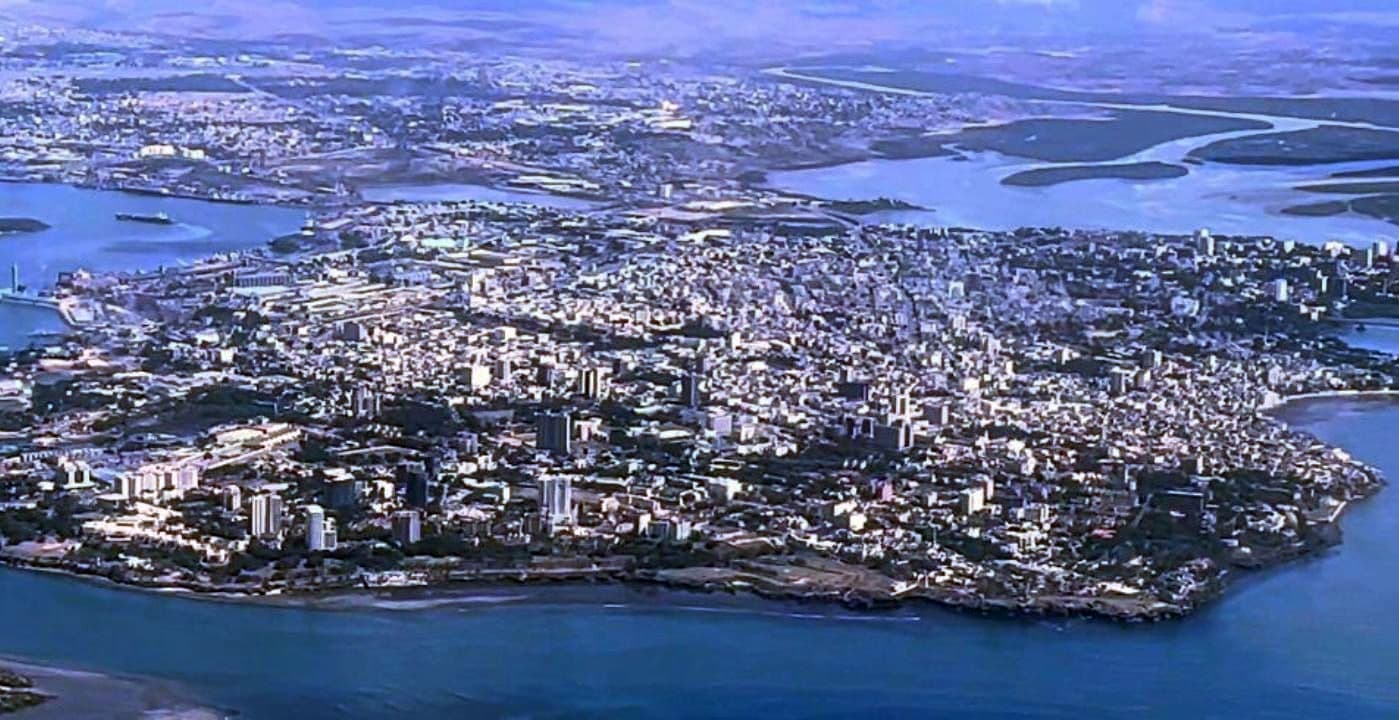
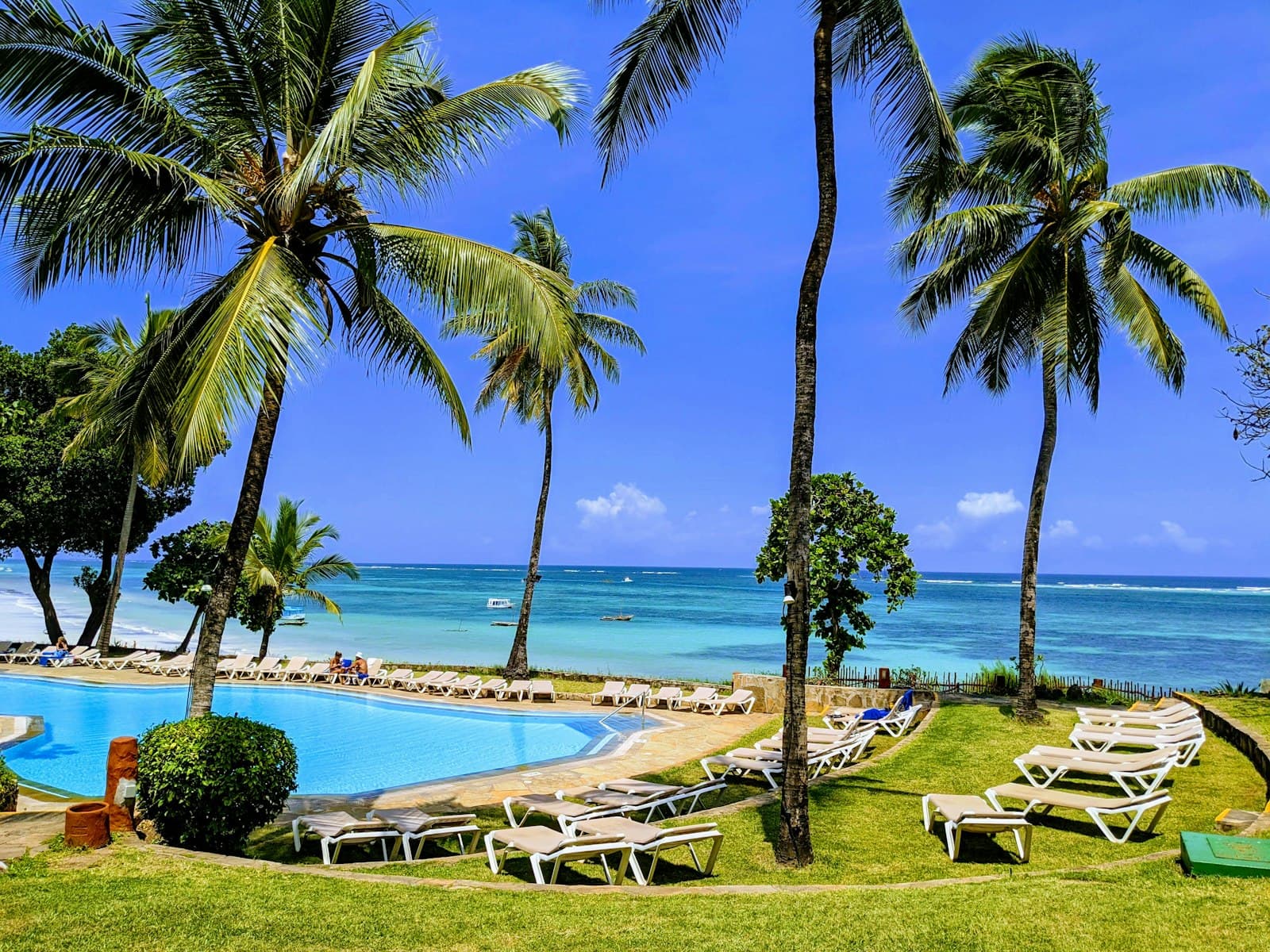
Mombasa, la segunda ciudad más grande de Kenia y un puerto vital, es una ciudad insular donde siglos de comercio e intercambio cultural han dejado una huella indeleble. Situada en la costa del Océano Índico, es un lugar donde las tradiciones suajilis se mezclan con influencias árabes, indias y portuguesas, creando una atmósfera distintiva. La ciudad ofrece un paisaje diverso, desde las históricas y estrechas calles de la Ciudad Vieja hasta extensas playas, lo que la convierte en un destino atractivo para quienes buscan tanto inmersión cultural como relajación costera.
El aire en Mombasa zumba con un ritmo distintivo, impregnado con el aroma de las especias y los sonidos de la vida diaria. Es una ciudad que durante mucho tiempo ha servido como puerta de entrada, conectando África Oriental con el mundo a través de su bullicioso puerto. Esta larga historia y la energía cultural en curso hacen de Mombasa un destino que deja una impresión duradera.
La historia de Mombasa se remonta a más de un milenio, con su fundación a menudo situada alrededor del año 900 d.C. Para el siglo XII, ya era una próspera ciudad comercial, mencionada por el geógrafo árabe al-Idrisi en 1151. La ubicación estratégica de la ciudad en el Océano Índico la convirtió en un centro crucial en las extensas redes comerciales del Océano Índico, facilitando el intercambio de bienes como marfil, mijo, sésamo y cocos con otras ciudades portuarias africanas, el Imperio Persa, la Península Arábiga, India y China.
El control de la ciudad cambió muchas veces debido a su importancia estratégica. Desde principios del siglo XIV, fue parte del Sultanato de Kilwa hasta su disolución en 1513. Vasco da Gama, el primer europeo conocido en visitar Mombasa en 1498, recibió una bienvenida poco cálida, y la ciudad fue saqueada por los portugueses dos años después. El dominio portugués comenzó oficialmente en 1593 con la construcción del Fuerte Jesús, diseñado para proteger sus rutas comerciales. Este período vio a Mombasa cambiar de manos al menos nueve veces entre 1631 y 1895, atrapada en conflictos entre portugueses y árabes omaníes.
A finales del siglo XVII, el Imperio Omaní obtuvo el control, seguido de una breve reocupación portuguesa a principios del siglo XVIII. Para 1840, el Sultán de Zanzíbar había establecido el control, que duró hasta 1895 cuando Mombasa quedó bajo administración británica. Se convirtió en la capital del Protectorado de África Oriental Británica y el término marítimo del Ferrocarril de Uganda, que trajo a muchos trabajadores de la India Británica, diversificando aún más el mosaico cultural de la ciudad. Mombasa siguió siendo la capital del Protectorado de la Colonia de Kenia hasta alrededor de 1907. La ciudad se convirtió oficialmente en parte de Kenia en 1963.
Una visita a Mombasa ofrece una mezcla de sitios históricos y encanto costero. Comience en el Fuerte Jesús, un sitio del Patrimonio Mundial de la UNESCO construido por los portugueses a finales del siglo XVI. Sus imponentes muros y bastiones cuentan historias de batallas e imperios cambiantes, y ahora alberga un museo. Adyacente al fuerte se encuentra la Ciudad Vieja de Mombasa, un cautivador laberinto de calles estrechas, edificios de piedra de coral y puertas de madera intrincadamente talladas que reflejan influencias suajilis, árabes e indias. Aquí, puede explorar tiendas locales, cafeterías y mezquitas, experimentando un ritmo de vida más lento.
Para un punto de referencia prominente de la ciudad, vea los Colmillos de Mombasa en Moi Avenue. Estos grandes colmillos de aluminio, con forma de 'M' por Mombasa, fueron erigidos en la década de 1950 para conmemorar visitas reales y son un lugar popular para fotos. Más allá del núcleo histórico, considere el Parque Nacional Marino de Mombasa para la exploración submarina o el Parque Haller para la observación de vida silvestre. Los mercados de la ciudad, como el Mercado de Marikiti (también conocido como Mercado de Mackinnon), ofrecen una experiencia sensorial con productos frescos, mariscos, especias y artesanías locales.
Mombasa experimenta un clima tropical, generalmente cálido y húmedo durante todo el año. La época más favorable para visitar, con un clima agradable y mínimas precipitaciones, es durante la estación seca larga, de junio a septiembre/octubre. Las temperaturas durante este período oscilan entre 23°C y 28°C, con cielos más despejados y menor humedad, ideal para actividades al aire libre y disfrutar de la playa. La estación seca corta, de diciembre a marzo, también es agradable, con temperaturas cálidas y lluvias cortas ocasionales. Evite abril y mayo, ya que son los meses más húmedos y calurosos, lo que hace que las actividades al aire libre sean menos cómodas.
El Aeropuerto Internacional Moi (MBA) es el aeropuerto principal de Mombasa, ubicado aproximadamente a 10 kilómetros al oeste del centro de la ciudad. Maneja vuelos nacionales e internacionales y tiene dos terminales. Hay taxis, autobuses lanzadera y transporte público disponibles para traslados desde y hacia el aeropuerto.
Dentro de Mombasa, las opciones de transporte público incluyen matatus (minivans compartidas), tuk-tuks (triciclos motorizados) y boda-bodas (mototaxis). Los tuk-tuks son populares para distancias cortas y para navegar por calles estrechas, pero es aconsejable acordar la tarifa de antemano. Los taxis y las aplicaciones de transporte como Uber y Bolt también están disponibles y ofrecen un transporte más privado. Para distancias más largas, los autobuses son una opción, aunque pueden ser lentos. El ferry de Likoni conecta la isla de Mombasa con el continente, particularmente útil para acceder a áreas como Diani Beach.
Al interactuar con los lugareños, un apretón de manos es un saludo común. En áreas de mayoría musulmana como la Ciudad Vieja, se agradece la vestimenta modesta; las mujeres deben cubrirse los hombros y usar faldas o pantalones más largos cuando estén fuera de las zonas turísticas. El regateo es común en los mercados, pero siempre manténgalo amigable.
Mombasa en coreano, en chino o en hebreo — y 29 idiomas más, cada parada narrada por una voz nativa. La mayor variedad de idiomas de cualquier audioguía autoguiada.
Disponible en: