Ribat de Monastir
Esta antigua fortaleza tiene una sorprendente conexión con dos películas muy conocidas, lo que podría arrojar una luz inesperada sobre sus perdurables muros de piedra.
La historia completa se desbloquea en el tour
 Gorik Francois / CC BY-SA 2.0, via Wikimedia Commons
Tour de audio autoguiado de Monastir — ruta GPS a pie, reproducción offline, narración en 32 idiomas.
“Donde las antiguas fortalezas se encuentran con las costas doradas y la historia respira en la brisa marina.”
No las postales. Las historias que ni los locales conocen — al oído, justo donde ocurrieron.
Esta antigua fortaleza tiene una sorprendente conexión con dos películas muy conocidas, lo que podría arrojar una luz inesperada sobre sus perdurables muros de piedra.
El grandioso lugar de descanso final del primer presidente de Túnez fue realmente concebido y su construcción comenzó mientras él aún vivía.
El propio nombre de la ciudad, 'Monastir', sugiere una época largamente desvanecida que precede a su prominente herencia islámica.
Descubre todos los secretos de Monastir
Cada dirección, cada revelación al completo — a tu oído, justo donde ocurrió.
Eliges tus paradas. Caminas. La voz te revela lo que los demás ignoran.
Tu tour de audioguía por Monastir te espera — elige tus lugares, tu idioma y empieza al llegar.
ComprarLume incluye una guía de realidad aumentada. Levanta el móvil y su cámara muestra la calle que tienes delante, con una flecha luminosa sobre la imagen real que siempre apunta a tu próxima parada — sin mapas que descifrar, sin giros equivocados. Como todo en Lume, funciona completamente sin conexión.
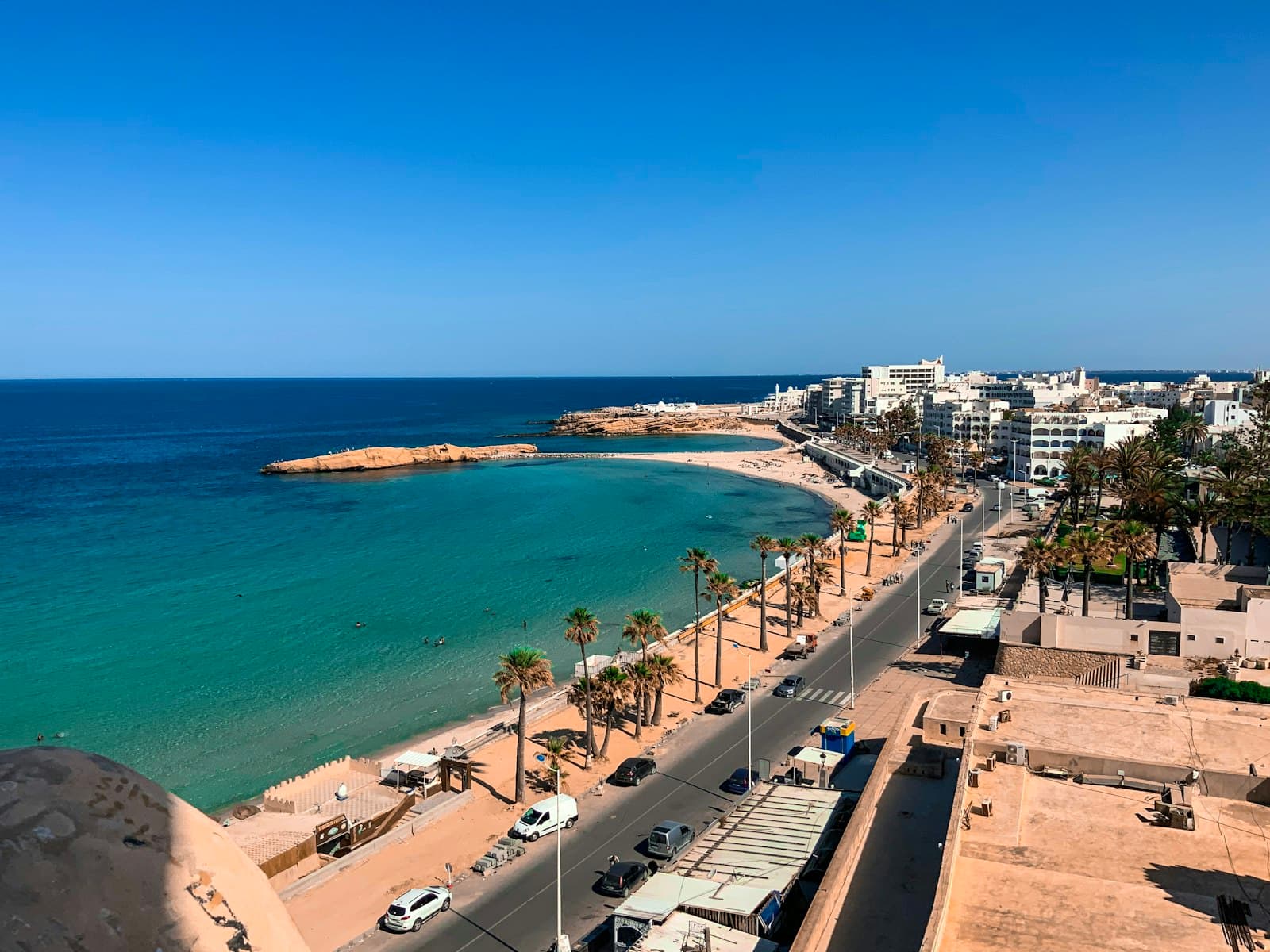
Monastir, una ciudad costera en la región del Sahel de Túnez, ofrece una atractiva fusión de profundidad histórica y encanto costero. Asentada en una pequeña península, es una ciudad donde los ecos de antiguas civilizaciones se entrelazan con el ritmo de la existencia contemporánea. Antaño un puerto pesquero tradicional, Monastir ha madurado hasta convertirse en un destino significativo para los viajeros, celebrada por sus monumentos históricos, sus acogedoras playas y sus modernos complejos turísticos.
La ubicación estratégica de la ciudad ha moldeado su identidad, forjándola en un cruce de culturas y un guardián del pasado de Túnez. Desde su bien conservado Ribat hasta el impresionante Mausoleo de Habib Bourguiba, Monastir invita a los visitantes a descubrir capas de historia con el telón de fondo del mar Mediterráneo. Es un lugar donde se puede pasar una mañana ascendiendo antiguas murallas y una tarde paseando por un puerto deportivo contemporáneo, todo al alcance de la mano.
Los orígenes de Monastir se remontan a la antigüedad, establecida sobre los restos de la ciudad púnico-romana de Ruspina. Los fenicios crearon un puesto comercial aquí en el siglo V a.C., una ubicación estratégica utilizada posteriormente por Julio César como base durante su campaña africana en el 46 a.C. Se cree que el nombre de la ciudad, 'Monastir', proviene del latín 'monasterium', lo que sugiere la presencia de un monasterio cristiano bizantino antes de la conquista musulmana.
Con la llegada de los árabes en el siglo VIII, Monastir adquirió una considerable importancia religiosa y militar. El Ribat de Monastir, una fortaleza islámica, fue erigido en el 796 d.C. por el general abasí Harthama ibn A'yan. Este monasterio fortificado sirvió tanto para fines defensivos, protegiendo la costa de los ataques bizantinos, como de santuario espiritual para monjes soldados. A lo largo de los siglos, el Ribat se expandió, evolucionando hasta convertirse en un prominente centro de aprendizaje islámico y un lugar donde, según la leyenda, pasar tres noches garantizaba un lugar en el paraíso.
La importancia de Monastir continuó a través de varias dinastías, incluyendo los aglabíes y los fatimíes, quienes desarrollaron aún más la ciudad y sus fortificaciones. En los siglos X y XI, incluso compitió con Kairouan como un importante centro religioso en Túnez. Sin embargo, gran parte de la prominencia contemporánea de Monastir está ligada a Habib Bourguiba, el primer presidente de Túnez después de la independencia de Francia. Nacido en Monastir en 1903, Bourguiba fue una figura central en la liberación y modernización del país. Su legado es honrado con el gran Mausoleo de Habib Bourguiba, un testimonio de su influencia en la nación, que él personalmente encargó y supervisó su construcción.
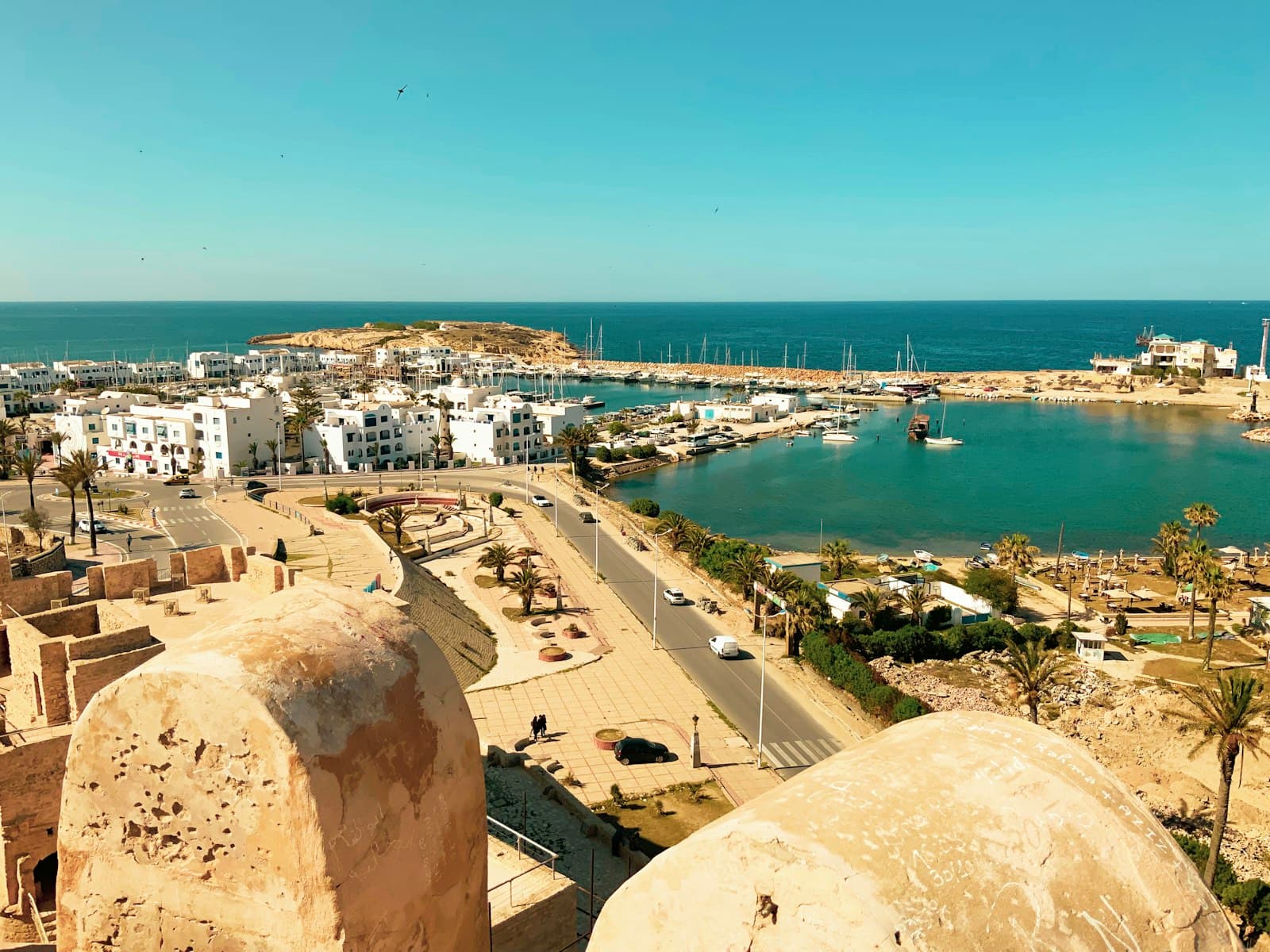
Comience su exploración en el Ribat de Monastir, una formidable fortaleza del siglo VIII que ofrece un laberinto de patios, escaleras y torres de vigilancia. Ascienda al Nador (torre de vigilancia) para disfrutar de vistas panorámicas de la ciudad, el Mediterráneo y el puerto pesquero adyacente. En el interior, un pequeño museo de arte islámico exhibe artefactos, incluido un astrolabio del siglo X.
A poca distancia se encuentra el Mausoleo de Habib Bourguiba, un impresionante monumento con una cúpula dorada y dos minaretes de 25 metros de altura. Esta impresionante estructura es el lugar de descanso final del primer presidente de Túnez y su familia, y alberga un museo que exhibe sus efectos personales.
Explore la Medina de Monastir, una versión más tranquila que las que se encuentran en ciudades tunecinas más grandes, donde podrá pasear por los zocos en busca de artesanías locales como artículos de cuero, cestas tejidas y especias. Asegúrese de visitar la Gran Mezquita de Monastir, una antigua mezquita cerca del Ribat, y la más moderna Mezquita Bourguiba, conocida por sus pilares de mármol rosa y mosaicos dorados. Para una experiencia relajante, pasee por la Marina Cap Monastir, salpicada de restaurantes y que ofrece un agradable ambiente frente al mar.
El momento ideal para visitar Monastir es durante la primavera (abril a principios de junio) o el otoño (septiembre y octubre). Durante estos meses, las temperaturas son agradables, oscilando entre 20°C y 30°C (68°F y 86°F), lo que lo hace perfecto para explorar sitios históricos y disfrutar de las playas sin el calor intenso de pleno verano. El mar también es apto para nadar de mayo a noviembre. Julio y agosto pueden ver las temperaturas subir por encima de los 30°C (86°F), a menudo superando los 30°C (86°F), lo que puede ser bastante cálido para hacer turismo.
Monastir es fácilmente accesible, servida por el Aeropuerto Internacional Habib Bourguiba (MIR), a solo unos kilómetros del centro de la ciudad. El Metro del Sahel, un sistema de tren ligero, ofrece una forma fácil y pintoresca de viajar a ciudades cercanas como Sousse y Mahdia. Los taxis están ampliamente disponibles y son asequibles para moverse por la ciudad; confirme que el conductor usa el taxímetro o acuerde un precio de antemano. Al visitar sitios religiosos, se recomienda vestimenta modesta. El regateo es habitual en los zocos, así que prepárese para negociar los precios. Se agradece una propina de alrededor del 10% en restaurantes y por servicios. Siempre pida permiso antes de fotografiar a personas y evite los edificios gubernamentales o militares.
Monastir en coreano, en chino o en hebreo — y 29 idiomas más, cada parada narrada por una voz nativa. La mayor variedad de idiomas de cualquier audioguía autoguiada.
Disponible en: