El Kastro de Monemvasia (Ciudad Baja)
El nombre Monemvasia en sí mismo encierra una pista sobre su geografía única, pero no se trata de un único punto de entrada a la ciudad.
La historia completa se desbloquea en el tour
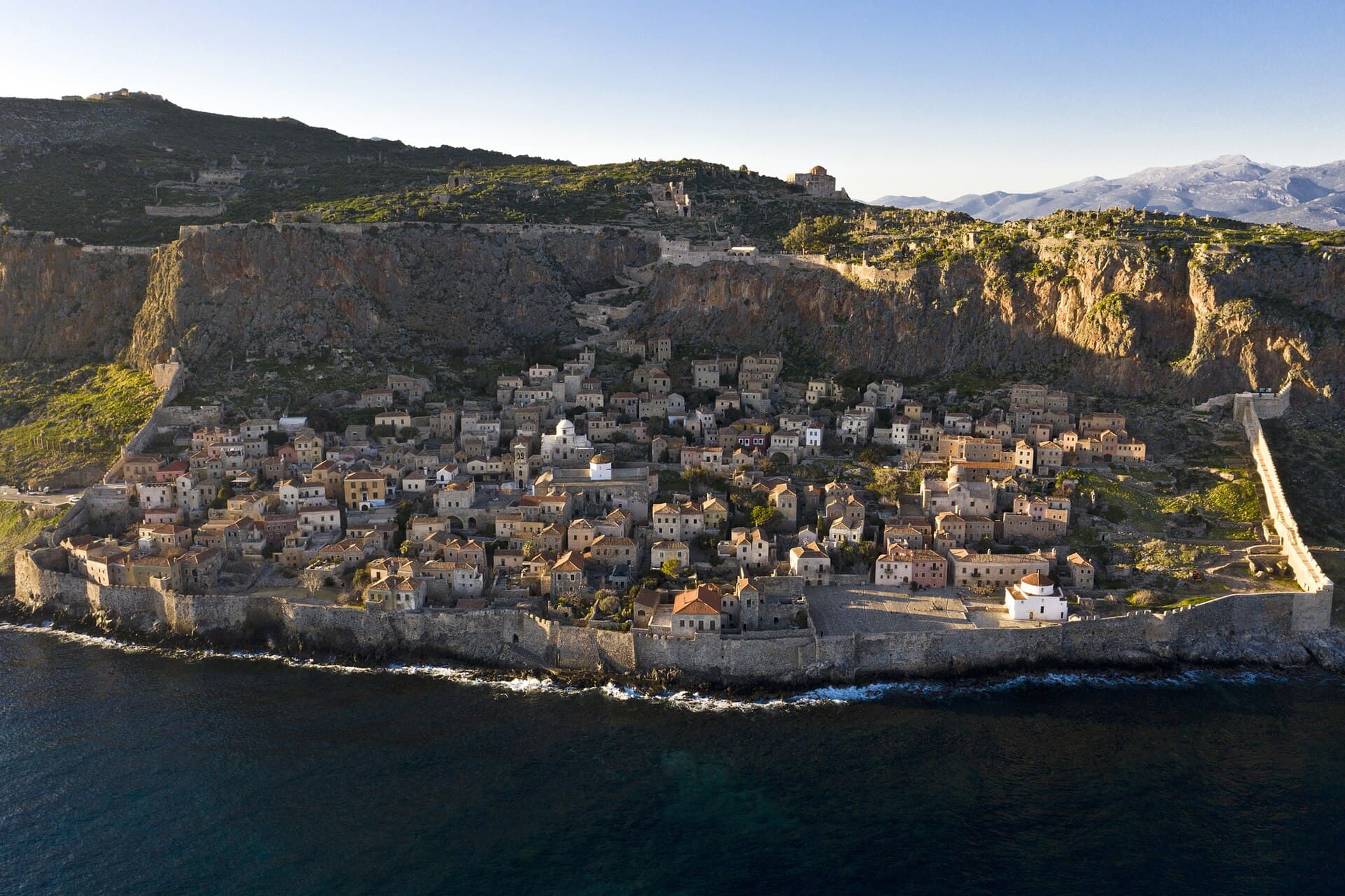 Katsikas pantelis / CC BY-SA 4.0, via Wikimedia Commons
Tour de audio autoguiado de Monemvasía — ruta GPS a pie, reproducción offline, narración en 32 idiomas.
“Un barco de piedra anclado en el Peloponeso, donde los ecos bizantinos se encuentran con las brisas del Egeo.”
No las postales. Las historias que ni los locales conocen — al oído, justo donde ocurrieron.
El nombre Monemvasia en sí mismo encierra una pista sobre su geografía única, pero no se trata de un único punto de entrada a la ciudad.
Esta impresionante iglesia bizantina, a menudo confundida con su tocaya más famosa, sirvió un propósito sorprendente mucho después de su dedicación religiosa.
Las formidables defensas de Monemvasia no solo servían para mantener a los invasores fuera; también desempeñaron un papel en una forma bastante inusual de comercio local.
Descubre todos los secretos de Monemvasía
Cada dirección, cada revelación al completo — a tu oído, justo donde ocurrió.
Eliges tus paradas. Caminas. La voz te revela lo que los demás ignoran.


Lume incluye una guía de realidad aumentada. Levanta el móvil y su cámara muestra la calle que tienes delante, con una flecha luminosa sobre la imagen real que siempre apunta a tu próxima parada — sin mapas que descifrar, sin giros equivocados. Como todo en Lume, funciona completamente sin conexión.
Monemvasia, a menudo llamada el 'Gibraltar del Este', es una ciudad fortaleza medieval en una pequeña isla frente a la costa este del Peloponeso, Grecia. Conectada al continente por una corta calzada, la ciudad parece surgir directamente del mar, una colosal formación rocosa coronada con antiguas murallas y edificios. Su topografía única y su arquitectura conservada ofrecen un viaje en el tiempo, donde cada piedra parece contar una historia de imperios y asedios.
El nombre Monemvasia, que significa 'entrada única', describe acertadamente su aislamiento estratégico. Los visitantes cruzan un estrecho puente para entrar en la ciudad baja, un laberinto de callejones sinuosos, iglesias bizantinas y casas de piedra que se aferran a la ladera de la roca. Arriba, la formidable ciudad alta, o Kastro, alberga los restos de un castillo bizantino y la iglesia de Agia Sophia, ofreciendo vistas panorámicas del mar Egeo.
Este cautivador destino es más que un simple sitio histórico; es un monumento viviente donde una pequeña comunidad aún reside dentro de sus antiguas murallas. La ausencia de coches dentro de la ciudad fortificada contribuye a su atmósfera atemporal, invitando a la exploración a pie. Desde su dramático entorno hasta su tejido cultural, Monemvasia promete una experiencia inolvidable para aquellos que buscan una mezcla de historia, belleza natural y encanto sereno.
## De fortaleza bizantina a presencia veneciana Los orígenes de Monemvasia se remontan al siglo VI d.C., cuando los habitantes del continente buscaron refugio de las invasiones eslavas y ávaras. Los bizantinos reconocieron la importancia estratégica de la roca de 'entrada única' y la fortificaron, desarrollándola hasta convertirla en una poderosa base naval y un importante puerto comercial. Su ubicación en las rutas marítimas entre Oriente y Occidente le permitió florecer, convirtiéndose en una ciudad rica e influyente dentro del Imperio Bizantino.
## Conquistas cruzadas y dominio otomano Tras la caída de Constantinopla ante los cruzados en 1204, Monemvasia siguió siendo uno de los últimos bastiones bizantinos en resistir, cayendo finalmente ante los francos en 1248 después de un asedio de tres años. Más tarde fue devuelta a los bizantinos y experimentó una segunda edad de oro bajo la dinastía Paleólogo. Sin embargo, su valor estratégico siguió atrayendo la atención de varias potencias. En el siglo XV, quedó bajo el dominio veneciano, un período marcado por nuevas fortificaciones y prosperidad económica, particularmente en el comercio del vino, con su vino Malvasia reconocido en toda Europa.
## Declive y resurgimiento Monemvasia cambió de manos varias veces entre venecianos y otomanos a lo largo de los siglos. Cada cambio de poder dejó su huella en la arquitectura y la cultura de la ciudad, con iglesias convertidas en mezquitas y luego de nuevo. El período otomano, particularmente después del siglo XVIII, vio un declive en la prominencia de la ciudad debido a los cambios en las rutas comerciales y el aumento de la piratería. En el momento de la Guerra de Independencia griega a principios del siglo XIX, Monemvasia desempeñó un papel crucial, siendo una de las primeras fortalezas en ser liberada del dominio otomano en 1821.
Después de la independencia, la ciudad cayó gradualmente en desuso, y muchos habitantes se trasladaron al continente. No fue hasta mediados del siglo XX cuando comenzaron los esfuerzos para preservar y restaurar el patrimonio único de Monemvasia. Hoy en día, se erige como un testimonio de su pasado perdurable, un cautivador museo al aire libre y una comunidad que continúa dando vida a sus antiguas piedras.
Comience su exploración en la Ciudad Baja, un encantador laberinto de calles estrechas y empedradas. Descubra la Plaza Christos Elkomenos, el corazón de la ciudad, rodeada de cafés y tiendas. Visite la Iglesia de Christos Elkomenos, una importante iglesia bizantina con una profunda historia. Pasee por los callejones, admirando las casas de piedra tradicionales y los arcos, muchos de los cuales han sido cuidadosamente restaurados como casas de huéspedes y boutiques.
Ascenda a la Ciudad Alta, o Kastro, para una experiencia más desafiante pero gratificante. El camino conduce a los restos de la fortaleza bizantina, ofreciendo vistas panorámicas inigualables del mar Egeo y la costa circundante. La Iglesia de Agia Sophia, una magnífica estructura bizantina del siglo XII, se alza dramáticamente en el borde del acantilado. Su grandeza arquitectónica y su ubicación cautivadora la convierten en un punto de interés principal. Permita tiempo suficiente para simplemente empaparse de la atmósfera y las vistas panorámicas desde este punto de vista elevado.
Las temporadas intermedias, primavera (abril a mayo) y otoño (septiembre a octubre), son ideales para visitar Monemvasia. El clima es agradable, con temperaturas confortables para explorar, y las multitudes son menores que en los meses pico de verano. Los veranos (junio a agosto) son cálidos y concurridos, mientras que los inviernos (noviembre a marzo) son más tranquilos pero pueden ser fríos y algunos servicios pueden ser limitados.
Monemvasia es accesible en coche a través de una calzada desde el continente. Hay aparcamiento disponible justo antes de la calzada, ya que no se permite la entrada de coches dentro de la ciudad fortificada. La ciudad en sí se explora mejor a pie, por lo que es esencial llevar calzado cómodo para caminar, especialmente para el ascenso a la Ciudad Alta. Las opciones de alojamiento van desde encantadoras casas de huéspedes dentro de la ciudad fortificada hasta hoteles en el continente. Hay numerosas tabernas y cafeterías que ofrecen cocina local y bebidas refrescantes. Hay cajeros automáticos y servicios básicos disponibles en el continente y en la ciudad baja.
Monemvasía en coreano, en chino o en hebreo — y 29 idiomas más, cada parada narrada por una voz nativa. La mayor variedad de idiomas de cualquier audioguía autoguiada.
Disponible en: