Залив Мон-Сен-Мишель
Приливы здесь легендарны, их часто описывают с драматическим размахом.
Полная история открывается в туре
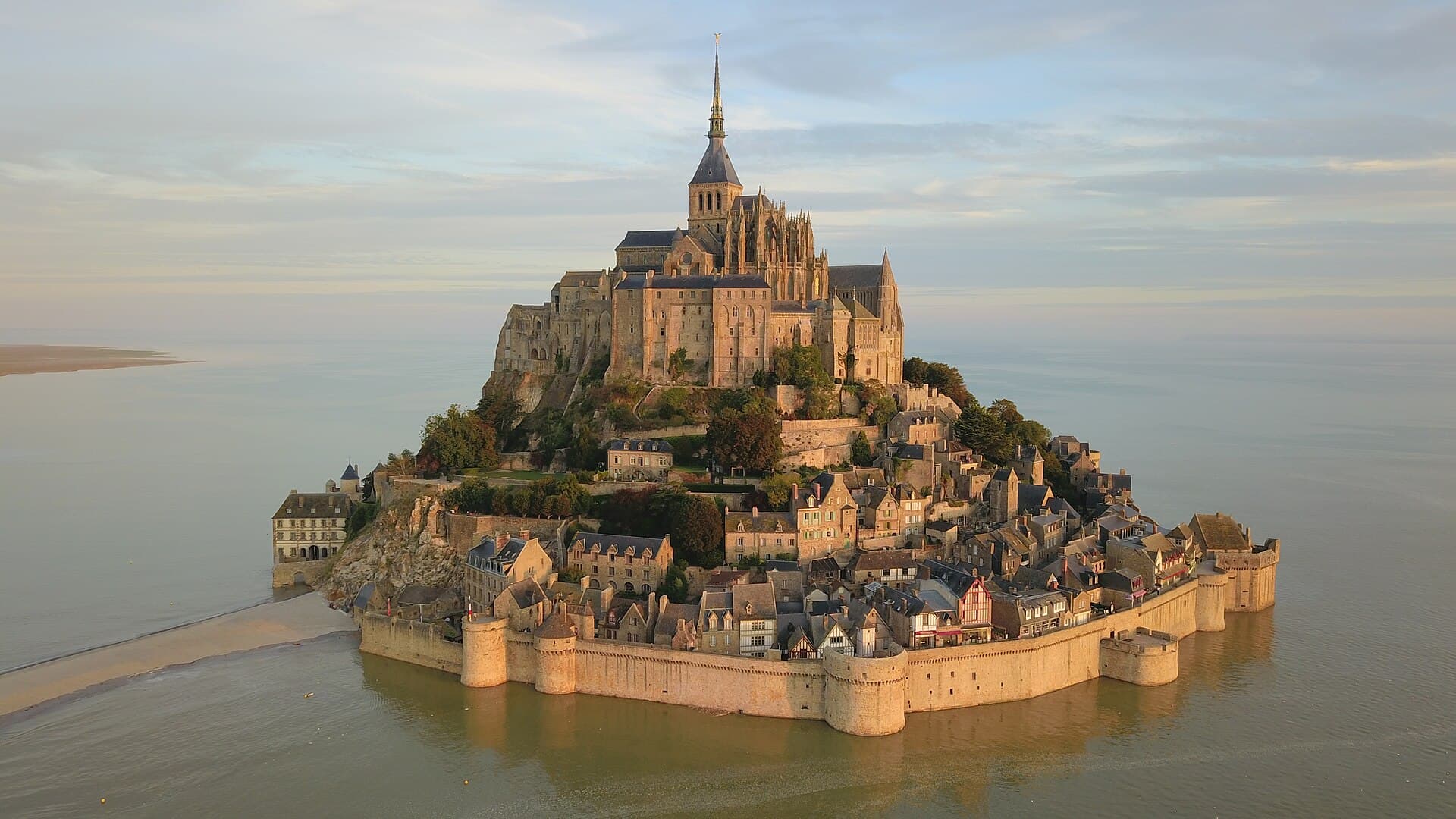 Amaustan / CC BY-SA 4.0, via Wikimedia Commons
Самостоятельная аудиопрогулка по Мон-Сен-Мишель — GPS-маршрут, офлайн-воспроизведение, увлекательное повествование на 32 языках.
“Где приливы преображают ландшафт, а история отзывается в камне.”
Не открытки. Истории, которые не знают даже местные жители — шепотом в вашем ухе, прямо там, где они произошли.
Приливы здесь легендарны, их часто описывают с драматическим размахом.
На самой вершине аббатства скрывается секрет его строительства — хитроумное решение сложного объекта.
Эта оживленная главная улица имеет удивительно давнюю коммерческую традицию.
Откройте для себя каждый секрет Мон-Сен-Мишель
Каждый адрес, каждое полное раскрытие — в вашем ухе, прямо там, где это произошло.
Вы выбираете остановки. Вы гуляете. Голос раскрывает то, что упускают другие.


Ваш самостоятельный аудиотур по Мон-Сен-Мишель готов — выберите свои достопримечательности, выберите свой язык и начните в момент прибытия.
КупитьВ Lume встроен гид дополненной реальности. Поднимите телефон: камера показывает улицу перед вами, а поверх реального изображения светится стрелка, всегда указывающая на вашу следующую остановку — не нужно разбираться с картой и сворачивать не туда. Как и всё в Lume, это работает полностью офлайн.
Мон-Сен-Мишель возвышается из залива, словно средневековый сон, островная коммуна у побережья Нормандии, Франция. Этот знаковый памятник, увенчанный великолепным бенедиктинским аббатством, ежегодно привлекает миллионы посетителей, что делает его одной из самых посещаемых достопримечательностей Франции за пределами Парижа. Его уникальная эстетика и историческое значение принесли ему место в списке Всемирного наследия ЮНЕСКО в 1979 году.
Драматические отношения горы с морем определяют впечатления посетителей. Окруженный обширными песчаными отмелями, во время приливов он превращается в настоящий остров — зрелище, которое очаровывало паломников и путешественников более тысячелетия. Этот постоянно меняющийся ландшафт, в сочетании с его долгой историей как места паломничества, крепости и даже тюрьмы, делает Мон-Сен-Мишель незабываемым местом назначения.
Исследование Мон-Сен-Мишеля означает подъем по его извилистым улицам и древним лестницам, раскрывая слои истории и захватывающие виды на залив. От оживленной деревни у его подножия до безмятежных монастырей аббатства на его вершине, каждый уголок рассказывает историю веры, архитектурной изобретательности и непреходящих человеческих усилий.
Скалистый гранитный выступ, ныне известный как Мон-Сен-Мишель, первоначально назывался Мон-Томба. Его трансформация началась в 708 году н.э., когда, согласно легенде, Архангел Михаил трижды явился во сне Оберу, епископу Авранша. Михаил поручил Оберу построить церковь на скалистом островке в его честь. Первоначально колеблясь, Обер в конце концов подчинился после того, как архангел якобы надавил пальцем на череп епископа, оставив след, до сих пор видимый на сохраненном черепе Обера в Авранше.
В 966 году на горе поселилась община бенедиктинских монахов, основавшая первую церковь. Это ознаменовало начало восхождения Мон-Сен-Мишеля как крупного центра паломничества в средневековой Европе. На протяжении веков добавлялись великолепные монастырские здания, включая романскую аббатскую церковь. В XIII веке был построен «Мервей» (Чудо) — величественный готический комплекс, финансируемый королем Франции Филиппом II после пожара.
Естественные оборонительные сооружения горы в сочетании с военными укреплениями оказались грозными во время Столетней войны (1337-1453). Мон-Сен-Мишель успешно отразил английские осады, заслужив репутацию неприступной крепости и став символом французского сопротивления. Позже Людовик XI признал его стратегические преимущества и использовал аббатство как тюрьму.
После Французской революции аббатство было национализировано и служило государственной тюрьмой до 1863 года, в период, когда его прозвали «Бастилией морей». Эта мрачная глава, по иронии судьбы, возможно, спасла аббатство от полного разрушения. В 1874 году оно было классифицировано как исторический памятник, и начались реставрационные работы. В 1879 году была построена дамба для улучшения доступа, хотя это позже способствовало заиливанию залива.
В 1979 году Мон-Сен-Мишель и его окрестности были внесены в список Всемирного наследия ЮНЕСКО. Недавние усилия, включая замену дамбы пешеходным мостом и новую плотину на реке Куэнон, направлены на восстановление морского характера горы, позволяя ей снова стать настоящим островом во время приливов. С 2001 года монашеские братства Иерусалима поддерживают духовное присутствие в аббатстве, продолжая его давнюю традицию как места молитвы и гостеприимства.
Ваш визит на Мон-Сен-Мишель, вероятно, начнется с прогулки по дамбе или поездки на шаттле, откуда открываются захватывающие виды по мере приближения к острову. Пройдя через ворота, вы попадете в деревню — лабиринт узких, извилистых улиц, известных как Гранд-Рю. Здесь вы найдете магазины, рестораны и музеи, расположенные в средневековых зданиях.
Вашим конечным пунктом назначения будет аббатство Мон-Сен-Мишель, венчающее гору. Подъем включает примерно 300-350 ступеней от подножия деревни до аббатства, около 150 из которых находятся внутри самого аббатства. Комплекс аббатства включает церковь, клуатры, трапезную и крипты, демонстрируя сочетание романской и пламенеющей готической архитектуры. Не пропустите крыло «Мервей» — свидетельство средневекового инженерного искусства. Западная терраса предлагает исключительные виды на залив и является идеальным местом для наблюдения за драматическими приливами.
Помимо аббатства, исследуйте крепостные стены, чтобы увидеть различные перспективы залива и деревни внизу. Рассмотрите возможность посещения небольших музеев, таких как Морской музей или Исторический музей, чтобы глубже погрузиться в прошлое острова. Для уникального опыта, особенно во время весенних приливов, наблюдайте за приливной волной — волной, которая образуется, когда наступающий прилив устремляется в реки залива.
Мон-Сен-Мишель предлагает захватывающие впечатления круглый год, но выбор времени вашего визита может существенно повлиять на ваши впечатления. Межсезонье, май, июнь и сентябрь, как правило, предлагают хороший баланс приятной погоды и меньшего количества посетителей. В эти месяцы вы найдете умеренные температуры и лучшие цены на отели.
Лето (июль и август) самое теплое, но и самое оживленное, с ежедневным числом посетителей, достигающим 15 000–20 000 человек. Если вы посещаете летом, выбирайте раннее утро (около 9-10 утра) или поздний вечер (после 15-16 часов), чтобы избежать самых плотных толп. Зима (декабрь-февраль) приносит более спокойную, созерцательную атмосферу со значительно меньшим количеством посетителей, хотя дни короче и прохладнее. Чтобы увидеть драматические высокие приливы, планируйте свой визит на полнолуние и новолуние, особенно в периоды равноденствия в марте и сентябре, когда коэффициенты приливов самые высокие.
Мон-Сен-Мишель доступен через пешеходный мост, с парковкой, расположенной в 2,5 км от въезда. Бесплатный автобус-шаттл «Le Passeur» доставляет посетителей каждые 15 минут от парковки до горы, или вы можете пройти 40-минутный живописный маршрут. Хотя деревня и аббатство предназначены только для пешеходов, аренда автомобиля дает гибкость для изучения окрестностей Нормандии.
Наденьте удобную закрытую обувь, подходящую для ходьбы по неровным поверхностям и подъема по многочисленным лестницам, так как до аббатства около 300-350 ступеней. Подъем разбит на секции с возможностью отдохнуть. Собаки на поводке разрешены в деревне, но не в приходской церкви или аббатстве (кроме собак-поводырей). Будьте внимательны к приливам; выход в залив в одиночку может быть опасен из-за зыбучих песков и быстро поднимающейся воды. Всегда пересекайте залив с сертифицированным гидом.
Мон-Сен-Мишель: корейский, китайский, иврит и ещё 29 языков — каждую остановку озвучивает носитель языка. Самый широкий выбор языков среди аудиоэкскурсий без гида.
Доступные языки: