Il nome Mont-Tremblant
Il nome della montagna porta un vecchio segreto dei suoi primi abitanti.
La storia completa si sblocca nel tour
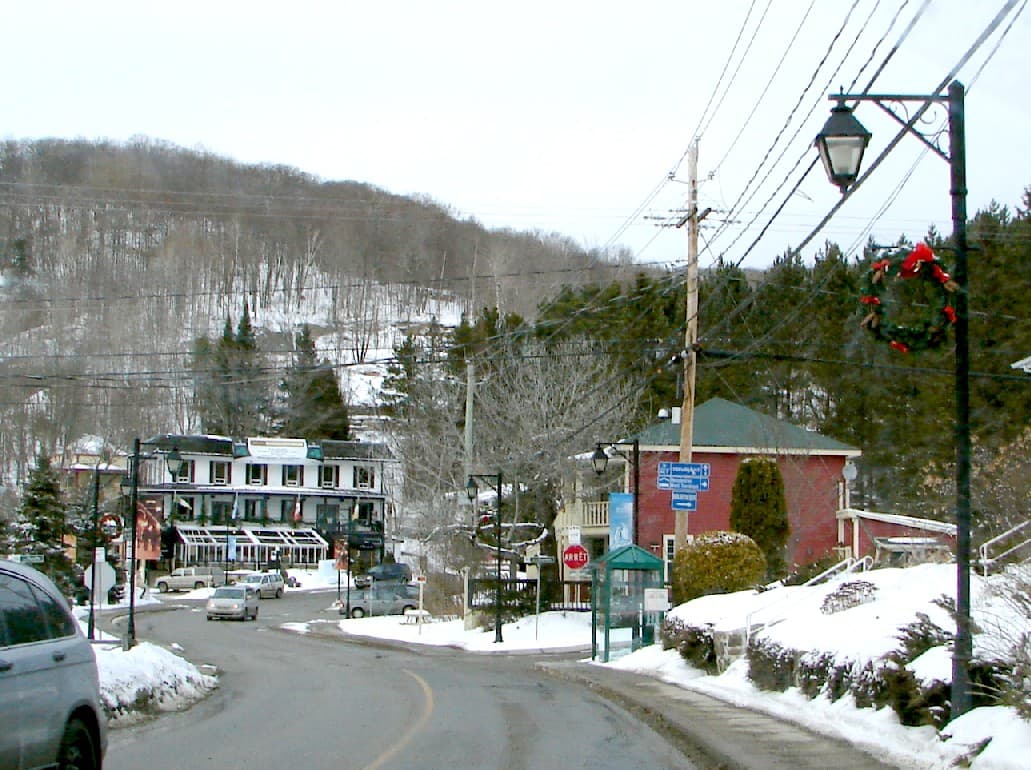 P199 / CC BY-SA 3.0, via Wikimedia Commons
Tour audio autoguidato di Mont-Tremblant — percorso GPS a piedi, riproduzione offline, narrazione coinvolgente in 32 lingue.
“Dove le cime dei Laurentiani cantano di echi antichi e nuovi viaggi.”
Non le cartoline. Le storie che nemmeno i locali conoscono — sussurrate nel tuo orecchio, proprio dove sono accadute.
Il nome della montagna porta un vecchio segreto dei suoi primi abitanti.
Il villaggio colorato, di ispirazione europea, ha radici più profonde di quanto un'occhiata casuale riveli.
Qui esiste un casinò, ma la sua posizione è una scelta strategica, un po' fuori mano.
Scopri ogni segreto di Mont-Tremblant
Ogni indirizzo, ogni rivelazione completa — nel tuo orecchio, proprio dove è accaduta.
Scegli le tue tappe. Cammini. La voce rivela ciò che gli altri perdono.

Il tuo tour audio autoguidato di Mont-Tremblant è pronto — scegli i tuoi punti di interesse, seleziona la tua lingua e inizia nel momento in cui arrivi.
AcquistaLume include una guida in realtà aumentata. Alza il telefono: la fotocamera mostra la strada davanti a te, con una freccia luminosa sovrapposta all'immagine reale che punta sempre verso la tua prossima tappa — nessuna mappa da decifrare, nessuna svolta sbagliata. Come tutto in Lume, funziona completamente offline.
Mont-Tremblant, Quebec, è una destinazione dove la bellezza selvaggia delle Laurentian Mountains incontra un villaggio vivace e pedonale. Situata a circa 130 chilometri a nord-ovest di Montreal, questa località canadese è celebrata per il suo comprensorio sciistico di livello mondiale, costantemente classificato tra i migliori del Nord America orientale.
Oltre alle sue rinomate piste, Mont-Tremblant offre un parco giochi per tutto l'anno. Dalle acque limpide del Lac Tremblant all'estesa rete di sentieri per escursioni e piste ciclabili, l'area invita gli appassionati di attività all'aria aperta di ogni tipo. La città stessa è un mosaico di esperienze, che comprende lo storico Old Mont-Tremblant (Saint-Jovite), il villaggio turistico e l'ampio Parco Nazionale di Mont-Tremblant.
La storia di Mont-Tremblant risale ai suoi abitanti originali, le tribù Algonquin, che veneravano la maestosa vetta come "Manitou Ewitchi Saga", o "Montagna degli Spiriti". L'insediamento europeo iniziò a metà del XIX secolo, principalmente da parte di canadesi francesi, con l'economia della regione incentrata sulla silvicoltura e l'agricoltura. Curé Antoine Labelle svolse un ruolo significativo nella promozione della colonizzazione del "Nord" (Pays-d'en-Haut) negli anni '70 dell'Ottocento.
L'arrivo della linea ferroviaria da Montreal a Saint-Jovite nel 1892, estesa poi a Lac Mercier nel 1904, segnò un punto di svolta, aprendo la remota regione ai suoi primi visitatori. Tuttavia, la trasformazione di Mont-Tremblant in una grande stazione turistica iniziò veramente nel 1938, quando il milionario americano Joseph Bondurant Ryan, erede di una cospicua fortuna ferroviaria, fu affascinato dalla bellezza della montagna dopo una spedizione alpinistica. Ryan immaginò una destinazione sciistica di livello mondiale e, nel 1939, aprì il Mont-Tremblant Lodge e la prima seggiovia della montagna.
Dopo la morte di Ryan nel 1948, la gestione della stazione passò a sua moglie, Mary. La regione guadagnò popolarità come destinazione sciistica ed estiva negli anni '60, con un'impennata negli anni '70 a seguito della costruzione dell'autostrada 15. Un momento cruciale arrivò nel 1991, quando Intrawest acquistò la stazione, portando alla costruzione del vivace villaggio pedonale, progettato con un mix architettonico di Vecchio Quebec, stile alpino e primi stili canadesi. Nel 2000, la moderna città di Mont-Tremblant fu formata dalla fusione di diversi comuni, tra cui Saint-Jovite e l'area del resort. Oggi, Mont-Tremblant continua ad evolversi, diventando parte del gruppo Alterra Mountain Company nel 2017 e guadagnando costantemente riconoscimenti come una delle migliori stazioni sciistiche del Nord America orientale.
L'area di Mont-Tremblant offre una varietà di attrazioni. Il Villaggio Pedonale alla base della montagna sciistica è un centro di attività, con negozi, ristoranti e un'atmosfera vivace. È possibile prendere la Gondola Panoramica fino alla vetta di Mont Tremblant per ammirare ampie vedute del Lac Tremblant e delle Laurentian. In cima, una torre di osservazione offre panorami a 360 gradi.
Per coloro che cercano un ritmo diverso, lo storico Old Mont-Tremblant (Saint-Jovite) offre uno spaccato dell'architettura tradizionale franco-canadese e della vita locale, incentrato sulla chiesa di Saint-Jovite. Il Parco Nazionale di Mont-Tremblant, uno dei parchi provinciali più antichi e grandi del Quebec, offre ampie opportunità per escursioni, mountain bike e attività acquatiche nei suoi fiumi e numerosi laghi.
Per l'intrattenimento, il Casino de Mont-Tremblant si trova sul Versant Soleil ed è accessibile tramite una navetta gratuita o una funivia dedicata. Il Lago Tremblant stesso è un punto focale per le attività estive, tra cui nuoto, paddleboard, kayak e crociere panoramiche.
Mont-Tremblant è una destinazione per tutte le stagioni, ognuna delle quali offre esperienze distinte. L'Inverno (dicembre-marzo) è l'alta stagione, che trasforma il villaggio in un paesaggio innevato ideale per sci, snowboard, ciaspolate e slitte trainate da cani. Gennaio e febbraio offrono nevicate affidabili e temperature fredde, mentre marzo porta giornate più calde e sci primaverile.
L'Estate (fine giugno-fine agosto) è perfetta per attività con clima caldo come escursioni, mountain bike, nuoto e sport acquatici sul Lac Tremblant. Il villaggio ospita concerti ed eventi, tra cui il Tremblant International Blues Festival. L'Autunno (settembre-ottobre) mostra uno spettacolare fogliame autunnale, rendendolo ideale per gite panoramiche ed escursioni tra colori brillanti. La Primavera (aprile-inizio giugno) vede la natura risvegliarsi con meno folla, offrendo un momento di pace per escursioni e per godersi i paesaggi in fiore.
Mont-Tremblant è facilmente raggiungibile in auto, a circa 130 km a nord di Montreal e 150 km a nord-est di Ottawa. Per chi non ha un'auto, sono disponibili servizi navetta dall'Aeroporto Internazionale di Montreal-Trudeau (YUL) durante la stagione invernale, e gli autobus Galland collegano dal centro di Montreal.
Una volta a Mont-Tremblant, muoversi è semplice. La città gestisce un sistema di trasporto pubblico gratuito che collega il centro (Saint-Jovite), il villaggio (Lac Mercier) e il Tremblant Resort. Inoltre, una navetta gratuita del resort circola frequentemente all'interno del villaggio pedonale e verso varie aree di alloggio. Una navetta gratuita e una funivia dedicata trasportano anche i visitatori al Casino de Mont-Tremblant. Sebbene Uber non sia disponibile, i taxi sono un'opzione.
Mont-Tremblant — coreano, cinese, ebraico e altre 29 lingue, ogni tappa narrata da una voce madrelingua. La più ampia scelta di lingue tra i tour audio autoguidati.
Disponibile in: