Sotterranei di Montepulciano
Sotto le eleganti strade rinascimentali di Montepulciano si cela un labirinto sotterraneo, un mondo con una storia sorprendente ben più antica dei palazzi soprastanti.
La storia completa si sblocca nel tour
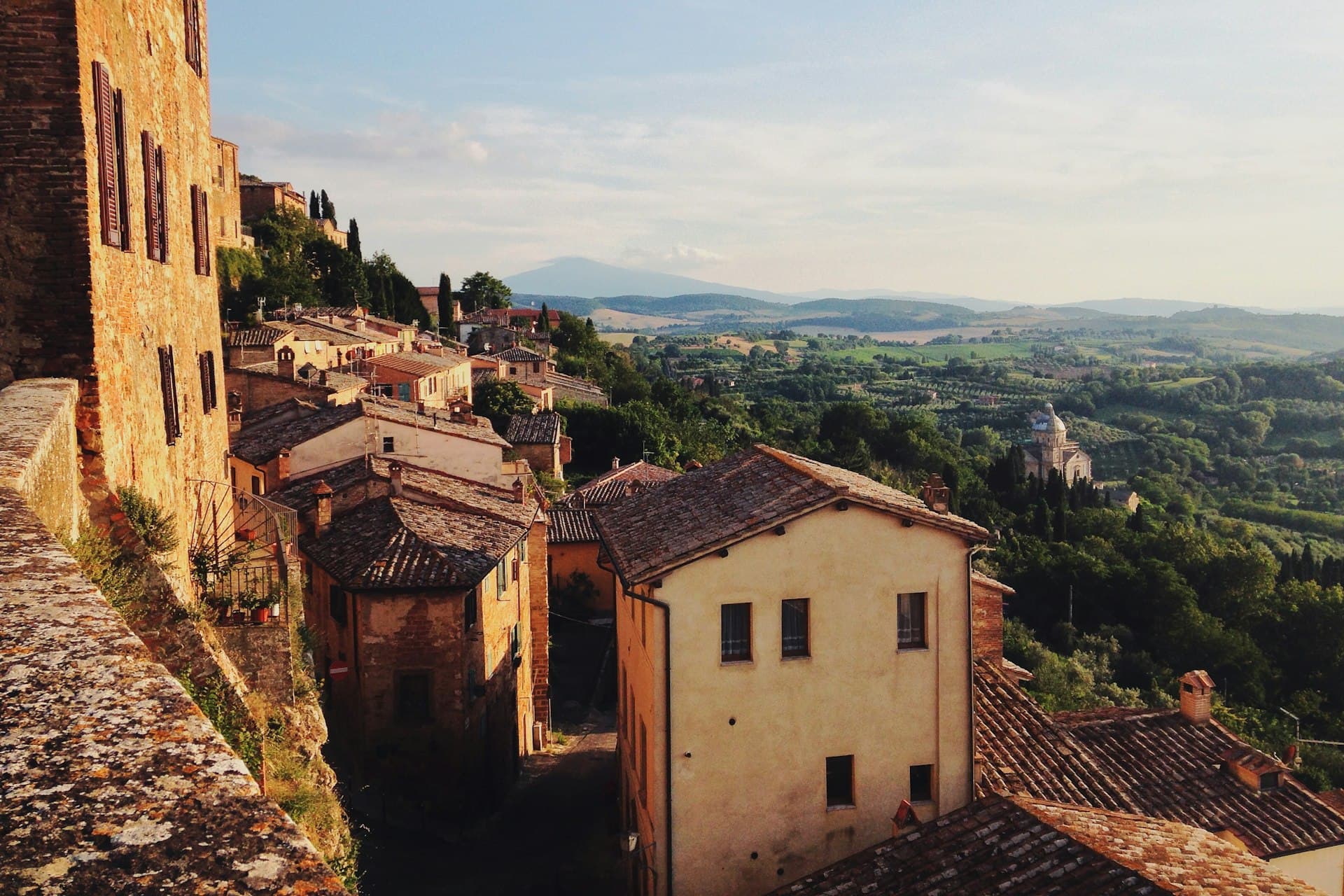 Photo: Rowan Heuvel / Unsplash
Tour audio autoguidato di Montepulciano — percorso GPS a piedi, riproduzione offline, narrazione coinvolgente in 32 lingue.
“Dove la grandezza rinascimentale incontra antichi segreti sotterranei.”
Non le cartoline. Le storie che nemmeno i locali conoscono — sussurrate nel tuo orecchio, proprio dove sono accadute.
Sotto le eleganti strade rinascimentali di Montepulciano si cela un labirinto sotterraneo, un mondo con una storia sorprendente ben più antica dei palazzi soprastanti.
Il Palazzo Comunale di Montepulciano assomiglia molto al Palazzo Vecchio di Firenze, ma la sua torre dell'orologio custodisce un segreto unico e bizzarro che non è affatto fiorentino.
Nel cuore di Piazza Grande, un pozzo ornato da leoni e grifoni racconta una sottile storia delle alleanze storiche di Montepulciano.
Scopri ogni segreto di Montepulciano
Ogni indirizzo, ogni rivelazione completa — nel tuo orecchio, proprio dove è accaduta.
Scegli le tue tappe. Cammini. La voce rivela ciò che gli altri perdono.


Lume include una guida in realtà aumentata. Alza il telefono: la fotocamera mostra la strada davanti a te, con una freccia luminosa sovrapposta all'immagine reale che punta sempre verso la tua prossima tappa — nessuna mappa da decifrare, nessuna svolta sbagliata. Come tutto in Lume, funziona completamente offline.
Montepulciano, un borgo collinare nel sud della Toscana, si erge con grazia su un crinale calcareo, offrendo ampi panorami delle valli della Val d'Orcia e della Val di Chiana. Questo gioiello medievale e rinascimentale presenta un affascinante connubio di palazzi signorili, antiche chiese e stradine tortuose e pittoresche. La posizione elevata del paese, a 605 metri, non solo offre viste strategiche ma anche un carattere distintivo, spesso definito la 'Perla del Cinquecento' per la sua significativa influenza architettonica rinascimentale.
Oltre al suo fascino visivo, Montepulciano è sinonimo del suo pregiato Vino Nobile di Montepulciano, uno dei vini rossi più antichi e prestigiosi d'Italia. Il profondo legame del paese con la viticoltura è evidente nelle sue numerose cantine storiche, molte delle quali scavate nelle fondamenta stesse di palazzi rinascimentali, creando un mondo sotterraneo unico per l'invecchiamento del vino. Che siate attratti dalla sua storia duratura, dalla bellezza architettonica o dal vino di fama mondiale, Montepulciano offre un'autentica esperienza toscana, invitando i visitatori a esplorarne gli strati di cultura e tradizione.
## Dalle Radici Etrusche allo Splendore Rinascimentale Le origini di Montepulciano risalgono agli Etruschi, che vi stabilirono un insediamento intorno al IV secolo a.C., a testimonianza della posizione strategica della zona che domina sia la Val di Chiana che la Val d'Orcia. Nella regione sono state rinvenute prove della loro presenza, comprese tombe. Successivamente, i Romani utilizzarono l'area come accampamento invernale.
La fortezza del paese, menzionata per la prima volta nel VII secolo come Castrum Politianum, sottolinea l'importanza di lunga data di Montepulciano come roccaforte difensiva. Per secoli, Montepulciano fu un premio ambito, coinvolto in continui conflitti tra le potenti città-stato di Siena e Firenze. Il paese cambiò spesso mano, con i senesi che ne demolirono le mura nel 1232 dopo una vittoria contro Firenze.
Le sorti di Montepulciano cambiarono definitivamente nel XIV secolo, quando divenne un fedele alleato, e successivamente un possedimento, di Firenze. Questa alleanza inaugurò un periodo di notevole splendore, in particolare durante il Rinascimento. Architetti come Antonio da Sangallo il Vecchio, Jacopo Barozzi da Vignola, Baldassarre Peruzzi e Michelozzo furono incaricati da famiglie nobili di progettare palazzi, chiese ed edifici civili, trasformando la collina in un capolavoro architettonico. Il Palazzo Comunale, ad esempio, fu ristrutturato nel XV secolo da Michelozzo, ispirandosi al Palazzo Vecchio di Firenze, un chiaro riflesso dell'influenza fiorentina.
Dopo la conquista di Siena da parte di Firenze nel 1559, Montepulciano perse il suo ruolo di confine strategico, portando a un periodo di declino economico e sociale. Tuttavia, il XIX secolo portò una rivitalizzazione con la bonifica della Val di Chiana, ristabilendo Montepulciano come importante centro agricolo. Oggi, il paese è celebrato per il suo patrimonio ben conservato e il suo rinomato Vino Nobile.
Iniziate la vostra esplorazione da Piazza Grande, il punto più alto della città e il suo cuore pulsante. Qui troverete l'imponente Palazzo Comunale, che offre viste panoramiche dalla sua torre sulla Val d'Orcia, la Valdichiana e persino sul Lago Trasimeno in una giornata limpida. Il Duomo, o Cattedrale di Santa Maria Assunta, adorna anch'esso la piazza, ospitando il trittico dell' Assunzione della Vergine Maria di Taddeo di Bartolo del 1401. Non trascurate il Pozzo dei Grifi e dei Leoni, un pozzo ornato con i simboli di Montepulciano e Firenze.
Passeggiate lungo Il Corso, la via principale che si snoda in salita, rivelando palazzi rinascimentali, botteghe artigiane e caffè. Tenete d'occhio la Torre di Pulcinella, una torre dell'orologio con una sorprendente figura napoletana. Appena fuori le mura cittadine, il Tempio di San Biagio si erge come un capolavoro dell'architettura rinascimentale, notevole per la sua cupola centrale e il travertino color miele.
Nessuna visita a Montepulciano è completa senza approfondire la sua cultura enologica. Esplorate una delle numerose cantine storiche, come la Cantina De' Ricci o la Cantina Contucci, spesso situate sotto antichi palazzi, per una visita e una degustazione del Vino Nobile di Montepulciano. Molte offrono uno sguardo agli estesi tunnel e camere sotterranee utilizzate per l'invecchiamento.
I periodi più piacevoli per visitare Montepulciano sono la primavera (aprile-maggio) e l'autunno (settembre-ottobre). In primavera, le colline toscane sono animate da fiori selvatici, le temperature sono miti (18-23°C) e ci sono meno folle. L'autunno porta la vendemmia, un paesaggio di sfumature dorate e sagre del vino, con temperature confortevoli (15-24°C). Mentre l'estate (giugno-agosto) offre vivaci festival e clima caldo (27-35°C), è anche l'alta stagione con più turisti. L'inverno (dicembre-febbraio) è più tranquillo, con prezzi alberghieri più bassi, ma alcune attrazioni potrebbero avere orari limitati e le temperature possono essere fredde con possibile neve.
Montepulciano è un borgo collinare, e le sue strade sono ripide e tortuose, rendendo essenziali scarpe comode. Sebbene la circolazione sia limitata all'interno delle mura cittadine, sono disponibili parcheggi a pagamento all'esterno, come quelli vicino a Porta al Prato o in Piazza Don Giovanni Minzoni. Minibus possono trasportarvi dalle aree di parcheggio inferiori a Piazza Grande. La città è percorribile a piedi e molti scelgono di esplorarla a piedi. Considerate di dedicare almeno mezza giornata, o idealmente un giorno intero, per vivere Montepulciano senza fretta. Per chi non ha l'auto, tour organizzati da Firenze o Siena includono spesso Montepulciano.
Montepulciano — coreano, cinese, ebraico e altre 29 lingue, ogni tappa narrata da una voce madrelingua. La più ampia scelta di lingue tra i tour audio autoguidati.
Disponibile in: