Monterey Custom House
Dieses unscheinbare Gebäude birgt ein Geheimnis über die Zugehörigkeit Kaliforniens.
Die ganze Geschichte wird in der Tour freigeschaltet
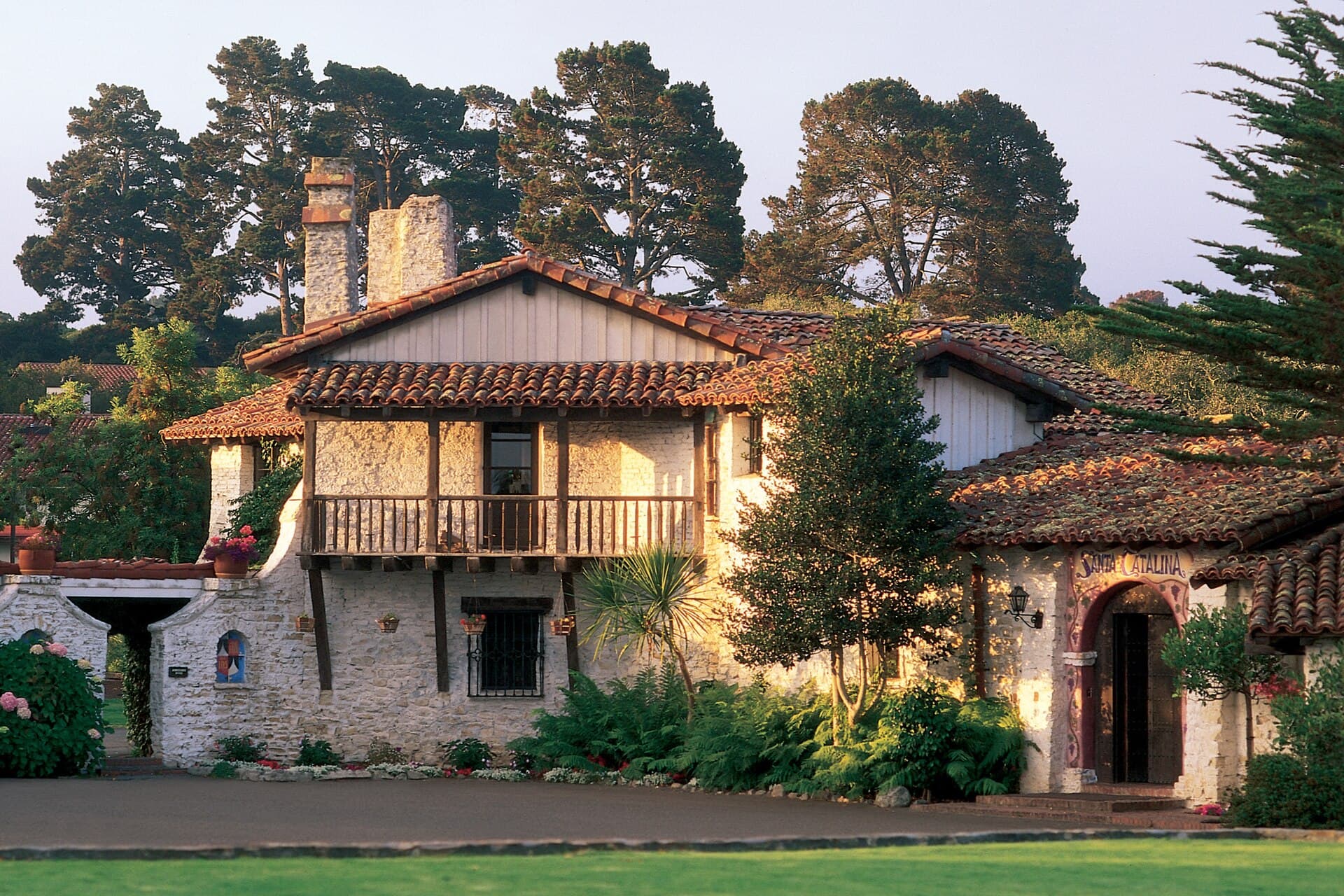 Catalinaschool / CC BY 4.0, via Wikimedia Commons
Selbstgeführte Audio-Walking-Tour durch Monterey — GPS-Route, Offline-Wiedergabe, erzählerische Narration in 32 Sprachen.
“Wo Geschichte auf das tiefe Blau trifft und Geschichten mit dem Nebel hereinwehen.”
Nicht die Postkarten. Die Geschichten, die selbst Einheimische nicht kennen – dir ins Ohr geflüstert, genau dort, wo sie geschahen.
Dieses unscheinbare Gebäude birgt ein Geheimnis über die Zugehörigkeit Kaliforniens.
Nur eine kurze Fahrt von Monterey entfernt hat dieses charmante Dorf eine eigenartige Regel bezüglich des Schuhwerks.
Unter der Oberfläche dieser scheinbar ruhigen Bucht liegt eine geologische Formation, die mit einem berühmten Nationalpark mithalten kann.
Entdecke jedes Geheimnis von Monterey
Jede Adresse, jede Enthüllung vollständig – in deinem Ohr, genau dort, wo es geschah.
Du wählst deine Stationen. Du gehst. Die Stimme enthüllt, was andere übersehen.
Deine selbstgeführte Audio-Tour durch Monterey ist bereit – wähle deine Sehenswürdigkeiten, deine Sprache und starte, sobald du ankommst.
KaufenLume enthält einen integrierten Augmented-Reality-Guide. Halten Sie Ihr Handy hoch: Die Kamera zeigt die Straße vor Ihnen, mit einem leuchtenden Pfeil über dem echten Bild, der immer auf Ihren nächsten Stopp zeigt — keine Karte zum Rätseln, keine falschen Abzweigungen. Wie alles bei Lume funktioniert es komplett offline.
Monterey, eine Stadt entlang der südlichen Bucht von Monterey Bay, ist ein Ort, an dem sich Schichten menschlicher Geschichte und natürliche Pracht miteinander verbinden. An der Central Coast Kaliforniens gelegen, etwa 137 Kilometer südlich von San Francisco, bietet es ein unverwechselbares Küstenerlebnis. Die Atmosphäre der Stadt ist geprägt von mildem Wetter, oft mit kühlen Morgen und sanften Nachmittagen, und einer anhaltenden Küstenfeuchtigkeit. Dieses einzigartige Klima trägt zu seiner Anziehungskraft bei und macht es zu einem Reiseziel, das sowohl belebend als auch heiter ist.
Von seinen Ursprüngen als spanische Kolonie bis zu seiner Umwandlung in einen geschäftigen Fischerhafen und nun zu einem gefeierten Touristenziel hat sich Monterey ständig neu erfunden und dabei sein Erbe bewahrt. Die Verbindung der Stadt zum Pazifischen Ozean ist tiefgreifend und beeinflusst ihre Wirtschaft, Kultur und die Luft, die sie definiert. Es ist ein Ort, der zur Erkundung einlädt, von seinen historischen Adobes bis zu seiner reichen Meeresfauna, und eine Reise durch Zeit und Natur verspricht.
## Frühe Erkundung und spanische Herrschaft Monterey's aufgezeichnete Geschichte begann 1542, als der spanische Entdecker Juan Rodríguez Cabrillo die Bucht zum ersten Mal sichtete. Sechzig Jahre später, im Jahr 1602, betrat Sebastián Vizcaíno als erster Europäer die Halbinsel und nannte das Gebiet 'Puerto de Monterrey' zu Ehren des Grafen von Monte Rey, des Vizekönigs von Neuspanien. Trotz Vizcaíno's glänzender Beschreibungen erfolgte keine dauerhafte spanische Siedlung bis 1770, als Gaspar de Portolá das Presidio von Monterey gründete und Junípero Serra die Kathedrale von San Carlos Borromeo gründete.
Monterey stieg schnell auf und wurde 1777 zur Hauptstadt der Provinz der Californias, die als Verwaltungs- und Militärhauptquartier für Alta und Baja California diente. Es war auch der einzige offizielle Einfuhrhafen für alle steuerpflichtigen Waren, die auf dem Seeweg nach Kalifornien gelangten.
## Mexikanische Herrschaft und amerikanische Übernahme Nach der Unabhängigkeit Mexikos von Spanien im Jahr 1822 blieb Monterey die Hauptstadt des mexikanischen Departements der Californias. Während dieser Zeit wurde es zu einem wichtigen Einfuhrhafen für den internationalen Handel, insbesondere für die boomende Leder- und Talgindustrie. Das Monterey Custom House, das ab 1814 von den Spaniern in drei Phasen erbaut und 1846 von der amerikanischen Regierung fertiggestellt wurde, zeugt von dieser Ära und ist das älteste Regierungsgebäude Kaliforniens.
Der Status der Stadt änderte sich dramatisch während des Mexikanisch-Amerikanischen Krieges. Am 7. Juli 1846 hisste Commodore John D. Sloat von der US Navy die amerikanische Flagge über dem Monterey Custom House und beanspruchte Kalifornien für die Vereinigten Staaten. Monterey diente dann bis 1849 als Hauptstadt der amerikanischen Übergangsregierung, und im selben Jahr fand in Colton Hall die erste Verfassungsversammlung Kaliforniens statt, die die für die Staatlichkeit notwendigen Dokumente ausarbeitete.
## Von der Fischerei zum Tourismus Im späten 19. und frühen 20. Jahrhundert entwickelte sich Monterey zu einem wichtigen Fischerei- und Walfanghafen, der besonders als 'Sardinenhauptstadt der Welt' bekannt war. Diese Ära wurde in John Steinbecks Roman Cannery Row verewigt, einer Straße, die ursprünglich Ocean View Avenue hieß und 1958 zu Ehren des Buches umbenannt wurde. Während die Sardinenindustrie schließlich zurückging, verlagerte sich Monterays wirtschaftlicher Schwerpunkt auf den Tourismus. Das Monterey Bay Aquarium, das 1984 in einem ehemaligen Konservenfabrikgebäude eröffnet wurde, zieht heute Besucher aus aller Welt an und wird für seine Forschungs- und Naturschutzbemühungen gefeiert.
Beginnen Sie Ihre Erkundung im Monterey State Historic Park, einer Sammlung erhaltener Gebäude, die die Geschichte des frühen Kaliforniens erzählen. Hier können Sie das Monterey Custom House, das älteste öffentliche Gebäude Kaliforniens, und Colton Hall besuchen, wo die erste Verfassungsversammlung Kaliforniens stattfand. Verpassen Sie nicht das First Theater, ein Adobe- und Holzgebäude, das 1846-1847 erbaut wurde und die ersten Theateraufführungen Kaliforniens beherbergte.
Spazieren Sie entlang der Cannery Row, einst das Zentrum der Sardinenindustrie Monterays und heute ein lebhaftes Viertel am Wasser mit Geschäften, Restaurants und Attraktionen. Das Monterey Bay Aquarium, am Ende der Cannery Row gelegen, ist eine Weltklasse-Institution, die sich dem Schutz und der Bildung von Meereslebewesen widmet. Für weite Küstenblicke und Tierbeobachtungen nehmen Sie die malerische 17-Mile Drive, die durch den Del Monte Forest und entlang der Pazifikküste führt. Walbeobachtungstouren starten das ganze Jahr über vom Fisherman's Wharf und bieten die Möglichkeit, verschiedene Walarten, Delfine und andere Meeressäuger zu sehen.
Monterey genießt das ganze Jahr über ein mildes Klima, aber der 'Geheimtipp Sommer' im Herbst (September bis Oktober) bringt oft die wärmsten Tage und klarsten Himmel mit weniger Andrang als im Hochsommer. Der August hat typischerweise den sonnigsten Himmel. Der Frühling (März bis Mai) bietet angenehme Temperaturen, blühende Wildblumen und weniger Besucher, was ihn ideal für Outdoor-Aktivitäten macht. Der Winter (November bis Februar) ist ruhig, kühl und friedlich, mit mehr Regen, aber auch ausgezeichneten Möglichkeiten zur Walbeobachtung, insbesondere von Grauwalen.
Monterey ist mit dem Auto gut erreichbar und liegt etwa 137 Kilometer südlich von San Francisco. Parkplätze sind vorhanden, einschließlich eines Parkplatzes am Fisherman's Wharf. Die Stadt ist fußgängerfreundlich, besonders in den historischen Stadt- und Uferbereichen. Obwohl Englisch die Hauptsprache ist, ist Monterey als 'Sprachhauptstadt der Welt' bekannt, dank seiner verschiedenen Sprachinstitutionen. Trinkgeld-Etikette in den USA liegt im Allgemeinen bei 15-20% für guten Service in Restaurants. Die lokale Währung ist der US-Dollar. Monterey gilt als sicheres Reiseziel, aber wie bei jeder Reise ist es ratsam, sich Ihrer Umgebung bewusst zu sein und Ihre Wertsachen zu sichern.
Monterey — Koreanisch, Chinesisch, Hebräisch und 29 weitere Sprachen, jede Station von einer muttersprachlichen Stimme erzählt. Die größte Sprachauswahl aller selbstgeführten Audiotouren.
Verfügbar auf: