Statua del Gigante (Statua di Nettuno)
Questa colossale figura di Nettuno, simbolo di Monterosso, un tempo custodiva più di un semplice tridente.
La storia completa si sblocca nel tour
 Davide Papalini / CC BY-SA 3.0, via Wikimedia Commons
Tour audio autoguidato di Monterosso al Mare — percorso GPS a piedi, riproduzione offline, narrazione coinvolgente in 32 lingue.
“Dove il Mar Ligure incontra sabbia dorata e storie antiche.”
Non le cartoline. Le storie che nemmeno i locali conoscono — sussurrate nel tuo orecchio, proprio dove sono accadute.
Questa colossale figura di Nettuno, simbolo di Monterosso, un tempo custodiva più di un semplice tridente.
Sul colle San Cristoforo, questo ritiro spirituale custodisce un sorprendente tesoro artistico.
Il nome 'Monterosso' potrebbe far pensare a montagne rosse, ma la sua vera origine è un po' più personale.
Scopri ogni segreto di Monterosso al Mare
Ogni indirizzo, ogni rivelazione completa — nel tuo orecchio, proprio dove è accaduta.
Scegli le tue tappe. Cammini. La voce rivela ciò che gli altri perdono.


Il tuo tour audio autoguidato di Monterosso al Mare è pronto — scegli i tuoi punti di interesse, seleziona la tua lingua e inizia nel momento in cui arrivi.
AcquistaLume include una guida in realtà aumentata. Alza il telefono: la fotocamera mostra la strada davanti a te, con una freccia luminosa sovrapposta all'immagine reale che punta sempre verso la tua prossima tappa — nessuna mappa da decifrare, nessuna svolta sbagliata. Come tutto in Lume, funziona completamente offline.
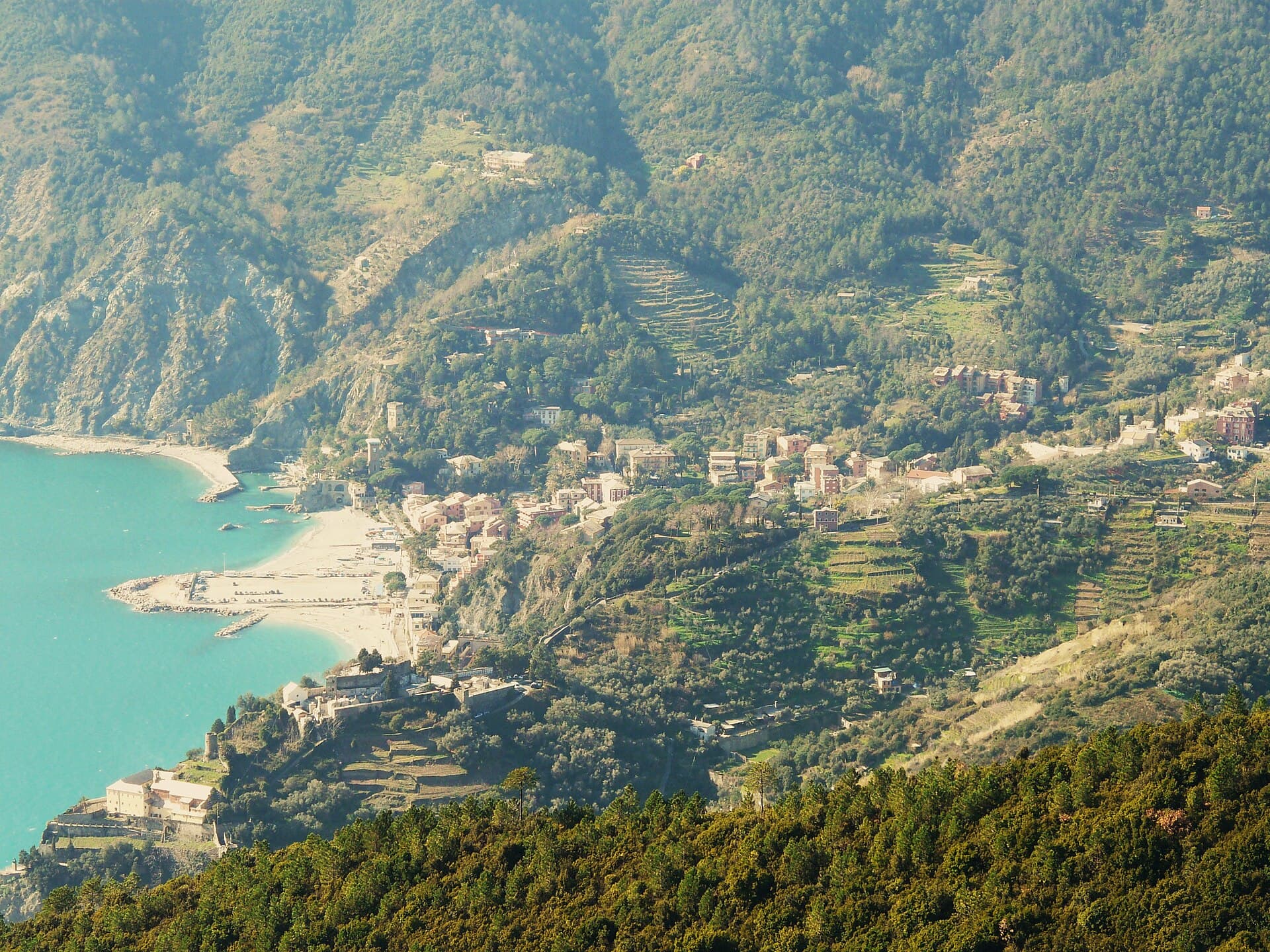
Monterosso al Mare, il più grande e occidentale dei cinque borghi delle Cinque Terre, è un sito patrimonio mondiale dell'UNESCO sulla costa ligure. A differenza dei suoi vicini più orientati verticalmente, Monterosso si sviluppa lungo un'ampia baia, presentando le uniche ampie spiagge sabbiose delle Cinque Terre. Questa particolare caratteristica lo rende una destinazione ambita da chi cerca relax balneare accanto alle drammatiche scogliere e ai caratteristici borghi della regione.
La cittadina si divide in due sezioni distinte: il borgo medievale (Monterosso Vecchio) e il più moderno Fegina, collegati da un breve tunnel pedonale. Fegina ospita la stazione ferroviaria principale, hotel più grandi e l'imponente spiaggia sabbiosa, mentre il borgo antico conserva un fascino suggestivo con i suoi vicoli stretti, le chiese storiche e le trattorie locali. Questo doppio carattere offre un mix di praticità e autentico fascino italiano, attraendo famiglie, amanti della spiaggia e coloro che apprezzano una facile accessibilità senza rinunciare all'autentica esperienza delle Cinque Terre.
La storia di Monterosso al Mare risale almeno al IX secolo, con alcune fonti che suggeriscono un insediamento pre-romano chiamato Albareo sulle alture sopra l'attuale borgo. Le origini del borgo moderno sono spesso fatte risalire al 643 d.C., quando le popolazioni delle colline si avvicinarono al mare per sfuggire alle invasioni barbariche. Si ritiene che il nome 'Monterosso' derivi da un'importante famiglia locale nota per i suoi capelli rossi.
Nel 1056, Monterosso, allora conosciuto come Monte Russo, fu menzionato in un documento contabile degli Obertenghi prima di cadere sotto il dominio della Repubblica di Genova. Durante il Medioevo, il borgo subì frequenti attacchi pirateschi, che portarono alla costruzione di un esteso sistema difensivo. Questo includeva un castello, mura cittadine e numerose torri di avvistamento—si dice tredici a un certo punto—per proteggere dai corsari. Resti di queste fortificazioni, come la Torre Aurora, sono ancora visibili oggi, testimoniando il passato resiliente del borgo.
Monterosso, come gli altri borghi delle Cinque Terre, rimase in gran parte isolato per secoli, accessibile principalmente via mare o tramite mulattiere. Questo isolamento contribuì a un declino all'inizio del XVII secolo, una tendenza che si invertì con la costruzione della linea ferroviaria Genova-La Spezia nel XIX secolo. All'inizio del XX secolo, l'area di Fegina si sviluppò, aggiungendo un'infrastruttura più moderna e simile a una località turistica al nucleo storico. Questa espansione incluse la costruzione dell'iconica Statua del Gigante nel 1910, una scultura in cemento e ferro che divenne un simbolo della città, sebbene subì danni significativi durante la Seconda Guerra Mondiale e a causa degli elementi naturali. Oggi, Monterosso continua ad evolversi, bilanciando la sua eredità storica con il suo ruolo di popolare destinazione turistica all'interno del Parco Nazionale delle Cinque Terre.
Monterosso al Mare offre una varietà di attrazioni, dall'architettura storica alle attrazioni balneari. La Chiesa di San Giovanni Battista, nel cuore del borgo antico, è un notevole esempio di stile gotico genovese, risalente all'inizio del XIII secolo, con una distintiva facciata in marmo a strisce bianche e nere. Nelle vicinanze, l'Oratorio della Confraternita dei Neri del XVI secolo espone architettura barocca e decorazioni interne uniche raffiguranti teschi e ossa, riflettendo la sua storia caritatevole di sostegno alle famiglie dei marinai dispersi in mare.
Per godere di viste panoramiche sul borgo e sulla costa, salite al Monastero dei Cappuccini e alla Chiesa di San Francesco sul colle San Cristoforo. La chiesa ospita un dipinto della Crocifissione attribuito a Van Dyck. All'estremità occidentale della spiaggia di Fegina si erge la Statua del Gigante, una grande statua parzialmente in rovina di Nettuno scolpita nella scogliera nel 1910, un punto di riferimento suggestivo che un tempo adornava una villa privata. Per coloro che cercano relax, Monterosso offre le uniche spiagge sabbiose significative delle Cinque Terre, tra cui la Spiaggia di Fegina, che offre sia sezioni di lido private con ombrelloni che aree pubbliche gratuite.
I periodi ideali per visitare Monterosso al Mare sono durante le stagioni intermedie: da maggio a inizio giugno e da settembre a ottobre. Durante questi mesi, le temperature sono piacevoli (20-25°C) e la folla è minore rispetto all'estate di punta. Tutti i negozi, ristoranti e spiagge sono tipicamente aperti. Luglio e agosto sono i mesi più caldi e affollati, con le spiagge spesso piene di visitatori. Sebbene il mare sia più caldo per nuotare da fine maggio a fine settembre, prenotare l'alloggio in anticipo è essenziale durante l'alta stagione. L'inverno vede un clima più freddo e molti stabilimenti chiusi, anche se offre un'esperienza tranquilla per la fotografia senza folla.
Monterosso è il più accessibile dei borghi delle Cinque Terre. La stazione ferroviaria è comodamente situata direttamente sul lungomare nell'area di Fegina, offrendo un facile accesso alle spiagge e agli hotel. I treni regionali collegano Monterosso a La Spezia in circa 20 minuti, con treni Intercity diretti disponibili dalle principali città come Milano e Pisa. I traghetti collegano anche Monterosso con altri borghi delle Cinque Terre e città vicine come Portovenere e La Spezia da fine marzo a inizio novembre, offrendo viste panoramiche sulla costa. Sebbene Monterosso sia l'unico borgo delle Cinque Terre con un parcheggio auto significativo, gli spazi sono limitati e possono essere costosi, specialmente in alta stagione. Si consiglia generalmente di lasciare l'auto a La Spezia o Levanto e utilizzare il treno. Per percorrere il famoso Sentiero Azzurro tra i borghi, è necessaria una Cinque Terre Card.
Monterosso al Mare — coreano, cinese, ebraico e altre 29 lingue, ogni tappa narrata da una voce madrelingua. La più ampia scelta di lingue tra i tour audio autoguidati.
Disponibile in: