Parque Fundidora
L'ampio Parque Fundidora, ora un fiorente spazio verde urbano, nasconde un passato sorprendente.
La storia completa si sblocca nel tour
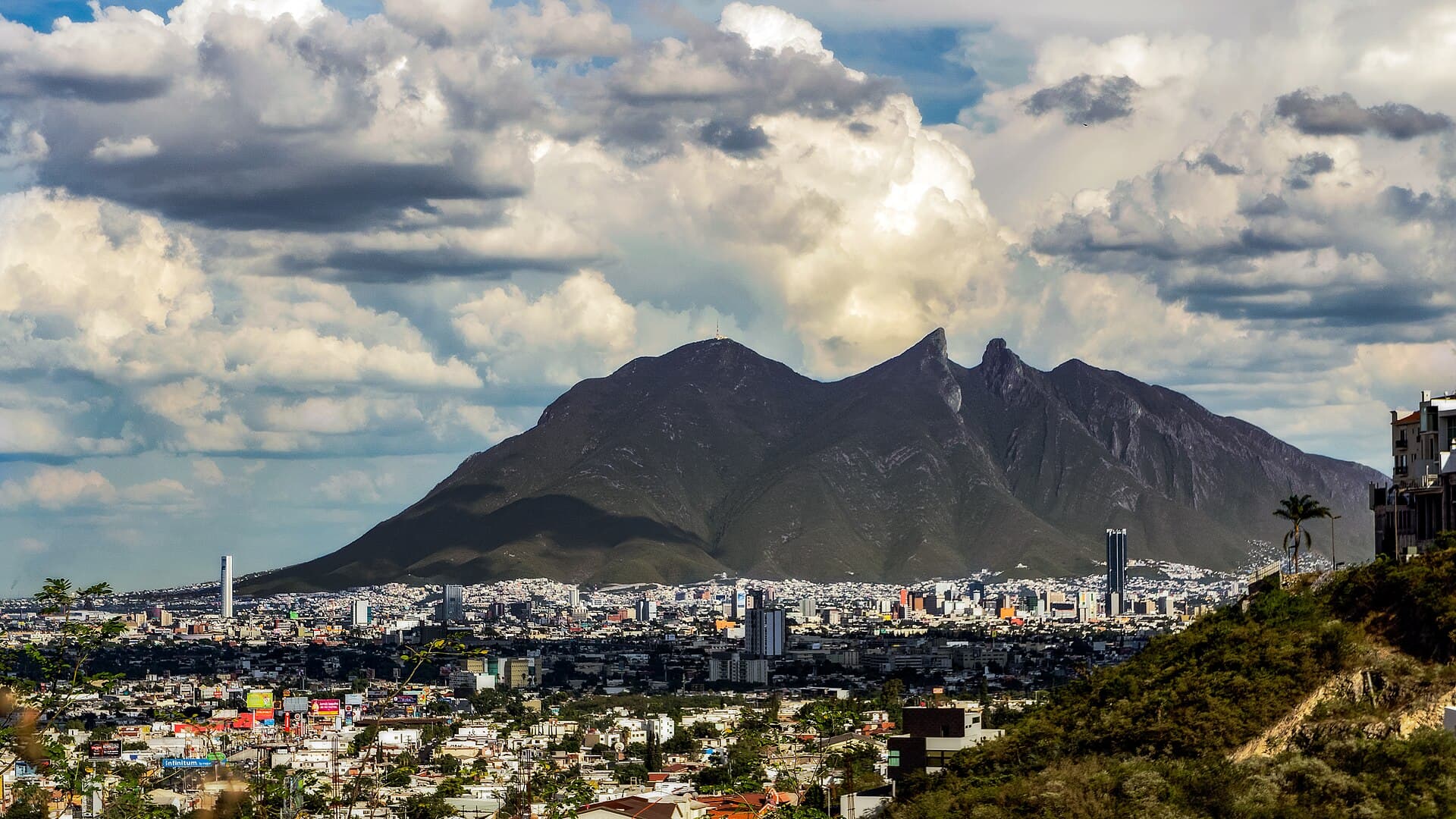 Rick González / CC BY 2.0, via Wikimedia Commons
Tour audio autoguidato di Monterrey — percorso GPS a piedi, riproduzione offline, narrazione coinvolgente in 32 lingue.
“Monterrey: Dove le montagne incontrano l'ingegno e il patrimonio trova il suo ritmo.”
Non le cartoline. Le storie che nemmeno i locali conoscono — sussurrate nel tuo orecchio, proprio dove sono accadute.
L'ampio Parque Fundidora, ora un fiorente spazio verde urbano, nasconde un passato sorprendente.
La Macroplaza di Monterrey è una delle piazze pubbliche più grandi del mondo, eppure la sua creazione ebbe un prezzo.
L'architettura del MARCO, il museo d'arte contemporanea di Monterrey, fa sottilmente riferimento a un'inaspettata influenza storica.
Scopri ogni segreto di Monterrey
Ogni indirizzo, ogni rivelazione completa — nel tuo orecchio, proprio dove è accaduta.
Scegli le tue tappe. Cammini. La voce rivela ciò che gli altri perdono.


Il tuo tour audio autoguidato di Monterrey è pronto — scegli i tuoi punti di interesse, seleziona la tua lingua e inizia nel momento in cui arrivi.
AcquistaLume include una guida in realtà aumentata. Alza il telefono: la fotocamera mostra la strada davanti a te, con una freccia luminosa sovrapposta all'immagine reale che punta sempre verso la tua prossima tappa — nessuna mappa da decifrare, nessuna svolta sbagliata. Come tutto in Lume, funziona completamente offline.
Monterrey, la capitale del Nuevo León, è una testimonianza della potenza industriale del Messico e un centro di cultura e innovazione. Spesso chiamata la "Sultana del Nord" o "Città delle Montagne", Monterrey è incorniciata dalla suggestiva Sierra Madre Oriental, con l'iconico Cerro de la Silla come sfondo. Questa dinamica metropoli offre un'esperienza distintiva, fondendo un paesaggio urbano moderno con profonde radici storiche e un forte spirito imprenditoriale.
Più di un semplice centro d'affari, Monterrey presenta una variegata gamma di attrazioni, da ampie piazze pubbliche e musei di livello mondiale a parchi ecologici e quartieri vivaci. I visitatori possono esplorare la trasformazione della città da avamposto coloniale a potenza contemporanea, scoprendo come la sua posizione strategica e la sua popolazione resiliente abbiano plasmato la sua identità unica. Che si cerchi immersione culturale, avventura all'aria aperta o un assaggio della cucina del nord del Messico, Monterrey offre un viaggio avvincente in una città che si reinventa continuamente onorando il suo passato.
Monterrey è la terza città più grande del Messico e un importante centro economico, riconosciuta per i suoi settori manifatturiero, logistico e di amministrazione aziendale. Serve come porta d'accesso vitale per il commercio tra il Messico e gli Stati Uniti, un ruolo che ha profondamente influenzato il suo sviluppo e il suo carattere moderno.
La storia di Monterrey inizia con la sua fondazione ufficiale il 20 settembre 1596, da parte di Diego de Montemayor e un gruppo di dodici famiglie. Fu il terzo tentativo di stabilire un insediamento nell'area, vicino a una sorgente d'acqua chiamata Ojos de Agua de Santa Lucia. Per secoli, Monterrey rimase un villaggio coloniale relativamente piccolo e isolato, la cui economia era principalmente focalizzata sull'agricoltura, l'allevamento e il commercio locale.
Il XIX secolo segnò un cambiamento cruciale per Monterrey. Dopo l'indipendenza del Messico, la posizione strategica della città come punto di transito per le rotte commerciali che collegavano il Messico centrale con i porti del Golfo del Messico e gli Stati Uniti divenne sempre più importante. L'arrivo della ferrovia nel 1882, che collegò Monterrey con Laredo, Texas, fu un catalizzatore per una rapida industrializzazione. Questo collegamento attirò significativi investimenti stranieri e portò alla creazione di importanti imprese.
Emersero industrie chiave, tra cui tessile, birrifici e produzione di acciaio. La Cuauhtémoc Brewery, fondata nel 1890, divenne uno dei primi grandi giganti industriali del paese. Nel 1900, fu fondata la Fundidora de Fierro y Acero de Monterrey, la prima azienda siderurgica dell'America Latina, consolidando la reputazione di Monterrey come potenza industriale. Questo periodo di intensa crescita valse a Monterrey il soprannome di "Sultana del Nord".
Il XX secolo vide Monterrey continuare la sua espansione industriale, avventurandosi in nuovi settori come cemento, vetro, elettronica e componenti automobilistici. La crescita della città non fu priva di sfide; affrontò la Rivoluzione Messicana nei primi anni del '900 e, successivamente, la chiusura dell'impianto Fundidora nel 1986. Tuttavia, Monterrey dimostrò resilienza, trasformando l'ex acciaieria nell'ampio Parque Fundidora, simbolo di patrimonio industriale e rinnovamento urbano. Oggi, Monterrey rimane un cruciale motore economico per il Messico, adattandosi continuamente e abbracciando nuove tecnologie, pur preservando la sua storia unica.
Inizia la tua esplorazione dalla Macroplaza, una delle piazze pubbliche più grandi del mondo, che si estende per 40 ettari. Qui troverai un mix di architettura storica e moderna, tra cui il Palacio de Gobierno e il contemporaneo Faro del Comercio, una torre in cemento alta 70 metri che proietta un laser verde sulla città di notte. Adiacente alla Macroplaza si trova la Cattedrale Metropolitana, un'imponente struttura che combina stili barocco e neoclassico.
Dalla Macroplaza, passeggia lungo il Paseo Santa Lucía, un canale artificiale che offre gite in barca e collega al Parque Fundidora. Questo vasto parco urbano è costruito sui terreni di un'ex fonderia d'acciaio e presenta musei, spazi ricreativi e l'iconico Horno Alto No. 3, un centro scientifico e tecnologico interattivo ospitato all'interno di un vecchio altoforno.
Per gli amanti dell'arte, il Museo de Arte Contemporáneo de Monterrey (MARCO), situato vicino alla Macroplaza, espone arte contemporanea latinoamericana in un edificio distintivo progettato da Ricardo Legorreta. Cerca l'affascinante Barrio Antiguo, il centro storico di Monterrey, riconosciuto per le sue strade colorate e l'atmosfera vivace. Per ampie vedute della città e delle montagne circostanti, dirigiti al Mirador del Obispado.
I periodi più confortevoli per visitare Monterrey per attività all'aperto in generale vanno dall'inizio di marzo all'inizio di giugno e da fine settembre a fine novembre, con un picco a fine ottobre. Durante questi periodi, le temperature sono moderate, rendendo piacevole l'esplorazione. La stagione più fresca, da novembre a febbraio, offre inverni miti con massime giornaliere medie inferiori a 24°C (75°F), sebbene possano verificarsi occasionali ondate di freddo. Le estati, da maggio a settembre, sono lunghe, calde e spesso umide, con temperature medie giornaliere superiori a 32°C (90°F), a volte superando i 38°C (100°F). Le piogge sono più frequenti da maggio a settembre, con settembre che è il mese più piovoso.
Monterrey è servita dall'Aeroporto Internazionale di Monterrey (MTY), con voli diretti da diverse importanti città statunitensi. Per spostarsi in città, i servizi di ride-sharing tramite app come Uber e DiDi sono ampiamente disponibili e consigliati per la loro sicurezza e comodità. Sebbene i trasporti pubblici, inclusi autobus e un sistema di metropolitana leggera, siano disponibili, possono essere impegnativi per chi non parla spagnolo. Guidare a Monterrey generalmente non è consigliato a causa della segnaletica confusa e della forte congestione del traffico, sebbene il noleggio auto sia disponibile per esplorare le aree circostanti.
La valuta locale è il Peso Messicano e gli sportelli bancomat sono facilmente accessibili. I cittadini statunitensi necessitano di un passaporto valido per l'ingresso e non richiedono un visto per soggiorni inferiori a 180 giorni. Sebbene Monterrey sia generalmente considerata sicura per i turisti, in particolare nelle aree principali frequentate dai visitatori come San Pedro Garza García, Barrio Antiguo, Macroplaza e Parque Fundidora, è sempre saggio usare cautela, evitare di mostrare oggetti di valore e prestare attenzione all'ambiente circostante.
Monterrey — coreano, cinese, ebraico e altre 29 lingue, ogni tappa narrata da una voce madrelingua. La più ampia scelta di lingue tra i tour audio autoguidati.
Disponibile in: