This is no ordinary European castle, nor a ruin. What kind of mind crafts a 'castle' with towers, spires, stained glass, and a labyrinth, then resides there until 1966?
Montevideo
“Montevideo: Where the Río de la Plata breathes stories, and the city sways to its own cadence.”
Montevideo, as no one tells it.
Not the postcards. The stories even locals don't know — whispered in your ear, right where they happened.
In a city known for its gentle allure, there stands a fountain with a romantic legend tied to a precise ritual. What unfolds if you affix a lock inscribed with two lovers' initials here?
The inaugural settler of Montevideo also holds a less fortunate distinction. What was distinctive about his initial dwelling, and what became of him?
Discover every secret of Montevideo
Every address, every reveal in full — in your ear, right where it happened.
You pick your stops. You walk. The voice reveals what the others miss.
How long do you have in Montevideo?
No tours available yet. Check back soon — we're preparing them.
The story of Montevideo
Montevideo, the capital of Uruguay, extends a distinct personality, blending colonial elegance with a tranquil, coastal town feel. Situated on the northeastern bank of the expansive Río de la Plata, this city of approximately 1.7 million people functions as Uruguay's political, cultural, and economic core. Often compared to its larger neighbor, Buenos Aires, Montevideo maintains its own singular character, marked by a slower pace of life, a deep café culture, and Parisian-inspired architecture within its historic Ciudad Vieja (Old City).
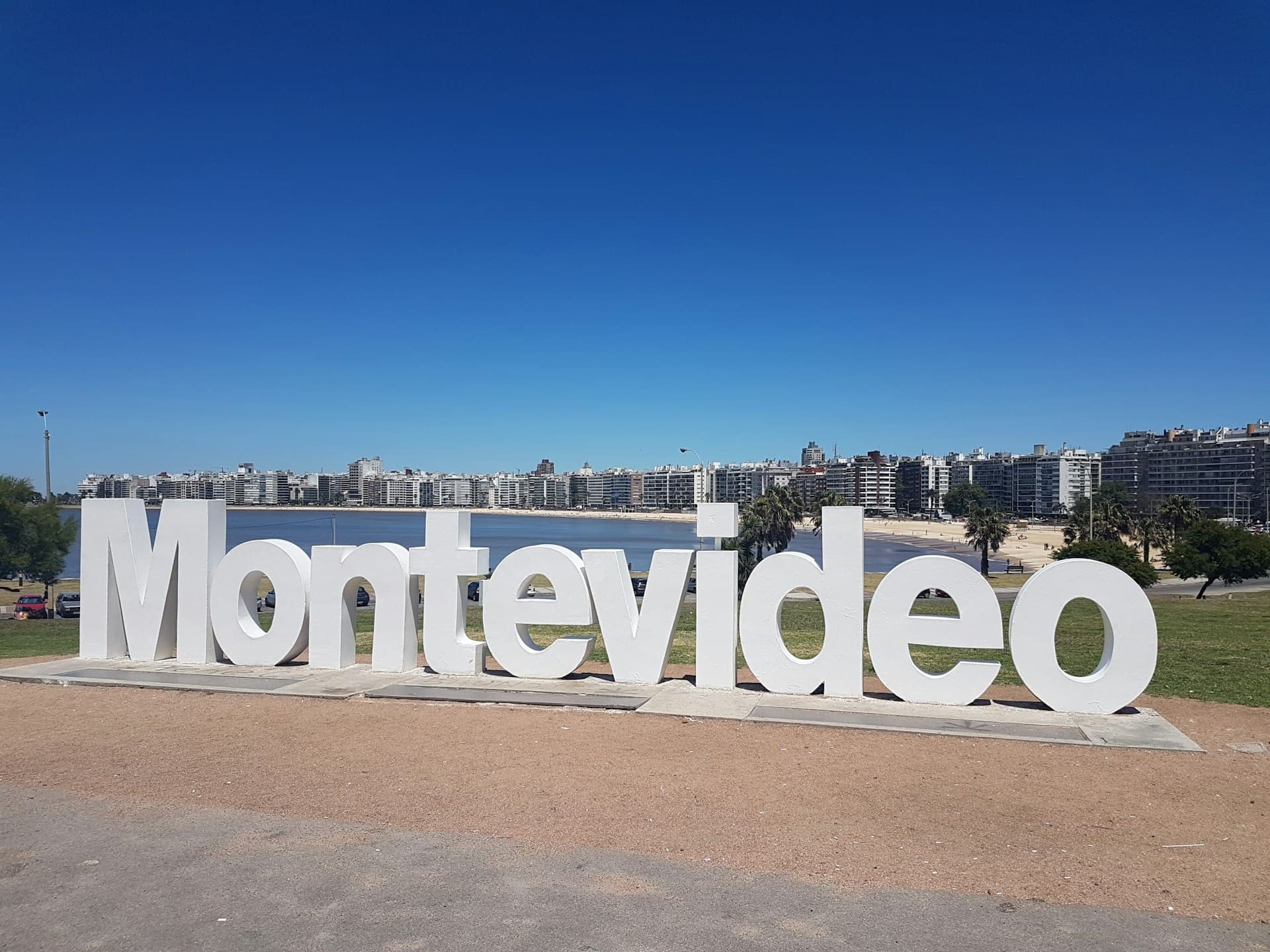
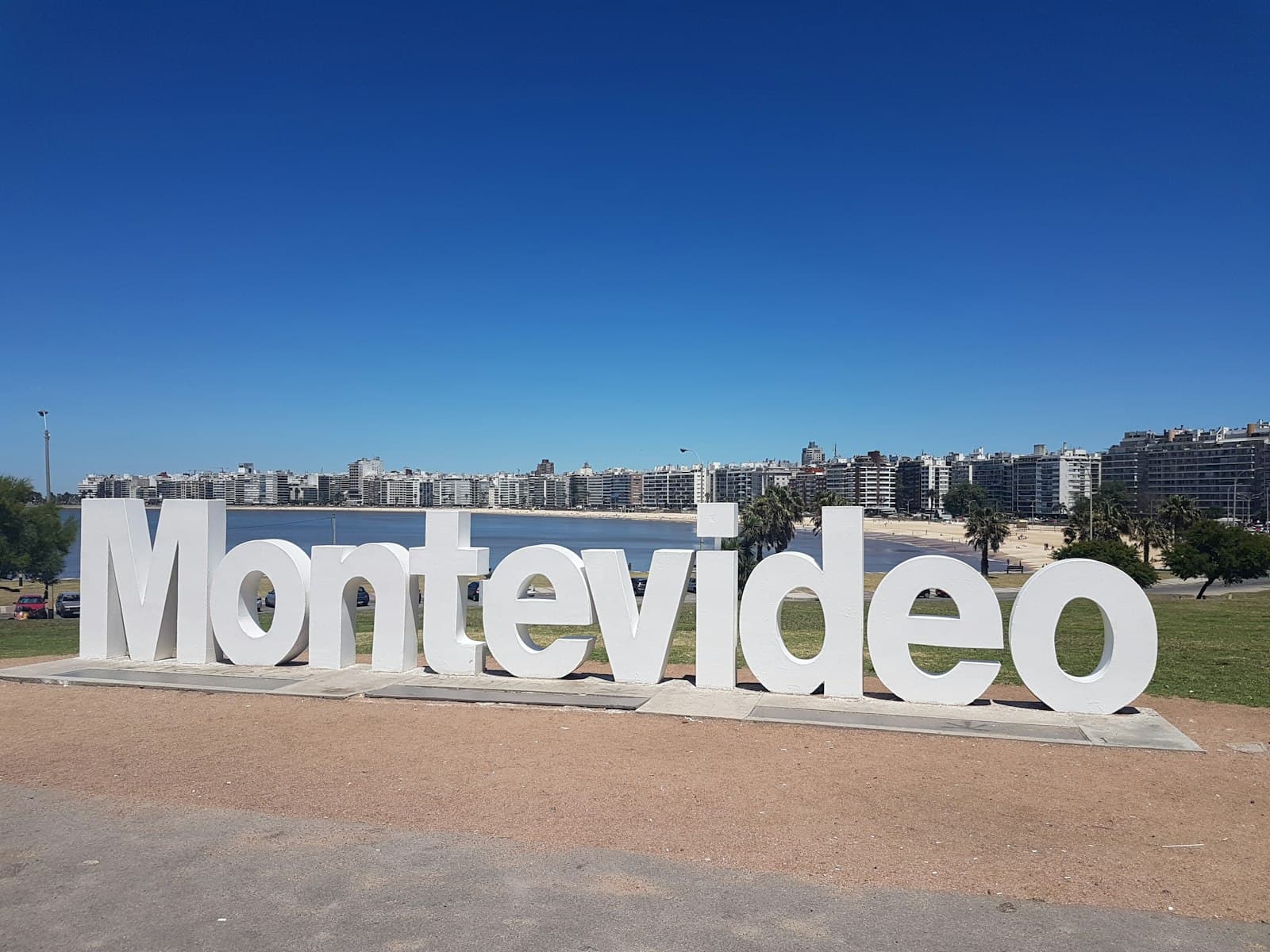
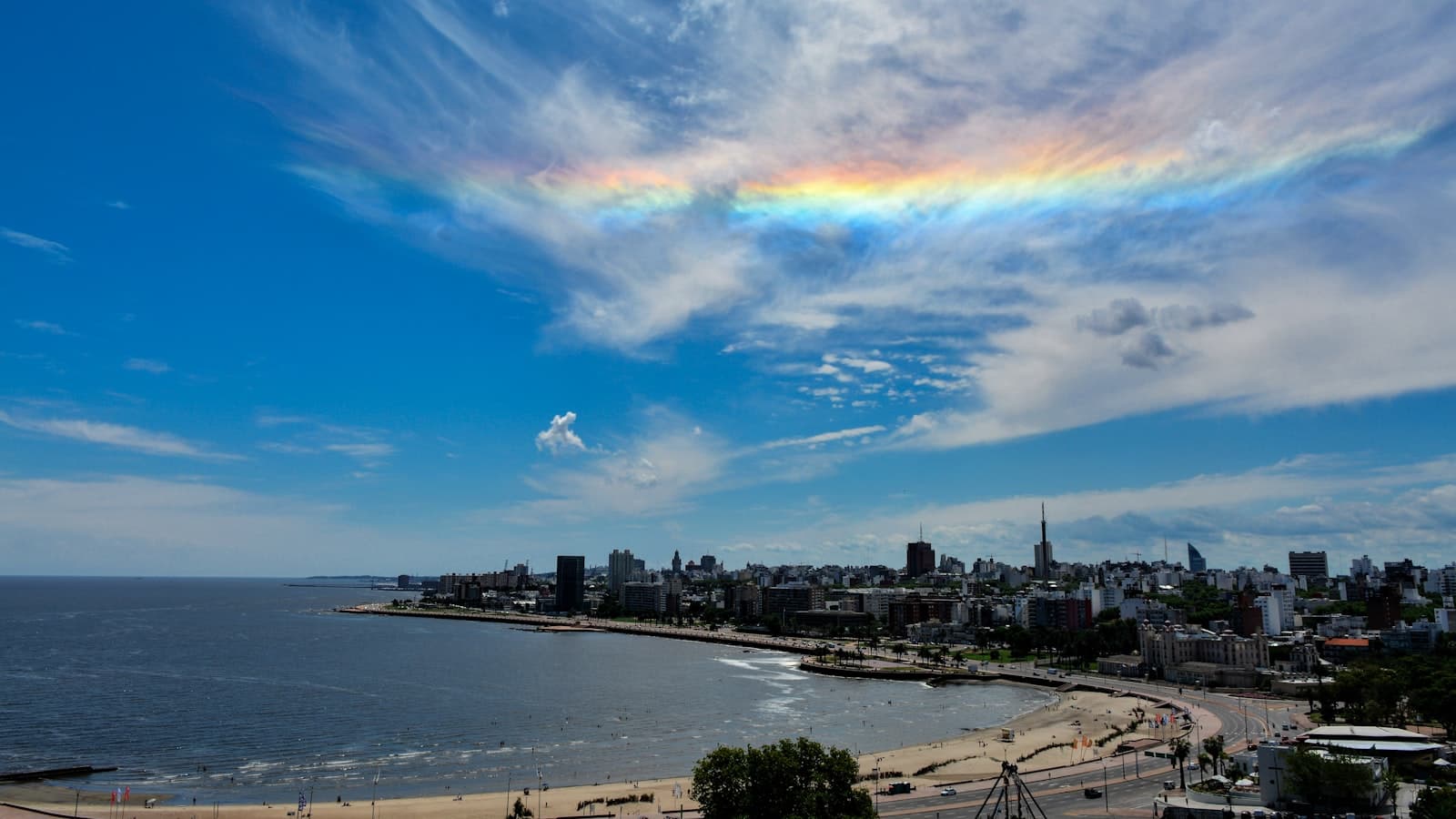
The city's shoreline extends for nearly 14 miles, featuring a continuous promenade known as the Rambla, one of the longest continuous sidewalks in the world. This waterfront is a central component of daily life for Montevideans, who gather there to socialize, exercise, and observe the sun descend over the river. Beyond its scenic waterfront, Montevideo is celebrated for its elevated quality of life, consistently ranking first in Latin America in quality of living surveys since 2005. It is a city that invites exploration, from its historic plazas and theaters to its lively music and literary heritage.
From Strategic Outpost to Cultural Hub
Montevideo's origins are rooted in colonial rivalry between Spain and Portugal. In 1680, Portugal established Colonia del Sacramento across the Río de la Plata from Buenos Aires. To counter this Portuguese expansion, Spanish governor of Buenos Aires, Bruno Mauricio de Zabala, founded Montevideo in 1726. Initially, it was a Spanish garrison town, populated by families from Buenos Aires and later from the Canary Islands.
Throughout its early history, Montevideo's strategic location as a deep-water port made it a significant point of contention. It became the primary port for the region north of the Río de la Plata, frequently clashing with Buenos Aires for maritime dominance. From 1807 to 1830, the city experienced a turbulent period, occupied alternately by British, Spanish, Argentine, Portuguese, and Brazilian forces, leading to a decline in trade and population.
Uruguay gained independence in 1828, with Montevideo as its capital. However, political instability continued, culminating in the Guerra Grande (Great War), a civil war that included an eight-year siege of Montevideo from 1843 to 1851. Despite being besieged by a combined Argentine-Uruguayan army, the city surprisingly thrived, sustained by sea with British and French support, and its port became even more vital.
The late 19th and early 20th centuries saw Montevideo prosper and expand, with significant infrastructure projects and a large influx of European immigrants, primarily from Spain and Italy. The city's growth was also marked by its role in hosting the first FIFA World Cup in 1930, for which the Estadio Centenario was constructed in a remarkable nine months. In more recent history, Montevideo has become an administrative center for major Latin American trade blocs, Mercosur and ALADI, drawing comparisons to Brussels in Europe.
Begin your exploration in the Ciudad Vieja (Old City), the oldest and most atmospheric neighborhood, distinguished by its cobbled streets and colonial architecture. Here, you will find Plaza Independencia, a significant public square that divides the Old Town from the downtown area. Notable landmarks surrounding the plaza include the imposing Palacio Salvo, an eclectic Art Deco building that was briefly the tallest in South America when completed in 1928, and the historic Teatro Solís, the most prominent and oldest theater in Uruguay.
A recommended activity is a walk or cycle along La Rambla, the continuous coastal promenade that stretches for nearly 14 miles along the Río de la Plata. It offers expansive views and traverses various neighborhoods and beaches like Pocitos. For football enthusiasts, the Estadio Centenario and its Museo del Fútbol are essential, celebrating the history of the first World Cup. Do not overlook the Mercado del Puerto, a lively market renowned for its grilled meats and animated atmosphere. For a distinctive architectural experience, visit the Castillo Pittamiglio, an eccentric 'castle' now operating as a museum.
Montevideo enjoys a temperate climate and welcomes visitors year-round. The busiest season occurs during the summer months, from December to February, when average temperatures hover around 24°C (75°F-84°F). This period is ideal for enjoying the beaches and the lively Rambla. The city also awakens during the carnival season, from late January to early March, recognized for its extended celebrations with parades and shows. Spring (September to November) and autumn (March to May) offer cooler, calmer, and pleasant conditions, with average temperatures around 18°C (60-75°F), making them excellent for cultural exploration and walking.
Montevideo is a relatively compact city, and its Ciudad Vieja and city center are easily explored on foot. While there is no metro, buses and taxis are widely available for reaching other neighborhoods like Pocitos. Uber also operates throughout the city. For those who enjoy cycling, there are extensive dedicated cycle lanes along the Rambla and Avenida 18 de Julio, and bike rentals are available. Carrasco International Airport (MVD) is located about 15 km east of the city center, with frequent buses and taxis connecting to downtown. Ferries also provide regular connections to Buenos Aires, Argentina. Uruguay uses plug types C, F, I, and L, so consider bringing a universal adapter. Basic Spanish skills are helpful, though Uruguayans are generally open to speaking English.
- Is Montevideo a walkable city?
- Yes, Montevideo is considered a very walkable city, especially its historic Ciudad Vieja and the city center. The flat terrain and relatively safe environment make it enjoyable to explore on foot.
- What is the Rambla?
- The Rambla is a continuous coastal promenade stretching for almost 14 miles along the Río de la Plata. It's a popular spot for walking, cycling, and enjoying the waterfront views.
- What is the local currency in Montevideo?
- The local currency in Montevideo, and Uruguay, is the Uruguayan Peso (UYU).
- Is Montevideo safe for tourists?
- Montevideo is generally considered one of the safest capital cities in Latin America, with a relaxed atmosphere. However, like any city, it's always wise to be aware of your surroundings.
- What is mate?
- Mate is a traditional herbal tea made from the yerba mate plant, widely consumed in Montevideo and Uruguay. You'll often see Montevideans carrying their mate gourds and thermoses.
- What is the Estadio Centenario famous for?
- The Estadio Centenario is famous for hosting every match of the first FIFA World Cup in 1930, which Uruguay won. It is the only stadium declared a 'Historical Monument of World Football' by FIFA.