De Ondergrondse Stad (RESO)
Montreal heeft een stad onder zijn straten, maar het is verre van een donkere, vergeten plek.
Volledig verhaal ontgrendeld in de tour
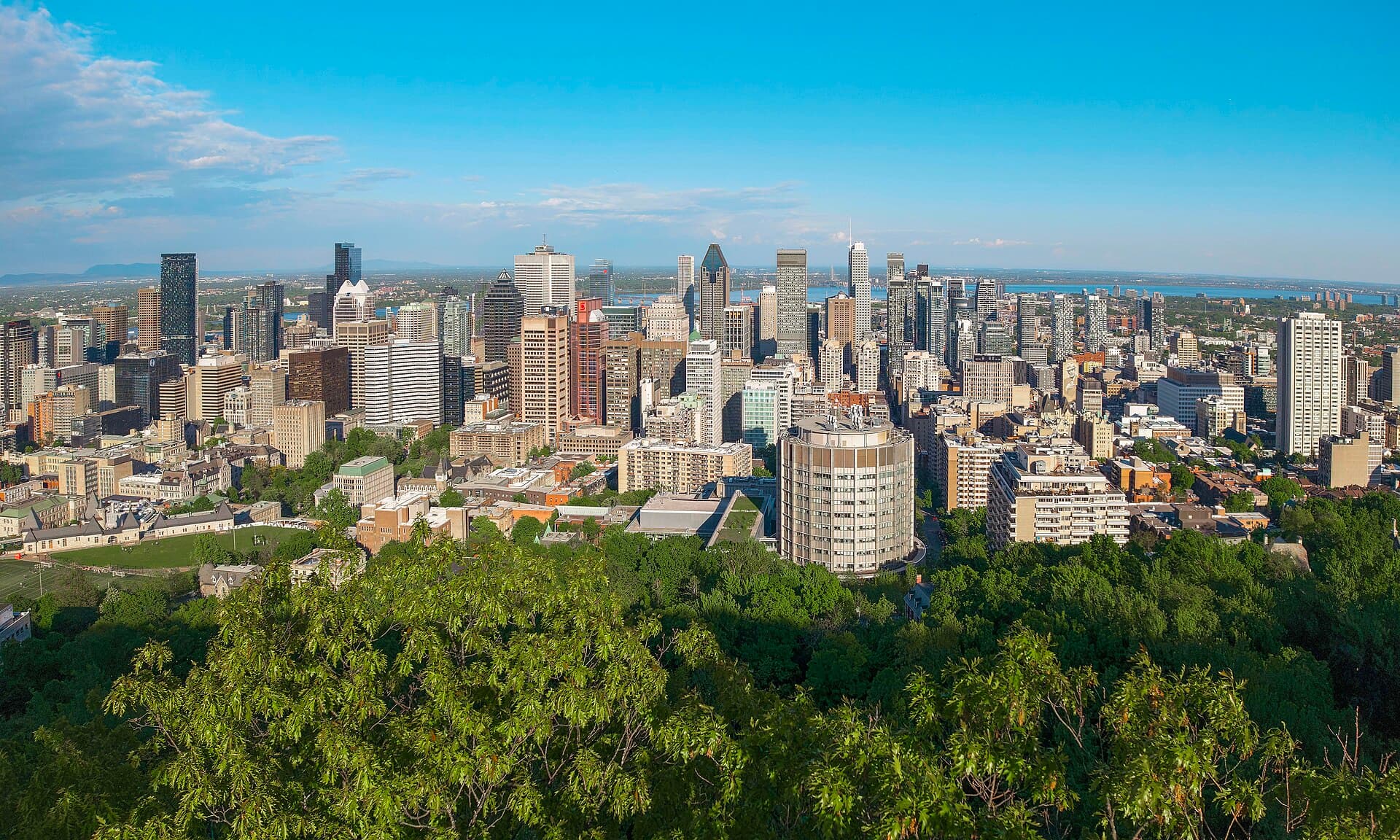 Quintin Soloviev / CC BY 4.0, via Wikimedia Commons
Zelfgeleide audiowandeling door Montreal — GPS-route, offline afspelen, meeslepende vertelling in 32 talen.
“Onder Mount Royal spreekt een stad in twee talen en talloze verhalen.”
Niet de ansichtkaarten. De verhalen die zelfs locals niet kennen — gefluisterd in je oor, precies waar ze gebeurden.
Montreal heeft een stad onder zijn straten, maar het is verre van een donkere, vergeten plek.
De berg waaraan de stad zijn naam dankt, heeft een stille bepaling over zijn skyline.
Een legendarisch lied voor vrede begon niet in een stadion, maar in een hotelkamer in Montreal.
Ontdek elk geheim van Montreal
Elk adres, elke onthulling volledig — in je oor, precies waar het gebeurde.
Jij kiest je stops. Jij wandelt. De stem onthult wat de anderen missen.


Je zelfgeleide audiotour van Montreal is klaar — kies je bezienswaardigheden, kies je taal en start zodra je aankomt.
KopenLume heeft een ingebouwde augmented-reality-gids. Houd je telefoon omhoog: de camera toont de straat voor je, met een oplichtende pijl over het echte beeld die altijd naar je volgende stop wijst — geen kaart om uit te puzzelen, geen verkeerde afslagen. Zoals alles in Lume werkt het volledig offline.
Montreal, de grootste stad van Quebec en de op één na grootste van Canada, biedt een unieke mix van Noord-Amerikaanse energie en Europese elegantie. Gelegen op een eiland in de Saint Lawrence rivier, wordt de stad gevormd door de centrale, drievoudige Mount Royal, waaraan het stedelijk gebied zijn naam dankt. Hoewel Frans de officiële taal is, behoort Montreal tot de meest tweetalige steden van Canada, met een aanzienlijk deel van de bevolking dat zowel Frans als Engels spreekt.
Naast het taallandschap is Montreal een centrum voor cultuur, kunst en innovatie. Erkend als UNESCO City of Design, organiseert het een levendige festivalsfeer, waaronder de grootste jazz- en comedyfestivals ter wereld. Van de oude paden van Oud-Montreal tot de hedendaagse kunst die door de hele stad te vinden is, bezoekers ervaren een gevarieerd aanbod aan belevenissen.
Het gebied dat nu bekend staat als Montreal heeft een geschiedenis die ongeveer 8.000 jaar teruggaat, met bewijs van Iroquoian volkeren die zich rond 1000 n.Chr. langs de St. Lawrence rivier vestigden. De Franse ontdekkingsreiziger Jacques Cartier was de eerste Europeaan die het Iroquoian dorp Hochelaga op het eiland Montreal bezocht in 1535, tijdens zijn zoektocht naar een doorgang naar Azië. Zeventig jaar later probeerde Samuel de Champlain een handelspost voor bont op te zetten, maar pas in 1642 stichtte Paul de Chomedey, Sieur de Maisonneuve, een missiecentrum genaamd Ville-Marie, gewijd aan de Maagd Maria. Deze vroege nederzetting doorstond constante aanvallen van de Iroquois, die geallieerd waren met de Britten.
Ville-Marie fungeerde als een centrum voor de bonthandel en Franse expansie tot 1760, toen het zich overgaf aan het Britse leger tijdens de Zevenjarige Oorlog. Britse immigratie droeg bij aan de uitbreiding van de stad, en Montreal werd officieel ingelijfd als stad in 1832. De opening van het Lachine Canal stimuleerde de groei verder, en van 1844 tot 1849 diende Montreal zelfs als de hoofdstad van de Verenigde Provincie Canada. Tegen 1860 was het uitgegroeid tot de grootste stad van Brits Noord-Amerika en het economische en culturele hart van Canada. In deze periode, vaak Montreal's 'Gouden Eeuw' genoemd, ontstond Saint Jacques Street als een belangrijk economisch centrum, en zowel de Canadian Pacific Railway als de Canadian National Railway vestigden hier hun hoofdkantoren.
De 20e eeuw bracht verdere transformaties, waaronder de bouw van wolkenkrabbers halverwege de jaren '30 na de Grote Depressie. Montreal organiseerde de eerste Olympische Spelen ooit in Canada in 1976 en de Wereldtentoonstelling, Expo 67, in 1967. Vandaag de dag blijft Montreal floreren als een belangrijk centrum voor kunst, cultuur, financiën, technologie en toerisme.
Begin uw verkenning in Oud-Montreal (Vieux-Montréal), waar oude paden leiden naar historische bezienswaardigheden zoals de Notre-Dame Basiliek en Place Jacques-Cartier. De Oude Haven biedt een levendige waterkant met activiteiten zoals boottochten en het reuzenrad La Grande Roue de Montréal. Voor een ander perspectief, daal af in RÉSO, de uitgebreide ondergrondse stad van Montreal, een netwerk van voetgangerstunnels die winkels, restaurants en metrostations met elkaar verbinden.
Beklim Mount Royal voor een weids uitzicht over de stad vanaf Kondiaronk Lookout, en verken het park ontworpen door Frederick Law Olmsted, mede-ontwerper van het Central Park in New York. Kunstliefhebbers kunnen het Montreal Museum of Fine Arts bezoeken, een van de meest bezochte musea van Canada, of de levendige straatkunst ontdekken, met name langs Saint Laurent Boulevard. Mis de Jean-Talon Markt in Little Italy niet voor lokale producten en ambachtelijke goederen. Voor unieke culturele ervaringen kunt u het Pointe-à-Callière Museum overwegen, een archeologisch en historisch complex, of het Montreal Biodome, dat vier verschillende ecosystemen herbergt.
De ideale tijd om Montreal te bezoeken is tijdens de zomermaanden, van juni tot augustus, wanneer het weer warm en aangenaam is, met temperaturen die doorgaans variëren van 18-27°C (64-81°F). Dit is het drukste seizoen, vol met veel culturele festivals en buitenevenementen. Als alternatief bieden de schouderseizoenen van april tot mei en september tot november mildere temperaturen, kleurrijke herfstbladeren en minder drukte, vaak met betere beschikbaarheid van accommodatie. Hoewel de winters (december tot februari) koud en besneeuwd zijn, met temperaturen tussen -12 tot -5°C (10-23°F), bieden ze een rustige, feestelijke sfeer met winterfestivals zoals Montreal en Lumière.
Het openbaarvervoersysteem van Montreal, de Société de transport de Montréal (STM), werkt efficiënt en omvat een metro- en busnetwerk. De metro heeft vier kleurgecodeerde lijnen en 68 stations, met enkeltjes die CAD$3,75 kosten (vanaf september 2025). Herlaadbare Opus-kaarten zijn beschikbaar voor meerdaagse passen. Bussen rijden 24/7 en bestrijken meer terrein. Fooien geven in Montreal is gebruikelijk, vergelijkbaar met andere delen van Noord-Amerika. Verwacht 15-20% fooi te geven vóór belastingen in restaurants en bars. Voor kortere taxiritten is een dollar of twee voldoende, of 10% voor langere ritten. De wettelijke leeftijd om alcohol te drinken is 18 jaar. De gebruikte valuta is de Canadese Dollar (CAD).
Montreal — Koreaans, Chinees, Hebreeuws en nog 29 talen, elke stop verteld door een moedertaalspreker. Het grootste taalaanbod van alle zelfgeleide audiotours.
Beschikbaar in: