Rathaus von Morges (Hôtel de Ville)
Audrey Hepburn wählte einen unerwartet schlichten Ort für einen der bedeutendsten Tage ihres Lebens.
Die ganze Geschichte wird in der Tour freigeschaltet
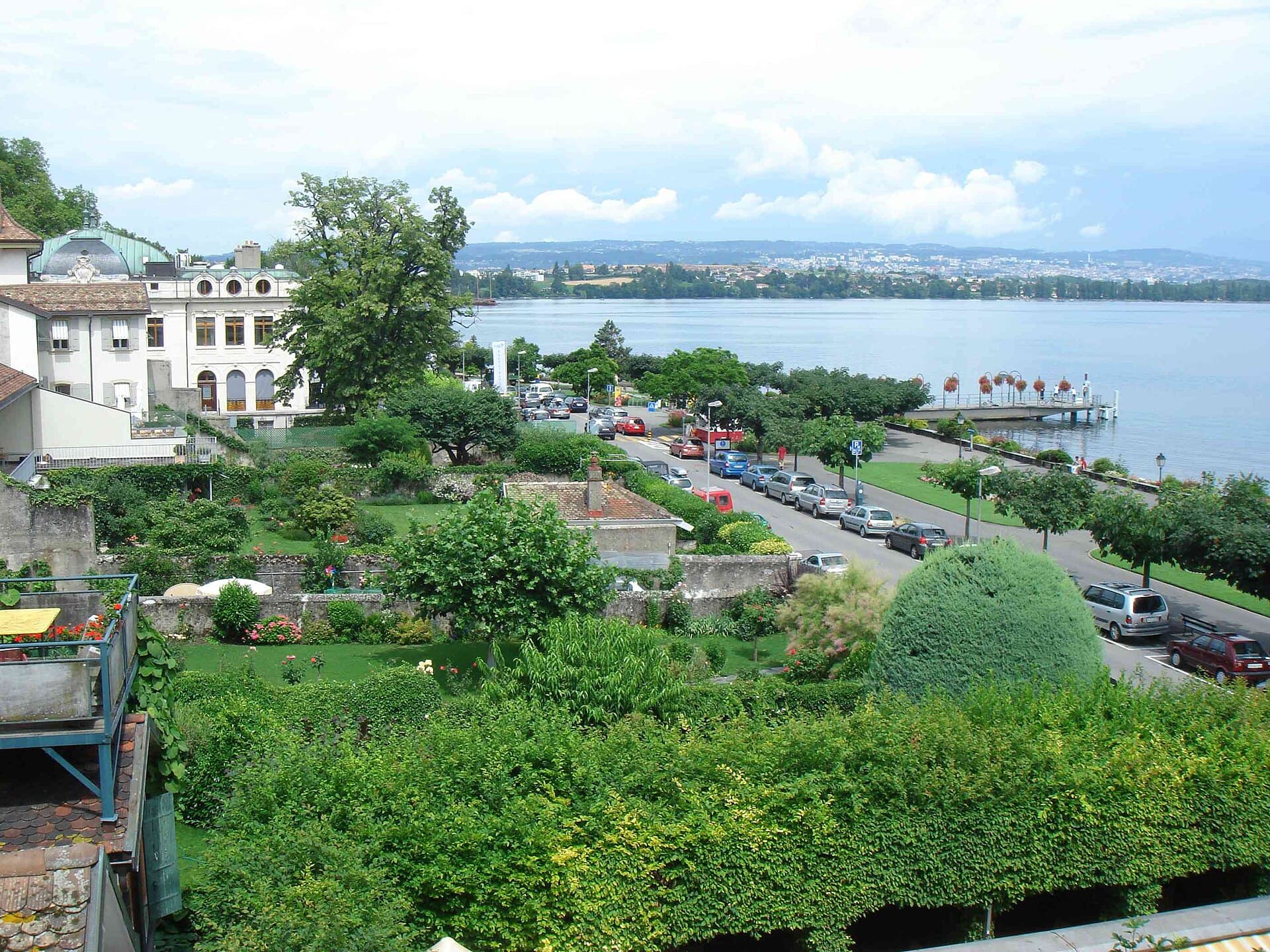 Theonly1 at de.wikipedia / CC BY-SA 3.0, via Wikimedia Commons
Selbstgeführte Audio-Walking-Tour durch Morges — GPS-Route, Offline-Wiedergabe, erzählerische Narration in 32 Sprachen.
“Wo die ruhigen Gewässer des Genfersees auf blühende Gärten und Echos vergangener Zeiten treffen.”
Nicht die Postkarten. Die Geschichten, die selbst Einheimische nicht kennen – dir ins Ohr geflüstert, genau dort, wo sie geschahen.
Audrey Hepburn wählte einen unerwartet schlichten Ort für einen der bedeutendsten Tage ihres Lebens.
Diese mittelalterliche Festung, ein "savoyardisches Quadrat" mit Blick auf den Genfersee, birgt in ihren Mauern eine Sammlung, die man von einem Militärmuseum kaum erwarten würde.
Das jährliche Tulpenfest verwandelt diese Uferlandschaft in ein lebendiges Spektakel, doch seine Benennung trägt eine tiefere historische Bedeutung als nur eine Feier der Blüten.
Entdecke jedes Geheimnis von Morges
Jede Adresse, jede Enthüllung vollständig – in deinem Ohr, genau dort, wo es geschah.
Du wählst deine Stationen. Du gehst. Die Stimme enthüllt, was andere übersehen.


Deine selbstgeführte Audio-Tour durch Morges ist bereit – wähle deine Sehenswürdigkeiten, deine Sprache und starte, sobald du ankommst.
KaufenLume enthält einen integrierten Augmented-Reality-Guide. Halten Sie Ihr Handy hoch: Die Kamera zeigt die Straße vor Ihnen, mit einem leuchtenden Pfeil über dem echten Bild, der immer auf Ihren nächsten Stopp zeigt — keine Karte zum Rätseln, keine falschen Abzweigungen. Wie alles bei Lume funktioniert es komplett offline.
Morges, eine anmutige Stadt am Nordufer des Genfersees, bietet eine Mischung aus beständiger Architektur, lebhaften kulturellen Veranstaltungen und stiller natürlicher Pracht. Oft als 'Blume des Genfersees' bezeichnet, ist Morges berühmt für seine von Blüten gesäumten Promenaden und das prächtige jährliche Tulpenfest. An klaren Tagen ist die ferne Silhouette des Mont Blanc über dem See sichtbar, was der Stadt eine malerische Kulisse für entspannte Spaziergänge und Entdeckungen bietet.
Die autofreie Grand-Rue, das pulsierende Herz der Altstadt, lädt Besucher ein, durch einzigartige Geschäfte zu schlendern und lokale Köstlichkeiten zu genießen. Morges dient auch als Tor zur Weinregion La Côte, die für ihre Weinberge zwischen dem Genfersee und dem Jura bekannt ist. Seine friedliche Atmosphäre und die Mischung aus kultureller und natürlicher Anziehungskraft machen es zu einem einladenden Reiseziel für Reisende, die ein unvergessliches Schweizer Erlebnis suchen.
Morges ist als erstes 'Slow Destination' der Schweiz anerkannt und ermutigt Besucher, einen ruhigen Ansatz für Reisen zu wählen, sich mit lokalen Traditionen auseinanderzusetzen und umweltbewusste Praktiken zu übernehmen.
Morges wurde 1286 von Baron Louis I. von Savoyen als befestigter Hafen am Ufer des Genfersees gegründet. Diese strategische Siedlung sollte die Autorität des Hauses Savoyen in der Region Waadt stärken und Schutz gegen Rivalen wie den Bischof von Lausanne bieten. Die mittelalterliche Anlage der Stadt mit zwei Hauptlängsstraßen für große Märkte und verbindenden Querstraßen spiegelt ihre frühen kommerziellen und defensiven Zwecke wider.
Der Bau des Schlosses Morges, einer "savoyardischen Quadratburg" mit vier Rundtürmen, begann 1286 zum Schutz des Hafens und als Amtssitz des Vogts. Im Jahr 1536 eroberten die Berner die Region, und Morges wurde zu einem Verwaltungszentrum, wobei das Schloss renoviert wurde, um Artillerie unterzubringen. Der Handelshafen wurde 1691 erheblich erweitert und entwickelte sich zu einem der wichtigsten Umschlagplätze für Waren am Genfersee.
Morges spielte eine aktive Rolle in der Waadtländer Revolution von 1798, die die Berner Herrschaft beendete. 1803 wurde es Teil des neu gebildeten Kantons Waadt, und das Schloss wurde in ein kantonales Arsenal umgewandelt. Die Ankunft der Eisenbahn im Jahr 1855, die Morges mit Yverdon und Lausanne verband, beschleunigte seine wirtschaftliche Entwicklung weiter.
Über seine strategische und wirtschaftliche Bedeutung hinaus verfügt Morges über ein tiefes kulturelles Erbe. Das Rathaus, erbaut zwischen 1515 und 1520 im spätgotischen Stil, ist das älteste öffentliche Gebäude seiner Art im Kanton Waadt. Die Stadt erlangte 1969 internationale Aufmerksamkeit, als Audrey Hepburn dort Andrea Dotti heiratete. Das erste Literaturfestival 'Le Livre sur les Quais' (Das Buch an den Kais) fand 2010 statt und verwandelte die Uferpromenade in eine Open-Air-Bibliothek; es ist heute eines der größten Literaturereignisse der Schweiz. Im Jahr 2011 wurden prähistorische Pfahlbauten in der Nähe von Morges als UNESCO-Weltkulturerbe anerkannt, was die antike menschliche Besiedlung der Region unterstreicht. Das jährliche Tulpenfest, das erstmals 1971 stattfand, ist ebenfalls zu einem bedeutenden kulturellen Ereignis geworden und zieht jedes Frühjahr Tausende von Besuchern in den Parc de l'Indépendance.
Beginnen Sie Ihre Erkundung im Schloss Morges (Château de Morges), einer Festung aus dem 13. Jahrhundert, die fünf Museen beherbergt: das Militärmuseum Waadt, das Artilleriemuseum, das Polizeimuseum Waadt und das Schweizer Museum für historische Figuren. Nehmen Sie sich Zeit, die umfangreiche Sammlung von Miniatur-Historienfiguren zu bewundern.
Spazieren Sie entlang der Grand-Rue, der Fußgängerzone der Altstadt, wo Sie Geschäfte und lokale Restaurants entdecken. Mittwochs und samstags erwacht die Grand-Rue mit einem Markt, der lokale Käsesorten, Schokolade, frische Produkte und handgefertigte Artikel anbietet.
Der Parc de l'Indépendance bietet ein reizvolles Erlebnis, besonders während des jährlichen Tulpenfestes von Ende März bis Mitte Mai, wenn über 100.000 Tulpen blühen. Der Park verfügt auch über alte Bäume, darunter Mammutbäume, und bietet Ausblicke auf den Genfersee, die Alpen und den Mont Blanc.
Erwägen Sie eine Fahrt mit der Bimmelbahn, einer Kleinbahn, die Rundfahrten durch Morges und die umliegenden Weinberge anbietet und Einblicke in die Landschaft und das Château Vufflens gewährt. Für ein tieferes Eintauchen in die lokale Kultur erkunden Sie das Alexis Forel Museum, ein Stadthaus aus dem 16. Jahrhundert mit Exponaten von Möbeln, Kunst und Spielzeug.
Jenseits der Stadt lädt die Weinregion La Côte Besucher ein, lokale Weine inmitten ihrer malerischen Weinberge zu probieren.
Morges ist aufgrund seines milden Klimas das ganze Jahr über angenehm zu besuchen. Die lebhafteste Zeit ist jedoch von Ende März bis Mitte Mai für das jährliche Tulpenfest im Parc de l'Indépendance mit über 100.000 blühenden Blumen. Diese Periode bietet angenehmes Wetter und weniger Andrang als der Sommerhöhepunkt.
Für Aktivitäten bei wärmerem Wetter und zum Schwimmen im Genfersee ist Ende Juni bis Mitte September ideal, wobei Juli und August die wärmsten Monate mit Durchschnittstemperaturen von 21–23 °C sind. Obwohl die Niederschläge das ganze Jahr über konstant sind, gibt es im Mai und Juni tendenziell mehr Regentage.
Morges ist mit dem Auto oder Zug gut erreichbar, was eine besondere Stärke des Schweizer Reisens ist. Die Stadt ist gut zu Fuß erkundbar, was eine einfache Bewegung zwischen den Sehenswürdigkeiten ermöglicht. Die öffentlichen Verkehrsmittel sind effizient, und für die Erkundung der weiteren Region verbindet die Bahn Bière-Apples-Morges die umliegende Landschaft.
Die Unterkunftsoptionen reichen von Seelodges bis hin zu Ferienwohnungen. Bereiten Sie sich auf Ihre Reise vor, indem Sie Schichtenkleidung mitbringen, da das Wetter am Genfersee wechselhaft sein kann, und bequeme Wanderschuhe sind unerlässlich, um gepflasterte Straßen und Promenaden zu navigieren. Der lokale Markt am Mittwoch und Samstag ist ein ausgezeichneter Ort, um lokale Delikatessen und Souvenirs zu entdecken. Die Amtssprache ist Französisch.
Morges — Koreanisch, Chinesisch, Hebräisch und 29 weitere Sprachen, jede Station von einer muttersprachlichen Stimme erzählt. Die größte Sprachauswahl aller selbstgeführten Audiotouren.
Verfügbar auf: