Santuário Mitsuishi
Uma lenda local conta a marca da mão de um demônio impressa em uma rocha, uma marca que supostamente deu à Prefeitura de Iwate seu nome.
História completa desbloqueada no tour
 水だらけのプール / CC BY-SA 4.0, via Wikimedia Commons
Tour de áudio autoguiado por Morioka — rota GPS a pé, reprodução offline, narração envolvente em 32 idiomas.
“Onde lendas antigas ecoam e macarrão nunca acaba.”
Não os postais. As histórias que nem os locais conhecem — sussurradas ao seu ouvido, exatamente onde aconteceram.
Uma lenda local conta a marca da mão de um demônio impressa em uma rocha, uma marca que supostamente deu à Prefeitura de Iwate seu nome.
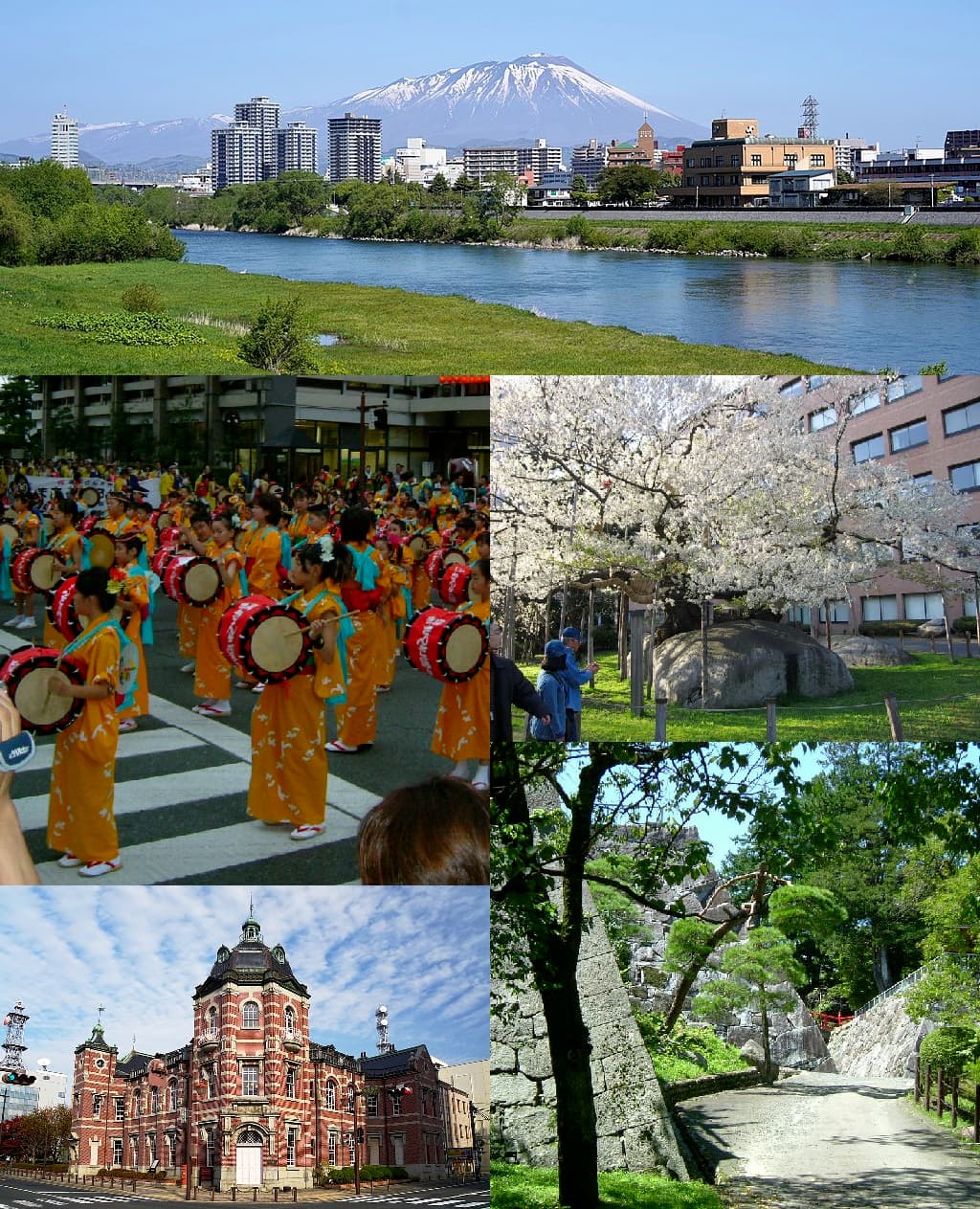
Uma cerejeira, estimada entre 350 e 400 anos, desafia as expectativas ao emergir diretamente de uma rocha colossal de granito.
Em Morioka, uma refeição de macarrão soba pode se transformar em um espetáculo animado e competitivo, com um garçom reabastecendo continuamente sua tigela.
Descubra cada segredo de Morioka
Cada endereço, cada revelação na íntegra — no seu ouvido, exatamente onde aconteceu.
Você escolhe as suas paragens. Você caminha. A voz revela o que os outros perdem.


O seu tour áudio autoguiado de Morioka está pronto — escolha os seus pontos de interesse, selecione o seu idioma e comece no momento em que chegar.
ComprarA Lume inclui um guia de realidade aumentada. Levante o telemóvel: a câmara mostra a rua à sua frente, com uma seta luminosa sobreposta à imagem real que aponta sempre para a sua próxima paragem — sem mapa para decifrar, sem voltas erradas. Como tudo na Lume, funciona totalmente offline.
Morioka, a capital da Prefeitura de Iwate na região de Tohoku, no norte do Japão, convida você a experimentar uma fusão cativante de herança, cultura e esplendor natural. Esta cidade, outrora uma cidade castelo do formidável clã Nambu, fica na confluência dos rios Kitakami e Nakatsu, com o grandioso Monte Iwate formando um pano de fundo dramático. Recentemente reconhecida pelo New York Times como um destino de primeira classe, Morioka oferece um autêntico encontro japonês longe das áreas turísticas mais frequentadas.
A cidade serve como um centro para artesanato tradicional japonês, particularmente sua renomada louça de ferro Nambu Tekki, e é celebrada por seus pratos de macarrão distintos. De lendas antigas tecidas em festivais animados a parques tranquilos e arquitetura histórica, Morioka incentiva a exploração e oferece uma imersão mais profunda na vida local japonesa.
Descobrir Morioka é frequentemente melhor feito a pé ou de bicicleta, pois o centro da cidade é relativamente plano, simplificando a navegação entre suas atrações. Se você for atraído por suas delícias culinárias, locais históricos ou eventos culturais animados, Morioka promete uma jornada gratificante e memorável.
A história de Morioka está profundamente entrelaçada com o influente clã Nambu, que estabeleceu seu domínio nesta extensão ao norte da ilha de Honshu. As origens da cidade remontam ao final do século XVI, quando Nambu Nobunao começou a construir o Castelo de Morioka em 1597. Esta localização estratégica, na confluência de três rios — Kitakami, Shizukuishi e Nakatsu — forneceu defesas naturais e controle sobre vias navegáveis vitais. A construção do castelo foi concluída em 1633 sob seus sucessores, e uma cidade castelo (jokamachi) gradualmente floresceu ao seu redor, formando a base da Morioka moderna.
Ao longo do período Edo (1603-1868), Morioka prosperou como um centro de artesanato e cultura. Ganhou particular renome em todo o Japão por sua louça de ferro Nambu Tekki, uma tradição que continua a moldar a identidade cultural e a economia da cidade. Outras tradições artesanais, como tingimento de tecidos, também se desenvolveram durante essa era, atraindo mercadores e artesãos para a cidade.
A Restauração Meiji no final do século XIX trouxe transformações significativas, abolindo o sistema feudal. Embora o Castelo de Morioka tenha sido desmontado em 1874, suas impressionantes muralhas de pedra e fossos foram preservados e agora fazem parte do Parque Iwate, um espaço público desde 1906. Em 1889, Morioka formalmente obteve o status de cidade e tornou-se o núcleo administrativo da Prefeitura de Iwate. A cidade adaptou-se rapidamente, desenvolvendo infraestrutura moderna e instituições públicas.
Um momento crucial na narrativa moderna de Morioka foi a inauguração da linha de trem de alta velocidade Tohoku Shinkansen em 1982. Isso reduziu drasticamente o tempo de viagem para Tóquio para pouco mais de duas horas, impulsionando substancialmente o turismo e a atividade comercial e cimentando o papel de Morioka como um importante centro de transporte para a região norte de Tohoku. Em 2008, Morioka foi designada uma "Cidade Central" do Japão, concedendo-lhe maior autonomia no planejamento urbano, educação e saúde, estabelecendo ainda mais sua liderança econômica e cultural na prefeitura. A paisagem arquitetônica da cidade reflete essa rica herança, misturando seu layout da era feudal com elegantes edifícios de estilo ocidental da era Meiji e estruturas contemporâneas.
Morioka é o local de nascimento ou lar de várias figuras distintas que deixaram sua marca na história e cultura japonesas. Hara Takashi (1856–1921), o 19º Primeiro-Ministro do Japão, nasceu em Morioka e tornou-se o primeiro plebeu e cristão a ocupar o cargo. Sua liderança marcou uma transição significativa em direção à política partidária.
O patrimônio cultural da cidade também é evidente em seus festivais distintos, como o Morioka Sansa Odori, que comemora uma lenda local de um demônio banido do Santuário Mitsuishi. Outro evento único é o festival Chagu Chagu Umakko, onde cavalos elaboradamente adornados desfilam pela cidade, uma tradição que começou há mais de 200 anos para conceder aos cavalos de trabalho um dia de descanso e rezar por seu bem-estar. Esses festivais, juntamente com sua celebrada louça de ferro Nambu Tekki e pratos de macarrão distintos, sublinham a identidade cultural duradoura de Morioka.
Comece sua exploração no Parque do Sítio do Castelo de Morioka, também conhecido como Parque Iwate. Embora o castelo em si tenha sido desmontado, as muralhas de pedra e os fossos bem preservados oferecem uma conexão tangível com o passado feudal de Morioka. O parque se transforma em uma exibição animada durante a temporada de flores de cerejeira na primavera e com a folhagem de outono no outono.
Nas proximidades do parque, descubra o Santuário Sakurayama, um local cênico que remonta a 1749. Atrás do santuário principal fica uma rocha colossal que se diz assemelhar a um capacete de samurai, simbolizando o papel protetor do santuário sobre a antiga cidade castelo. Uma curta caminhada do parque leva a Morioka Hachimangu, um santuário significativo com amplos terrenos, que sedia vários festivais anuais.
Um dos espetáculos naturais mais cativantes de Morioka é a Ishiwari-zakura, ou Árvore de Flor de Cerejeira que Divide a Rocha, localizada nos terrenos do Tribunal Distrital de Morioka. Esta cerejeira de aproximadamente 380 anos cresce dramaticamente a partir de uma rocha de granito maciça, um testemunho de resistência.
Para ter um vislumbre da profunda herança artesanal de Morioka, visite o Edifício de Tijolos Vermelhos do Banco de Iwate. Projetado por Tatsuno Kingo, que também projetou a Estação de Tóquio, sua fachada eclética de tijolos vermelhos e ardósia cinza é um exemplo notável da influência ocidental na arquitetura da era Meiji. Mergulhe ainda mais na arte local na Morioka Handi-Works Square, onde você pode encontrar cerca de 4.000 produtos locais, incluindo a celebrada louça de ferro Nambu Tekki, e até mesmo tentar a sua mão na fabricação de artesanato.
Nenhuma visita a Morioka está completa sem provar seus renomados "Três Grandes Macarrões": Wanko Soba, Morioka Reimen e Morioka Jajamen. Cada um oferece uma jornada culinária distinta, desde as porções interativas e intermináveis de Wanko Soba até o Morioka Reimen frio e picante e o Jajamen salgado à base de missô.
Morioka é um destino durante todo o ano, com cada estação apresentando um encanto diferente. Os meses de primavera de abril e maio são ideais para experimentar as flores de cerejeira, que geralmente atingem o pico de meados a final de abril. O Festival de Sakura de Morioka no Parque das Ruínas do Castelo de Morioka apresenta flores noturnas iluminadas, criando uma atmosfera encantadora.
O outono (outubro e novembro) traz temperaturas amenas e folhagem vibrante, perfeita para atividades ao ar livre e caminhadas cênicas. O verão (junho a agosto) pode ser quente e úmido, mas é quando Morioka ganha vida com grandes festivais como o Chagu Chagu Umakko em junho e o Morioka Sansa Odori no início de agosto. O inverno (dezembro a fevereiro) é frio com neve, oferecendo oportunidades para esportes de inverno e festivais locais como o Festival de Neve de Iwate, perto de Morioka.
Morioka é facilmente acessível pela linha Tohoku Shinkansen de Tóquio, com a viagem durando aproximadamente 2,5 horas. A Estação de Morioka serve como um centro conveniente, conectando as linhas JR com trens locais. O centro da cidade é relativamente plano, tornando caminhadas e ciclismo excelentes maneiras de explorar. Bicicletas de aluguel estão disponíveis em toda a cidade.
O Iene Japonês (JPY) é a moeda local. Embora muitas atrações estejam a uma curta distância a pé da Estação de Morioka ou do centro da cidade, ônibus locais também estão disponíveis. Para aqueles que planejam visitar atrações mais distantes, passeios de ônibus programados operam de abril a novembro. Considere um Japan Rail Pass se você antecipar viagens extensas de trem. Morioka oferece uma variedade de opções de acomodação, desde hotéis de negócios perto da estação até ryokans mais refinados em áreas como Tsunagi Onsen.
Morioka — coreano, chinês, hebraico e mais 29 idiomas, cada parada narrada por uma voz nativa. A maior variedade de idiomas entre os passeios de áudio autoguiados.
Disponível em: