Piazza Rossa
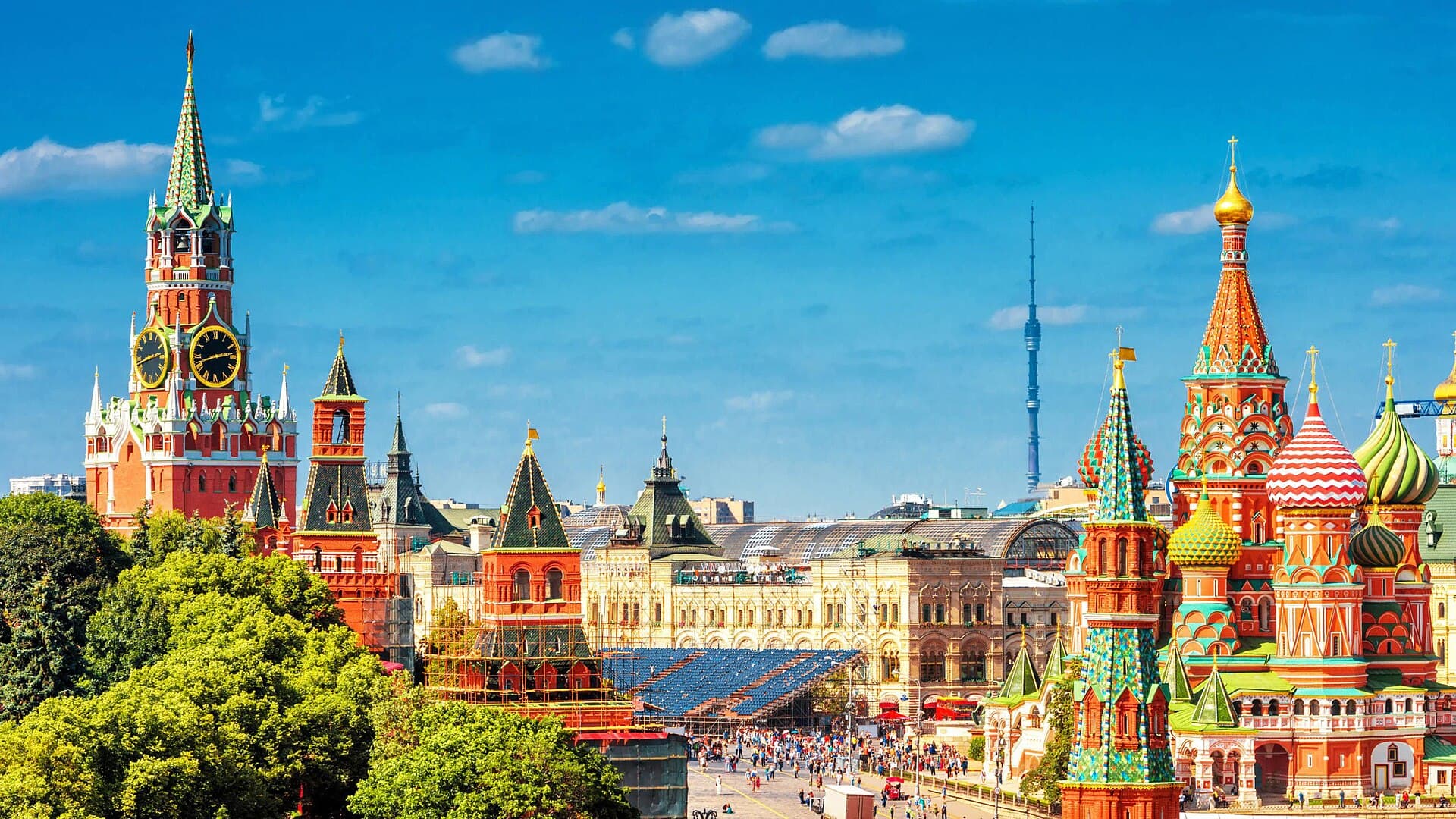
L'iconica Piazza Rossa non è sempre stata così rossa, né è sempre stata una piazza.
La storia completa si sblocca nel tour
 U.S. Department of State / Public domain, via Wikimedia Commons
Tour audio autoguidato di Mosca — percorso GPS a piedi, riproduzione offline, narrazione coinvolgente in 32 lingue.
“Oltre le cupole dorate, una città di storie stratificate.”
Non le cartoline. Le storie che nemmeno i locali conoscono — sussurrate nel tuo orecchio, proprio dove sono accadute.
L'iconica Piazza Rossa non è sempre stata così rossa, né è sempre stata una piazza.
Sotto le vivaci strade di Mosca si trova una rete segreta di tunnel, molto più profonda ed estesa della metropolitana pubblica.
Il design colorato e stravagante della Cattedrale di San Basilio suggerisce un'origine più oscura e pragmatica di quanto il suo aspetto da fiaba potrebbe indicare.
Scopri ogni segreto di Mosca
Ogni indirizzo, ogni rivelazione completa — nel tuo orecchio, proprio dove è accaduta.
Scegli le tue tappe. Cammini. La voce rivela ciò che gli altri perdono.
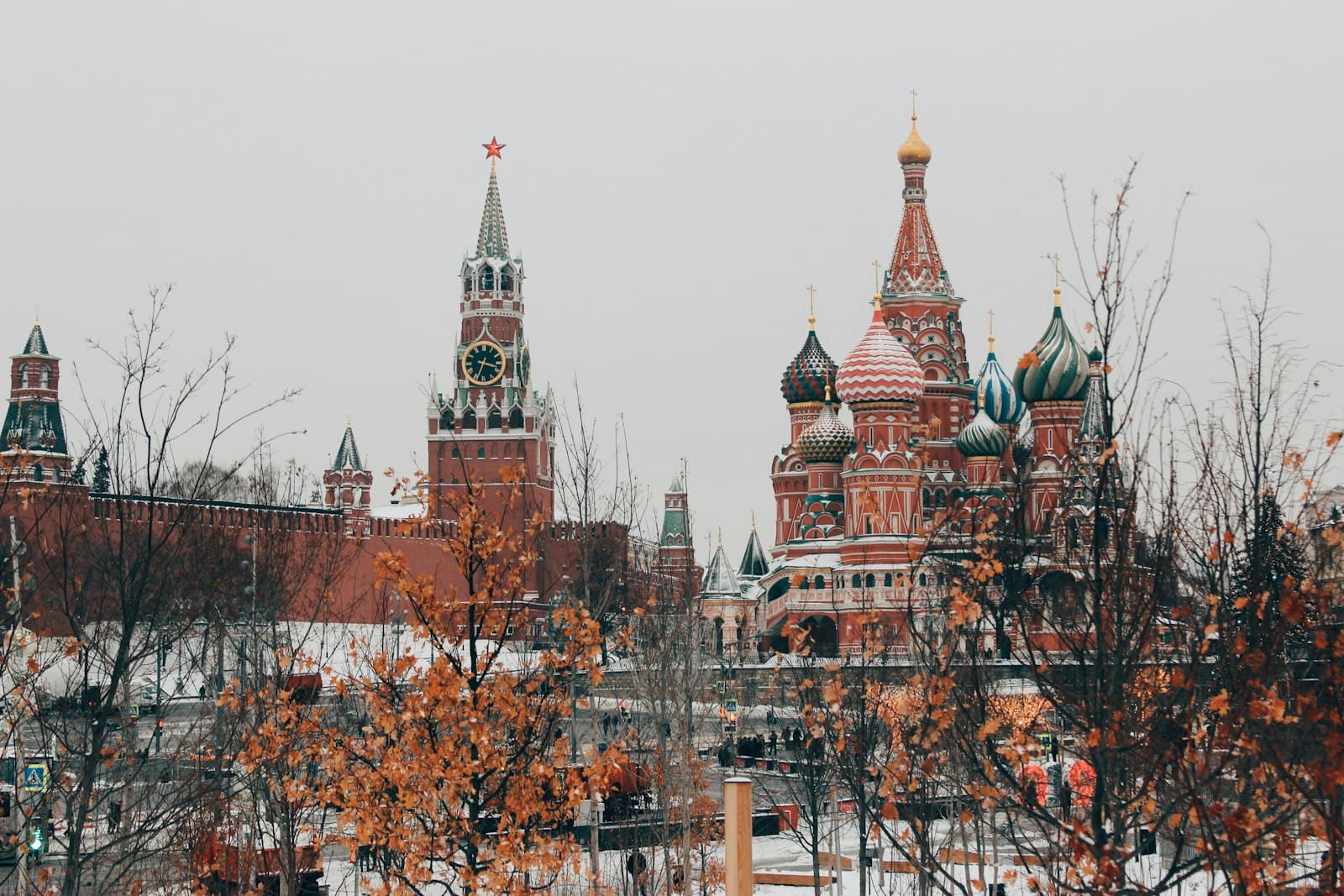
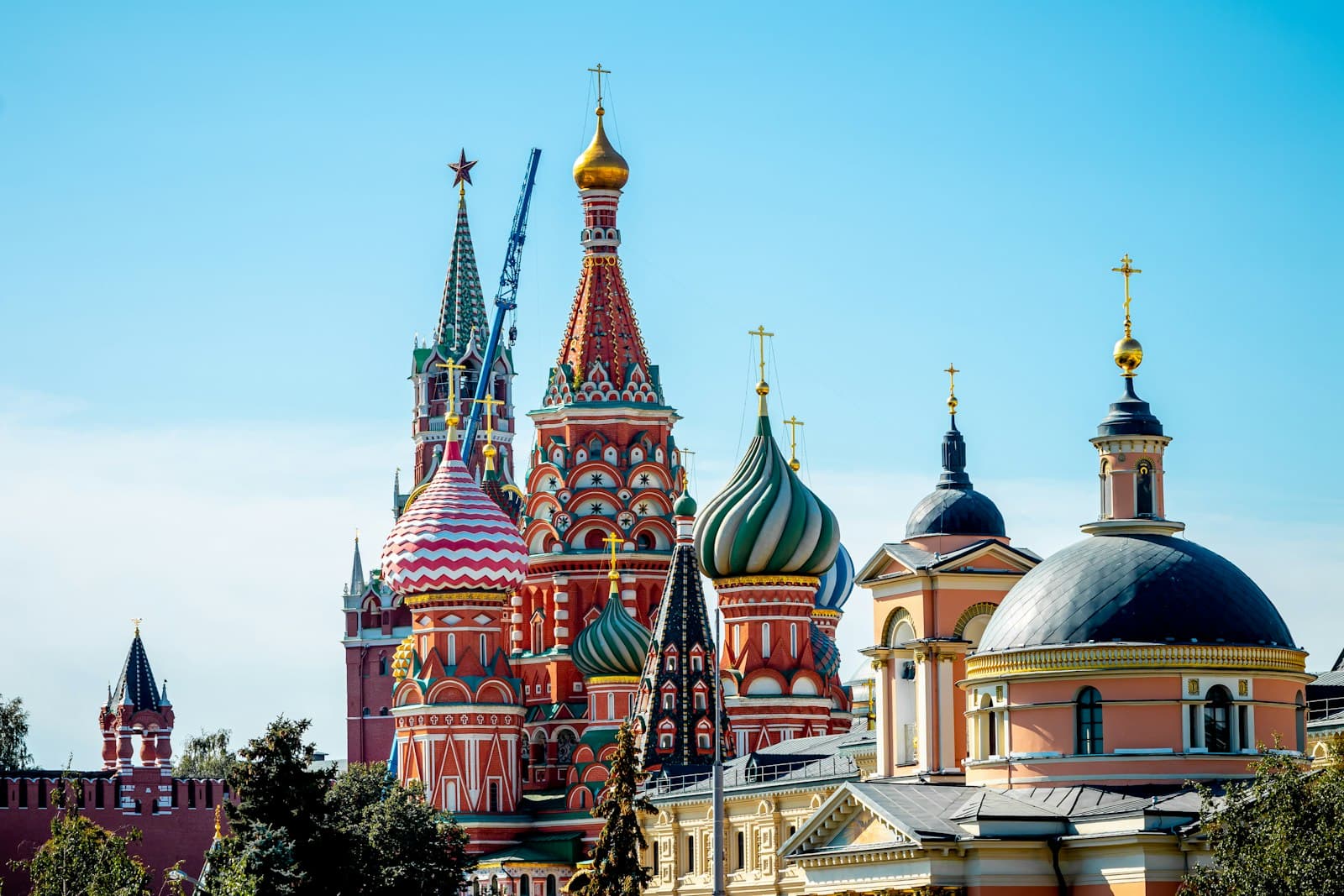
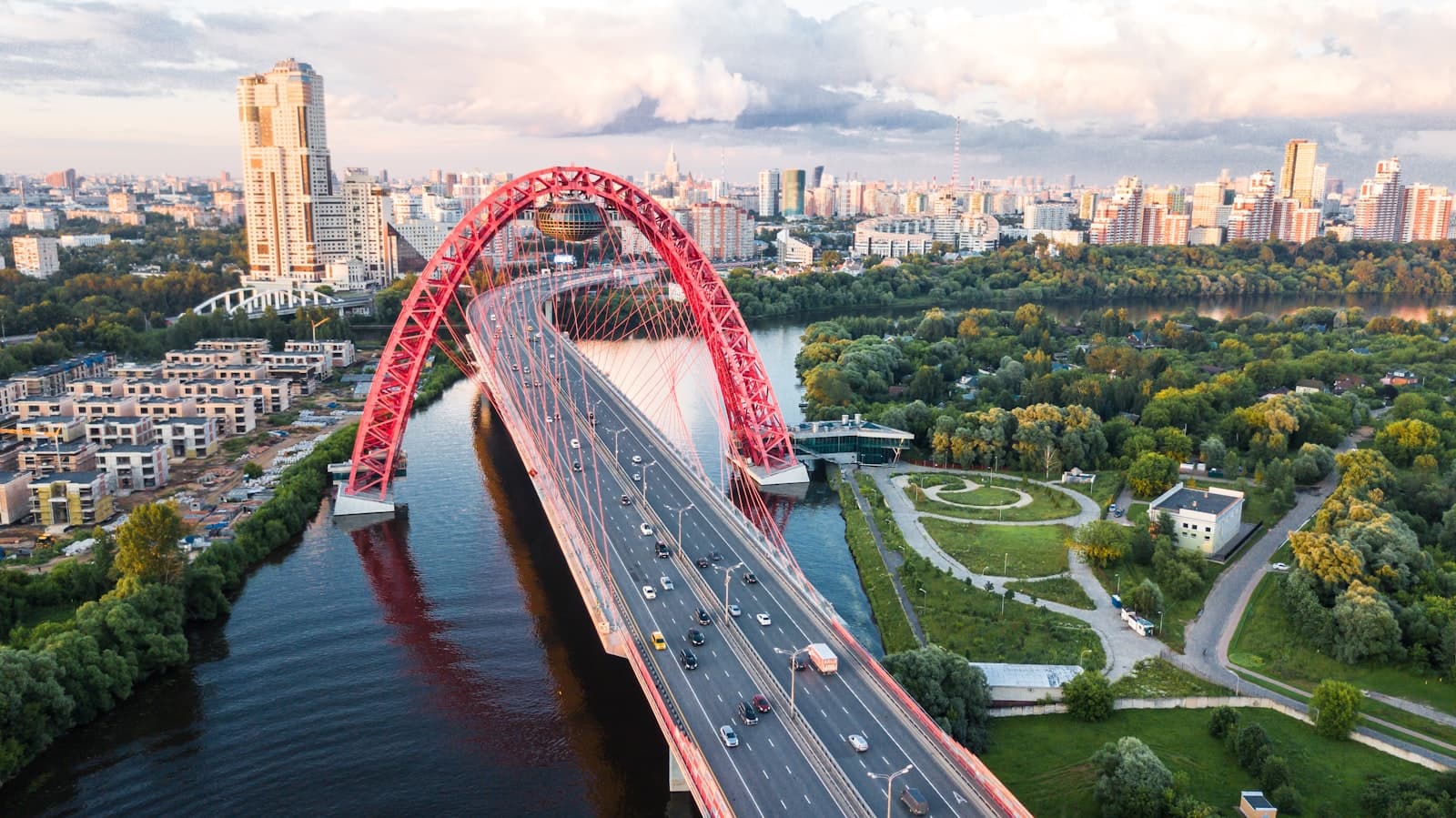
Il tuo tour audio autoguidato di Mosca è pronto — scegli i tuoi punti di interesse, seleziona la tua lingua e inizia nel momento in cui arrivi.
AcquistaLume include una guida in realtà aumentata. Alza il telefono: la fotocamera mostra la strada davanti a te, con una freccia luminosa sovrapposta all'immagine reale che punta sempre verso la tua prossima tappa — nessuna mappa da decifrare, nessuna svolta sbagliata. Come tutto in Lume, funziona completamente offline.
Mosca, l'espansiva capitale della Russia, è una città che attira l'attenzione. Il suo skyline presenta un drammatico gioco di cupole a cipolla storiche, grattacieli stalinisti e moderne torri di vetro, ognuna che narra un pezzo della sua complessa storia. Dalle antiche mura del Cremlino ai grandi viali, Mosca è un luogo di gesti ampi e dettagli intricati, dove ogni angolo racchiude una storia.
Questa è una città che ha assistito a secoli di eventi cruciali, dall'ascesa degli zar all'era sovietica, e la sua architettura e cultura riflettono questo passato stratificato. Eppure, Mosca è anche una metropoli lungimirante, un centro di arte, moda e innovazione, che si reinventa costantemente onorando il suo patrimonio. Preparati a essere immerso in una città di contrasti, dove tradizione e modernità coesistono in una danza affascinante.
## Dal Forte di Legno alla Capitale Imperiale Le origini di Mosca risalgono al XII secolo, menzionata per la prima volta nelle cronache nel 1147 come un modesto forte di legno. Strategicamentre situata sulle rotte commerciali, crebbe costantemente in importanza, diventando la capitale del Granducato di Mosca e infine il centro di uno stato russo unificato. Il Cremlino, inizialmente una palizzata di legno, si evolse in una formidabile fortezza di pietra, simboleggiando il crescente potere della città.
## L'Ascesa degli Zar e il Cambiamento Imperiale Sotto Ivan il Grande, alla fine del XV secolo, Mosca iniziò veramente a fiorire, con la costruzione di importanti cattedrali e palazzi all'interno delle mura del Cremlino. Il XVI secolo vide il regno di Ivan il Terribile e il completamento della Cattedrale di San Basilio, consolidando ulteriormente la prominenza architettonica e politica di Mosca. Tuttavia, all'inizio del XVIII secolo, Pietro il Grande spostò la capitale a San Pietroburgo, inaugurando un periodo in cui Mosca, pur rimanendo culturalmente significativa, perse il suo primato politico.
## Era Sovietica e Mosca Moderna Dopo la Rivoluzione d'Ottobre del 1917, Mosca fu reintegrata come capitale della Russia Sovietica e successivamente dell'Unione Sovietica. Questo periodo portò un'immensa trasformazione, con ambiziosi progetti architettonici, tra cui la metropolitana di Mosca e i grattacieli delle 'Sette Sorelle', che rimodellarono il paesaggio della città. La Seconda Guerra Mondiale vide Mosca come un cruciale obiettivo strategico, subendo un brutale assedio. Dopo il crollo dell'Unione Sovietica nel 1991, Mosca entrò in una nuova era, abbracciando riforme di mercato e sperimentando una rapida modernizzazione, diventando la vivace metropoli globale che è oggi.
Inizia la tua esplorazione in Piazza Rossa, il cuore storico di Mosca, fiancheggiata dalle colorate cupole della Cattedrale di San Basilio, dal solenne Mausoleo di Lenin e dallo storico grande magazzino GUM. Avventurati nel Cremlino, patrimonio mondiale dell'UNESCO, per scoprire le sue cattedrali, i palazzi e la Camera dell'Armeria, sede di una sfolgorante collezione di tesori imperiali.
Scendi nella metropolitana di Mosca, un capolavoro architettonico in sé, con molte stazioni adornate da lampadari, mosaici e sculture. Per gli amanti dell'arte, la Galleria Tret'jakov ospita una collezione impareggiabile di arte russa, che abbraccia secoli. Fai una passeggiata nel Parco Gorky, un vasto spazio verde che offre svago ed eventi culturali. Cerca le viste panoramiche dalle Colline dei Passeri, che offrono una vista mozzafiato sulla città.
Il periodo migliore per visitare Mosca è tra la tarda primavera (maggio-giugno) e l'inizio dell'autunno (settembre-ottobre). Questi mesi offrono temperature piacevoli e meno folla rispetto all'alta stagione estiva. Gli inverni (novembre-aprile) sono indubbiamente freddi con abbondanti nevicate, ma la città si trasforma in un magico paese delle meraviglie festivo, specialmente durante le vacanze.
Mosca è servita da tre principali aeroporti internazionali: Sheremetyevo (SVO), Domodedovo (DME) e Vnukovo (VKO). Il treno Aeroexpress fornisce collegamenti efficienti e diretti da tutti gli aeroporti al centro città. La metropolitana di Mosca è il modo più efficiente per spostarsi in città, con un'ampia copertura e treni frequenti. Taxi e app di ride-sharing sono anch'essi ampiamente disponibili. Il Rublo russo (RUB) è la valuta locale. Sebbene alcuni esercizi più grandi accettino carte, è consigliabile portare contanti per piccoli acquisti.
Mosca — coreano, cinese, ebraico e altre 29 lingue, ogni tappa narrata da una voce madrelingua. La più ampia scelta di lingue tra i tour audio autoguidati.
Disponibile in: