Старый Моши
История названия города — это не только гора.
Полная история открывается в туре
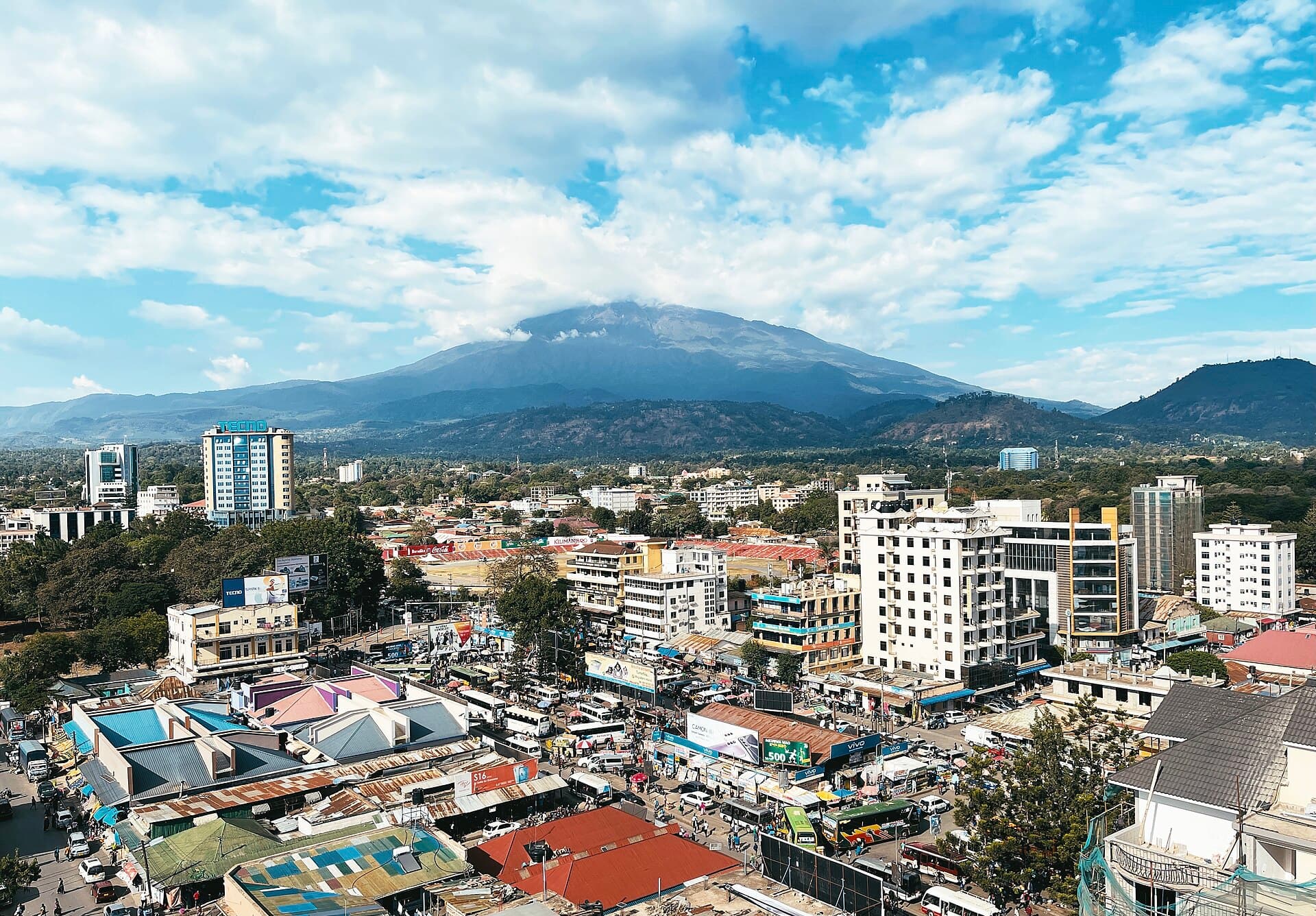 Photo of Arusha, via Wikimedia Commons
Самостоятельная аудиопрогулка по Моши — GPS-маршрут, офлайн-воспроизведение, увлекательное повествование на 32 языках.
“Где тень Килиманджаро встречается с ароматом кофе и тихой историей.”
Не открытки. Истории, которые не знают даже местные жители — шепотом в вашем ухе, прямо там, где они произошли.
История названия города — это не только гора.
Зеленый оазис здесь предлагает панораму, которая заставит вас отложить удар.
Это не обычные горячие источники; вас ждет естественный педикюр.
Откройте для себя каждый секрет Моши
Каждый адрес, каждое полное раскрытие — в вашем ухе, прямо там, где это произошло.
Вы выбираете остановки. Вы гуляете. Голос раскрывает то, что упускают другие.


Ваш самостоятельный аудиотур по Моши готов — выберите свои достопримечательности, выберите свой язык и начните в момент прибытия.
КупитьВ Lume встроен гид дополненной реальности. Поднимите телефон: камера показывает улицу перед вами, а поверх реального изображения светится стрелка, всегда указывающая на вашу следующую остановку — не нужно разбираться с картой и сворачивать не туда. Как и всё в Lume, это работает полностью офлайн.
Моши, город на севере Танзании, расположен у подножия горы Килиманджаро, самой высокой вершины Африки. На высоте от 700 до 950 метров над уровнем моря он предлагает постоянные виды на гору, часто скрытую облаками или туманом. Известный как один из самых чистых городов Танзании, Моши обладает спокойной атмосферой и населением около 221 733 человек.
Город служит основным воротами для тех, кто отправляется в экспедиции по восхождению на Килиманджаро, но он предлагает гораздо больше, чем просто отправную точку. Моши окружен плодородной вулканической почвой и питается пресной водой с ледников Килиманджаро, что поддерживает пышную растительность и разнообразие птиц и бабочек. Его приятная погода круглый год, глубокая культура чагга и доступ к природным достопримечательностям, таким как водопады и горячие источники, делают его самостоятельным направлением.
## Колониальные корни и выращивание кофе Ранняя история Моши тесно связана с немецкой колонизацией, начавшейся в конце XIX века. Немецкие колонисты основали кофейные фермы и плантации у подножия Килиманджаро, что способствовало расширению города. В 1893 году в Моши был построен военный лагерь. В 1912 году в Моши достигла северная линия железной дороги, соединившая его с Тангой через железную дорогу Усамбара и еще больше укрепившая его значение как коммерческого центра.
В 1893 году римско-католические миссионеры завезли выращивание кофе арабика в регион Моши. В 1929 году был основан Кооперативный союз коренных жителей Килиманджаро (KNCU), чтобы помочь производителям кофе чагга конкурировать на мировых рынках. KNCU продолжает играть значительную роль, собирая кофе из 96 деревенских обществ, представляющих более 150 000 мелких фермеров, и обрабатывая значительную часть производства арабики в этом районе.
## Смена власти и сохранившаяся архитектура После Первой мировой войны Танганьика, включая Моши, стала британским мандатом. Британцы взяли на себя контроль после Второй мировой войны и оставались до обретения Танзанией независимости в 1961 году. Сегодня Моши сохранил большую часть своей колониальной архитектуры; многие исторические здания были преобразованы в рестораны, отели и предприятия, что добавляет городу характера.
## Народ чагга и ранние поселения Исторически название «Моши» связано с народом чагга, одним из крупнейших племен Танзании, который жил в деревнях на склонах Килиманджаро, таких как Кибошо, Матеруни и Шимбве. Старый Моши, расположенный к северу от нынешнего города, считается колыбелью цивилизации чагга и свидетельствует о культуре, насчитывающей более 200 лет. Трагическое событие, известное как Великая казнь в Старом Моши, произошло в 1900 году, когда вождь чагга Мели и другие были казнены немцами за сопротивление вторжению. На месте казни сейчас стоит памятник.
Моши предлагает разнообразные впечатления, помимо роли базы для Килиманджаро. Водопад Матеруни — популярная достопримечательность, доступная по живописной тропе через банановые и кофейные плантации и традиционные деревни чагга. Водопад низвергается примерно на 80 метров в освежающий природный бассейн. Совместите это с традиционным туром по кофе в деревне Матеруни, чтобы узнать о выращивании кофе от зерна до чашки.
Для отдыха горячие источники Чемка, также известные как горячие источники Кикулетва, предлагают кристально чистые геотермальные бассейны, окруженные пальмами и фиговыми деревьями. Эти теплые воды идеально подходят для купания и отдыха. Исследуйте Центральный рынок Моши, чтобы получить аутентичное представление о повседневной жизни Танзании, где продаются местные продукты, свежие фрукты и овощи, а также изделия ручной работы.
Другие мероприятия включают посещение озера Чала, кратерного озера, образовавшегося более 250 000 лет назад, глубиной около 100 метров. Вы также можете открыть для себя подземные пещеры чагга в Марангу, древние туннели, использовавшиеся как укрытия во время междоусобных конфликтов более 200 лет назад.
Лучшее время для посещения Моши — сухие сезоны, с декабря по март или с июня по октябрь. В эти периоды погода суше и прохладнее, с ясным небом, что обеспечивает отличную видимость горы Килиманджаро. Это идеально подходит для треккинга по Килиманджаро и сафари в близлежащих национальных парках. Январь и февраль теплые и сухие, а с июня по октябрь прохладнее.
Сезоны дождей приходятся на ноябрь — середину декабря (короткие дожди) и апрель — май (длинные дожди). Хотя в эти периоды ландшафты становятся пышными и зелеными, тропы могут быть грязными, а гора часто окутана облаками, что делает активный отдых менее привлекательным.
Моши — относительно небольшой муниципалитет, занимающий около 59 квадратных километров. В центре города, особенно на улицах Аруша и Мавензи в Старом Моши, сосредоточены большинство магазинов, туристических компаний, кафе и предприятий. Основной язык — суахили, но многие люди на улицах также говорят по-английски.
Передвигаться по Моши можно на местном транспорте, таком как даладала (миниавтобусы) или такси. Поездка в такие места, как горячие источники Кикулетва, на такси может стоить около 70 000 танзанийских шиллингов (примерно 25 фунтов стерлингов), что может быть экономичнее организованных туров. Климат Моши мягкий круглый год благодаря его высоте, но будьте готовы к более прохладным ночам, особенно если планируете восхождение на Килиманджаро.
Моши: корейский, китайский, иврит и ещё 29 языков — каждую остановку озвучивает носитель языка. Самый широкий выбор языков среди аудиоэкскурсий без гида.
Доступные языки: