Рынок Мвалони
Среди оживленных прилавков главного рыбного рынка Мванзы часто появляется удивительный пернатый житель.
Полная история открывается в туре
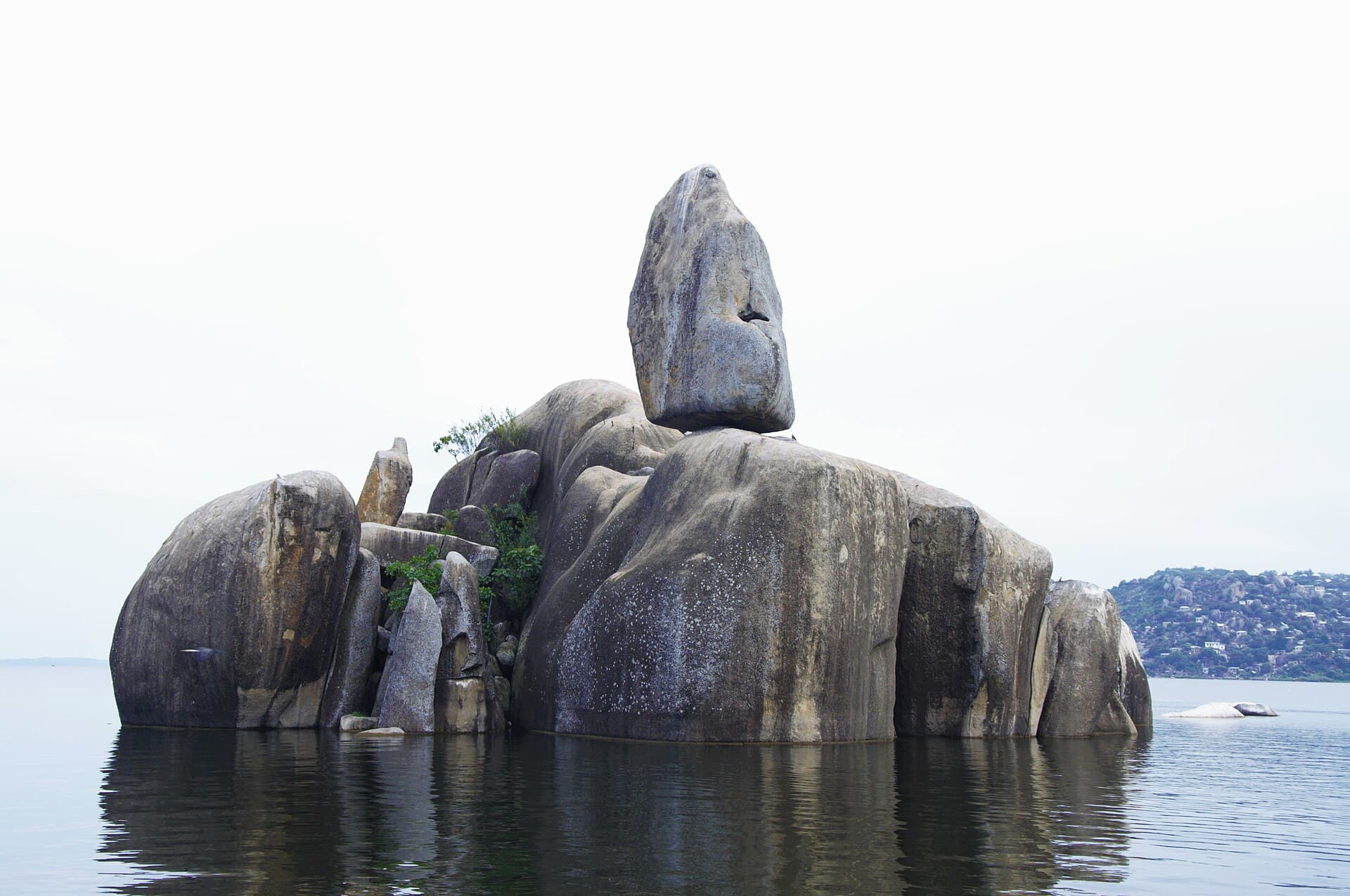 Prof.Chen Hualin / CC BY-SA 4.0, via Wikimedia Commons
Самостоятельная аудиопрогулка по Мванза — GPS-маршрут, офлайн-воспроизведение, увлекательное повествование на 32 языках.
“Где гранитные гиганты встречаются с величайшим озером Африки.”
Не открытки. Истории, которые не знают даже местные жители — шепотом в вашем ухе, прямо там, где они произошли.
Среди оживленных прилавков главного рыбного рынка Мванзы часто появляется удивительный пернатый житель.
Танзанийский шиллинг, как и многие валюты, демонстрирует значимые национальные символы, однако одна достопримечательность Мванзы занимает особое место на определенной банкноте.
Помимо традиционных жилищ и инструментов, Музей Сукума когда-то хранил лингвистический секрет, используемый исключительно определенными группами.
Откройте для себя каждый секрет Мванза
Каждый адрес, каждое полное раскрытие — в вашем ухе, прямо там, где это произошло.
Вы выбираете остановки. Вы гуляете. Голос раскрывает то, что упускают другие.

Ваш самостоятельный аудиотур по Мванза готов — выберите свои достопримечательности, выберите свой язык и начните в момент прибытия.
КупитьВ Lume встроен гид дополненной реальности. Поднимите телефон: камера показывает улицу перед вами, а поверх реального изображения светится стрелка, всегда указывающая на вашу следующую остановку — не нужно разбираться с картой и сворачивать не туда. Как и всё в Lume, это работает полностью офлайн.
Мванза, часто называемый «Город Скал», является вторым по величине гороком Танзании и процветающим портом на южном берегу озера Виктория, крупнейшего пресноводного озера Африки. Топография города сформирована драматическими гранитными валунами, некоторые из которых сбалансированы с поразительной точностью, выступающими из земли и озера, что придает Мванзе его уникальное прозвище. Этот городской центр является значительным экономическим двигателем, движимым рыболовством, сельским хозяйством, горнодобывающей промышленностью и торговлей, а также служит воротами в Зону Озера и западный коридор национального парка Серенгети.
Мванза представляет собой смесь природного великолепия, глубокого культурного наследия и ритмов повседневной танзанийской жизни. Путешественники могут ощутить энергичный пульс его рынков, исследовать колониальную архитектуру и погрузиться в обычаи народа сукума, самой многочисленной этнической группы Танзании. Расслабленная атмосфера города в сочетании с его отличительными геологическими образованиями и расположением на берегу озера предлагает подлинный восточноафриканский опыт для тех, кто ищет подлинного культурного погружения и обширных видов.
История Мванзы тесно связана с его стратегическим расположением на озере Виктория. До прибытия европейцев эту территорию населяли различные этнические группы, в основном народ сукума, который является крупнейшим и одним из старейших племен Танзании. Устные предания предполагают, что народы банту поселились недалеко от современного Мванзы около 1500 года. К XIX веку арабские и суахилийские торговцы проложили торговые пути в бассейн озера Виктория, используя Мванзу как порт для товаров, направляющихся в Уганду.
Современная эпоха города началась в 1892 году, когда немецкие колониальные власти под руководством Эмина-паши основали административный пост для надзора за экспортом хлопка. Это событие ознаменовало официальное основание Мванзы, предшествовавшее Найроби на семь лет. Немцы быстро оценили полезность Мванзы как порта, построив железнодорожную станцию для облегчения добычи ресурсов и внедрив товарные культуры, такие как хлопок, которые изменили местную экономику. Колониальные постройки этого периода до сих пор видны в центре города.
После Первой мировой войны управление перешло к британцам. Экономический рост Мванзы ускорился после открытия месторождений золота в 1920-х годах и строительства железной дороги в 1928 году, соединившей его с Таборой, а затем с портом Дар-эс-Салама. Это значительно упростило экспорт сельскохозяйственной продукции. В 1953 году Мванза получил статус городского совета, а в 1980 году стал муниципалитетом. Президент Бенджамин Мкапа присвоил Мванзе статус города в 2000 году, сделав его вторым городом в Танзании после Дар-эс-Салама.
На протяжении всего своего существования Мванза был многокультурным центром, где коренные народы сукума жили бок о бок с арабскими, индийскими и европейскими общинами. Это разнообразие отражается в яркой культурной ткани города, включающей музыку, танцы, фестивали и кухню.
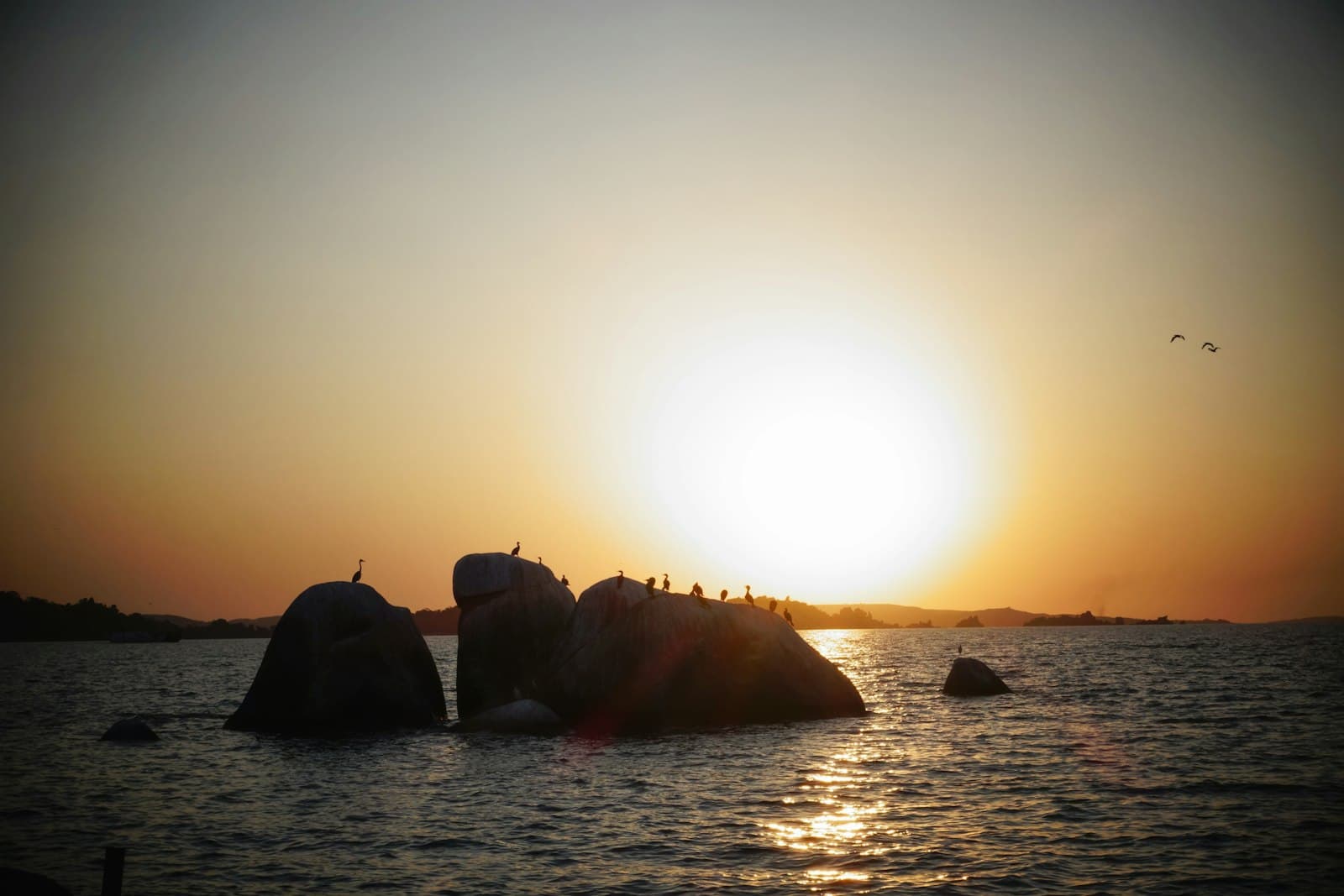
Мванза, известный как «Город Скал», предлагает ряд достопримечательностей, освещающих его природное великолепие и культурную глубину. Знаменитая Скала Бисмарка, массивное балансирующее скальное образование, возвышается над озером Виктория и служит излюбленным местом для фотографий, особенно на закате. Сам город усеян драматическими гранитными валунами, предоставляющими многочисленные смотровые площадки с обширными видами на город и озеро.
Короткая поездка на лодке из центра города приведет вас в национальный парк острова Саанане, самый компактный национальный парк Танзании. Этот остров-заповедник предлагает маркированные тропы, возможности для наблюдения за птицами, а также встречи с обезьянами и антилопами. Для более глубокого изучения местной культуры Музей Сукума в культурном центре Буджора, расположенный в 30 минутах езды от Мванзы, хранит наследие народа сукума через ремесла, музыку и танцы.
Рынки Мванзы предлагают увлекательный опыт. Центральный рынок Мванзы (Soko la Mwanza) — это оживленный центр свежих продуктов, сушеной рыбы, подержанной одежды и местных ремесел. Рынок Мвалони, главный рыбный рынок города, предоставляет увлекательный взгляд на местную жизнь и торговлю нильским окунем и тилапией. Кроме того, на улицах города развивается стрит-арт сцена, с фресками и граффити, отражающими местную культуру в таких районах, как Исамило и Бвиру.
Лучшее время для посещения Мванзы — сухой сезон, который длится с июня по октябрь. В эти месяцы можно ожидать ясного неба и умеренных температур, обычно от 20 до 25°C (68-77°F), что делает его отличным для активного отдыха, такого как пешие прогулки и исследование озера Виктория. Самый загруженный период для путешественников приходится на июль и август, поэтому в популярных местах может быть больше людей. В то время как сезон дождей с ноября по май приносит пышные пейзажи и меньше посетителей, сильные дожди и влажность могут повлиять на планы поездок и состояние дорог.
Официальной валютой в Мванзе является танзанийский шиллинг (TZS). Хотя ранее широко принимались доллары США, евро и фунты стерлингов, постановления, принятые в марте 2025 года, запрещают предприятиям взимать плату в иностранной валюте за местные транзакции, поэтому крайне важно использовать танзанийские шиллинги. Банкоматы доступны для снятия наличных. Рекомендуется иметь при себе наличные мелкого достоинства для покупок на рынках и местного транспорта.
Общественный транспорт в Мванзе в основном состоит из дала-дала (маршрутных миниавтобусов), которые недороги и следуют по фиксированным маршрутам. Они могут быть переполнены, особенно в часы пик, а маршруты могут быть нечетко обозначены на английском языке. Мототакси (бода-бода) и трехколесные авторикши (тук-туки или баджадж) также распространены для коротких расстояний, при этом тарифы обычно оговариваются заранее. Такси доступны и могут быть заказаны через отели или пойманы на улице; всегда договаривайтесь о тарифе перед началом поездки, так как счетчики встречаются редко.
Хотя Мванза в целом считается умеренно безопасным, особенно днем, разумно проявлять осторожность в людных местах и следить за личными вещами. Избегайте прогулок в одиночку ночью и рассмотрите возможность использования надежных такси для вечерних поездок. Рекомендуется скромная одежда, прикрывающая плечи и колени, из уважения к местным обычаям.
Мванза: корейский, китайский, иврит и ещё 29 языков — каждую остановку озвучивает носитель языка. Самый широкий выбор языков среди аудиоэкскурсий без гида.
Доступные языки: