Little Venice
As casas coloridas de Little Venice, com suas varandas sobre o mar, lembram uma cidade europeia familiar. Mas seu propósito original era muito mais prático do que pitoresco.
História completa desbloqueada no tour
 Pitichinaccio / CC BY 3.0, via Wikimedia Commons
Tour de áudio autoguiado por Mykonos — rota GPS a pé, reprodução offline, narração envolvente em 32 idiomas.
“Onde o vento do Egeu carrega mitos antigos e folia moderna.”
Não os postais. As histórias que nem os locais conhecem — sussurradas ao seu ouvido, exatamente onde aconteceram.
As casas coloridas de Little Venice, com suas varandas sobre o mar, lembram uma cidade europeia familiar. Mas seu propósito original era muito mais prático do que pitoresco.
As ruas sinuosas de Mykonos Town, um labirinto branco deslumbrante, parecem projetadas para encantar os visitantes. No entanto, seu intrincado layout serviu a um propósito estratégico além da estética.
Mykonos é definida por seu terreno dramático e rochoso. De acordo com a mitologia grega antiga, essas imponentes formações de granito não são meras características geológicas.
Descubra cada segredo de Mykonos
Cada endereço, cada revelação na íntegra — no seu ouvido, exatamente onde aconteceu.
Você escolhe as suas paragens. Você caminha. A voz revela o que os outros perdem.


O seu tour áudio autoguiado de Mykonos está pronto — escolha os seus pontos de interesse, selecione o seu idioma e comece no momento em que chegar.
ComprarA Lume inclui um guia de realidade aumentada. Levante o telemóvel: a câmara mostra a rua à sua frente, com uma seta luminosa sobreposta à imagem real que aponta sempre para a sua próxima paragem — sem mapa para decifrar, sem voltas erradas. Como tudo na Lume, funciona totalmente offline.
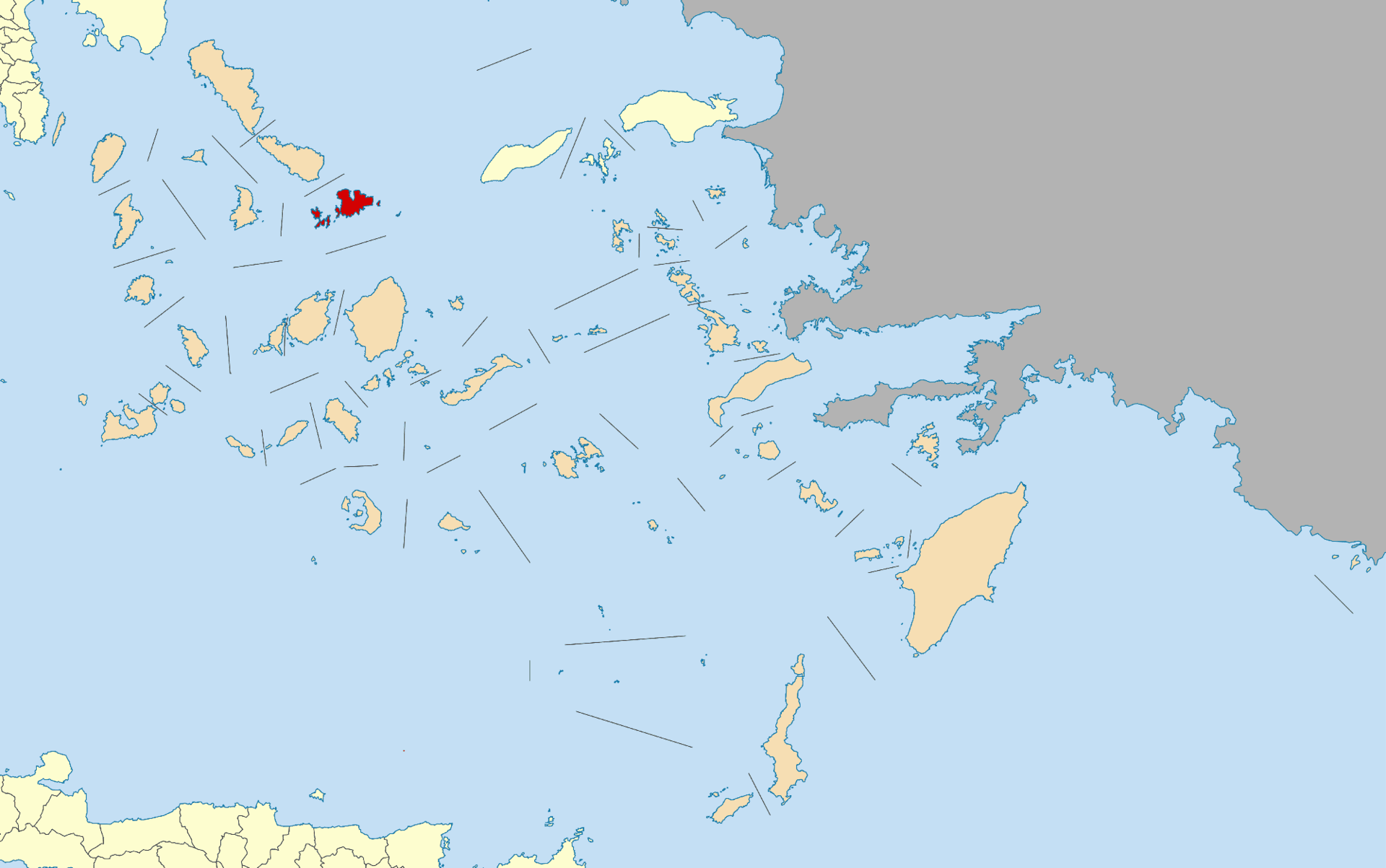
Mykonos, frequentemente chamada de "A Ilha dos Ventos", é uma cativante ilha grega nas Cíclades, conhecida mundialmente como um destino de férias cosmopolita e luxuoso. Sua arquitetura icônica caiada de branco, praias douradas e vida noturna animada atraem visitantes de todo o globo. Além dos clubes de praia agitados e boutiques sofisticadas, Mykonos oferece uma narrativa mais profunda, tecida com mitos antigos e uma história que moldou seu caráter único.
A capital da ilha, Mykonos Town, também conhecida como Chora, é um assentamento pitoresco na costa oeste onde reside a maioria dos 10.704 habitantes da ilha. Aqui, a mistura de charme tradicional das Cíclades e sofisticação moderna cria uma atmosfera sedutora. Desde passear por suas famosas vielas labirínticas até admirar os icônicos moinhos de vento, Mykonos apresenta uma dualidade: um lugar de festa revigorante e beleza serena.
Mykonos ocupa um lugar na mitologia grega como o local da Gigantomaquia, a batalha épica entre Zeus e os Gigantes, onde diz-se que Hércules enterrou os gigantes derrotados sob as rochas da ilha. O próprio nome da ilha acredita-se derivar de Mykonos, filho de Anius e neto do deus Apolo, ou da antiga palavra grega 'mykon', que significa 'pilha de pedras' ou 'lugar rochoso', uma descrição adequada de sua paisagem.
Evidências arqueológicas sugerem que Mykonos foi habitada já no período Neolítico, com jônios de Atenas se estabelecendo por volta do século XI a.C. Na antiguidade, Mykonos era uma ilha relativamente pobre, servindo como um importante ponto de suprimento e trânsito para a vizinha ilha sagrada de Delos. Fez parte da Aliança Ateniense após as Guerras Persas em 478 a.C. A ilha mais tarde esteve sob controle romano e depois bizantino, com fortificações construídas para proteger contra ataques de piratas árabes.
Em 1204, após a Quarta Cruzada, Mykonos foi ocupada por Andrea Ghisi e mais tarde ficou sob domínio direto veneziano em 1390. Os venezianos iniciaram a construção dos famosos moinhos de vento da ilha no século XVI. Em 1537, a ilha sofreu um ataque do almirante otomano Hayreddin Barbarossa, e permaneceu sob influência otomana, embora em grande parte autogovernada, até a Revolução Grega.
Mykonos desempenhou um papel significativo na Revolução Grega de 1821, notavelmente liderada pela heroína nacional Manto Mavrogenous, uma aristocrata educada que sacrificou a fortuna de sua família pela causa. Após a Grécia conquistar a independência em 1830, Mykonos prosperou como um centro comercial. No entanto, o final do século XIX viu um declínio devido à abertura do Canal de Corinto e aos avanços na tecnologia de navegação, levando muitos micônios a buscar oportunidades no exterior.
A transformação moderna da ilha começou na década de 1950, quando artistas, boêmios e, eventualmente, celebridades descobriram seu apelo único, abrindo caminho para sua emergência como um destino turístico internacional de primeira linha.
Mykonos oferece uma gama diversificada de atrações e atividades. Comece vagando pelas vielas estreitas e caiadas de branco de Mykonos Town (Chora), explorando suas boutiques, cafés e galerias de arte. Não perca os icônicos Moinhos de Vento de Mykonos, especialmente os Kato Mili, que se erguem em fila com vista para o mar e oferecem vistas privilegiadas do pôr do sol. A charmosa área de Little Venice, com suas casas coloridas construídas diretamente sobre a água, é outro lugar para ver, perfeito para um coquetel ao pôr do sol.
Para uma dose de história, visite a Igreja de Panagia Paraportiani, uma das igrejas mais famosas e fotografadas da ilha, na verdade um complexo de cinco igrejas. Considere uma viagem de um dia à ilha desabitada vizinha de Delos, um Patrimônio Mundial da UNESCO e um dos sítios arqueológicos mais importantes da Grécia. Mykonos também é celebrada por suas numerosas praias, com opções populares como Super Paradise Beach, Psarou Beach, Elia Beach e Ornos Beach oferecendo areias douradas e águas cristalinas. Alugar um quadriciclo ou carro é uma ótima maneira de explorar os locais mais isolados da ilha.
A melhor época para visitar Mykonos é durante as temporadas intermediárias: de maio a meados de junho ou de setembro a início de outubro. Durante esses meses, o clima é quente e ensolarado, ideal para nadar, e a ilha é animada sem as multidões avassaladoras do pico do verão. Julho e agosto são os meses mais quentes e movimentados, perfeitos para quem busca vida noturna ativa e festas na praia lotadas, mas esteja preparado para preços mais altos e multidões maiores. Para viajantes com orçamento limitado ou aqueles que buscam tranquilidade, o final de abril e outubro podem oferecer bom clima e melhores ofertas, embora alguns estabelecimentos possam estar fechados.
A moeda oficial em Mykonos, e em toda a Grécia, é o Euro (€). Cartões de crédito e débito são amplamente aceitos, mas é aconselhável carregar algum dinheiro para pequenos comerciantes. O idioma oficial é o grego, embora o inglês seja comumente falado em áreas turísticas. Aprender algumas frases básicas em grego como 'Yassas' (olá) e 'Efharisto' (obrigado) pode melhorar suas interações. O Aeroporto Internacional de Mykonos (JMK) está localizado a aproximadamente 4 km a sudeste de Mykonos Town. Táxis, ônibus e carros/quadriciclos alugados estão disponíveis para se locomover pela ilha. A Grécia usa tomadas elétricas Tipo C e Tipo F, com uma voltagem padrão de 230V e uma frequência de 50Hz. Viajantes de países com padrões diferentes precisarão de um adaptador de viagem e possivelmente um conversor de voltagem. Embora a água da torneira em Mykonos seja geralmente considerada segura para escovar os dentes, ela é frequentemente dessalinizada e pode ter um gosto desagradável, então a maioria dos locais e visitantes opta por água engarrafada para beber.
Mykonos — coreano, chinês, hebraico e mais 29 idiomas, cada parada narrada por uma voz nativa. A maior variedade de idiomas entre os passeios de áudio autoguiados.
Disponível em: