Майсурский дворец
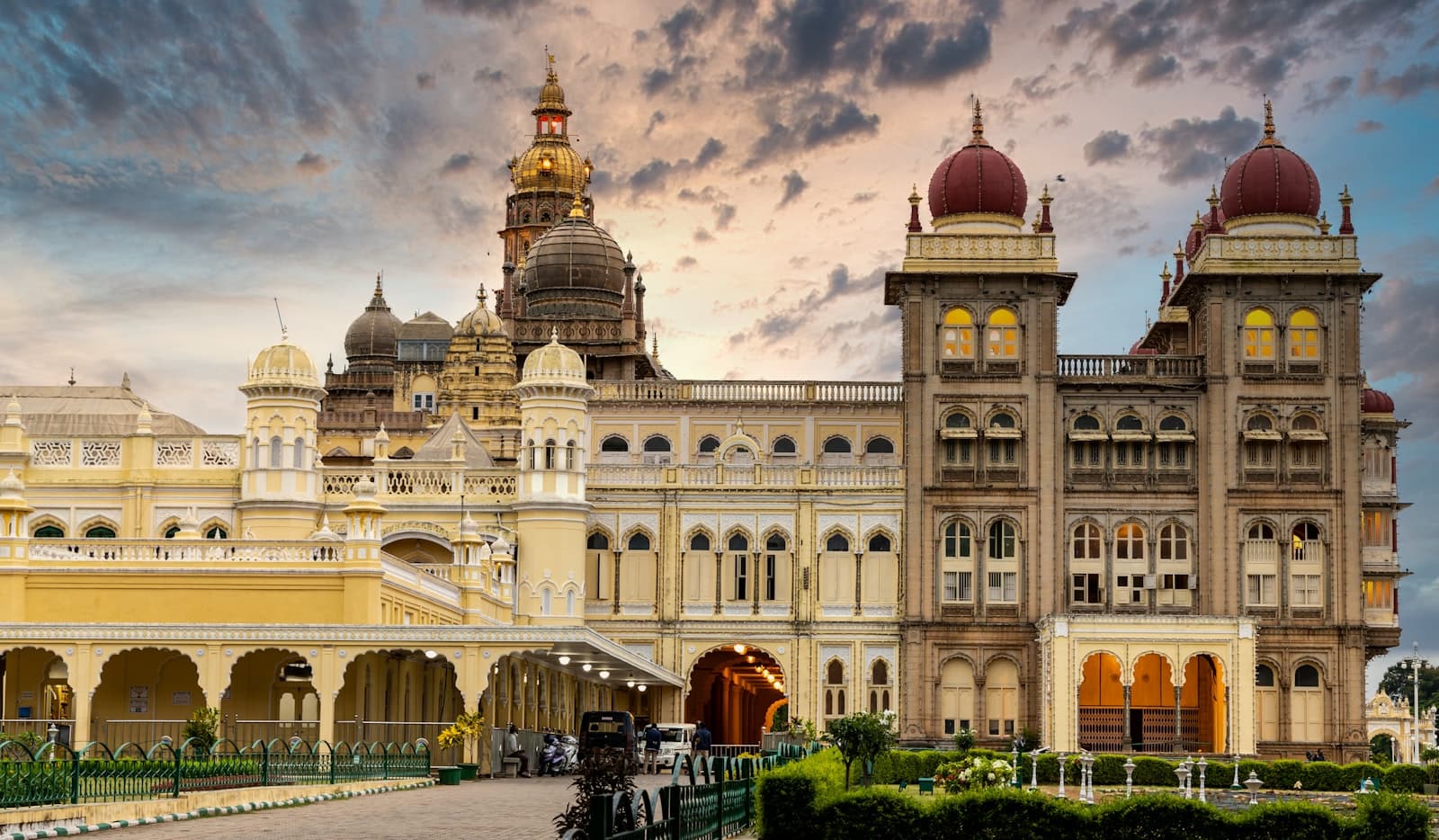
Нынешний Майсурский дворец — не первая королевская резиденция на этом месте и даже не вторая.
Полная история открывается в туре
 Sathyaprakash01 / CC BY-SA 4.0, via Wikimedia Commons
Самостоятельная аудиопрогулка по Майсур — GPS-маршрут, офлайн-воспроизведение, увлекательное повествование на 32 языках.
“Где королевская власть витает в каждой изысканной детали и ароматной специи.”
Не открытки. Истории, которые не знают даже местные жители — шепотом в вашем ухе, прямо там, где они произошли.
Нынешний Майсурский дворец — не первая королевская резиденция на этом месте и даже не вторая.
Мерцающий шелк Майсура, известный своей деликатной текстурой, имеет историю происхождения, напрямую связанную с европейским вдохновением.
Под шумными прилавками рынка Девараджа скрывается более глубокий слой городской инфраструктуры.
Откройте для себя каждый секрет Майсур
Каждый адрес, каждое полное раскрытие — в вашем ухе, прямо там, где это произошло.
Вы выбираете остановки. Вы гуляете. Голос раскрывает то, что упускают другие.


Ваш самостоятельный аудиотур по Майсур готов — выберите свои достопримечательности, выберите свой язык и начните в момент прибытия.
КупитьВ Lume встроен гид дополненной реальности. Поднимите телефон: камера показывает улицу перед вами, а поверх реального изображения светится стрелка, всегда указывающая на вашу следующую остановку — не нужно разбираться с картой и сворачивать не туда. Как и всё в Lume, это работает полностью офлайн.
Майсур, официально известный как Мысуру, — город в южном индийском штате Карнатака, прославленный своим королевским наследием и культурной глубиной. Майсур, часто называемый «Городом дворцов» и «Культурной столицей Карнатаки», служил столицей Майсурского королевства почти шесть веков, с 1399 по 1947 год. Это непреходящее наследие проявляется в его величественной архитектуре, традиционных искусствах и самобытной кухне, ежегодно привлекая миллионы путешественников.
У подножия холмов Чамунди, Майсур предлагает уникальное сочетание исторического величия и природной красоты. Город является значительным центром туризма, а также развивающимся ИТ-хабом, отражая динамичное слияние традиционных отраслей, таких как ткачество и резьба по сандаловому дереву, с современными предприятиями. От своего культового дворца до ароматных рынков, Майсур приглашает посетителей исследовать город, где история не просто сохраняется, но и активно живет.
История Майсура насчитывает более тысячи лет, а первое историческое упоминание относится к царю Ашоке в 245 г. до н.э. Название города, Мысуру, предположительно происходит от Махишуру, что относится к демоническому царю Махишасуре, который, согласно мифологии, был убит богиней Чамундешвари на вершине холмов Чамунди.
Майсурское королевство было основано около 1399 года династией Водеяров, первоначально как феодальный вассал Виджаянагарской империи. Водеяры неуклонно расширяли свое влияние, особенно после упадка Виджаянагарской империи в 1565 году. Значительный сдвиг произошел в 1610 году, когда Раджа Водеяр I перенес столицу из Майсура в Шрирангапатнам.
В течение XVIII века (с 1761 по 1799 год) королевство находилось под фактическим правлением Хайдер Али и его сына Типу Султана. Типу Султану приписывают возрождение шелковой промышленности в Майсурском регионе во время его правления. После поражения Типу Султана династия Водеяров была восстановлена в 1799 году, и город Майсур вернул себе статус столицы. Британцы назначили резидент-офицера и Дивана для управления администрацией Махараджи, и Майсур стал княжеским государством в Британской Индийской империи.
В конце XIX и начале XX веков при правителях, таких как Махараджа Чамарадж Водеяр X и его преемник Кришнараджа Водеяр IV, произошли значительные преобразования. Кришнараджа Водеяр IV, взошедший на трон в 1895 году, превратил Майсур в прогрессивное и современное государство, за что Махатма Ганди назвал его «святым царем». В этот период были основаны такие отрасли, как Фабрика сандалового масла Майсура в 1917 году и Мельницы Шри Кришнаражендра в 1920 году.
После обретения Индией независимости в 1947 году Майсурское королевство присоединилось к Союзу Индии, став Майсурским штатом, а затем объединившись с другими каннадаязычными регионами, образовав современную Карнатаку. Джаячамараджендра Водеяр, последний король, служил Раджапрамукхом (назначенным губернатором) до 1956 года. Сегодня Майсур является свидетельством своего королевского прошлого, городом, который сохранил свое наследие, одновременно принимая современный рост.
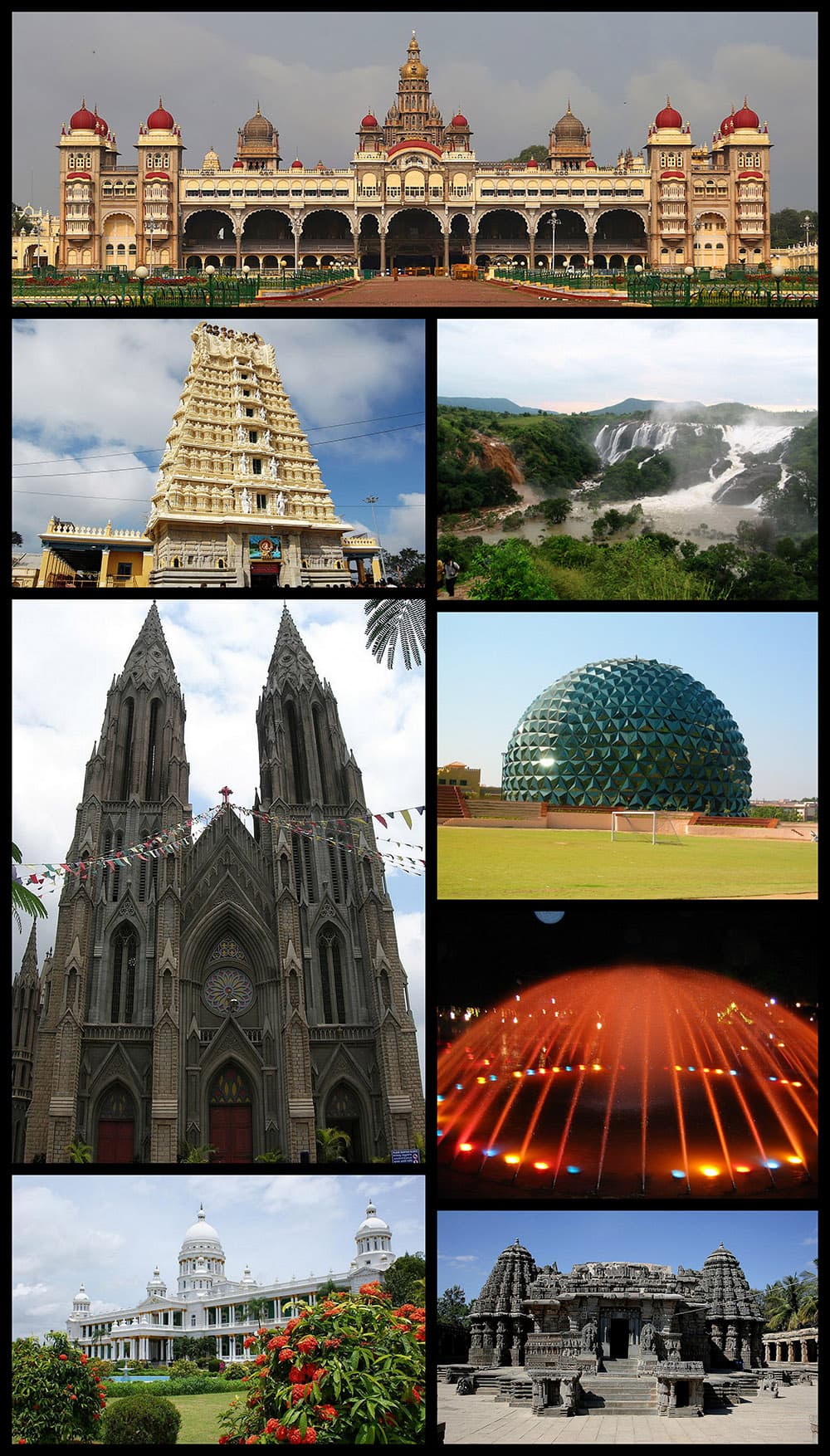
Майсур предлагает богатое разнообразие достопримечательностей, во главе которых стоит его королевское прошлое. Майсурский дворец, также известный как Амба Вилас, является архитектурным чудом, сочетающим индо-сарацинский, раджпутский, исламский и готический стили. Это один из самых посещаемых памятников Индии, особенно завораживающий, когда он освещается почти 100 000 лампочек по воскресеньям, в праздничные дни и во время фестиваля Дасара. Внутри вы можете исследовать богато украшенные комнаты, Зал собраний и 12 храмов.
Всего в нескольких минутах езды находятся холмы Чамунди, откуда открывается панорамный вид на город и где расположен почитаемый храм Чамундешвари. Для ярких сенсорных впечатлений погрузитесь в рынок Девараджа, оживленный базар, где вы можете найти красочные цветы, специи, фрукты и традиционные предметы, такие как порошок кумкум и шелковые сари Майсура. Рынок — прекрасное место, чтобы понаблюдать за местной жизнью и сделать запоминающиеся фотографии.
Другие примечательные достопримечательности включают Дворец Джаганмохан, в котором находится художественный музей с богатой коллекцией истории Майсура, и Дворец Лалита Махал, великолепный исторический отель. Любители природы могут посетить Сады Бриндаван с их музыкальными фонтанами, расположенные недалеко от дамбы Кришнараджа Сагар (KRS), или Природный парк озера Каранджи, с вольером для птиц и парком бабочек. Зоопарк Мысуру — еще одно популярное место, известное своим разнообразным животным миром.
В Майсуре тропический климат саванны с отчетливыми влажным и сухим сезонами. Лучшее время для посещения — зимние месяцы, с октября по февраль. В этот период температура колеблется от приятных 15°C до 27°C, что идеально подходит для осмотра достопримечательностей и активного отдыха. Этот сезон также совпадает с оживленным фестивалем Дасара, который обычно проходит в октябре или ноябре, превращая город в зрелище огней и празднеств.
Сезон муссонов, с июля по сентябрь, приносит умеренные и сильные дожди, делая город пышным и зеленым, что может понравиться любителям природы и фотографам. Однако сильные ливни могут нарушить планы на открытом воздухе. Лето, с марта по июнь, жаркое и сухое, температура достигает 39°C, что делает дневные прогулки менее комфортными. Доступны и крытые достопримечательности, а вечера могут быть приятными для прогулок.
Передвижение по Майсуру относительно простое, доступны различные местные виды транспорта. Городские автобусы KSRTC — популярный и доступный вариант, соединяющий большинство основных районов города. Для более быстрого и индивидуального передвижения легко доступны авторикши (тук-туки). Рекомендуется настаивать на использовании счетчика или использовать приложения для совместных поездок, такие как Ola или Uber, для фиксированных тарифов. Также доступны конные экипажи, известные как тонги, для более традиционного опыта, особенно популярные среди туристов.
Для более дальних поездок междугородние автобусы, управляемые KSRTC, соединяют Майсур с другими городами Карнатаки и соседних штатов, с частыми рейсами в Бангалор. Майсур также хорошо связан по железной дороге, с несколькими ежедневными рейсами из Бангалорского городского узла. В городе действует система совместного использования велосипедов под названием Trin Trin, первая в своем роде в Индии, предлагающая экологичный способ исследования.
Хотя аэропорт Майсура (MYQ) имеет ограниченное количество рейсов, крупные аэропорты в близлежащих городах, таких как Бангалор (Бенгалуру), предлагают более обширные варианты перелетов. Дорога из Бангалора в Майсур занимает примерно 3–3,5 часа.
Майсур: корейский, китайский, иврит и ещё 29 языков — каждую остановку озвучивает носитель языка. Самый широкий выбор языков среди аудиоэкскурсий без гида.
Доступные языки: