Il Palazzo dei Despoti
Questa grandiosa residenza dei sovrani bizantini fu un tempo un fulcro di potere e intrighi.
La storia completa si sblocca nel tour
 Apaleutos25 / CC BY-SA 4.0, via Wikimedia Commons
Tour audio autoguidato di Mistra — percorso GPS a piedi, riproduzione offline, narrazione coinvolgente in 32 lingue.
“Dove gli echi bizantini indugiano nella pietra.”
Non le cartoline. Le storie che nemmeno i locali conoscono — sussurrate nel tuo orecchio, proprio dove sono accadute.
Questa grandiosa residenza dei sovrani bizantini fu un tempo un fulcro di potere e intrighi.
Più di un semplice sito storico, questo monastero offre un legame vivo e pulsante con il passato.
Oltre ai loro sorprendenti affreschi, questi spazi sacri rivelano un segreto sulla trama stessa della città.
Scopri ogni segreto di Mistra
Ogni indirizzo, ogni rivelazione completa — nel tuo orecchio, proprio dove è accaduta.
Scegli le tue tappe. Cammini. La voce rivela ciò che gli altri perdono.


Lume include una guida in realtà aumentata. Alza il telefono: la fotocamera mostra la strada davanti a te, con una freccia luminosa sovrapposta all'immagine reale che punta sempre verso la tua prossima tappa — nessuna mappa da decifrare, nessuna svolta sbagliata. Come tutto in Lume, funziona completamente offline.
Adagiata sulle pendici del Monte Taigeto, a breve distanza dall'antica Sparta, si trova Mistra, una città fortificata bizantina che il tempo ha quasi dimenticato. Questo sito Patrimonio dell'Umanità dell'UNESCO offre una finestra rara e profonda su una metropoli medievale un tempo fiorente. A differenza di molte rovine antiche, Mistra è straordinariamente ben conservata, invitandoti a percorrere i suoi sentieri, scoprire i suoi palazzi e visitare le sue chiese, sentendo il peso dei secoli sotto i tuoi piedi.
Un tempo formidabile centro di cultura e influenza politica bizantina, Mistra fu la capitale del Despotato di Morea nel XIV e XV secolo. La sua posizione strategica e il suo fiorire culturale le valsero la designazione di "meraviglia del Morea". Oggi, si erge come un'evocativa città fantasma, le sue strutture in pietra e i vividi affreschi raccontano storie di imperatori, studiosi e una società raffinata che prosperò prima della dissoluzione dell'Impero Bizantino.
Mistra iniziò la sua esistenza non come città bizantina, ma come roccaforte franca. Nel 1249, Guglielmo II di Villehardouin, un principe franco, eresse un imponente castello sull'isolata collina di Myzithra per governare la regione dopo la Quarta Crociata. Tuttavia, il dominio franco fu breve. Solo tredici anni dopo, nel 1262, Guglielmo II fu catturato dai bizantini e Mistra, insieme ad altri castelli nel Peloponneso meridionale, fu ceduta all'imperatore Michele VIII Paleologo come riscatto.
Questo trasferimento diede inizio al periodo di maggior fioritura di Mistra. La città divenne rapidamente sede dell'autorità bizantina nella Grecia meridionale e, nel 1349, fu stabilita come capitale del Despotato di Morea. Sotto la dinastia dei Paleologi, Mistra conobbe una notevole rinascita culturale e intellettuale, spesso definita il Rinascimento Paleologo. Studiosi, artisti e architetti furono attratti dalla città, promuovendo progressi nella scienza, nella filosofia e nell'arte. Le chiese furono adornate con elaborati affreschi e la città ottenne riconoscimenti per le sue importanti biblioteche.
Uno dei residenti più noti di Mistra durante quest'epoca fu Gemisto Pleton, un eminente studioso neoplatonico i cui insegnamenti filosofici influenzarono il rinnovamento della cultura greca in Europa occidentale. L'ultimo imperatore bizantino, Costantino XI Paleologo, prestò servizio come despota di Mistra prima di salire al trono a Costantinopoli. La prosperità della città, tuttavia, fu in ultima analisi legata al destino del più ampio Impero Bizantino. Nel 1460, sette anni dopo la caduta di Costantinopoli, Mistra si arrese ai Turchi Ottomani, segnando la conclusione della sua era bizantina.
Dopo la sua resa, Mistra divenne la capitale dell'Ottoman Peloponneso e un importante centro per la produzione e il commercio della seta. Vide periodi di governo veneziano tra il 1687 e il 1715 prima di tornare sotto il controllo ottomano. La città subì un devastante declino dopo essersi unita alla rivolta di Orlov contro il dominio ottomano nel 1770, portando alla distruzione da parte degli albanesi ottomani. Il colpo di grazia arrivò durante la Guerra d'Indipendenza Greca nel 1825, quando le forze egiziane massacrarono la popolazione locale e danneggiarono ulteriormente la città.
Negli anni '30 dell'Ottocento, Mistra fu in gran parte abbandonata poiché i suoi abitanti iniziarono a trasferirsi nella nuova città di Sparta. Gli ultimi residenti partirono nel 1953, quando l'area fu acquisita dallo stato greco. Designata come importante monumento bizantino nel 1921 e sito Patrimonio dell'Umanità dell'UNESCO nel 1989, Mistra oggi si erge come un museo a cielo aperto, le sue rovine conservate per le generazioni future da scoprire.
Esplorare Mistra offre un'esperienza immersiva, meglio intrapresa a piedi. Il sito è diviso in Città Alta e Città Bassa, ognuna con il proprio ingresso e parcheggio. Molti visitatori scelgono di iniziare dalla cima e scendere.
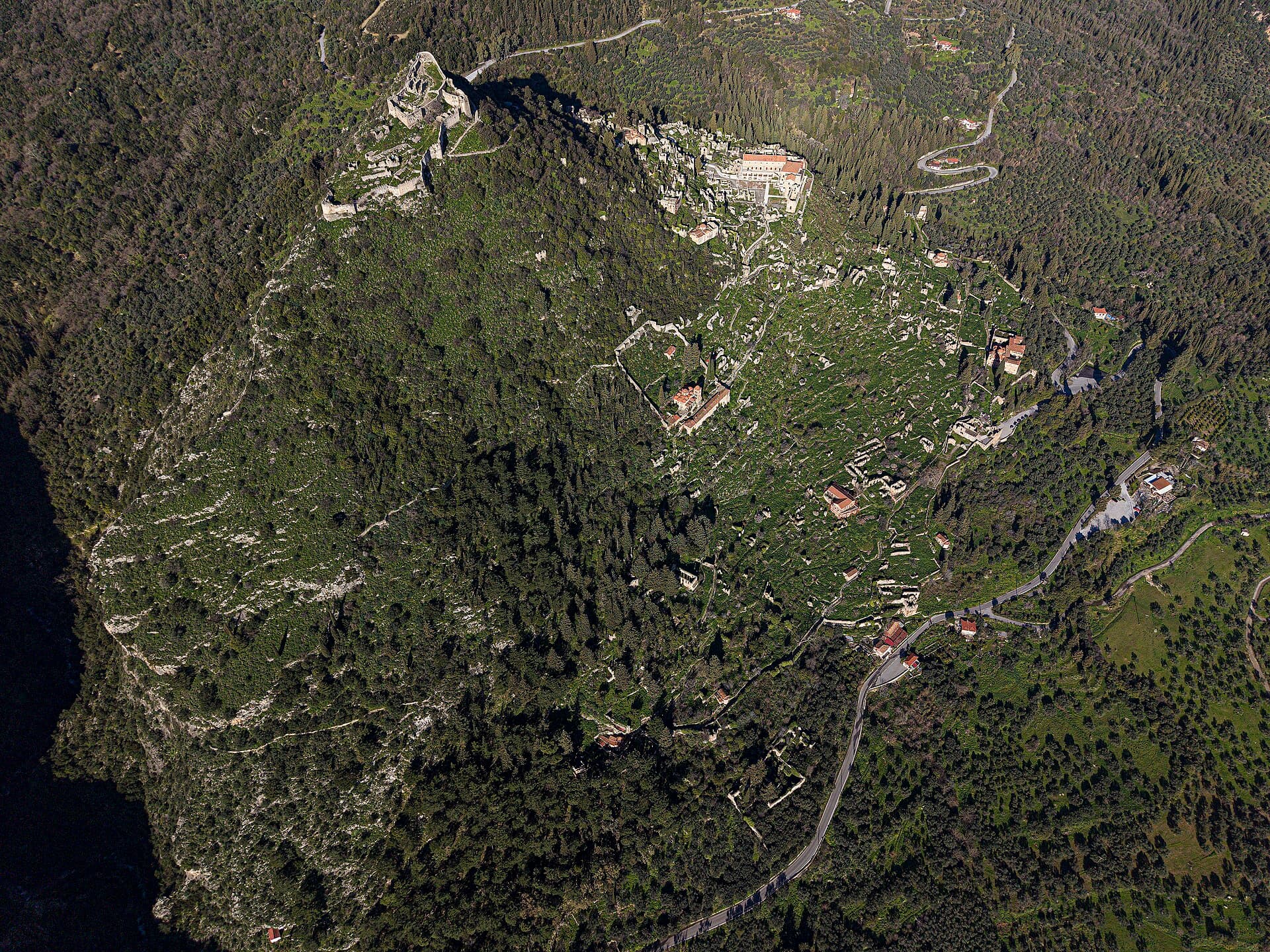
Nella Città Alta, la Cittadella e il Castello Franco coronano la collina, offrendo ampie vedute del paesaggio circostante. Sotto si trova il Palazzo dei Despoti, un complesso tentacolare che servì come residenza dei sovrani bizantini, attualmente in fase di restauro. La Chiesa di Agia Sofia, un tempo chiesa principale di un monastero e successivamente una moschea, espone affreschi bizantini parzialmente conservati.
La Città Bassa ospita una notevole collezione di chiese e monasteri. La Metropolis (Cattedrale di Agios Dimitrios), la chiesa più antica di Mistra, si ritiene sia il luogo in cui fu incoronato l'ultimo imperatore bizantino, Costantino XI Paleologo. Le sue pareti sono adornate da elaborati affreschi che raffigurano la Passione di Cristo. Il Monastero di Pantanassa, ancora abitato da monache, è celebrato per la sua intricata facciata in pietra scolpita e i suoi affreschi ben conservati risalenti al 1430 circa. Nelle vicinanze, il Monastero di Perivleptos, costruito a picco su una scogliera, contiene un raro e significativo ciclo di affreschi bizantini del XIV secolo. Non trascurare il piccolo Museo Archeologico di Mistra, situato all'interno del complesso della Metropolis, che ospita manufatti del sito.
I periodi più opportuni per visitare Mistra sono la primavera (aprile-maggio) e l'autunno (settembre-ottobre). In questi mesi, le temperature sono gradevoli, comprese tra 18-25°C (64-77°F), rendendo ideale percorrere l'ampio sito a piedi. I fiori selvatici sbocciano tra le rovine in primavera, migliorando la bellezza panoramica. L'estate (giugno-agosto) può essere piuttosto calda con poca ombra, rendendo le salite impegnative, sebbene l'altitudine offra un microclima leggermente più fresco. Le visite invernali sono possibili, ma le giornate sono più corte e alcuni servizi potrebbero essere limitati.
Mistra si trova a circa 6 chilometri (3,7 miglia) dalla moderna Sparta e a circa 3 o 3,5 ore di auto da Atene. Se si guida da Atene, seguire la E94 verso Corinto, poi la Strada Nazionale 39. Gli autobus operano quotidianamente da Atene a Sparta, da dove si può prendere un autobus locale o un taxi per il sito archeologico. Kalamata è l'aeroporto più vicino, a circa un'ora di auto.
Il sito archeologico dispone di due ingressi: un ingresso superiore vicino al castello e un ingresso inferiore nel villaggio principale. Sono disponibili parcheggi in entrambi, anche se il parcheggio superiore è più piccolo. Indossa scarpe comode da passeggio o da trekking con una buona presa, poiché i sentieri sono ripidi, irregolari e spesso acciottolati. Porta molta acqua, specialmente durante i mesi più caldi, poiché non ci sono posti dove acquistarla all'interno del sito stesso. Prevedi almeno 3 ore per esplorare a fondo il sito.
Mistra — coreano, cinese, ebraico e altre 29 lingue, ogni tappa narrata da una voce madrelingua. La più ampia scelta di lingue tra i tour audio autoguidati.
Disponibile in: