Castello di Nagoya
Gli shachihoko dorati che adornano il tetto del Castello di Nagoya sono più che semplici decorazioni. Nascondono un segreto sull'antica protezione.
La storia completa si sblocca nel tour
 ウィキ太郎(WikiTaro) / Public domain, via Wikimedia Commons
Tour audio autoguidato di Nagoya — percorso GPS a piedi, riproduzione offline, narrazione coinvolgente in 32 lingue.
“Nagoya: Dove antiche storie di samurai echeggiano sotto uno skyline di innovazione.”
Non le cartoline. Le storie che nemmeno i locali conoscono — sussurrate nel tuo orecchio, proprio dove sono accadute.
Gli shachihoko dorati che adornano il tetto del Castello di Nagoya sono più che semplici decorazioni. Nascondono un segreto sull'antica protezione.
Oltre al suo esterno tranquillo e ai vivaci mercati dell'antiquariato, il tempio Osu Kannon custodisce un tesoro letterario di immensa importanza storica.
Orientarsi nella Stazione di Nagoya può sembrare un labirinto, ma un sottile indizio aiuta i locali a trovare la strada ed evitare di disorientarsi nella sua vastità.
Scopri ogni segreto di Nagoya
Ogni indirizzo, ogni rivelazione completa — nel tuo orecchio, proprio dove è accaduta.
Scegli le tue tappe. Cammini. La voce rivela ciò che gli altri perdono.


Il tuo tour audio autoguidato di Nagoya è pronto — scegli i tuoi punti di interesse, seleziona la tua lingua e inizia nel momento in cui arrivi.
AcquistaLume include una guida in realtà aumentata. Alza il telefono: la fotocamera mostra la strada davanti a te, con una freccia luminosa sovrapposta all'immagine reale che punta sempre verso la tua prossima tappa — nessuna mappa da decifrare, nessuna svolta sbagliata. Come tutto in Lume, funziona completamente offline.
Nagoya, la capitale della prefettura di Aichi, è una metropoli dinamica che intreccia con grazia un passato storico con un'industria all'avanguardia. Spesso messa in ombra dai suoi vicini più famosi, Tokyo e Kyoto, Nagoya offre un'esperienza giapponese distinta e autentica con meno folla. È una città in cui l'eredità di potenti clan samurai, come i Tokugawa, è palpabile nel suo grande castello, mentre allo stesso tempo è la culla di innovatori globali come Toyota.
Posizionata strategicamente tra Tokyo e Kyoto, Nagoya è da tempo un centro vitale, fiorendo come centro commerciale lungo la storica strada Tōkaidō. Oggi è la quarta città più grande del Giappone e una potenza finanziaria, leader nella nazione nelle industrie automobilistiche, robotiche e aerospaziali. I visitatori possono approfondire la sua profonda storia, esplorare i suoi vivaci quartieri dello shopping, assaporare la cucina locale unica e usarla come base ideale per esplorare la regione più ampia del Chubu.
La storia di Nagoya è profondamente intrecciata con il potente shogunato Tokugawa. Sebbene esistessero insediamenti nell'area durante il periodo Jōmon, l'identità moderna della città iniziò a prendere forma nel 1610, quando Tokugawa Ieyasu, l'unificatore del Giappone, ordinò la costruzione del Castello di Nagoya. Questa maestosa fortezza era intesa come centro strategico e residenza per suo figlio, Yoshinao, capo del ramo Owari del clan Tokugawa. La costruzione del castello stimolò lo sviluppo di una città castello meticolosamente pianificata, con uno schema a griglia che ancora oggi influenza la disposizione di Nagoya.
Durante il periodo Edo (1603-1867), Nagoya fiorì come un cruciale centro commerciale, strategicamente situato lungo la strada Tōkaidō che collegava Edo (l'odierna Tokyo) e Kyoto. La città divenne rinomata per la sua industria tessile, la ceramica e la produzione di cloisonné, favorendo una prospera classe mercantile che contribuì in modo significativo alla sua crescita economica e culturale. A metà del XIX secolo, Nagoya era cresciuta fino a diventare la quarta città più grande del Giappone.
La Restaurazione Meiji del 1868 inaugurò un'era di rapida modernizzazione. Nagoya abbracciò l'industrializzazione, stabilendo alcune delle prime industrie moderne del Giappone. Incorporata come città nel 1889, sviluppò rapidamente un'infrastruttura moderna, tra cui ferrovie, telefoni ed elettricità. L'inizio del XX secolo vide Nagoya emergere come un importante centro industriale, con una crescita significativa nella produzione, in particolare nei settori tessile, meccanico e, infine, automobilistico. Questo periodo consolidò la prominenza di Nagoya nel panorama industriale giapponese, un'eredità che continua ancora oggi con la presenza di aziende come Toyota, fondata nella regione nel 1937.
Nagoya subì danni estesi durante i bombardamenti aerei della Seconda Guerra Mondiale a causa della sua importanza industriale, con molte delle sue strutture, incluso il castello, in gran parte distrutte. Tuttavia, la città dimostrò una notevole resilienza, ricostruendosi e riaffermandosi come uno dei centri industriali ed economici più vitali del Giappone nel dopoguerra.
Inizia la tua esplorazione dal Castello di Nagoya, una grandiosa ricostruzione della fortezza del XVII secolo che funge da potente simbolo del patrimonio samurai della città. Mentre il mastio principale è attualmente in fase di ricostruzione con metodi tradizionali, il Palazzo Honmaru meticolosamente restaurato, con i suoi dipinti ornati e le sue intricate sculture, offre uno sguardo sulla grandezza del periodo Edo.
Per un'immersione nell'innovazione industriale, visita il Museo Commemorativo dell'Industria e della Tecnologia Toyota, che racconta l'evoluzione di Toyota dai macchinari tessili alle automobili. Un'altra meraviglia ingegneristica, il SCMAGLEV and Railway Park, espone la storia e il futuro dell'alta velocità ferroviaria giapponese con prototipi maglev e modelli Shinkansen.
Concediti un rifugio tranquillo all'Atsuta Shrine, uno dei santuari shintoisti più importanti del Giappone, che si dice custodisca la leggendaria Kusanagi-no-Tsurugi, uno dei Regalia Imperiali del Giappone. Successivamente, immergiti nell'atmosfera vivace della Osu Shopping Street, un quartiere eclettico che fonde vicoli di mercato tradizionali con negozi moderni, perfetto per street food e scoperte uniche.
Per viste panoramiche sulla città, dirigiti all'osservatorio Sky Promenade in cima al Midland Square. Appassionati d'arte e scienza apprezzeranno il Museo di Scienza della Città di Nagoya, sede di uno dei più grandi planetari del mondo. E per un tocco di fantasia, considera una visita al Ghibli Park, un parco a tema dedicato ai personaggi dello Studio Ghibli, anche se i biglietti dovrebbero essere prenotati con largo anticipo.
Nagoya sperimenta quattro stagioni distinte, ognuna delle quali offre un fascino diverso. I periodi più confortevoli per visitare sono la primavera (marzo-maggio) e l'autunno (settembre-novembre). La primavera porta temperature miti e le iconiche fioriture dei ciliegi, che solitamente raggiungono il picco all'inizio di aprile, rendendo il Castello di Nagoya e il Parco Tsuruma luoghi popolari per l'osservazione. L'autunno offre un clima piacevole, cieli sereni e suggestivi colori autunnali, in particolare in zone come la Gola di Korankei. L'estate (giugno-agosto) è calda e umida con una stagione delle piogge, ma è anche un periodo di vivaci festival e fuochi d'artificio. L'inverno (dicembre-febbraio) è freddo ma generalmente secco, con meno folla e opportunità di godersi le illuminazioni invernali.
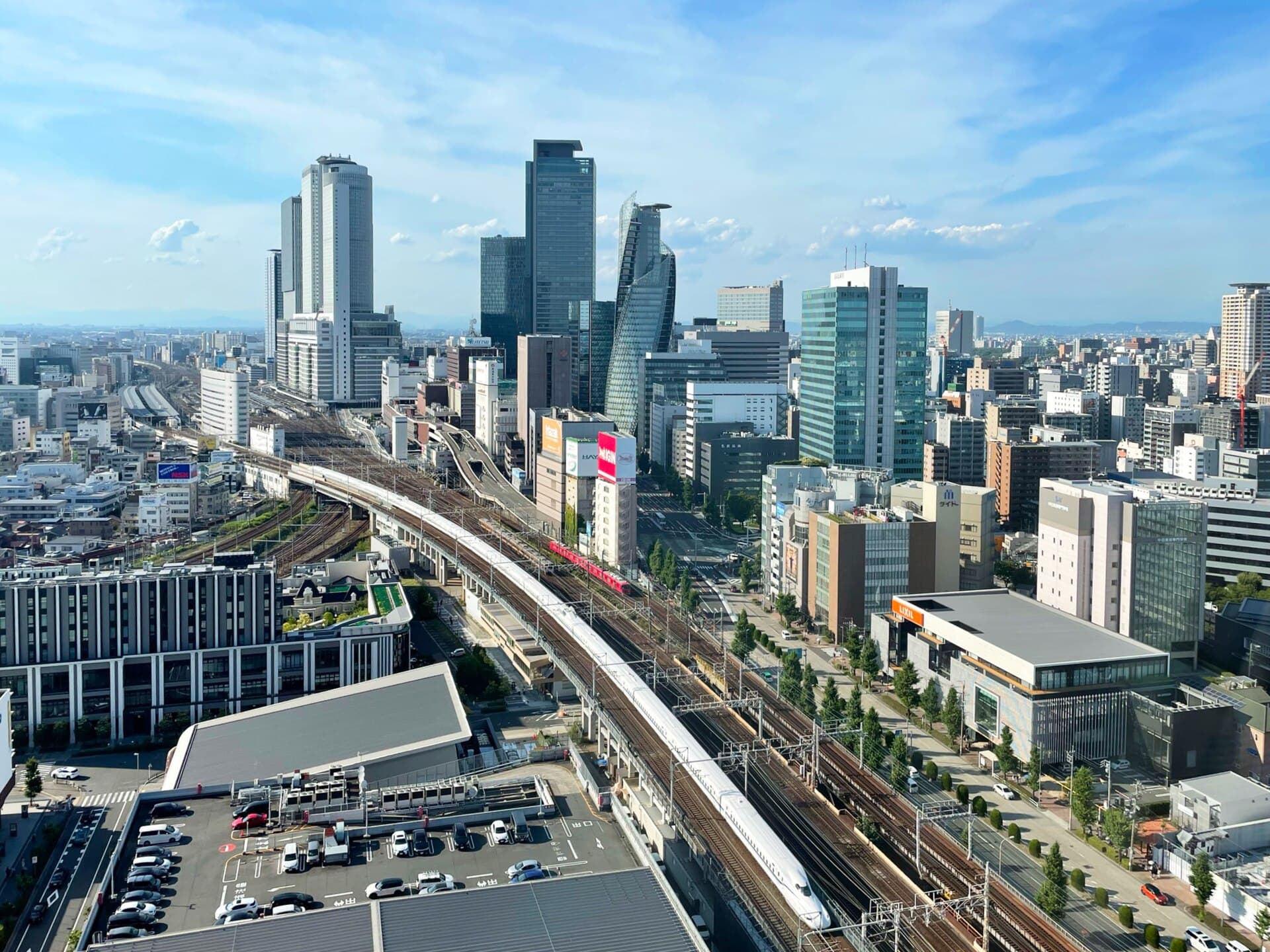
Nagoya è ben collegata e facilmente accessibile. Se ti trovi già in Giappone, il treno proiettile Tokaido Shinkansen ferma direttamente alla Stazione di Nagoya, offrendo un rapido accesso da Tokyo, Kyoto e Osaka. L'aeroporto internazionale Chubu Centrair (NGO) funge da principale porta d'accesso internazionale, con comodi collegamenti ferroviari e di autobus per la Stazione Meitetsu Nagoya.
Spostarsi a Nagoya è efficiente grazie alla sua estesa rete di trasporti pubblici, che include metropolitane e autobus. Un pass giornaliero o per il fine settimana copre sia la rete di autobus che quella della metropolitana, offrendo un modo senza problemi per esplorare. L'autobus turistico Meguru collega anche molti dei principali punti di interesse di Nagoya. Sebbene i taxi siano disponibili, possono essere più costosi. Per coloro che pianificano gite di un giorno, la posizione centrale di Nagoya la rende una base eccellente per esplorare destinazioni vicine come Inuyama, Gujo Hachiman e Shirakawa-go.
Nagoya — coreano, cinese, ebraico e altre 29 lingue, ogni tappa narrata da una voce madrelingua. La più ampia scelta di lingue tra i tour audio autoguidati.
Disponibile in: