Резервный банк Индии, Нагпур
Ходят слухи, что в Резервном банке Индии в Нагпуре хранится нечто большее, чем просто региональное отделение.
Полная история открывается в туре
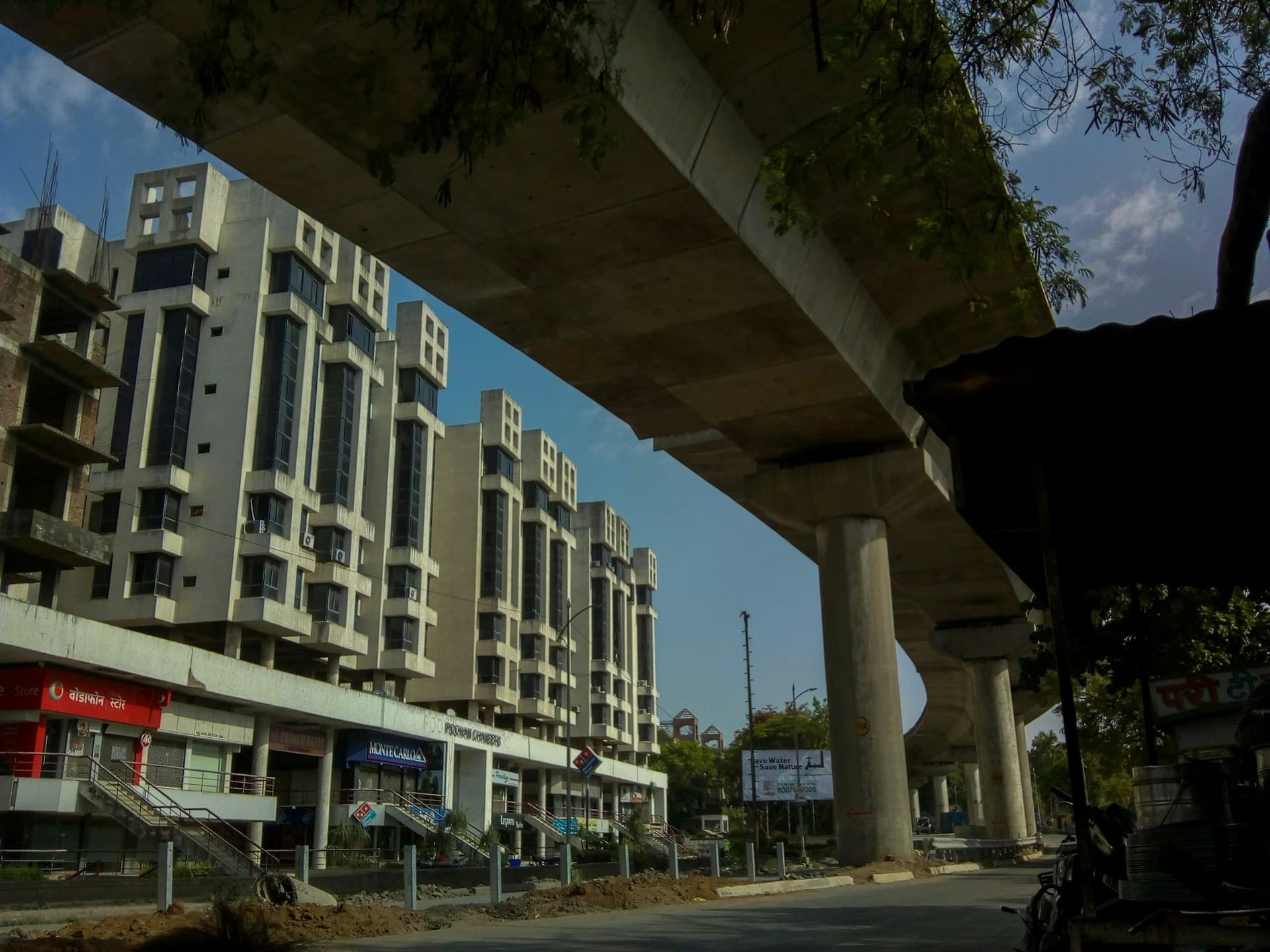 Photo: Anjali Lokhande / Unsplash
Самостоятельная аудиопрогулка по Нагпур — GPS-маршрут, офлайн-воспроизведение, увлекательное повествование на 32 языках.
“Где отголоски истории встречаются с ароматом апельсинов и ревом тигров.”
Не открытки. Истории, которые не знают даже местные жители — шепотом в вашем ухе, прямо там, где они произошли.
Ходят слухи, что в Резервном банке Индии в Нагпуре хранится нечто большее, чем просто региональное отделение.
В Нагпуре было осуществлено новаторское промышленное достижение, предшествовавшее большей части индустриализации Индии.
Раз в год улицы Нагпура заполняются уникальными, часто сатирическими, чучелами.
Откройте для себя каждый секрет Нагпур
Каждый адрес, каждое полное раскрытие — в вашем ухе, прямо там, где это произошло.
Вы выбираете остановки. Вы гуляете. Голос раскрывает то, что упускают другие.


Ваш самостоятельный аудиотур по Нагпур готов — выберите свои достопримечательности, выберите свой язык и начните в момент прибытия.
КупитьВ Lume встроен гид дополненной реальности. Поднимите телефон: камера показывает улицу перед вами, а поверх реального изображения светится стрелка, всегда указывающая на вашу следующую остановку — не нужно разбираться с картой и сворачивать не туда. Как и всё в Lume, это работает полностью офлайн.
Нагпур, часто называемый «Городом апельсинов» за его значительную роль в торговле апельсинами, — это оживленный мегаполис в центральном индийском штате Махараштра. Он имеет уникальное отличие быть географическим центром Индии, отмеченным монументом «Нулевой меридиан», который британцы использовали для измерения расстояний по всему субконтиненту. Помимо своей цитрусовой славы, Нагпур также известен как «Столица тигров Индии» благодаря близости к многочисленным тигровым заповедникам, что делает его воротами для любителей дикой природы.
Этот шумный город, третий по величине в Махараштре, плавно сочетает быстрое городское развитие с глубоко укоренившимися традициями. Он служит зимней столицей штата, где проводится ежегодная сессия законодательного собрания, и является крупным коммерческим и политическим центром региона Видарбха. Космополитический характер Нагпура отражается в его разнообразном населении, где различные религии и культуры гармонично сосуществуют.
Присутствие человека в районе нынешнего Нагпура восходит примерно к 3000 годам, к VIII веку до нашей эры, о чем свидетельствуют мегалитические погребальные памятники в Другдхамне. Само название «Нагпур» появляется в надписи на медной пластине X века, относящейся к округу «Нагпура-Нандивардхана» во время правления царя Раштракутов Кришны III.
Более современная история города началась в 1702 году, когда его основал вождь гондов Бхакт Буланд Шах из Деогара, объединивший двенадцать небольших деревень. Его преемник, Чанд Султан, продолжил развитие Нагпура, превратив его в город, окруженный стеной, и способствуя торговле. Однако после смерти Чанд Султана в 1739 году споры о престолонаследии привели к вмешательству лидера маратхов Рагхудзи Бхонсле I, который в конечном итоге сделал Нагпур столицей королевства Бхонсле маратхов в 1743 году.
Правление династии Бхонсле ознаменовалось значительным расширением, когда Рагходжи I Бхонсле возглавил военные кампании в Бенгалию, Бихар и Одишу. Однако XIX век принес смену власти. После поражений во Второй англо-маратхской войне в 1803 году и Третьей англо-маратхской войне в 1817 году Британская Ост-Индская компания получила контроль над Нагпуром. В 1853 году город официально перешел под контроль британцев, а в 1861 году стал столицей Центральных провинций и Берара. Этот период также ознаменовался промышленным ростом, в частности, созданием первой текстильной фабрики Индии, Empress Mills, в 1877 году.
После обретения Индией независимости в 1947 году Нагпур первоначально был столицей Мадхья-Прадеш. Однако с Законом о реорганизации штатов 1956 года маратхиязычный регион Видарбха, включая Нагпур, был включен в состав Бомбейского штата. В 1960 году он стал частью вновь образованного штата Махараштра, а по неформальному Нагпурскому пакту был назначен второй столицей Махараштры. Нагпур также имеет огромное значение для далито-буддийского движения, являясь местом Дикшабхуми, где доктор Б.Р. Амбедкар принял буддизм в 1956 году.
Начните свое исследование с Нулевого меридиана — монумента, отмечающего географический центр Индии. Неподалеку находится Дикшабхуми — крупнейшая в мире полая буддийская ступа и важное место паломничества, увековечивающее обращение доктора Б.Р. Амбедкара в буддизм. Чтобы взглянуть на прошлое города, посетите Форт Ситабулди, расположенный на двух холмах, — реликт британской эпохи и мемориал солдатам англо-маратхской войны. В форте также жил Махатма Ганди в качестве заключенного во время борьбы за независимость.
Любители природы могут найти умиротворение на озере Амбазари, крупнейшем озере в черте города, предлагающем возможности для катания на лодках и спокойную обстановку. Другие примечательные озера включают озеро Футала, известное своей привлекательной атмосферой, и озеро Теланхедхи. Для любителей дикой природы Нагпур служит «Столицей тигров Индии», предоставляя доступ к нескольким тигровым заповедникам, таким как Национальный парк Пенч и Тигровый заповедник Тадоба-Андхари, оба предлагают захватывающие сафари. В самом городе Зоопарк Махараджабаг предлагает возможность увидеть различных видов животных.
Религиозные объекты включают Храм Текди Ганеш, святыню на склоне холма, и искусно вырезанный Храм Сваминараян. Храм Шри Баладжи Картикеян на Семинарском холме предлагает спокойную атмосферу и виды на город. Для прикосновения к местной культуре рассмотрите посещение Национального музея Нагпура, одного из старейших в Индии, где представлена разнообразная коллекция артефактов. Музей узкоколейной железной дороги — уникальная достопримечательность с моделями локомотивов и парком аттракционов, что делает его подходящим для семей.
Идеальное время для посещения Нагпура — прохладные месяцы, с октября по март. В этот период погода приятная, с температурами от 10°C до 28°C, что делает его комфортным для осмотра достопримечательностей и активного отдыха. Ноябрь и декабрь особенно рекомендуются для впервые посещающих город. Сезон муссонов, с июля по сентябрь, приносит умеренные и сильные дожди и пышные зеленые пейзажи, что может быть живописно, но может ограничить планы на открытом воздухе. Лето, с апреля по июнь, чрезвычайно жаркое, с температурами, часто превышающими 40°C, и, как правило, является наименее подходящим временем для посещения.
Передвижение по Нагпуру относительно легко благодаря обширной сети местных автобусов, авторикш и сервисов такси по вызову, таких как Ola и Uber. Нагпурское метро также соединяет ключевые районы города двумя линиями. Для прибытия в город Нагпур имеет оживленный центральный железнодорожный вокзал с сообщениями с крупными индийскими городами и аэропорт примерно в 8 км к юго-западу от центра.
Что касается питания, Нагпур известен своей острой кухней, с местными деликатесами, такими как тарри поха и еда Саоджи, которые очень рекомендуются. Ожидайте, что еда в местных ресторанах обойдется примерно в 300-400 рупий. Покупку местных сувениров, таких как хлопчатобумажные ткани, изделия ручной работы, этнические украшения и продукты из апельсинов, можно совершить на рынках, таких как Ситабулди Мэйн Роуд и Дхарампет Роуд.
Посетителям следует одеваться скромно, особенно при посещении религиозных мест, так как некоторые храмы имеют особые правила дресс-кода. Рекомендуется брать с собой бутилированную воду, особенно в теплое время года, и заранее договариваться о тарифах на авторикшу. Хотя в целом безопасно, одиноким женщинам-путешественницам следует соблюдать обычные меры предосторожности и избегать ночных прогулок в определенных районах.
Нагпур: корейский, китайский, иврит и ещё 29 языков — каждую остановку озвучивает носитель языка. Самый широкий выбор языков среди аудиоэкскурсий без гида.
Доступные языки: