Kenyatta Avenue
Bevor sie Kenias erstem Präsidenten gewidmet war, trug Nairobis Hauptverkehrsader den Namen einer umstrittenen Kolonialfigur.
Die ganze Geschichte wird in der Tour freigeschaltet
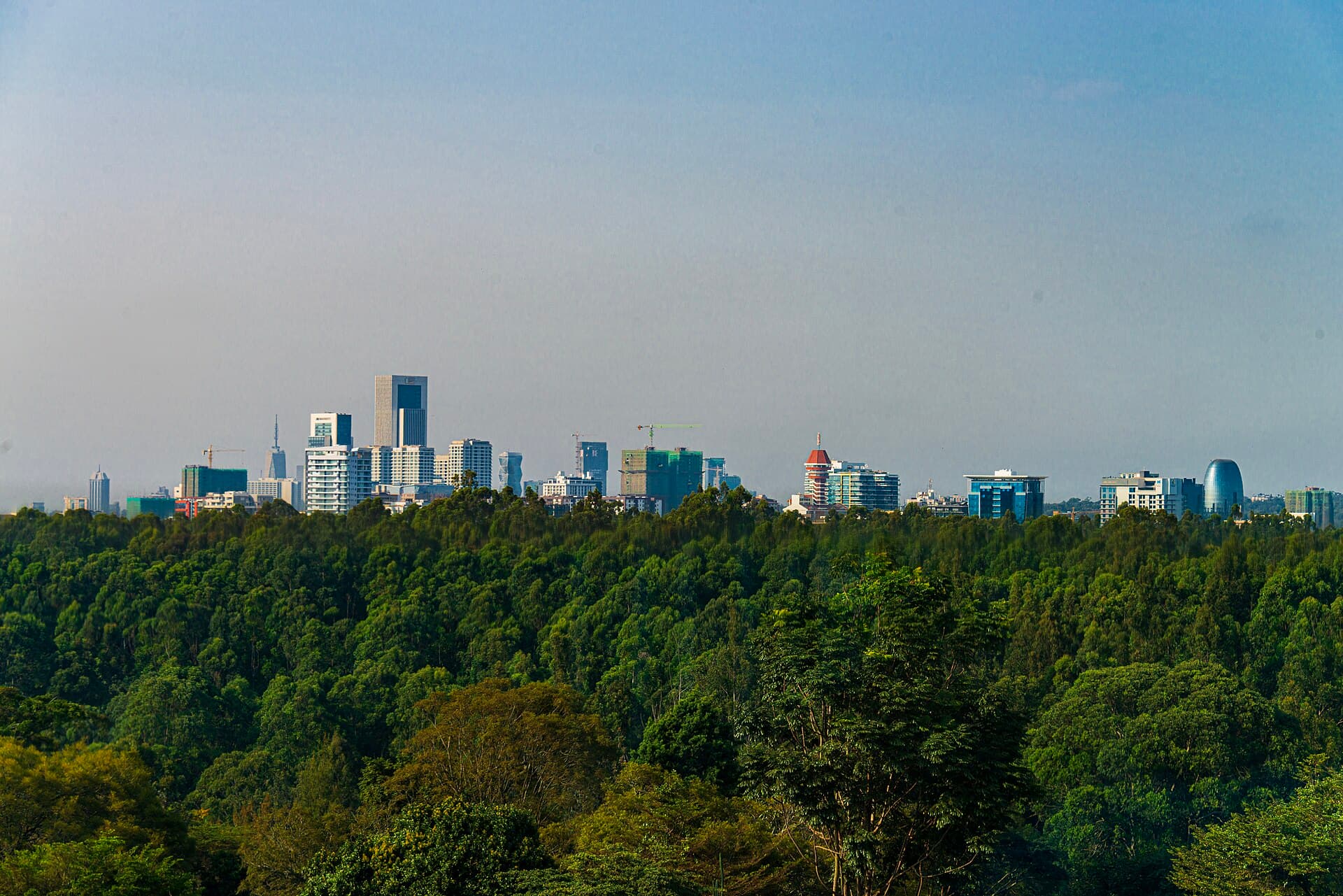 Daniel Case / CC BY-SA 4.0, via Wikimedia Commons
Selbstgeführte Audio-Walking-Tour durch Nairobi — GPS-Route, Offline-Wiedergabe, erzählerische Narration in 32 Sprachen.
“Wo urbane Dynamik auf wilde Savanne trifft.”
Nicht die Postkarten. Die Geschichten, die selbst Einheimische nicht kennen – dir ins Ohr geflüstert, genau dort, wo sie geschahen.
Bevor sie Kenias erstem Präsidenten gewidmet war, trug Nairobis Hauptverkehrsader den Namen einer umstrittenen Kolonialfigur.
Es ist die einzige Hauptstadt der Welt mit einem Nationalpark innerhalb ihrer Grenzen, doch ihre Existenz war nicht immer gesichert.
Diese lebhafte Geschäftsstraße wurde nach einer verheerenden Gesundheitskrise einst komplett neu aufgebaut.
Entdecke jedes Geheimnis von Nairobi
Jede Adresse, jede Enthüllung vollständig – in deinem Ohr, genau dort, wo es geschah.
Du wählst deine Stationen. Du gehst. Die Stimme enthüllt, was andere übersehen.


Deine selbstgeführte Audio-Tour durch Nairobi ist bereit – wähle deine Sehenswürdigkeiten, deine Sprache und starte, sobald du ankommst.
KaufenLume enthält einen integrierten Augmented-Reality-Guide. Halten Sie Ihr Handy hoch: Die Kamera zeigt die Straße vor Ihnen, mit einem leuchtenden Pfeil über dem echten Bild, der immer auf Ihren nächsten Stopp zeigt — keine Karte zum Rätseln, keine falschen Abzweigungen. Wie alles bei Lume funktioniert es komplett offline.
Nairobi, oft als 'Grüne Stadt in der Sonne' bezeichnet, ist die Hauptstadt und größte Stadt Kenias. Sie liegt im südlich-zentralen Teil des Landes in einer Höhe von etwa 1.795 Metern über dem Meeresspiegel. Ihr Name leitet sich vom Massai-Ausdruck Enkare Nyirobi ab, was 'Ort der kühlen Wasser' bedeutet und sich auf den Nairobi-Fluss bezieht. Diese Metropole ist ein dynamisches Zentrum, bekannt für seine einzigartige Mischung aus Stadtleben und naher Tierwelt, was sie zur einzigen Hauptstadt der Welt macht, die einen Nationalpark innerhalb ihrer Grenzen beherbergt.
Nairobi dient als wichtiges Finanz- und Wirtschaftszentrum für Ostafrika und beherbergt zahlreiche kenianische Unternehmen, internationale Firmen und Organisationen, darunter das Umweltprogramm der Vereinten Nationen (UNEP) und das Büro der Vereinten Nationen in Nairobi (UNON). Das rasante Wachstum der Stadt seit ihrer Gründung im Jahr 1899 hat zu einer vielfältigen und multikulturellen Umgebung geführt, die eine breite Palette von Erlebnissen bietet, von geschäftigen Märkten bis hin zu ruhigen Begegnungen mit der Tierwelt.
## Vom Eisenbahndepot zur Hauptstadt Die Ursprünge Nairobis reichen bis ins Jahr 1899 zurück, als die britischen Kolonialbehörden es während des Baus der Uganda-Kenia-Eisenbahn als einfaches Bahndepot errichteten. Der Standort wurde wegen seiner hohen Lage, seines gemäßigten Klimas und seiner zuverlässigen Wasserversorgung gewählt, was ihn zu einem idealen Rastplatz zwischen Mombasa und Kampala machte. Ursprünglich als 'Meile 327' bekannt, entwickelte es sich schnell zu einem wichtigen Versorgungs- und Verwaltungszentrum.
Die frühen Jahre waren herausfordernd, geprägt von Malaria- und Pestausbrüchen, die Anfang des 20. Jahrhunderts zur vollständigen Neuerrichtung der ursprünglichen Stadt führten. Trotz dieser Rückschläge festigte sich Nairobis strategische Bedeutung, und 1905 löste es Mombasa als Hauptstadt von Britisch-Ostafrika ab. Die Entwicklung der Stadt während der Kolonialzeit war durch rasche Expansion gekennzeichnet, angetrieben durch Verwaltung, Tourismus (anfangs Großwildjagd) und seine Rolle als Zentrum für die Kaffee-, Tee- und Sisalindustrie der Kolonie. Dieses Wachstum führte auch zu räumlicher Trennung mit unterschiedlichen Zonen für Europäer, Inder und Afrikaner.
Nach dem Zweiten Weltkrieg befeuerte die kontinuierliche Stadterweiterung Spannungen zwischen den indigenen Gemeinschaften und trug zum Mau-Mau-Aufstand in den 1950er Jahren bei. Diese Kämpfe ebneten schließlich den Weg für die Unabhängigkeit Kenias im Jahr 1963, woraufhin Nairobi die Hauptstadt der neuen Republik Kenia wurde. Nach der Unabhängigkeit erlebte Nairobi einen rapiden Anstieg der Land-Stadt-Migration, was zu weiterem Wachstum und der Verbreitung informeller Siedlungen führte, neben Bemühungen zur Modernisierung der städtischen Infrastruktur. Heute steht Nairobi als Zeugnis dieser komplexen Geschichte da, eine Stadt, die sich von einem Eisenbahnlager zu einer bedeutenden globalen Metropole entwickelt hat.
Nairobi bietet eine Reihe von Erlebnissen, von Begegnungen mit der Tierwelt bis hin zu kultureller Immersion. Eine Hauptattraktion ist der Nairobi-Nationalpark, ein einzigartiges Wildreservat, in dem Sie Nashörner, Löwen, Zebras und Giraffen vor der Skyline der Stadt beobachten können. Angrenzend an den Park ist der Sheldrick Wildlife Trust bekannt für die Rettung und Rehabilitation verwaister Elefanten und Nashörner. In der Nähe ermöglicht das Giraffe Centre den Besuchern, vom Aussterben bedrohte Rothschild-Giraffen aus nächster Nähe zu füttern.
Für einen tieferen Einblick in das Erbe Kenias zeigt das Nairobi National Museum die Kultur, Natur, Geschichte und Kunst des Landes. Das Karen Blixen Museum, einst das Zuhause der Autorin von 'Out of Africa', bietet Einblicke in das Leben der Kolonialzeit. Um weite Ausblicke auf die Stadt zu genießen, steigen Sie auf die Dachplattform des Kenyatta International Convention Centre (KICC). Erkunden Sie lokale Märkte wie den Maasai Market für Souvenirs und Kleidung oder finden Sie eine friedliche Zuflucht im Karura Forest, einem städtischen Waldreservat mit Wander- und Radwegen.
Nairobi genießt aufgrund seiner Höhenlage das ganze Jahr über ein gemäßigtes Klima, was es zu einem Reiseziel macht, das fast jederzeit besucht werden kann. Die besten Reisezeiten sind generell während der Trockenzeiten: von Ende Juni bis Oktober und erneut von Januar bis März. Diese Perioden bieten warme Tage, meist klaren Himmel und ideale Bedingungen für die Tierbeobachtung im Nairobi-Nationalpark und anderen Safari-Zielen. Die 'langen Regenzeiten' treten typischerweise von März bis Mai auf, und die 'kurzen Regenzeiten' im Oktober und November, die kurze Schauer statt langer Regenfälle bringen.
Bei der Planung Ihres Besuchs in Nairobi können praktische Überlegungen Ihre Erfahrung verbessern. Die lokale Währung ist der Kenianische Schilling (KES), obwohl größere Händler möglicherweise USD akzeptieren. Geldautomaten sind in Einkaufszentren und sicheren Orten leicht verfügbar, und Kreditkarten werden in größeren Betrieben weitgehend akzeptiert. Für die Fortbewegung sind Ride-Hailing-Apps wie Uber und Bolt zuverlässig und weit verbreitet, sie bieten Tür-zu-Tür-Service und bargeldlose Zahlungsoptionen. Matatus, das sind Kleinbusse, sind eine weitere Option, obwohl Ride-Hailing oft für Besucher empfohlen wird.
Sicherheit ist ein wichtiger Aspekt; es ist ratsam, sich Ihrer Umgebung bewusst zu sein, besonders in überfüllten Gebieten, und Wertsachen nicht offen zu zeigen. Alleine nachts in schlecht beleuchteten oder verlassenen Gegenden zu Fuß unterwegs zu sein, wird nicht empfohlen. Ein Aufenthalt in bekannten Vierteln wie Westlands, Karen oder Gigiri wird oft vorgeschlagen, insbesondere für Erstbesucher. Die Tagesplanung nach Vierteln kann helfen, den Verkehr in Nairobi zu bewältigen, der während der Stoßzeiten an Wochentagen stark sein kann. Das Erlernen einiger grundlegender Swahili-Sätze wie 'Jambo' (Hallo) und 'Asante' (Danke) kann ebenfalls hilfreich sein.
Nairobi — Koreanisch, Chinesisch, Hebräisch und 29 weitere Sprachen, jede Station von einer muttersprachlichen Stimme erzählt. Die größte Sprachauswahl aller selbstgeführten Audiotouren.
Verfügbar auf: