De Citadel van Namen
Napoleon, die berucht moeilijk te imponeren was, had een nogal kleurrijke bijnaam voor de Citadel.
Volledig verhaal ontgrendeld in de tour
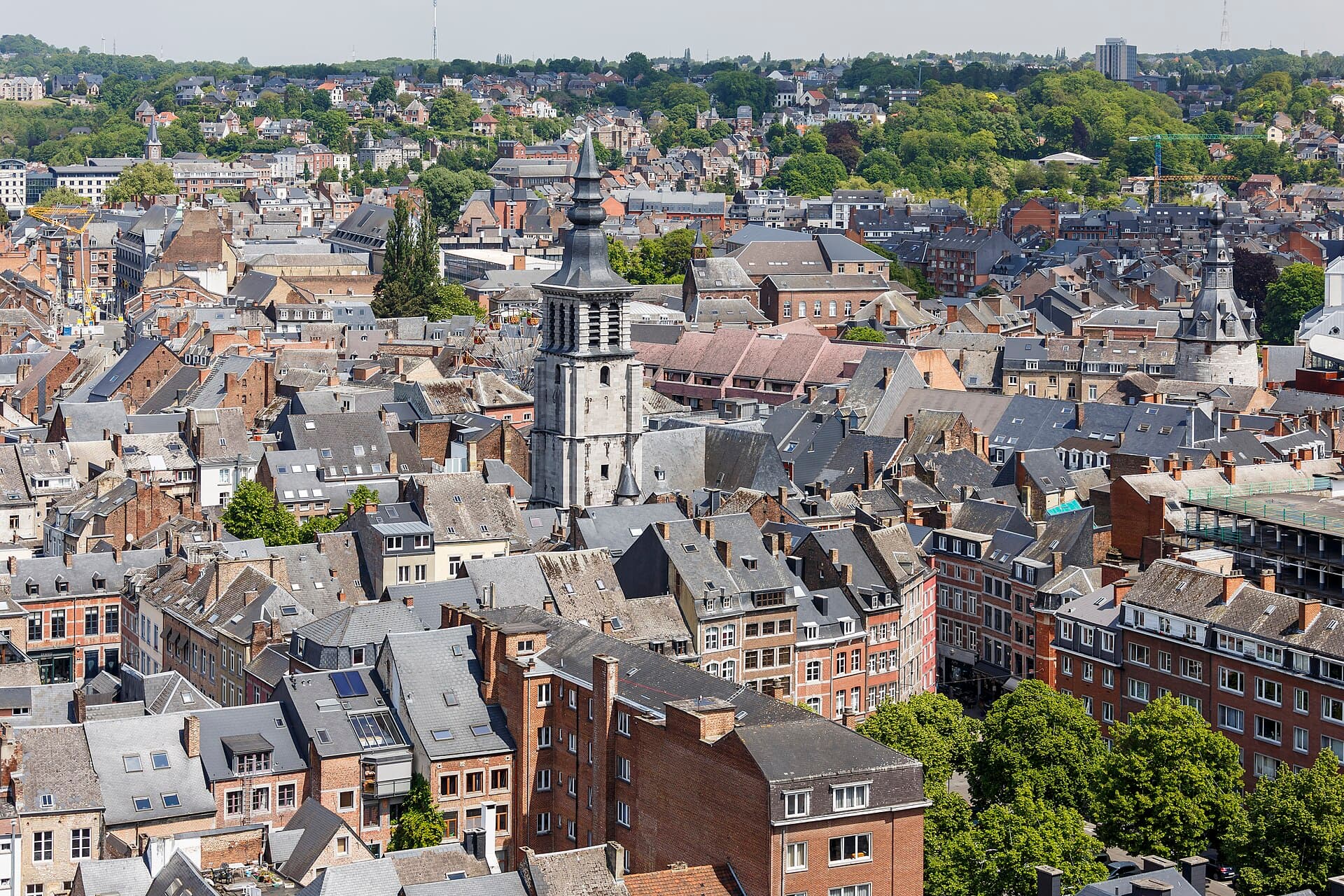 CEphoto, Uwe Aranas / CC BY-SA 3.0, via Wikimedia Commons
Zelfgeleide audiowandeling door Namen — GPS-route, offline afspelen, meeslepende vertelling in 32 talen.
“Waar oude vestingwerken samenkomen met riviercharme.”
Niet de ansichtkaarten. De verhalen die zelfs locals niet kennen — gefluisterd in je oor, precies waar ze gebeurden.
Napoleon, die berucht moeilijk te imponeren was, had een nogal kleurrijke bijnaam voor de Citadel.
De werken van de beroemdste kunstenaar van Namen, Félicien Rops, staan bekend om hun provocerende en vaak controversiële aard.
Deze kathedraal heeft een uniek onderscheid onder zijn Belgische tegenhangers.
Ontdek elk geheim van Namen
Elk adres, elke onthulling volledig — in je oor, precies waar het gebeurde.
Jij kiest je stops. Jij wandelt. De stem onthult wat de anderen missen.


Je zelfgeleide audiotour van Namen is klaar — kies je bezienswaardigheden, kies je taal en start zodra je aankomt.
KopenLume heeft een ingebouwde augmented-reality-gids. Houd je telefoon omhoog: de camera toont de straat voor je, met een oplichtende pijl over het echte beeld die altijd naar je volgende stop wijst — geen kaart om uit te puzzelen, geen verkeerde afslagen. Zoals alles in Lume werkt het volledig offline.
Namen, de hoofdstad van Wallonië in Zuid-België, is een stad die wordt bepaald door de strategische samenvloeiing van de rivieren de Samber en de Maas. Dit historische kruispunt heeft zijn identiteit gevormd, van oude Keltische nederzettingen tot zijn huidige rol als centrum van cultuur en bestuur. De oude binnenstad, met zijn voetgangersvriendelijke steegjes, kenmerkt zich door Art Deco-architectuur, uitnodigende cafés en onderscheidende boetiekjes.
Het landschap wordt gedomineerd door de imposante citadel, een fort met wortels die 2.000 jaar teruggaan. Namen biedt een mix van historische verkenning en schilderachtige schoonheid. De stad balanceert zijn administratieve belang als zetel van het Waals Parlement met attracties zoals wandelingen langs de rivier en boottochten, en dient als toegangspoort tot de natuurlijke landschappen van de Ardennen. Namen behoudt de sfeer van een gezellige Europese stad, bekend om een gemeten, contemplatieve levensstijl, waarbij de inwoners zichzelf gekscherend 'slakken' noemen.
## Van Romeinse Post tot Regionale Hoofdstad Het verhaal van Namen is diep verweven met zijn strategische ligging aan de samenvloeiing van de rivieren de Samber en de Maas. Het gebied is sinds prehistorische tijden bewoond, met bewijs van Neanderthaler- en vroege Homo Sapiens-aanwezigheid. De Romeinen vestigden zich permanent onder Julius Caesar, die het belang van de locatie erkende. De Merovingers bouwden later een kasteel op de rotsachtige uitloper die uitkijkt over de samenvloeiing, wat het begin markeerde van de formidabele Citadel.
In de 10e eeuw werd Namen een graafschap en ontwikkelde zich in de late middeleeuwen tot een bloeiende handelsstad. Het Graafschap Namen werd in 1421 verkocht aan Filips de Goede, Hertog van Bourgondië. In de eeuwen daarna werden de stad en haar citadel herhaaldelijk begeerd en belegerd door Europese machten, waardoor het een belangrijke militaire vesting werd. De uitgestrekte citadel werd bijvoorbeeld in de 17e eeuw aanzienlijk verbeterd door militaire ingenieurs zoals Menno van Coehoorn en Vauban.
Namen leed aanzienlijke verwoestingen tijdens zowel de Eerste als de Tweede Wereldoorlog, en was een belangrijk doelwit bij invasies vanwege zijn strategische positie. Ondanks de verwoesting werd de stad herbouwd. In 1986 werd Namen officieel uitgeroepen tot hoofdstad van Wallonië, een status die in 2010 werd bevestigd door het Waals Parlement, wat zijn rol als modern administratief en cultureel centrum verstevigde.
Namen biedt een reeks ervaringen, van oude fortificaties tot artistieke uitingen. De Citadel van Namen is een centraal punt en biedt een weids uitzicht over de Maasvallei en de stad. Bezoekers kunnen het uitgestrekte netwerk van ondergrondse passages verkennen en meer leren over de 2.000-jarige geschiedenis in het Terra Nova bezoekerscentrum. Een kabelbaan biedt een schilderachtige klim vanuit het stadscentrum naar de Citadel.
In de oude wijken van de stad staat de Saint-Aubain Kathedraal als de enige barokke kathedraal van België, gebouwd tussen 1751 en 1767. Het klassieke interieur is voorzien van stucwerk en uitgebreide meubels. Vlakbij staat het Belfort van Namen, een UNESCO Werelderfgoed, dat oorspronkelijk deel uitmaakte van de stadsmuren en in 1746 een belfort werd.
Het Félicien Rops Museum, gevestigd in een burgerlijk huis uit de 18e eeuw, is gewijd aan de 19e-eeuwse Belgische graficus, bekend om zijn provocerende en symbolische werken. Zoek voor een andere artistieke ervaring naar de onderscheidende sculpturen door de stad, waaronder Jan Fabre's gouden schildpad, 'Searching for Utopia,' nabij de Citadel, en de slakken sculptuur op de Place d'Armes, die de lokale relaxte houding symboliseert. Bezoekers kunnen ook boottochten maken op de Maas en Samber of de Art Deco-architectuur van de stad verkennen.
De beste tijd om Namen te bezoeken is tussen mei en september, wanneer het weer het meest gunstig is, met temperaturen die over het algemeen variëren van 17°C tot 23°C. De schouderseizoenen van de late lente en vroege herfst bieden aangenaam weer met minder toeristen. Hoewel het het hele jaar door aantrekkelijk is, ervaren de wintermaanden van november tot maart koudere temperaturen, frequente regenval en af en toe sneeuwval, waardoor buitenactiviteiten minder plezierig zijn. Het klimaat van Namen is over het algemeen gematigd en mild, maar het weer kan veranderlijk zijn, dus het is raadzaam om een regenjas of paraplu mee te nemen.
Namen is gemakkelijk bereikbaar, gelegen op ongeveer een uur met de trein vanaf Brussel, met verbindingen naar andere grote Belgische steden zoals Luik en Charleroi. De luchthavens van Brussel en Charleroi zijn de dichtstbijzijnde internationale toegangspoorten. Het stadscentrum is beloopbaar en er is openbaar vervoer beschikbaar. Parkeren is mogelijk nabij de belangrijkste attracties, hoewel het in het stadscentrum beperkt en duur kan zijn.
De lokale valuta is de Euro (€). Creditcards en pinpassen, met name Visa en Mastercard, worden breed geaccepteerd. Frans is de officiële taal in Wallonië, inclusief Namen. Hoewel er Engelse sprekenden te vinden zijn, vooral in toeristische gebieden, kan het leren van enkele basisfrases in het Frans uw ervaring verbeteren. Namen wordt beschouwd als de meest betaalbare stad van België, met levenskosten die aanzienlijk lager zijn dan in Brussel.
Namen — Koreaans, Chinees, Hebreeuws en nog 29 talen, elke stop verteld door een moedertaalspreker. Het grootste taalaanbod van alle zelfgeleide audiotours.
Beschikbaar in: