Mina de Protection Island
La mina más profunda de Nanaimo no se extendía bajo tierra, sino bajo el vasto océano.
La historia completa se desbloquea en el tour
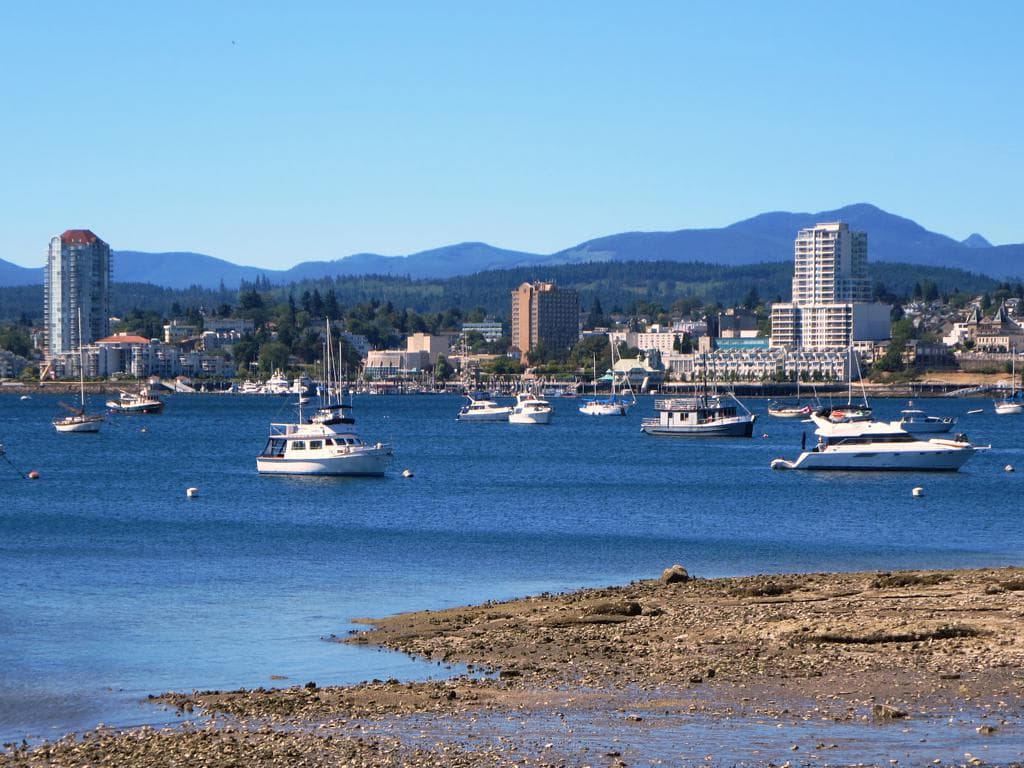 David Stanley from Nanaimo, Canada / CC BY 2.0, via Wikimedia Commons
Tour de audio autoguiado de Nanaimo — ruta GPS a pie, reproducción offline, narración en 32 idiomas.
“Donde el Pacífico susurra secretos y la barra Nanaimo es la reina.”
No las postales. Las historias que ni los locales conocen — al oído, justo donde ocurrieron.
La mina más profunda de Nanaimo no se extendía bajo tierra, sino bajo el vasto océano.
El alcalde de larga trayectoria de la ciudad era reconocido por su atuendo distintivo en reuniones públicas.
Más allá del famoso postre de la ciudad, las crónicas de Nanaimo incluyen relatos de tesoros esquivos e investigaciones psíquicas.
Descubre todos los secretos de Nanaimo
Cada dirección, cada revelación al completo — a tu oído, justo donde ocurrió.
Eliges tus paradas. Caminas. La voz te revela lo que los demás ignoran.


Tu tour de audioguía por Nanaimo te espera — elige tus lugares, tu idioma y empieza al llegar.
ComprarLume incluye una guía de realidad aumentada. Levanta el móvil y su cámara muestra la calle que tienes delante, con una flecha luminosa sobre la imagen real que siempre apunta a tu próxima parada — sin mapas que descifrar, sin giros equivocados. Como todo en Lume, funciona completamente sin conexión.
Nanaimo, frecuentemente conocida como la "Ciudad Puerto" o "Ciudad Central", se erige como un dinámico centro urbano en el lado oriental de la Isla de Vancouver, Columbia Británica. Su posición central la establece como una puerta de entrada para explorar la región central de la isla y otras islas dispersas por el estrecho de Georgia. Con una población que supera los 100.000 habitantes, Nanaimo combina hábilmente una animada atmósfera céntrica con abundantes oportunidades para la recreación al aire libre y el compromiso cultural.
La identidad de la ciudad está íntimamente conectada con su pintoresca costa, donde los hidroaviones aterrizan, los transbordadores conectan con el continente y un paseo marítimo de 4,5 km invita a paseos tranquilos. Más allá de su encanto natural, Nanaimo es reconocida mundialmente por su postre homónimo, la Barra Nanaimo, una golosina sin hornear que presenta una base desmenuzable con sabor a chocolate y una capa de crema pastelera. Los visitantes incluso pueden embarcarse en un sendero autoguiado de la Barra Nanaimo para saborear diversas interpretaciones de esta delicia local.
Nanaimo presenta una fusión singular de encanto costero, intriga histórica y un estilo de vida isleño activo, lo que la convierte en un destino atractivo para quienes buscan tanto el reposo como la aventura.
El territorio ahora identificado como Nanaimo fue habitado originalmente por los Snuneymuxw, un pueblo Salish de la Costa, quienes lo llamaron Snuneymuxw (pronunciado Snuh-NAY-moo), que significa "lugar de reunión". Los Snuneymuxw descubrieron abundantes recursos naturales, incluyendo sustento, agua dulce y refugio invernal entre las islas y ensenadas.
El contacto europeo comenzó en 1791 cuando el viaje español de Juan Carrasco, bajo Francisco de Eliza, llegó al puerto de Nanaimo, otorgándole el nombre de Bocas de Winthuysen. El Capitán George Vancouver posteriormente inspeccionó la isla en 1792, y para 1794, la Convención de Nootka otorgó a los británicos la posesión de la isla. Sin embargo, no fue hasta 1843 que los británicos establecieron su asentamiento inicial en la isla en Fort Victoria.
El descubrimiento de carbón a principios de la década de 1850 por parte de los pueblos indígenas locales transformó la zona. La Compañía de la Bahía de Hudson (HBC), tras un intento fallido de extraer carbón en Port Rupert, estableció un asentamiento en 1852, inicialmente llamado Colvile Town en honor al gobernador de la HBC, Andrew Colvile. En 1850, el jefe Snuneymuxw Che-wich-i-kan, también conocido como "Coal Tyee", presentó muestras de carbón a Victoria, lo que provocó la visita del gobernador James Douglas. Aunque los Snuneymuxw estaban dispuestos a vender carbón, deseaban mantener el control y los derechos exclusivos de minería.
Para 1852, se cargó el primer envío de carbón de Nanaimo, y la construcción del Bastión de Nanaimo comenzó en 1853, finalizando en 1855. En 1854, 24 mineros de carbón y sus familias llegaron de Inglaterra, uniéndose a 21 mineros escoceses. En 1858, el asentamiento fue renombrado Nanaimo, una ortografía y pronunciación anglicanizada del nombre Snuneymuxw. El diseño original de la ciudad presentaba calles que irradiaban desde la costa, contribuyendo a su designación como "Ciudad Central".
En 1862, la Vancouver Coal Mining and Land Company adquirió las minas de la HBC, expandiendo las operaciones. La finalización del ferrocarril de Esquimalt a Nanaimo en 1886 estimuló aún más el desarrollo. La producción de carbón alcanzó su punto máximo en 1923, con más de 1 millón de toneladas extraídas. Sin embargo, a medida que el carbón fácilmente accesible disminuyó y la extracción se volvió más peligrosa y costosa, la industria declinó, y la última mina cesó sus operaciones en 1953.
Durante la Primera Guerra Mundial, Nanaimo también sirvió como campo de internamiento para detenidos ucranianos. Para la década de 1940, la madera superó al carbón como industria principal, y se construyó una fábrica de pulpa y papel en 1950. En 1986, el Príncipe Carlos y la Princesa Diana dedicaron Nanaimo como la "Ciudad Puerto". Hoy en día, la economía de Nanaimo es impulsada por la atención médica, la tecnología y la construcción, junto con el turismo, la silvicultura y las industrias marinas. La ciudad ha evolucionado de una ciudad minera de compañía a un dinámico centro de servicios regional, preservando su historia a través de instituciones como el Museo de Nanaimo y los Archivos Comunitarios de Nanaimo.
Comience su exploración a lo largo del Paseo Marítimo de Nanaimo, un sendero pavimentado de cinco kilómetros que ofrece vistas de hidroaviones, transbordadores e islas cercanas. Este camino conecta con el Parque Maffeo Sutton, un lugar de reunión frente al mar con un parque infantil, senderos para caminar y el letrero de "Nanaimo". Desde aquí, un transbordador estacional puede llevarlo a Saysutshun (Parque Provincial Marino de Newcastle Island), que presenta playas para nadar, senderos forestales y sitios históricos.
Adéntrese en el pasado de la ciudad en el Museo de Nanaimo, donde podrá explorar una réplica de una mina de carbón o aprender sobre las casas comunales tradicionales de la Primera Nación Snuneymuxw. Cerca, el histórico Bastión, construido en 1853, ofrece un vistazo a las primeras defensas de la ciudad y alberga un disparo diario de cañón. Pasee por el Old City Quarter, reconocido por sus edificios patrimoniales, boutiques distintivas y cafés.
Para los entusiastas de la naturaleza, el Parque Neck Point ofrece senderos costeros y forestales con oportunidades para observar leones marinos y águilas calvas. El Parque Pipers Lagoon cuenta con piscinas de marea y amplias vistas al océano. Una breve caminata conduce a las Cataratas Ammonite en el Parque Regional Benson Creek Falls, particularmente impresionantes durante las estaciones más húmedas. Los visitantes aventureros pueden experimentar tirolesa y circuitos de obstáculos en WildPlay Element Parks. Recuerde embarcarse en el Sendero de la Barra Nanaimo, un recorrido autoguiado para probar varias interpretaciones del célebre postre.
La época más favorable para visitar Nanaimo para actividades de clima cálido se extiende desde mediados de julio hasta finales de agosto, cuando las temperaturas generalmente oscilan entre 19°C y 22°C con mínimas precipitaciones y cielos despejados. El verano es ideal para actividades de playa, paseos en bote, senderismo y explorar el puerto. La primavera (marzo a mayo) presenta un clima templado, mayor insolación y es adecuada para caminatas al aire libre y explorar parques naturales, aunque marzo aún puede traer lluvia. El otoño (septiembre a noviembre) ofrece temperaturas más frescas y agradables con un aumento de las precipitaciones, perfecto para visitar tiendas y museos. Los inviernos son suaves en comparación con los inviernos de las praderas, con temperaturas que rara vez caen por debajo de cero, lo que lo hace adecuado para observar tormentas y atracciones interiores, aunque la lluvia es frecuente.
Nanaimo, situada en la Isla de Vancouver, es accesible por mar y aire, ya que no hay puentes que la conecten con el continente. BC Ferries proporciona el modo de transporte más común, uniendo Horseshoe Bay con Departure Bay o Tsawwassen con Duke Point, con un viaje que dura aproximadamente dos horas. Es muy recomendable reservar el viaje en ferry con antelación. Para viajes aéreos, Nanaimo cuenta con un aeropuerto para todo tipo de clima con vuelos directos a Vancouver, Calgary y Toronto, además de servicios de hidroavión y helicóptero que conectan con el centro de Vancouver y Richmond.
Dentro de la ciudad, el centro de Nanaimo es compacto y fácilmente transitable a pie. Para una exploración más amplia, hay transporte público disponible y se ofrecen alquiler de coches en el aeropuerto. Al preparar su viaje, se recomienda ropa en capas y una chaqueta impermeable ligera durante todo el año, ya que el clima costero puede traer lluvias breves incluso en verano. Zapatos cómodos para caminar con buena tracción son esenciales para senderos y pasarelas. Para salidas desde el aeropuerto, se sugiere llegar al menos 90 minutos antes de su vuelo.
Nanaimo en coreano, en chino o en hebreo — y 29 idiomas más, cada parada narrada por una voz nativa. La mayor variedad de idiomas de cualquier audioguía autoguiada.
Disponible en: